For many value-conscious adults, buying an intimate toy is less about chasing hype and more about not wasting money on something that ends up forgotten in a drawer. When the budget is tight, it helps to step back from flashy marketing and ask a simple question: which toy will realistically be used often. This article focuses on building a budget-friendly adult toys checklist, looking at common beginner types, how to allocate a limited budget, and what material and cleaning details matter over time. The perspective is practical and aimed at adult readers; information is general in nature, and anyone with health or safety concerns should speak with a qualified professional before making decisions.
Budget mindset: start from use cases, not price tags
Under budget constraints, price alone rarely tells the full story. What matters more is how well a toy fits typical use cases. Some buyers get drawn in by design or discounts, only to realize the toy does not match their preferred kind of stimulation, so it rarely sees real use. A clearer approach is to map out everyday scenarios first: is solo play the main focus or is partner play important; is external stimulation preferred, or is internal or full-coverage sensation more appealing. Once these questions are answered, it becomes easier to set priorities by function and then check prices. A first purchase can be a versatile, beginner-friendly piece, and additional items can be added later based on actual habits, instead of buying several overlapping toys at once.
Common toy types for beginners: narrowing the field
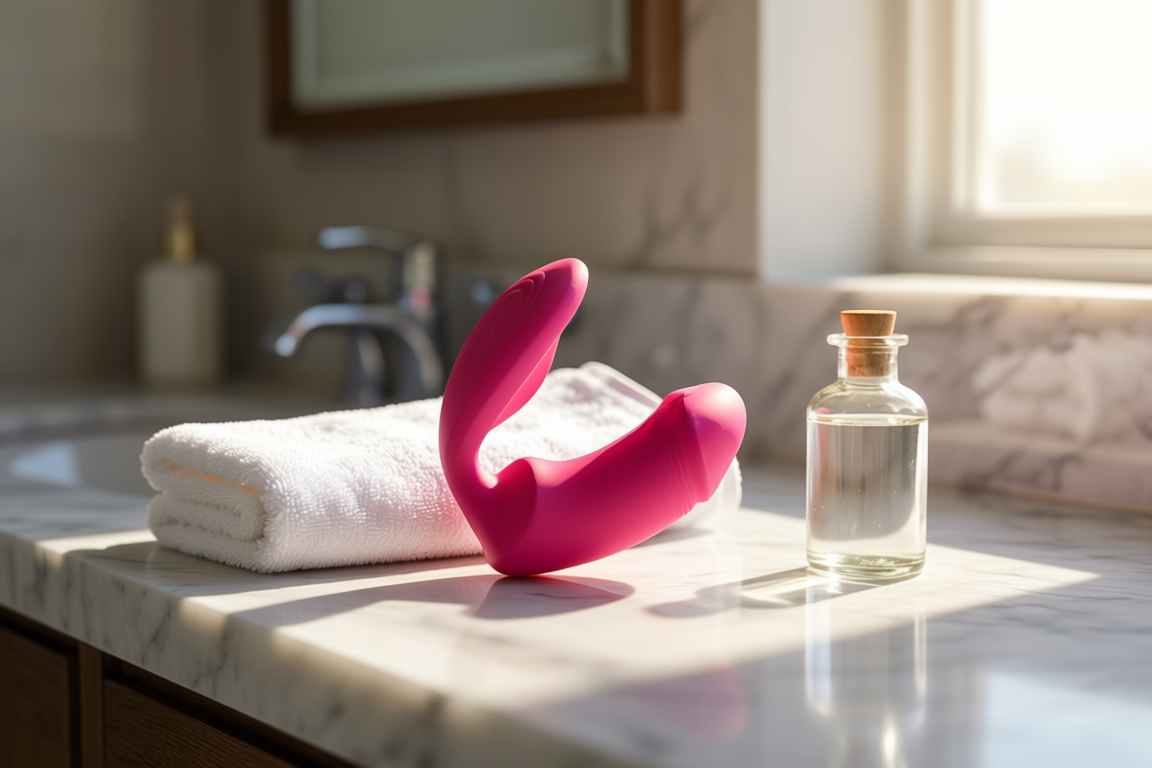
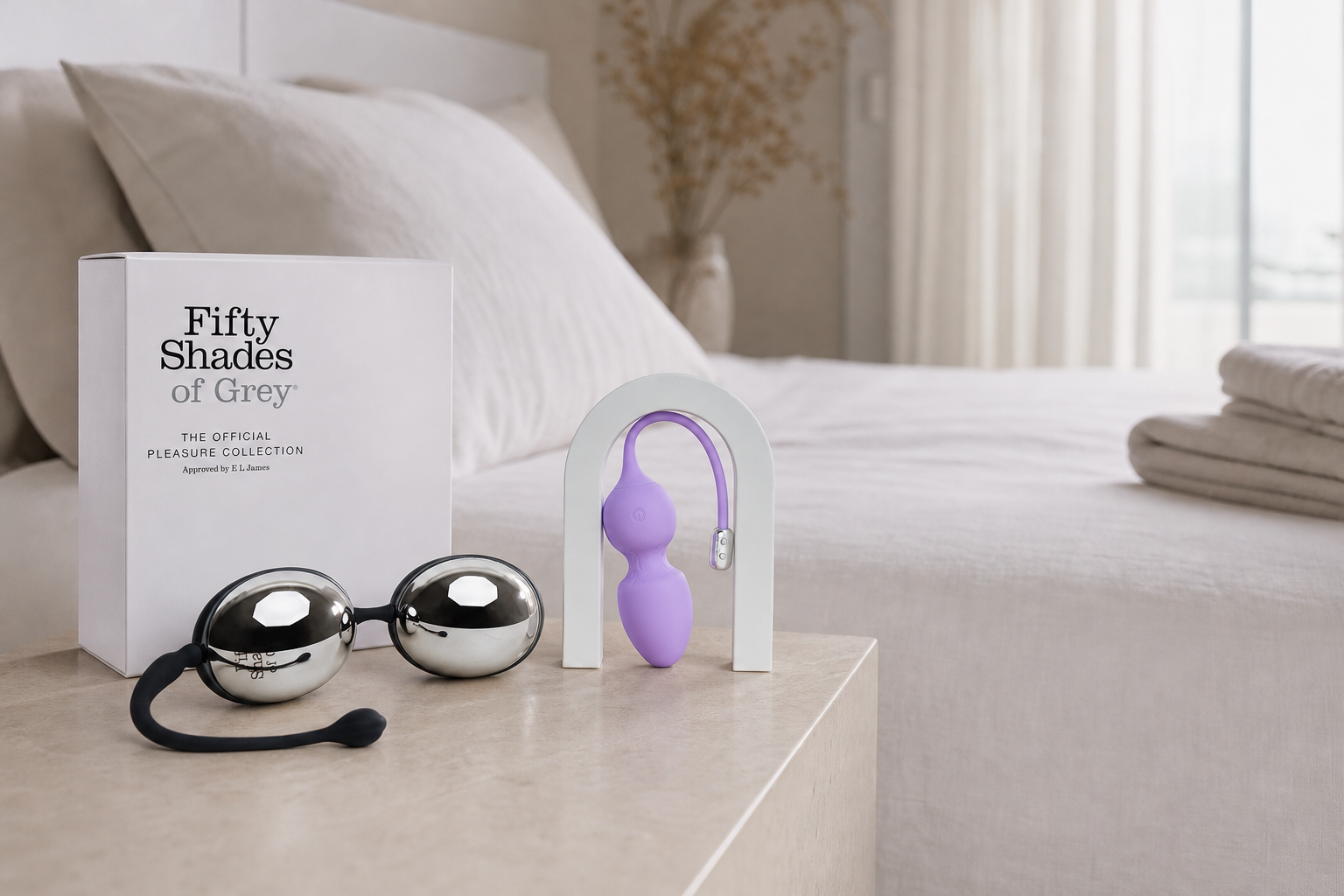
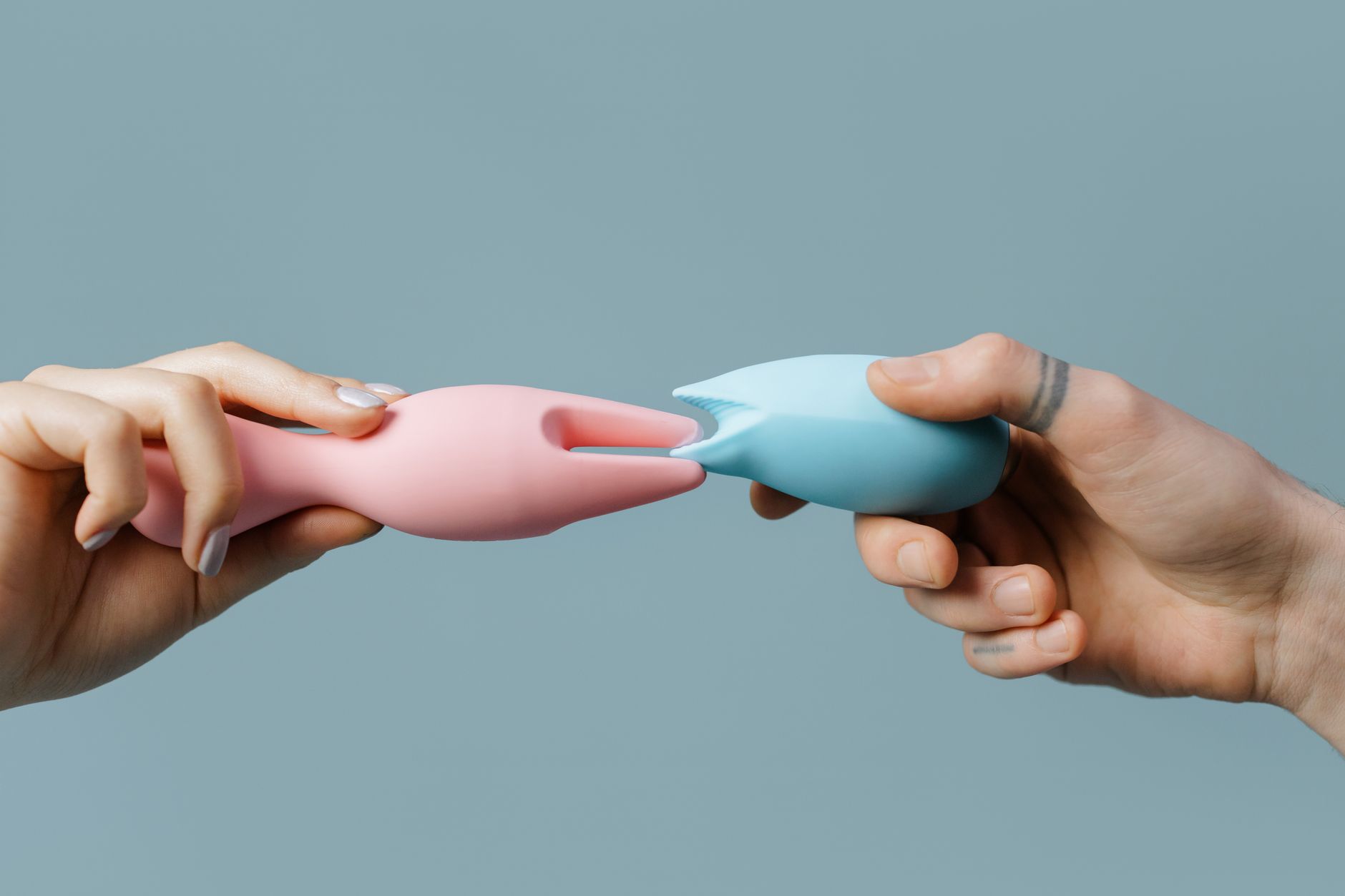
The adult toy market is wide, but beginners on a budget can safely narrow the field to a few well-established categories that tend to be easier to use and maintain. Popular solo options include external vibrators, simple wand-style massagers and entry-level masturbators, which usually have straightforward controls and relatively simple cleaning routines. Partner-oriented setups often look at compact or wearable toys that do not disrupt closeness or movement. When evaluating specific items, clear labeling of material, power source and basic operation tends to be more helpful than vague promises of sensation. Starter toys that cover several scenarios without being overly complex usually deliver better value per dollar than highly specialized pieces that only work in very narrow situations.
Material and cleaning: why value is more than a discount
Value seekers sometimes focus heavily on price, but for intimate products that touch sensitive areas, material and cleaning efforts play a major role in overall satisfaction. Common materials include silicone, hard plastic and flexible composites, each with distinct feel and durability profiles. Soft silicone is often chosen for mid-range toys because of its tactile comfort, yet surface texture and finish still matter, especially when it comes to residue and cleaning. Toys with deep ridges, complex textures or porous sections typically require more attention after each use to keep them in good condition. Budget-conscious buyers can look for smooth, simple designs that can be rinsed with water and mild cleaners without elaborate routines. Over time, a slightly higher initial price on a well-made toy that remains comfortable and easy to care for can be more economical than repeatedly replacing low-quality pieces.
Sample value setups: solo and partner-focused kits
Rather than buying multiple toys that all do similar things, it is often more cost-effective to build a small kit where each item has a distinct role. A solo-friendly setup might center on a compact external vibrator paired with a lubricant that suits personal skin feel and preferred texture, covering both gentle and more intense sessions. If there is curiosity about internal or enveloping sensations, an entry-level masturbator or straightforward wand-style massager can be added later once basic preferences are clearer. For partner-focused play, that same foundation can be combined with a small, quiet toy designed to be used together without drawing attention away from interaction. In these configurations, every item contributes different options, which tends to increase actual use and justifies the investment more than owning several backups that rarely leave the box.
Overlooked details: noise level, controls and storage
Some of the most practical aspects of toy ownership show up in everyday details that are easy to overlook when browsing. Noise level matters especially for people who share living spaces or have thin walls; louder toys can create tension and self-consciousness, which undermines relaxation. Clear, intuitive controls are another point of value, as confusing button layouts or hard-to-find modes can interrupt focus during use. Storage needs also shape the experience over time: compact toys that fit discreetly in small pouches or drawers are easier to keep out of sight and to maintain between uses. These factors do not usually dominate marketing messages, yet they have a significant impact on whether the toy feels like a reliable part of daily life or something that is only used occasionally.
Privacy and buying channels: feeling safe within a budget
For many readers, emotional comfort during the buying process matters as much as saving money. Privacy-conscious shoppers can look for sellers that clearly state discreet packaging, neutral billing descriptions and flexible payment methods. This is particularly reassuring for people living with roommates or family members. Planning where the toy will be stored once it arrives is equally important, so it does not end up in visible or shared spaces. Online ordering can be convenient, but when material or usage information is unclear, it is safer to rely on retailers with transparent specifications rather than only anonymous reviews. A sense of safety around the purchase often contributes more to long-term satisfaction than a small price difference between similar products.
Closing thoughts: treat adult toys as long-term gear
From a value perspective, adult toys become more than novelty purchases when they are treated like long-term personal gear. Thinking in terms of how often a toy might realistically be used over a year helps shift attention toward durability, comfort, ease of cleaning and privacy considerations. Starting with one or two versatile basics and gradually expanding based on lived experience keeps spending focused while reducing regret. The suggestions in this guide summarize common patterns among users who care about both budget and practicality, but they do not replace personal judgment or professional input. Whenever health or safety questions arise, discussing them with a qualified professional remains the most appropriate way to make well-informed decisions.
FAQ
As a beginner on a tight budget, which type of adult toy should be considered first?
Beginners who are mindful of spending often start with toys that are simple to operate and easy to clean, such as compact external vibrators or straightforward wand-style massagers. These designs usually cover a wide range of moods without requiring complex setup, making it easier to learn personal preferences. Once there is a clearer sense of what kind of stimulation feels most comfortable, more specialized toys can be considered with less risk of regret.
How can budget-conscious buyers balance material safety with price when choosing adult toys?
Balancing material and price starts with checking whether the product clearly lists its materials and basic care instructions. Smooth silicone or hard plastic designs with simple shapes tend to be easier to clean and maintain, which can make them good long-term choices even if they are not the cheapest option. Extremely low prices combined with vague or incomplete information should prompt extra caution, as short-term savings may not align with comfort or durability over time.
Why are noise level and storage important for people living with others?
For those in shared homes or apartments, noise and storage directly affect how relaxed they feel using a toy. Loud devices may cause self-consciousness or worry about being overheard, which can discourage use even if the toy works well otherwise. Compact toys that are reasonably quiet and easy to store in small, private spaces tend to fit better into daily routines without drawing unwanted attention.
What should adults keep in mind about health and safety when buying and using adult toys?
Adults should pay close attention to material information, cleaning instructions and any signs of irritation or discomfort during use. General tips from guides can help frame decisions, but they do not replace advice from healthcare professionals. If questions arise about skin reactions, pain, or compatibility with existing health conditions, it is advisable to stop using the product and consult a qualified professional to discuss personal risks and options.