The clitoris is not only the small external structure visible at the front of the vulva. Most of the organ lies beneath the skin and extends internally on both sides, which helps explain why many people experience external stimulation as more noticeable than penetration alone. This is a normal variation in sexual response, not a sign that anything is wrong. Sensitivity is shaped by nerve distribution, arousal, emotional safety, lubrication, fatigue, medication, and personal preference, so there is no single correct pattern. This guide explains the basic anatomy in clear, non-graphic language and connects it with practical ideas about communication, comfort, hygiene, and adult consent.
The clitoris is a larger internal structure
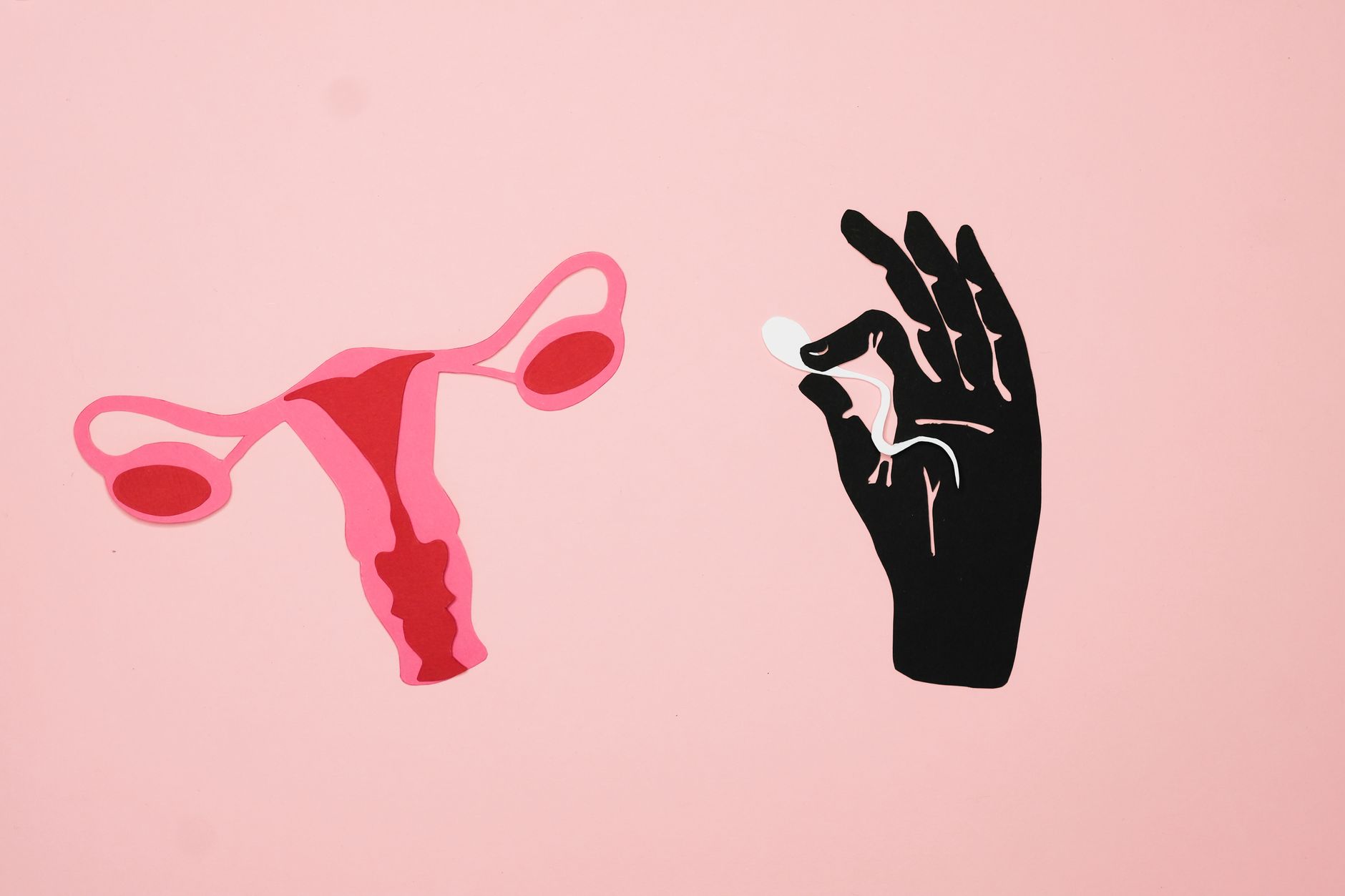
The visible glans is located near the top of the labia minora and may be partly covered by the clitoral hood. It is only the external portion of a larger erectile and sensory organ. The clitoris also includes a body, paired crura that extend inward along the pelvic structures, and vestibular bulbs beside the vaginal opening. Because much of the organ is under the skin, stimulation around the hood, outer vulva, or vaginal entrance can sometimes create sensations that are felt beyond the exact point of contact. This broader anatomy challenges the idea that the clitoris is simply a small button and helps explain why indirect stimulation can be satisfying.
- Glans: the externally visible portion, often highly sensitive.
- Clitoral hood: a fold of skin that covers and protects the glans.
- Body and crura: internal structures that extend into the surrounding tissue.
- Vestibular bulbs: erectile tissue located on either side of the vaginal opening.
Why external stimulation can feel more noticeable
The external clitoral region contains dense sensory innervation, so relatively small changes in pressure, movement, or vibration may be easy to notice. Internal vaginal sensation is not uniform across all areas and may involve pressure, stretching, pelvic fullness, or the movement of nearby structures rather than the same type of concentrated touch. Many people therefore need direct or indirect clitoral stimulation to reach orgasm, and this is a common pattern rather than a performance issue. Arousal, mental focus, trust, lubrication, stress, and the pace of touch can all change how the same contact feels from one moment to another.
External stimulation is also easier to adjust in small increments. Fingers, a partner’s body, oral contact, or an external sex toy can vary the contact area, rhythm, pressure, and direction without requiring penetration. Some people prefer a steady, predictable pattern, while others like gradual changes; some prefer contact over the hood or surrounding vulva because direct touch feels too intense. The most useful guide is real-time feedback, not a fixed technique. Comfort and desire to continue are more meaningful signals than trying to tolerate strong sensation.
Direct and indirect touch are different experiences
Direct contact with the glans can feel clear and intense, particularly when arousal is already high, but it may feel sharp, overwhelming, or irritating at another time. Indirect stimulation through the hood or surrounding vulvar tissue can distribute pressure and provide a gentler starting point. As arousal develops, tissue swelling and increased blood flow may change sensitivity, although not everyone wants more direct contact later. A person may consistently prefer indirect touch, a combination of approaches, or no stimulation at all on a particular day. Sexual response is contextual, and a preference does not need to be justified.
- Direct touch: more concentrated and precise, but potentially too intense for some people.
- Indirect touch: contact through the hood or nearby tissue, often easier to moderate.
- Consistent rhythm: a stable pattern may be easier to follow than constant changes.
- Gradual adjustment: begin with lighter pressure and change only in response to feedback.
Turning anatomy into better communication
Clear questions are usually more useful than guessing. Partners can ask whether the pressure feels comfortable, whether the rhythm should stay the same, or whether contact should move around the surrounding area. Feedback can be verbal, a hand guiding movement, a change in body position, or a request to pause; consent remains active throughout the interaction. For people using an external sex toy, starting at the lowest setting and avoiding prolonged pressure in one spot can make it easier to notice changing sensations. Water-based lubricant may reduce friction when compatible with the toy’s material, while the manufacturer’s cleaning and water-resistance instructions should always be followed.
Persistent pain, burning, broken skin, bleeding, unusual swelling, or abnormal discharge is a reason to stop rather than push through. These symptoms can have different causes, including friction, irritation, infection, or another gynecologic concern, and a product or lubricant should not be used to mask them. Anyone with ongoing discomfort, a skin condition, recent childbirth, recovery after a procedure, or unexplained pain should seek advice from a qualified healthcare professional. General sexual-health education is not a substitute for an examination or individualized medical care.
Choosing external toys with sensitivity in mind
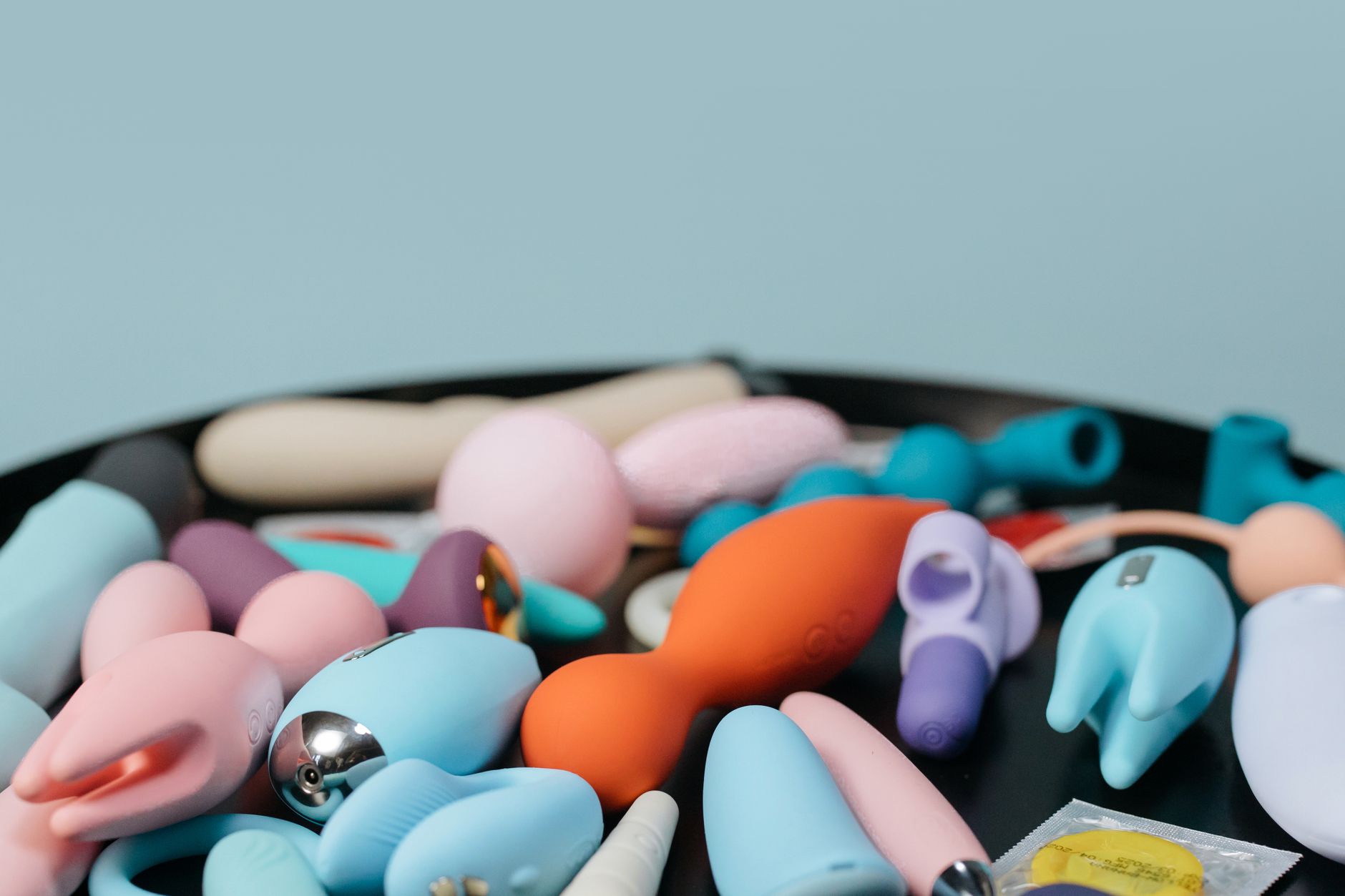
When comparing external toys, intensity is only one factor. Contact surface, shape, weight, noise, controls, charging, cleaning access, and material labeling often have a greater practical effect on comfort than the number of advertised modes. A small external vibrator may suit someone who wants precise placement and portability, but concentrated vibration can feel too strong for sensitive users. A wider contact surface can spread sensation across the surrounding vulva, while a remote or wearable design may support hands-free or partnered use; privacy settings and connection reliability matter in those cases.
| Type | Possible use case | What to check | |---|---|---| | Small external vibrator | Precise, portable external contact | Lowest setting, button placement, accidental activation | | Wide-surface toy | More distributed or indirect sensation | Surface texture, weight, and cleaning gaps | | Remote or wearable toy | Hands-free or partnered interaction | Connection stability, privacy controls, and charging |
Understanding “more noticeable” as individual variation
External stimulation can feel stronger or clearer for many people because the clitoris is a large, highly innervated organ whose external tissues are easy to adjust with pressure, rhythm, and contact area. This does not make internal sensation unimportant, and it does not mean everyone needs the same kind of touch. Some people prefer external contact, some enjoy combined stimulation, and some experience changing preferences over time. A mature approach to sexual health is not comparing whose response is faster or more intense. It is recognizing multiple normal pathways while keeping consent, respect, hygiene, and comfort at the center of adult intimacy.
FAQ
Is the clitoris only the small part visible outside the body?
No. The visible glans is only one part of the clitoris, which also includes internal structures such as the body and paired crura, along with related erectile tissue near the vaginal opening. Appearance, hood coverage, and sensitivity vary from person to person.
Why can direct clitoral touch sometimes feel uncomfortable?
The glans has dense sensory innervation, so direct contact may feel too intense when arousal is low or sensitivity is high. Starting around the hood or nearby vulvar tissue and using lighter pressure may feel more comfortable. Persistent pain, burning, or skin injury should be assessed by a healthcare professional.
Does limited sensation from vaginal penetration mean something is wrong?
Not necessarily. Many people need direct or indirect clitoral stimulation to experience strong pleasure or orgasm, and sexual response varies widely. There is no single normal pattern; comfort, consent, and the ability to communicate preferences matter more than comparison.
What should someone consider when using an external sex toy?
Start at a low intensity, avoid holding strong pressure on one spot for a prolonged time, and check the material, cleaning instructions, water-resistance rating, and lubricant compatibility. Stop if there is pain, bleeding, unusual discharge, or persistent burning, and seek professional medical advice if symptoms continue.