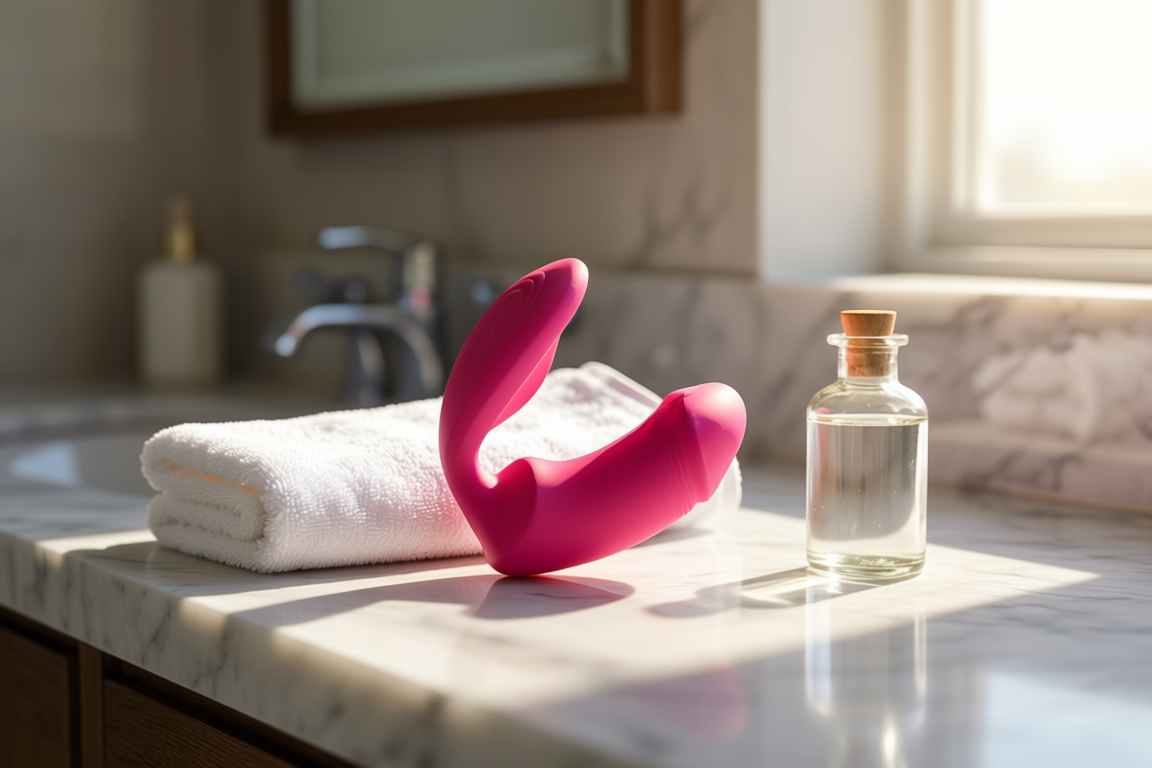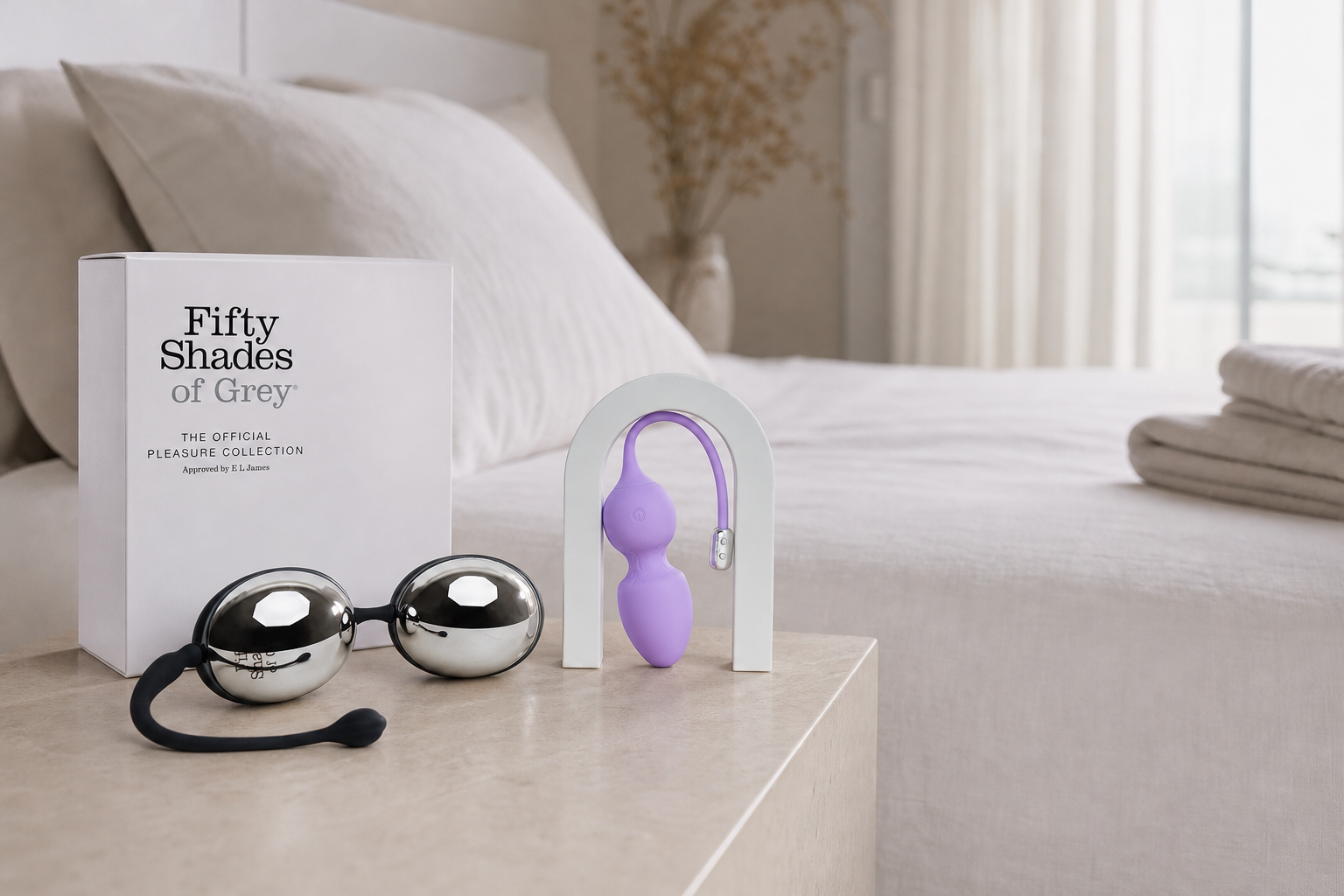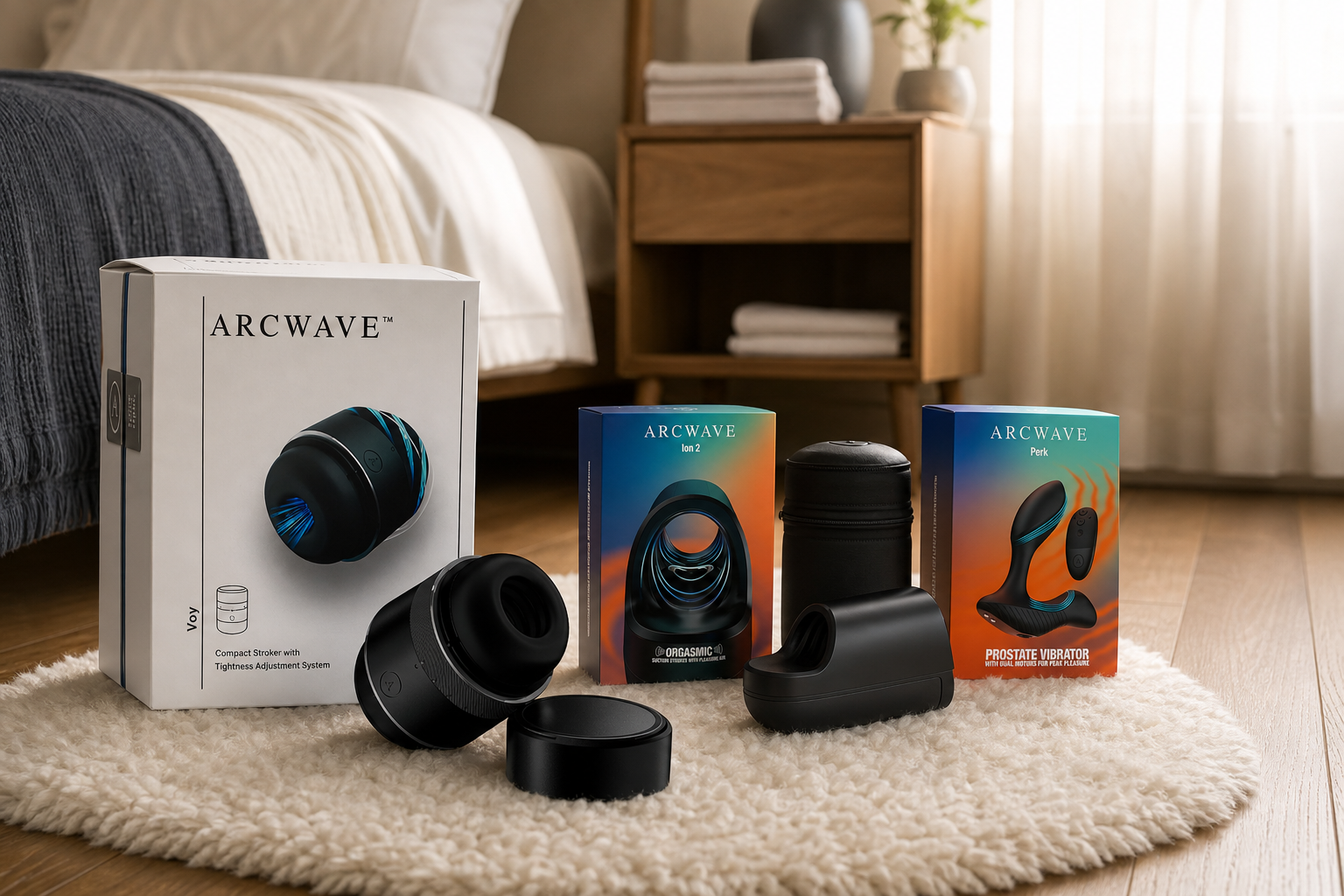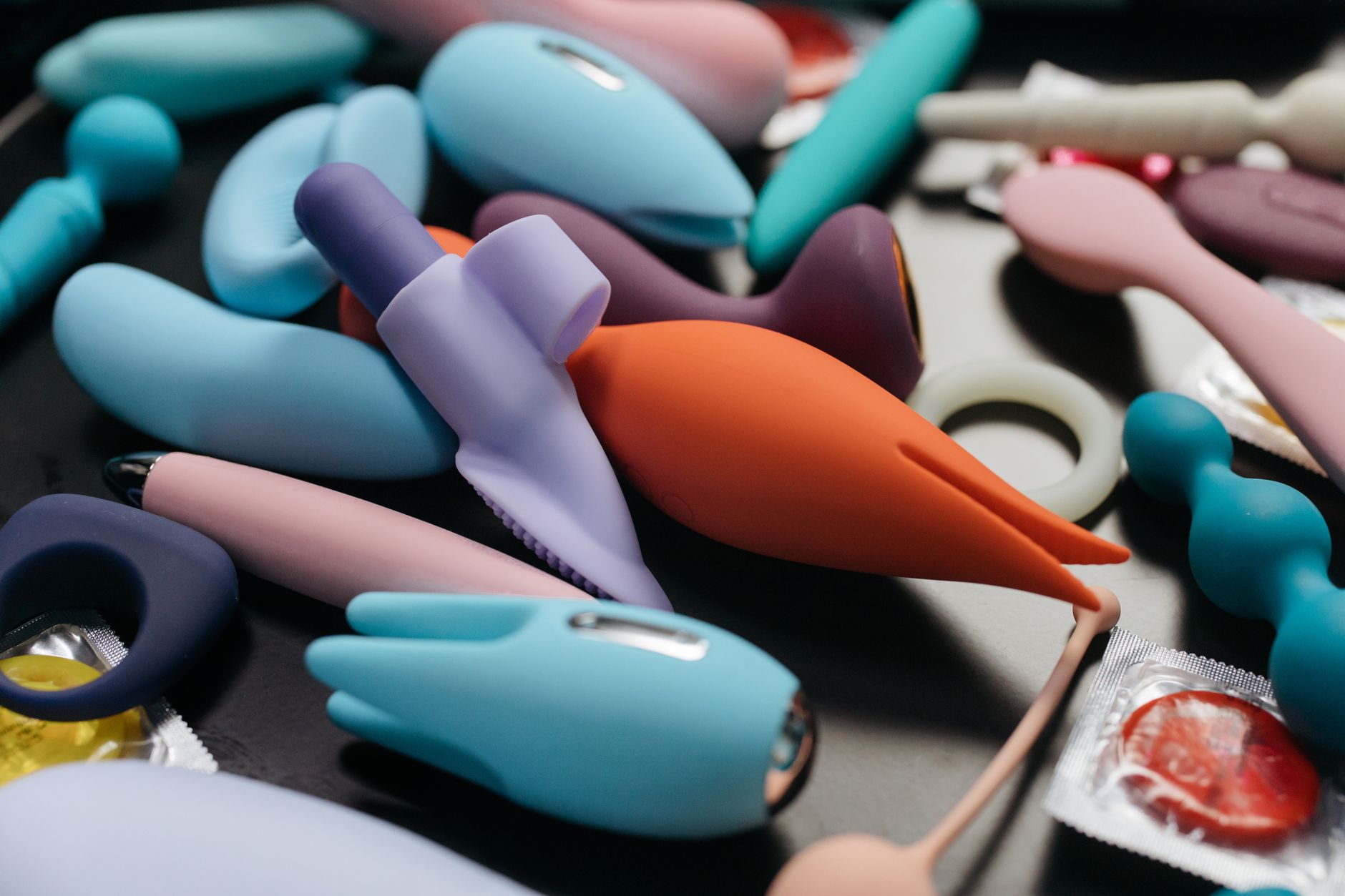
For many adults, the first step into sex toys starts with a simple question: should they go for an electric device or a manual one? On the surface the shapes can look similar, but once they are in use the experience, the level of preparation and the kind of control each type offers are quite different. Electric toys bring motors, vibration patterns and sometimes remote control, which can feel playful and high‑tech but also come with charging, waterproof ratings and noise to consider. Manual toys rely on hands and body movement, and that simplicity often feels less intimidating for someone trying toys for the first time. This article breaks down both options across situations, budget, care and privacy so readers can clarify what they want before picking a direction.
Electric sex toys: more patterns and features, with extra details to manage
Electric sex toys are built around an internal motor that creates vibration, pulsation or suction at different speeds and intensities. People who enjoy electric toys often like the way a single button press can shift from gentle to more intense patterns, which is useful once they already understand how their body responds. Common examples include vibrators, suction toys and remote‑controlled eggs, many of which are designed with ergonomic grips and easily reachable buttons so they remain practical in the middle of excitement. Because these toys depend on electronics, they also require attention to charging ports, battery life and waterproof ratings. Checking these details briefly before and after use keeps the experience smooth and reduces the chance of surprises such as a toy stopping halfway.
- Multiple vibration modes for those who enjoy variation
- Needs charging or batteries, so travel and timing should consider power
- Wide range of shapes, from solo toys to couple‑oriented designs
- Waterproof rating and material influence cleaning methods and where it can be used
Manual sex toys: intuitive control and fully body‑driven rhythm
Manual sex toys have no motor inside, so all stimulation comes from hand movements like stroking, squeezing or rotating. Typical manual toys include non‑vibrating wands, simple rings, basic masturbators and realistic molds. Many users appreciate manual toys for their reliability: they do not run out of power, make no mechanical noise and are ready to use whenever the moment feels right. This simplicity helps people focus on body cues, such as whether slow, steady stimulation feels better than short, focused sessions. For those on a tighter budget or still experimenting with different shapes, manual toys offer a way to learn about preferences with minimal financial commitment. As long as the material is clearly labeled and compatible with gentle cleansers, everyday maintenance stays straightforward.
- No power or mechanical noise, which suits shared living spaces
- Rhythm is entirely in the user’s hands, supporting mindful attention to sensations
- Often more affordable, making it easier to try multiple styles
- Simple construction means cleaning mainly depends on the material and surface texture
Budget and durability: one big purchase or small steps over time?
When it comes to cost, electric toys generally sit at a higher price point due to motors, electronics and more complex waterproof construction. For someone who knows they will use a toy regularly, investing in a well‑made electric device from a reputable brand can feel reasonable over the long term. In contrast, manual toys are more budget‑friendly and let curious users test several shapes or sizes without committing too much money to a single item. Durability also plays out differently: a manual toy made from quality silicone or body‑safe plastic often stays stable as long as it is stored away from heat and harsh cleaners, whereas electric toys need occasional checks of charging ports, seals and buttons. Noticing early signs of wear helps keep use comfortable and aligned with basic safety.
- Electric toys tend to cost more, fitting users who already know their needs
- Manual toys allow low‑risk experimentation with different shapes and textures
- Build quality and material strongly affect how long any toy remains in good condition
- Batteries and motors in electric toys may slowly age, so periodic inspection is sensible
Cleaning, care and material: what changes with electronics inside?
Cleaning routines are one of the clearest differences between electric and manual sex toys. Manual toys have no electronic components, so they can typically be rinsed under warm water with a mild cleanser that matches the material, then allowed to dry fully before storage. Silicone toys feel soft to the touch but may have grooves or textures where residue can hide, so a bit of extra attention around those areas helps. Electric toys introduce charging ports, seams and motors, which make waterproof ratings crucial: fully waterproof devices can be rinsed under running water for short periods, while toys labeled as splashproof should avoid direct water entering openings. Whatever the type, people with sensitive skin often choose toys advertised as free from added fragrance or certain additives, and may test them briefly on a small area while observing their body’s response. If discomfort or questions arise, consulting a health professional is recommended and written guides are for reference only.
- Manual toys are easier to wash thoroughly as long as the material is suitable
- Electric toys must be cleaned according to their waterproof rating to protect electronics
- Scent, surface feel and manufacturer information are practical clues about material quality
- Sensitive users can start with short sessions and monitor reactions before longer use
Usage scenarios and privacy: alone time, partner play and travel
Different situations influence whether electric or manual toys feel like the better fit. For solo time in a private room with decent sound insulation, electric toys can offer layered experiences through varied patterns and timing and may add a sense of ritual to self‑care. In shared housing or thin‑walled spaces, manual toys can reduce worries about anyone hearing mechanical sounds through doors. In partner play, remote‑controlled eggs, vibrating rings and similar electric devices introduce interaction and playfulness, allowing couples to explore settings together during foreplay or dates. Manual toys, such as wands or rings, behave more like extensions of touch, emphasizing communication and mutual comfort over automation. For travel, size and storage matter: compact electric toys that lock their buttons and small manual toys that pack discreetly are both popular options for trips.
- Electric toys suit private environments where noise is less of a concern
- Manual toys offer peace of mind in shared spaces thanks to silent operation
- Remote‑enabled devices can become part of couple games and joint exploration
- On the road, smaller toys that are easy to pack and unlikely to switch on accidentally are practical choices
New and experienced users: combining electric and manual toys wisely
Beginners often benefit from starting with one or two manual toys, using them to map out their comfort zone in terms of size, material and type of stimulation. Once they recognize what feels right, introducing a basic vibrator or compact electric toy can expand options without overwhelming them with too many settings. Many experienced users end up with a mix of both types, choosing toys according to context: an advanced vibrator or suction device for solo time, and simpler manual items for partner use where touch and communication take priority. Over time this mix can turn toys into familiar parts of intimacy rather than a rare novelty. Throughout that process, paying attention to body signals, checking in with partners and respecting personal limits helps keep experimentation aligned with emotional and physical wellbeing. Information in guides like this is meant as general orientation, and anyone with health or psychological concerns should seek advice from qualified professionals.
- Manual toys are a gentle first step, allowing users to learn at their own pace
- Adding one electric toy later gives more options without making sessions complicated
- Experienced users often sort toys by purpose, using different ones for solo and couple time
- Professional guidance is appropriate whenever questions extend beyond simple product choice
Final thoughts: start from needs, not from labels
Rather than asking whether electric or manual sex toys are objectively ‘better’, it is more helpful to ask what someone expects from their intimate moments. People who enjoy variety, tech features and experimenting with patterns may lean toward electric toys and are usually willing to manage charging and cleaning details. Those who value quiet, simplicity and full control of rhythm often feel more at ease with manual toys, especially in shared homes. Many adults eventually find a middle ground, keeping a small selection of different tools that match their moods, energy levels and relationship dynamics. By focusing on personal boundaries, material information and realistic expectations instead of marketing promises, they can turn both electric and manual toys into supportive parts of their intimate life rather than sources of stress or confusion.
FAQ
For a first sex toy, is it better to choose an electric or a manual model?
Many first‑time buyers start with a manual toy because it feels less complicated and avoids worries about noise or charging. Simple shapes in clearly labeled materials help beginners focus on how their body responds without dealing with buttons or patterns. Once they understand size and texture preferences, adding a basic electric toy can be a natural next step. The choice depends on comfort level and living situation rather than a fixed rule.
Are electric sex toys too loud to use in a shared apartment?
Noise varies widely between devices, and well‑designed toys often sound much quieter once covered by a blanket or used with background noise. People living with roommates can look for brands that highlight low‑noise motors, test new toys briefly during the day and choose times when others are unlikely to be nearby. If the idea of any mechanical sound still feels stressful, keeping one or two manual toys provides a silent alternative.
What should I pay attention to when cleaning an electric sex toy?
The waterproof rating is the key factor. Fully waterproof toys can be rinsed under running water for short periods, whereas splashproof toys should be kept away from direct water entering openings. Using lukewarm water and mild, toy‑compatible cleansers, followed by thorough drying, helps maintain both comfort and longevity. Product manuals and professional advice offer additional guidance, and written tips are intended as general information rather than medical instructions.
Can using sex toys harm a relationship or replace a partner?
Sex toys are tools, and many couples use them as a way to explore sensations, share control and start conversations about intimacy. When partners discuss boundaries and expectations in advance, toys often become part of foreplay or self‑care rather than a substitute for connection. If either person feels uneasy, talking through those feelings or seeking support from a qualified counselor can be helpful, while articles like this serve as background reading only.