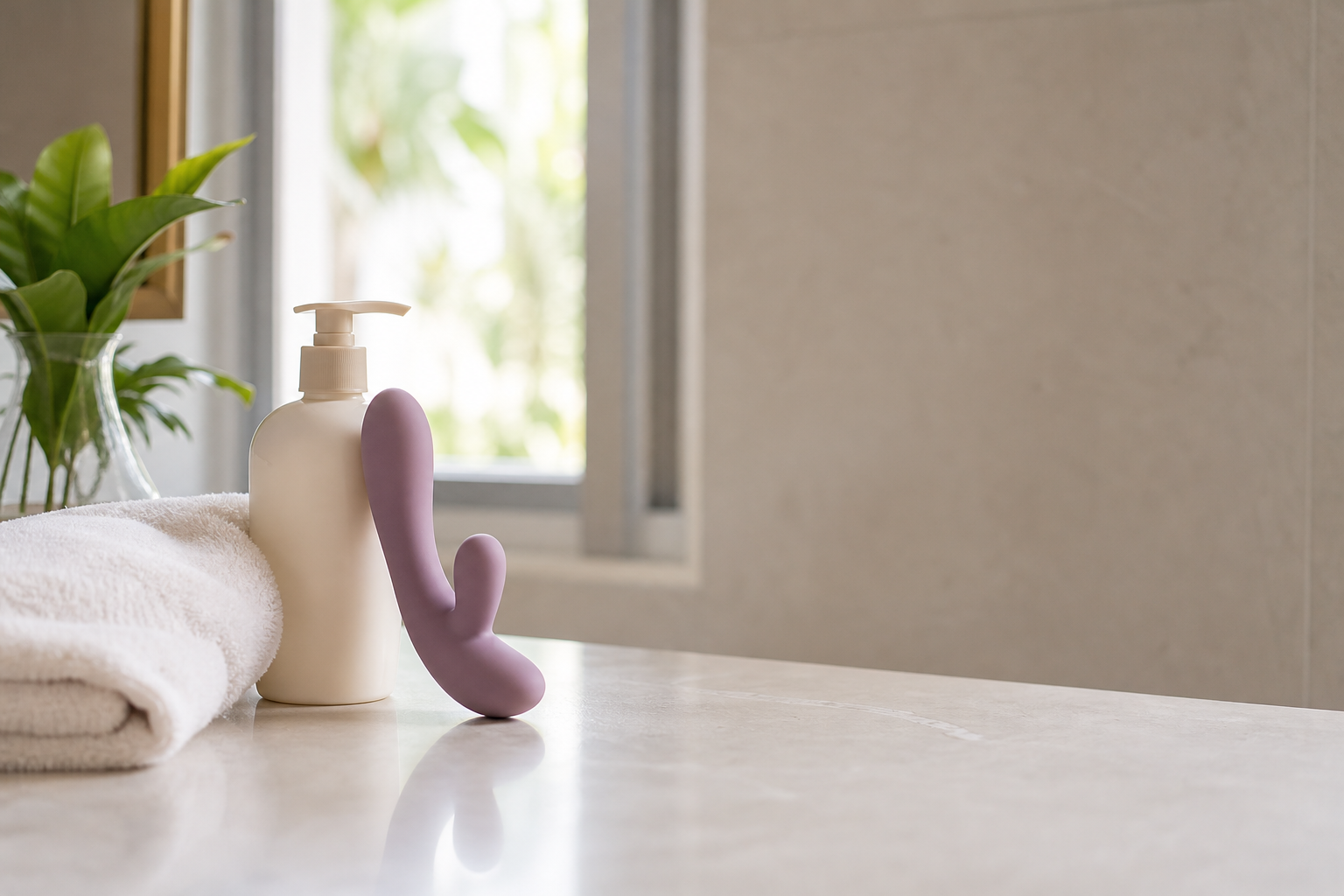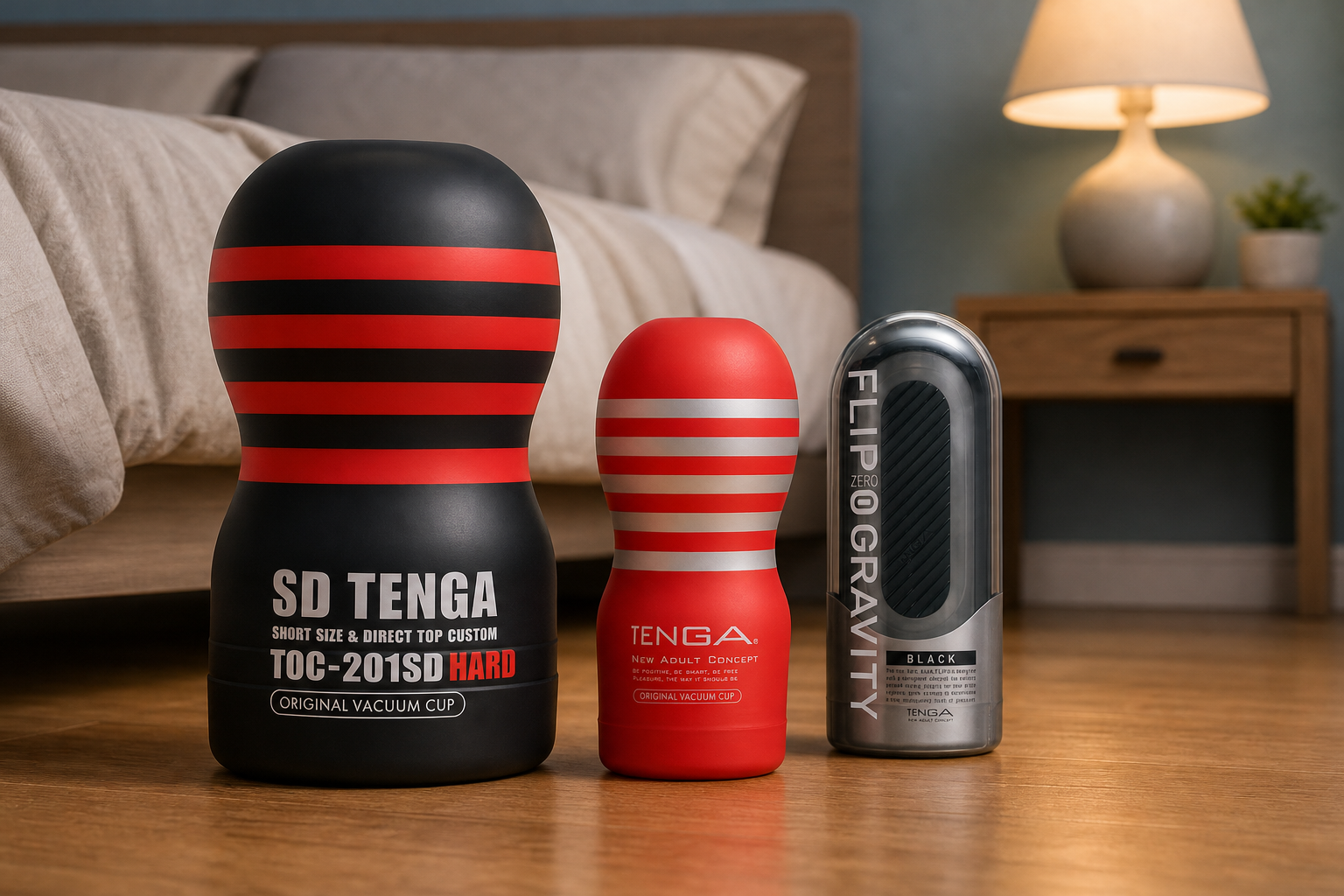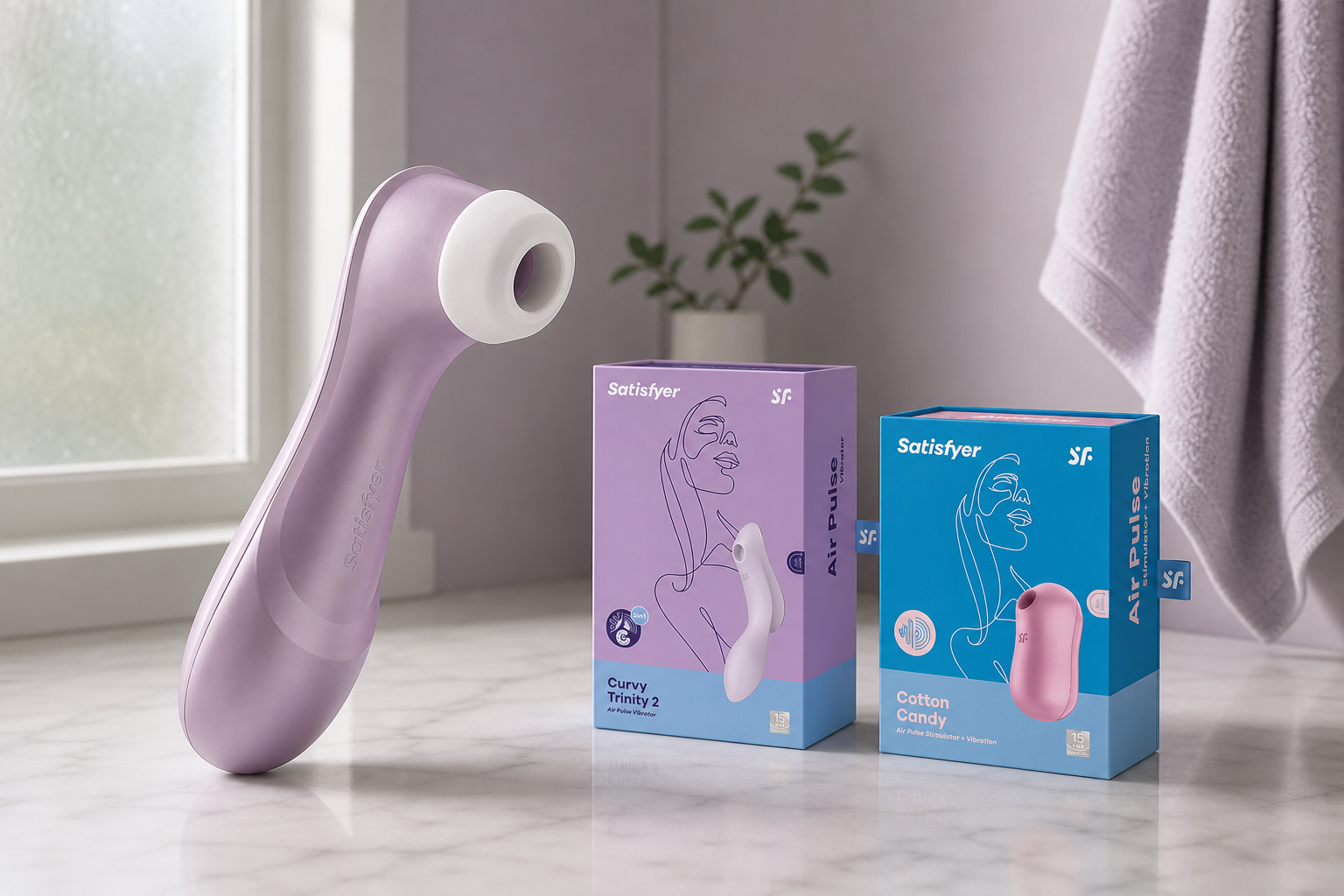
Heated sex toys have moved from niche to mainstream in many online shops and boutique stores, often marketed as a way to make silicone and plastic feel closer to body temperature. For people who dislike the initial “cold shock” of a toy, this feature can sound very appealing, yet others wonder if it is just a marketing buzzword with little real impact. In practice, heating tends to change comfort and mood more than intensity, so it is not automatically essential for every user. Someone who is temperature-sensitive or who values slow, sensory build-up may notice a clear difference, while another person focused on patterns, power or fit might barely register it. Before spending extra on heating, it helps to be honest about what usually matters most in a session: warmth, convenience, or simple, reliable stimulation.
What Does the Heating Function Actually Change?
Most standard toys made from silicone or ABS plastic feel noticeably cooler than skin, especially in air-conditioned rooms or colder climates. When they first touch the body, that temperature gap can cause a slight flinch or make it harder to relax into the sensation. Heating elements are meant to narrow this gap by gently warming the surface closer to typical skin temperature. Many users describe the difference as moving from “cold and distracting” to “neutral or pleasantly warm,” which can make it easier to stay in the moment. For some, that warmth also makes the toy feel more enveloping or lifelike, especially with internal toys or strokers that surround a larger area. However, it does not suddenly transform the toy’s motor or design; a pattern that feels too weak or too intense without heat will usually feel similar with heat, just less chilly.
Common Types of Heated Sex Toys and How They Differ
Heated vibrators and heated masturbators are the most visible categories, though small massage wands and bullet-style toys now appear with heating options as well. Many vibrators concentrate heat near the tip or along the entire shaft, so the warmed area aligns with the part of the body they are meant to touch. Strokers and sleeves often integrate heating into the inner canal or pair with a separate warming rod, aiming to avoid the “cold tunnel” sensation. Some designs place heating under the same button as vibration for simplicity, which can be convenient yet also makes it easy to switch on heat by accident and drain the battery faster. Others provide a dedicated heating button along with a light or icon, so users can see at a glance whether warmth is active. In general, the more complex the control scheme and features, the higher the price, so buyers need to decide whether that extra layer really matches how they like to play.
Temperature Limits and Safety Considerations
Most brands keep their heating ranges around typical skin temperatures, often in the high 30s to low 40s Celsius, to stay within a comfortable zone for external and internal use. Still, comfort is personal, and what feels gently warm to one person might feel too hot to someone with sensitive skin. Because of that, it is wise to start on the lowest heat setting, test the toy on the forearm or hand, and only then move to more delicate areas. Users should avoid using heat over irritated, broken or recently shaved skin, as those areas tend to react more strongly. If any part of the casing or metal detail feels unusually hot or if there is a burning smell, the toy should be switched off and set aside to cool while the user checks for damage. For persistent skin concerns or pain, guidance from a health professional is more reliable than any general online advice, including this article.
Material Differences: Silicone, Plastic and Metal Under Heat
Different materials conduct and retain heat in distinct ways, which affects how a heated toy feels in real life. Medical-grade silicone is commonly used because it is soft, skin-like and comparatively tolerant of moderate warmth, with a medium rate of heat transfer that feels gradual rather than sudden. Hard plastics like ABS may warm more quickly in some designs, creating a sharper contrast between “off” and “on” modes, especially if the tip or casing is thinner. Once metal is introduced—whether as a decorative cap or a contact point—heat can travel and cool faster, so localized warmth might feel more intense at those areas. While most products are tested to handle their own heating feature, buyers still need to respect the manufacturer’s instructions on water temperature for cleaning and storage conditions to avoid premature wear. Reading the material list and any stated temperature guidelines before purchasing is one of the simplest ways to spot a toy that matches both comfort and care preferences.
Day-to-Day Practicalities: Controls, Charging and Cleaning
Beyond the sensory appeal, heated features change how a toy fits into daily life. Many devices need a short preheating window—often a few minutes—before reaching their target warmth, which can feel like a pause in the flow if someone prefers spontaneous, grab-and-go sessions. Because the heating element draws extra power, total run time usually drops when both heat and vibration are active, so users may find themselves charging more often than with a similar non-heated toy. Cleaning also requires a bit more attention. Even when a toy is rated as waterproof, soaking it for long periods or rinsing with very hot water can be hard on the internal electronics and seals. A more cautious routine involves lukewarm water, a mild toy cleaner or gentle soap, followed by thorough drying and leaving the toy to air dry before tucking it into a pouch or case. Treating heating as a sometimes-feature rather than leaving it on by default can help extend both battery life and overall longevity.
Who Is a Good Match for a Heated Toy and Who Might Skip It?
Heated toys tend to appeal most to people who are sensitive to cold surfaces, who take longer to warm up physically, or who enjoy slowly easing into sensation with a focus on comfort. They can also be a thoughtful option for partners who want to make toys feel less clinical and more cozy during shared play, especially in cooler seasons. Users who love ritual—setting lighting, music and pacing—often appreciate the added layer of warmth as part of that atmosphere. On the other hand, someone who uses toys briefly, only on certain occasions, or mostly in a warm climate may not notice enough benefit to justify the price difference. If a person is still experimenting with basic shapes, sizes and intensities, their budget might be better spent on a well-built non-heated model first, then shifting to heated versions once they are sure temperature is a high priority. A separate warming sleeve or case can also serve as a middle-ground option for curious but cautious buyers.
How to Decide Before Spending Extra on Heating
When deciding whether a heated toy belongs in a collection, it helps to run through a few practical questions. Does current experience with toys include frustration about cold sensations at the beginning, or is temperature rarely a focus? Is there room in the budget to pay more for warmth without sacrificing build quality, motor strength or noise control? Are there reviews that mention how long the toy takes to heat, whether the warmth feels even, and how stable the device remains over time? Storage is another factor: toys that need to cool down before being put away may require a discreet, ventilated space, which can be tricky for people sharing small apartments or living with roommates. Finally, any ongoing skin conditions or health questions should be discussed with a clinician, since a generic guide cannot replace medical assessment, especially when heat and intimate areas are involved.
When the Heating Feature May Feel More Like a Hassle Than an Upgrade
Despite its appeal, heating is not universally positive, and acknowledging its downsides can prevent disappointment. In hot weather or in homes without strong cooling, extra warmth near the body can quickly shift from comforting to sticky or overwhelming, leading some users to turn the feature off most of the time. The need to wait for preheating and to pay attention to charge levels can also make sessions feel less spontaneous for people who value simplicity above all else. There are reports from some users that poorly designed heating systems feel uneven, with one side noticeably hotter than the other, or that the toy never truly reaches the advertised temperature, which can be frustrating if heating was the main reason for purchasing. For those who already own a favorite non-heated toy that fits perfectly and delivers the desired intensity, adding a new device solely for warmth may not change their routine enough to feel worthwhile.
For many adults, whether a heated sex toy is worth buying comes down to balancing comfort, time and cost. Warmth can make certain designs feel gentler and more inviting, especially in cooler rooms or for anyone who is cautious about first contact. At the same time, added features introduce extra steps for charging, cleaning and safety checks, which may not suit people who want a low-maintenance toy. The information in this article is intended as general guidance rather than personalized health advice, so anyone with specific medical questions or skin concerns is encouraged to consult a qualified professional before introducing new heat-based products into intimate routines.
FAQ
Can heated sex toys cause burns?
Most heated sex toys are designed to stay within a skin-friendly temperature range and are tested around typical body temperatures, but comfort thresholds differ from person to person. It is safer to start with the lowest heat setting, test the toy on less sensitive skin and stop immediately if any area feels too hot or uncomfortable. People with existing skin issues or conditions that affect sensation may want to be especially cautious and discuss questions with a healthcare professional before using heated toys.
Do heated toys wear out faster than regular sex toys?
Because heated toys contain additional components, such as heating elements and related wiring, there is more hardware that can gradually wear over time. Heavy use at maximum heat or repeated exposure to hot water during cleaning can stress seals and electronics, potentially shortening a toy’s lifespan. Following the manufacturer’s instructions on runtime and cleaning is one of the simplest ways to reduce this risk, and choosing brands that offer clear warranty terms can add an extra layer of reassurance.
Is a heated toy a good first sex toy for beginners?
A heated toy can be a comfortable first choice for someone who is especially sensitive to cold surfaces or who already knows that warmth is important for relaxation. However, beginners working with a tight budget may get more value from a well-made non-heated toy that prioritizes shape, size and motor quality, then decide later whether heat is worth paying extra for. Starting simple and upgrading as preferences become clearer often makes it easier to build a toy collection that truly fits individual needs.
How should heated sex toys be cleaned safely?
Heated toys should generally be cleaned with lukewarm water and a gentle toy cleaner or mild, fragrance-free soap rather than extremely hot water. Even when a device is rated as waterproof, soaking it or exposing it to very high temperatures can be hard on internal electronics. After washing, the toy should be thoroughly dried with a soft cloth and left to air dry, then stored in a clean pouch or case in a cool, discreet place away from direct sunlight.