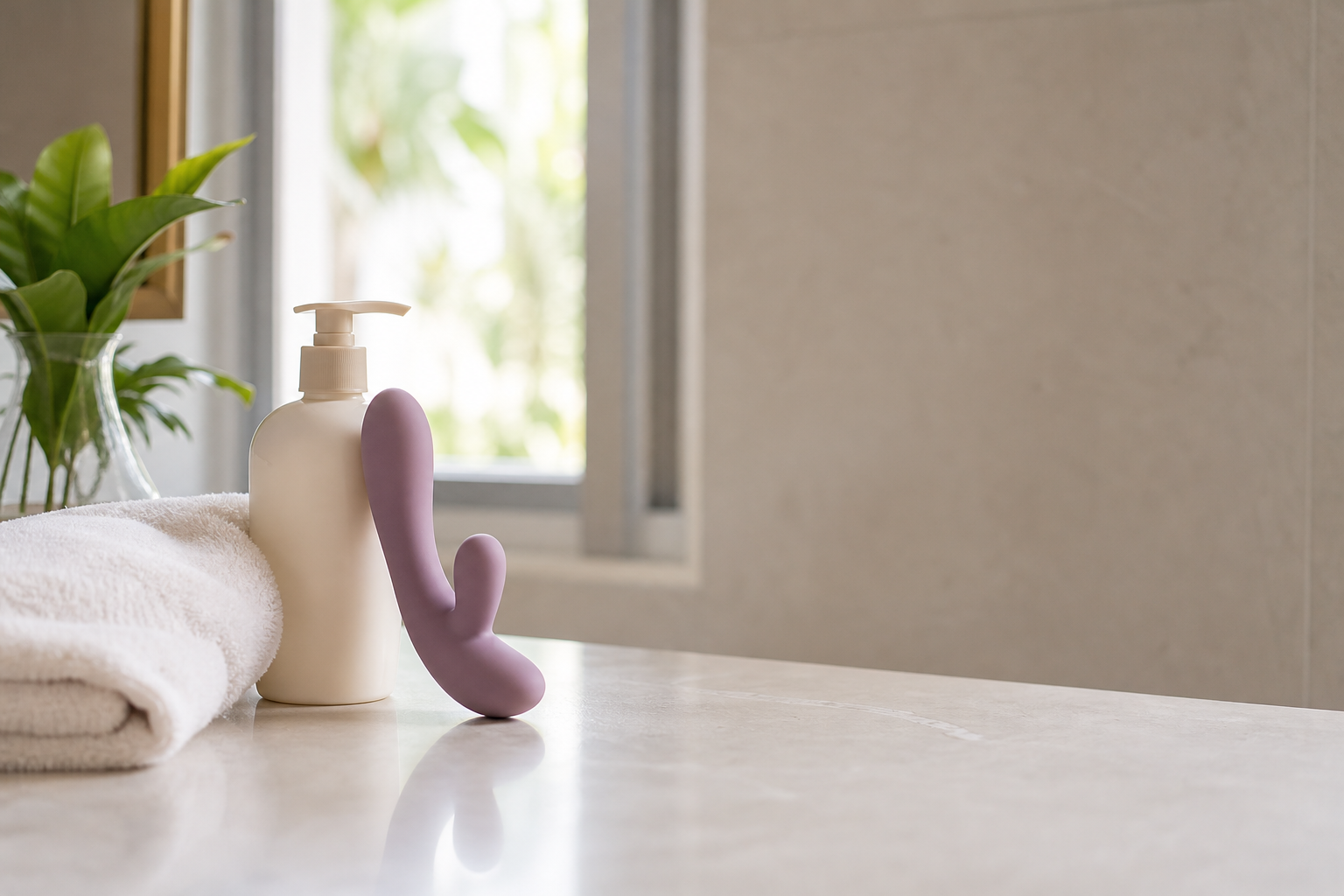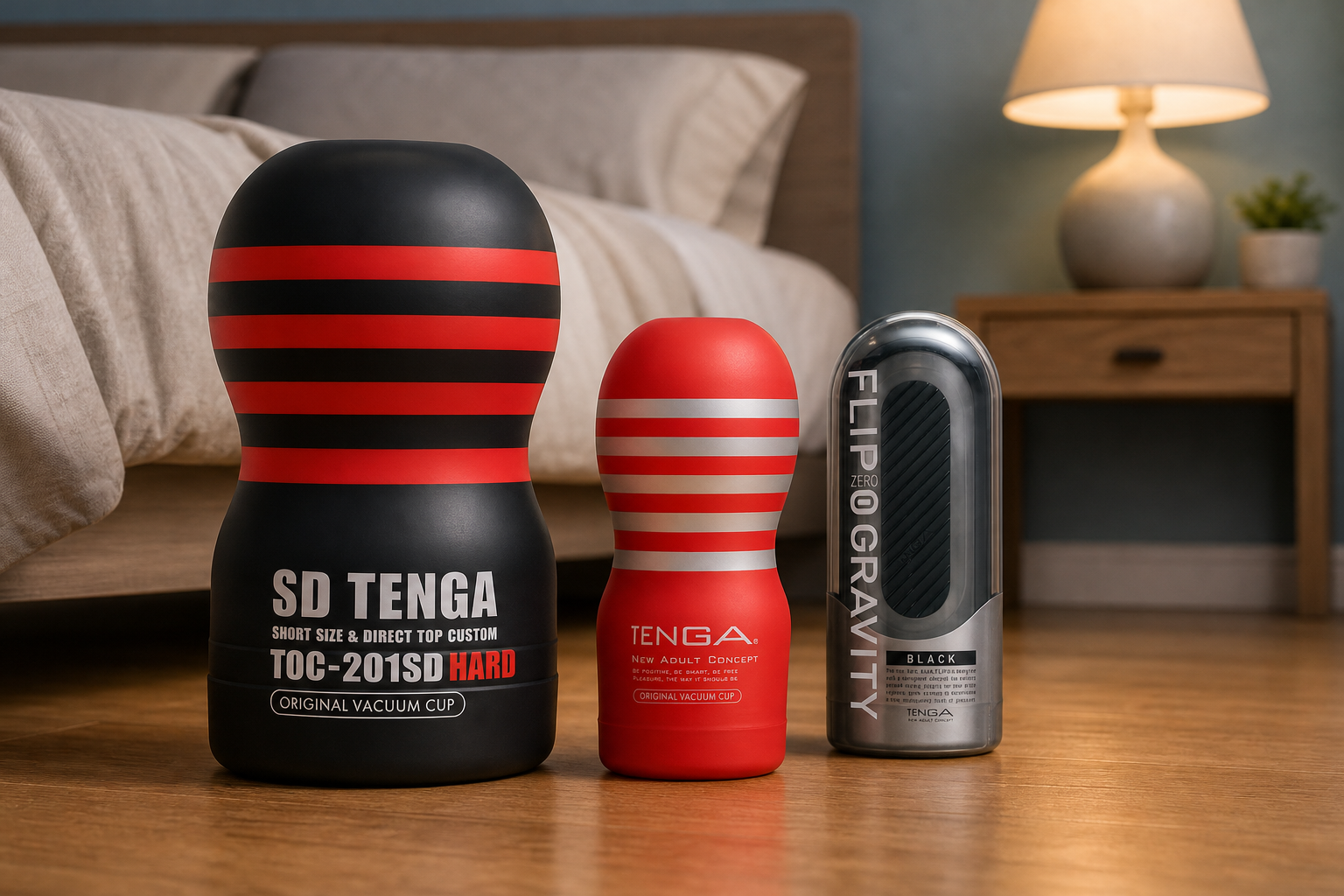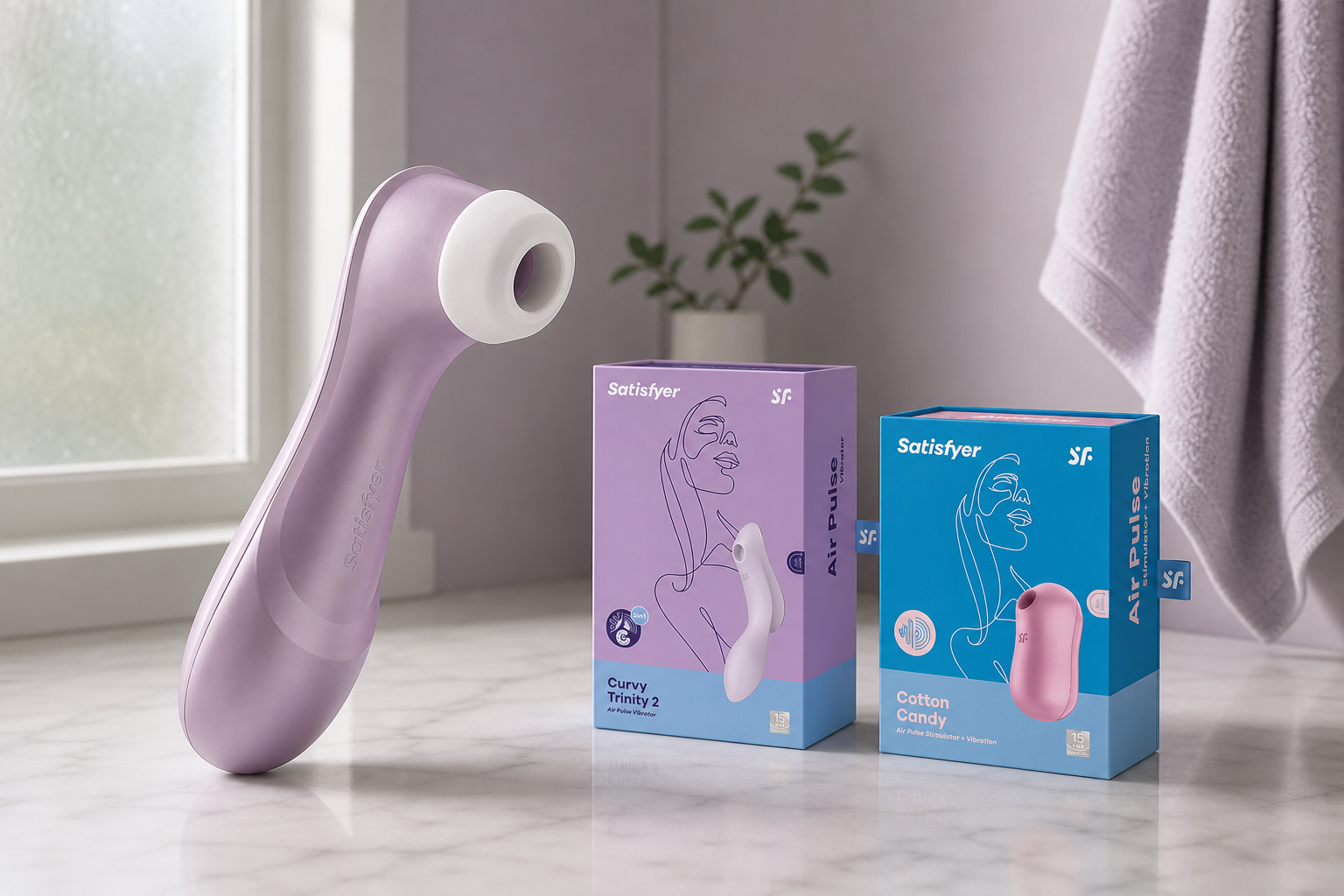
Whether someone “should” use intimate care products is not a simple yes or no, but a question about their body, lifestyle and comfort with close contact. The market now offers cleansers, water-based gels, massage oils and subtle fragrance mists, so it can feel as if everyone is supposed to add something extra to their routine. Instead of treating these items as mandatory or taboo, it helps to ask what role they play: are they meant to support day‑to‑day cleanliness, make skin feel more comfortable during touch, or simply set a mood in the bedroom? Office workers who sit for long hours, people who wear tight leggings, or couples exploring sex toys can face very different situations, and the decision to use products is best grounded in those real‑life contexts.
What counts as an intimate care product?
Before deciding for or against intimate care, it is useful to understand the main categories rather than lump everything together. One group includes daily cleansing products such as gentle washes, foaming cleansers or soft wipes designed for the groin area or inner thighs. A second group focuses on comfort and texture, including lubricating gels, light creams or massage oils used around more sensitive zones or on nearby skin. A third group is about atmosphere rather than direct contact, such as body balms, linen sprays or bedroom fragrances that create a particular mood. Each category touches the body in a different way and for a different amount of time, so the potential downsides are not the same. When people browse shelves or websites, naming their main intention first—cleanliness, comfort, or ambience—often prevents impulse buys that do not fit their needs.
Who typically considers using intimate care products?
Contrary to stereotypes, intimate care products are not reserved for highly adventurous users. Many people simply want a more thoughtful approach to everyday body care. Those who spend long stretches sitting at a desk may pay extra attention to feeling fresh and dry, while gym‑goers and dancers often think about sweat and friction from tight clothing. Some are sensitive to scent and enjoy mild fragrances that make them feel more put together during dates or shared evenings at home. Others only look into these products after buying a sex toy, then realising that cleaning and material‑compatible gels are part of the overall experience. Age, relationship status and gender can all vary; what matters is whether the product fits a concrete situation rather than an idealised image from advertising.
Core questions to ask before adding anything to your routine
Long before choosing a specific brand, it helps to check in with your own body and boundaries. People can start by asking themselves a few practical questions: Do you usually react to new lotions or perfumes with itching, redness or dryness? Which areas feel like they need more care right now—inner thighs, groin, or simply dry skin on the body in general? If a partner suggests using an oil or gel together, do you feel free to ask questions and to say no without guilt? These reflections shape how comfortable any product will feel in reality. Many stories of discomfort come from situations where someone felt rushed into trying something without clear communication, even if the product itself was harmless for others. When use is based on informed consent and mutual respect, the same items often feel more like tools for shared comfort than sources of tension.
Ingredients, materials and what sensitive skin should watch for
Because intimate care products sit close to delicate areas, ingredients and material compatibility deserve special attention. For cleansers and gels, people with reactive or dry skin usually benefit from formulas that keep fragrance levels low, avoid strong alcohols and focus on mild surfactants. When choosing lubricating gels or massage oils, it is important to consider how they interact with sex toy materials; for example, certain silicone toys may wear out faster when used with heavy oils, while many water‑based gels are more broadly compatible. Anyone with an existing skin condition or who is currently under medical care is often safer checking with a health professional before adding new intimate products. A common precaution is patch testing on a less sensitive area such as the inner forearm for several days, then only extending use if the skin remains calm. Curiosity about labels and a cautious pace tend to protect comfort better than chasing intense scents or very slick textures.
Possible concerns and downsides to keep in mind
Discussing potential benefits without acknowledging risks would present an incomplete picture. Some users experience irritation when fragrance or essential oils are too concentrated for their skin, leading to warmth, itch or redness in areas that already see friction from clothing. Over‑enthusiastic cleansing—using strong wash products many times a day—can disrupt the balance of the skin surface and make minor discomfort more noticeable. Combining products with toys without checking material guidance may shorten a toy’s usable life or change its surface feel. Scented items also carry a psychological side: for someone who dislikes noticeable perfume, a strongly scented mist can be more stressful than relaxing. On top of that, marketing sometimes implies that people are somehow “not good enough” if they do not use special intimate care, which can feed unnecessary anxiety. If discomfort lasts, or discharge and pain change in worrying ways, general information is only a starting point and direct medical advice is preferable.
Using intimate care products with a partner: communication first
Many people encounter intimate care products because a partner suggests trying massage oils, bedroom fragrances or lubricating gels together. In these moments, the product itself is secondary to how the conversation unfolds. A practical approach is to look at the bottle together, read the label, and then discuss preferences: how strong a scent is acceptable, whether an oily versus light texture feels inviting, and exactly which areas are okay for application. If one partner clearly says they do not want a particular product, listening to that boundary supports trust far more than continued persuasion. Some couples start with neutral choices, such as a mild body oil on shoulders and back, then slowly explore whether closer areas feel comfortable later. When communication is open, intimate care products can serve as optional tools that support shared relaxation rather than obligations or tests of intimacy.
When it may be wiser to pause and seek professional input
Despite all the options available, there are times when adding new intimate care products is not the priority. People who have recently undergone medical procedures or are healing from an injury generally need clear guidance from their care team before experimenting with new formulas. Sudden redness, pain, or changes in discharge or odour are also signs that professional assessment is more important than any over‑the‑counter product. Emotional state matters too: if someone is already struggling with strong insecurity about how their body looks or smells, it may be more helpful to work on self‑acceptance and to consult professionals who understand body image concerns, rather than multiplying products in the hope that they will erase those feelings. Choosing to pause and ask questions is not a failure but part of responsible self‑care, especially around intimate topics.
Making a personal, adult decision about intimate care
For readers who are still unsure, collecting thoughts in a structured way can make the choice feel less confusing. First, list concrete issues you would like to address, such as feeling sweaty in tight clothes or wanting smoother touch around certain areas; if no clear issue emerges, there may be less need to buy anything immediately. Second, review your history with skin products and adjust expectations accordingly, starting with gentle options if you tend to react easily. Third, consider trusted input from partners or friends while remembering that their routines do not have to become your routine. Intimate care products are tools, not a measure of worth, and going without them is also a valid option. Because this topic touches health and sexuality, the information here is only for adult readers and for general reference, and contacting a qualified professional remains the safest route when doubts or symptoms appear.
FAQ
Are intimate care products necessary for good hygiene?
They are not strictly necessary for everyone, and basic hygiene can often be maintained with gentle soap, water and suitable clothing choices. Intimate care products may play a role when someone has specific concerns, such as feeling uncomfortable in tight clothes or wanting a particular texture during touch, but they are optional tools rather than requirements. When health‑related doubts arise, professional medical advice is more reliable than relying only on products.
How can people with sensitive skin try intimate products more safely?
Sensitive skin users can lower risk by choosing formulas with simple ingredient lists, milder fragrances and fewer strong alcohols. Patch testing on a less delicate area like the inner forearm for several days before using the product near intimate zones is a common precaution. If there is an existing skin condition or ongoing treatment, it is wise to check with a health professional first, and treat general articles as reference rather than personalised instructions.
What should partners discuss before using intimate care products together?
Partners can start by openly sharing preferences and boundaries around scent strength, texture and application areas. Looking at the product label together and agreeing where it is and is not welcome helps prevent misunderstandings, and any clear “no” from one person should be respected without pressure. Beginning with neutral uses, such as massage on shoulders or back, can make it easier to gauge comfort levels before considering closer areas.
When is it a better idea to stop using a product and consult a professional?
If someone notices persistent redness, burning sensations, unusual discharge or pain after using an intimate care product, it is generally safer to stop using the item and arrange a medical consultation. Bringing the product and its ingredient list to the appointment can help the professional understand what was applied and offer more tailored guidance. Articles like this provide general context only and cannot replace an examination or diagnosis.