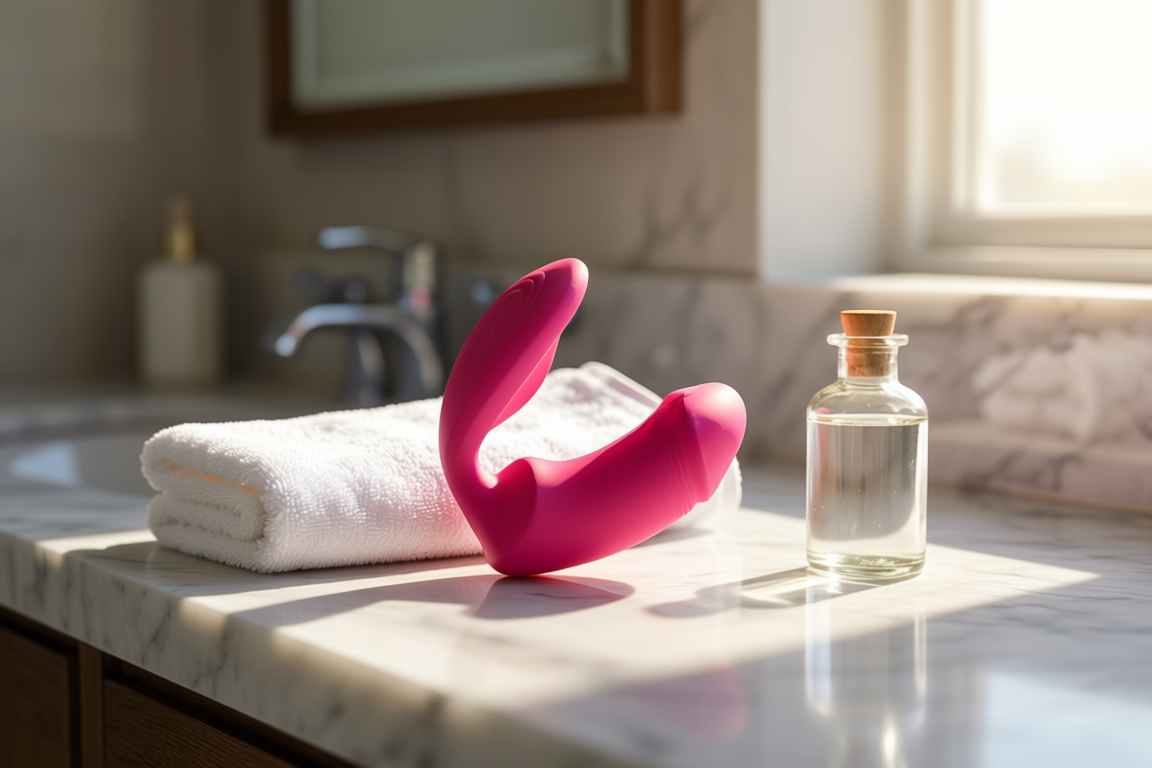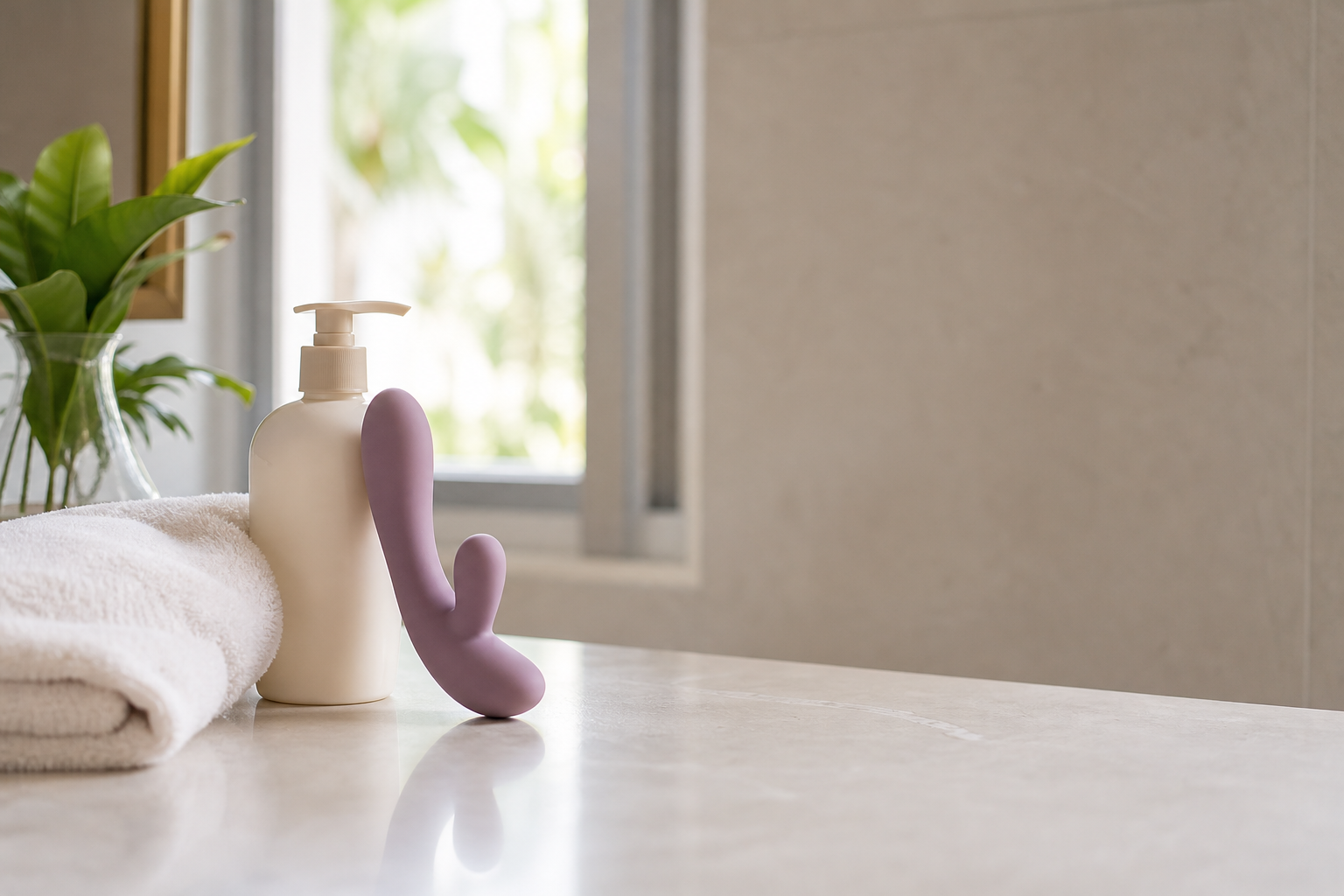
Intimate care products have become a familiar sight on drugstore shelves and online shops, yet many adults still hesitate and ask a simple question: “Do I actually need this?” For some, these items feel like a natural extension of body care, while others worry about irritation or see them as mostly marketing-driven. This article takes a practical approach: instead of pushing any brand, it looks at product types, ingredients, everyday scenarios, and personal boundaries, so readers can decide whether intimate care makes sense for their bodies and their lifestyle, rather than following every trend that passes by.
What are intimate care products really offering?
Before deciding yes or no, it helps to clarify what intimate care products are designed to do. Most of them focus on cleansing, managing odour, or changing how skin feels, such as washes, sprays, light oils, and gels. A smaller group is meant to pair with adult toys, adding glide or a certain sensory experience. Different formats touch the skin for different lengths of time, which matters when thinking about comfort and tolerance. Rinse-off products usually stay on the skin briefly, so many people feel more at ease with them, while long-lasting leave-on items call for a closer look at their formulas. Products that promise strong or lasting fragrance may rely on more perfume components, which can be too much for someone who already has sensitive skin. Understanding these categories makes it easier to judge what fits into a personal routine and what can be skipped.
Do you need them at all? Start from your own lifestyle
There is no universal rule for whether intimate care products are “necessary.” A more realistic way to decide is to examine daily life and how the body feels. Office workers who sit for long hours in tight clothing or warm spaces may be more aware of humidity and odour, and might look for gentle, refreshing cleansers. Someone who often feels chafing from underwear or sportswear may be curious about light, smooth textures to reduce friction. Others simply try a product because it appears in social media recommendations, only to find they do not notice any real benefit. If day-to-day comfort is generally good and there is no particular concern, keeping things simple with basic hygiene and breathable fabrics can be enough. Intimate care products are options, not mandatory steps that every adult must add to their routine.
Ingredients and materials: key points for sensitive users
Whenever a product is meant for intimate areas, ingredients become a central concern. People who consider themselves sensitive often look for clear labels that mention low fragrance, alcohol-free formulas, and gentle surfactants. It is useful to check whether a product lists its main ingredients and any pH information, instead of relying only on vague claims. Those with a history of skin or gynecological issues may prefer shorter ingredient lists and may test new products on a small patch of non-intimate skin first to watch for redness or itching. Some brands also highlight that their products are compatible with specific materials used in adult toys, such as silicone or latex, which is important for users who combine skincare and toys. Anyone dealing with chronic conditions or taking medication should discuss suitable cleansing and care habits with a healthcare professional, and treat online guides like this as general information rather than personalized medical advice.
Intimate care in the context of toys and relationships
For many adults, intimate care products are not just bathroom items but part of intimate moments alone or with a partner. A light oil or gel might be kept near the bed to complement a massage wand or vibrator, or someone might use a refreshing product before a date to feel more prepared and relaxed. In these situations, communication and boundaries matter as much as the formula itself. When a product is used during shared intimacy, it is respectful to tell a partner what will be applied, check whether they are comfortable with particular scents or textures, and to adjust if they are not. In solo contexts, it helps to notice whether products are truly adding comfort or simply feeding pressure to meet a certain ideal. Intimate care can support atmosphere and confidence, but it does not need to become another source of stress or self-criticism.
Balancing pros and cons instead of only reading claims
Marketing often focuses on benefits, but written reviews that also explore drawbacks tend to be more useful. For example, a cleanser might feel light and have a subtle scent, and the bottle may be easy to control, which are strengths. At the same time, the formula could feel slightly drying in winter or require more rinsing, which some users will want to know in advance. Oils and gels often bring smooth glide and pleasant texture, yet their packaging might leak if stored in a bag or spill easily when kept by the bed. Practical aspects like how messy a product can be, whether it leaves residue on towels or sheets, or how easy the bottle is to clean and store are part of the overall experience. Paying attention to both sides helps readers decide which product genuinely fits their habits, rather than choosing based only on bold promises or aesthetic branding.
When to stop using a product and seek professional advice
Whatever the product, clear signs of discomfort mean it is time to pause and reassess. Burning, stinging, marked redness, unusual discharge, or sudden changes in how the body feels are all reasons to stop using the item and avoid layering more products on top. Such reactions may relate to individual skin conditions, the ingredients, or other health factors that guides like this cannot fully explain. Instead of switching from one brand to another in hope that the issue will disappear, it is safer to speak with a healthcare professional and describe what has been used and how. People who feel compelled to rely on strong fragrance or very intense cleansing to feel “clean enough” may also benefit from looking at lifestyle elements such as clothing choices, ventilation, and schedules, rather than adding more steps. All information in this article is for general reference only and cannot replace professional evaluation or treatment.
Closing thoughts: intimate care as a choice, not a requirement
Returning to the core question, whether to use intimate care products is ultimately a personal choice. For adults who have specific concerns, understand their bodies, and select products carefully, these items can become part of a thoughtful comfort-focused routine. For those who do not feel a strong need, relying on balanced hygiene practices and paying attention to their own signals is equally valid. There is no obligation to follow every launch or trend, and it is reasonable to explore options slowly, only when curiosity or genuine discomfort appears. Respecting one’s boundaries, listening to how the body responds, and consulting professionals when needed are more important than any single bottle on a bathroom shelf.
FAQ
Do intimate care products need to be used every day?
Intimate care products do not automatically need to be part of a daily routine for everyone. The decision depends on personal comfort, lifestyle, and whether there are specific concerns such as humidity, odour, or friction. Many adults do well with simple hygiene and breathable clothing alone. Those with particular issues can adjust frequency based on product instructions and their own reactions, and should seek professional medical advice if they are unsure what routine is appropriate.
Are intimate care products suitable for sensitive skin?
Sensitive skin can sometimes tolerate intimate care products, but selection needs to be more careful. People usually look for clear ingredient lists, low fragrance, alcohol-free formulas, and gentle surfactants, and they may test new items on a small non-intimate area first. Anyone with a history of skin or gynecological problems should consider discussing suitable cleansing and care with a healthcare professional, and treat online information as general guidance rather than medical instructions.
Can intimate care products be used together with adult toys?
Many adults choose to use light oils, gels, or sprays alongside adult toys to change texture and feel. When doing so, it is important to check that the product is compatible with the toy’s material, such as silicone or latex, by reading both labels carefully. Using a small amount at first and observing any changes to the toy surface or personal comfort can help identify whether a combination is appropriate. If there is any doubt, choosing products labelled as suitable for use with toys is a cautious approach.
What should I do if I feel burning or redness after using an intimate care product?
If burning, stinging, marked redness, or unusual discharge occurs after using an intimate care product, it is advisable to stop using it immediately and rinse gently with clean water. Continuing or layering new products may worsen irritation or mask underlying issues. These reactions can have different causes that online guides cannot diagnose, so contacting a healthcare professional to describe the symptoms and recent product use is a safer way to understand what is happening and how to proceed.