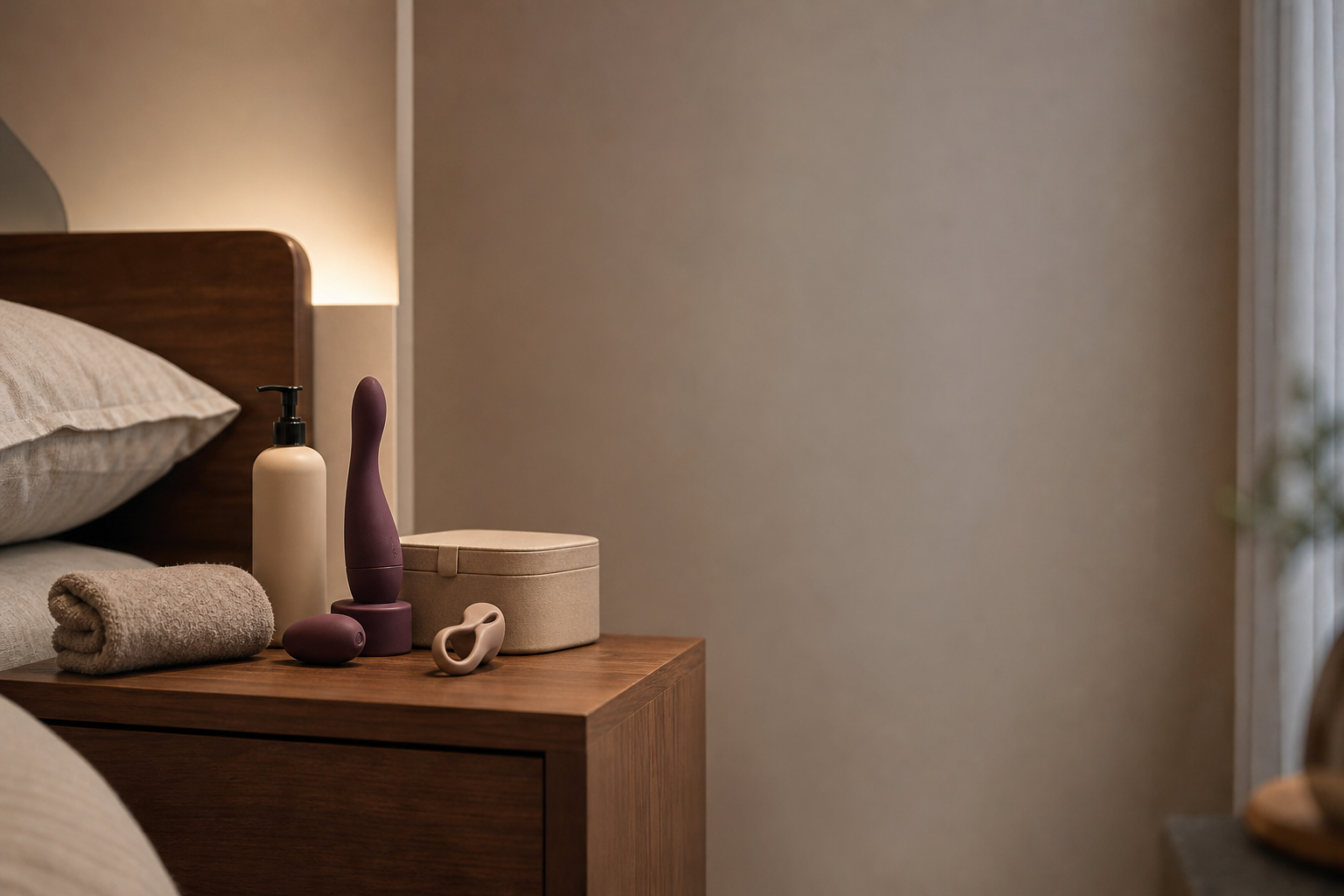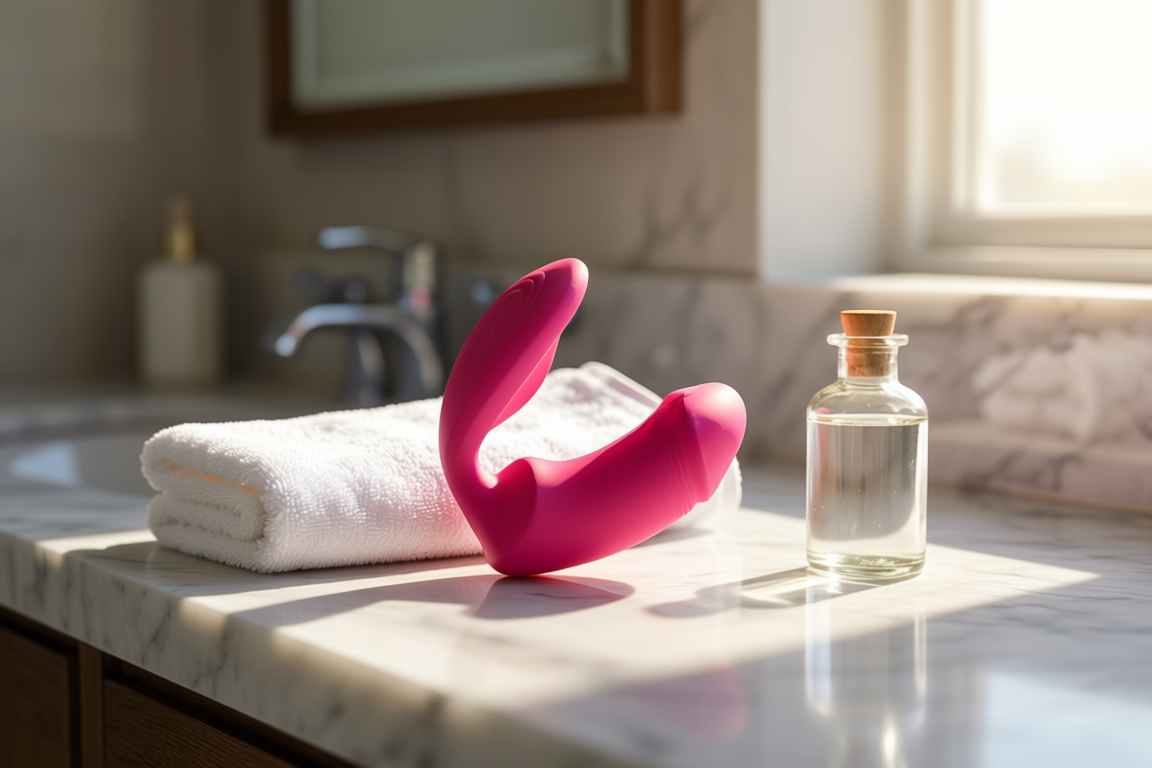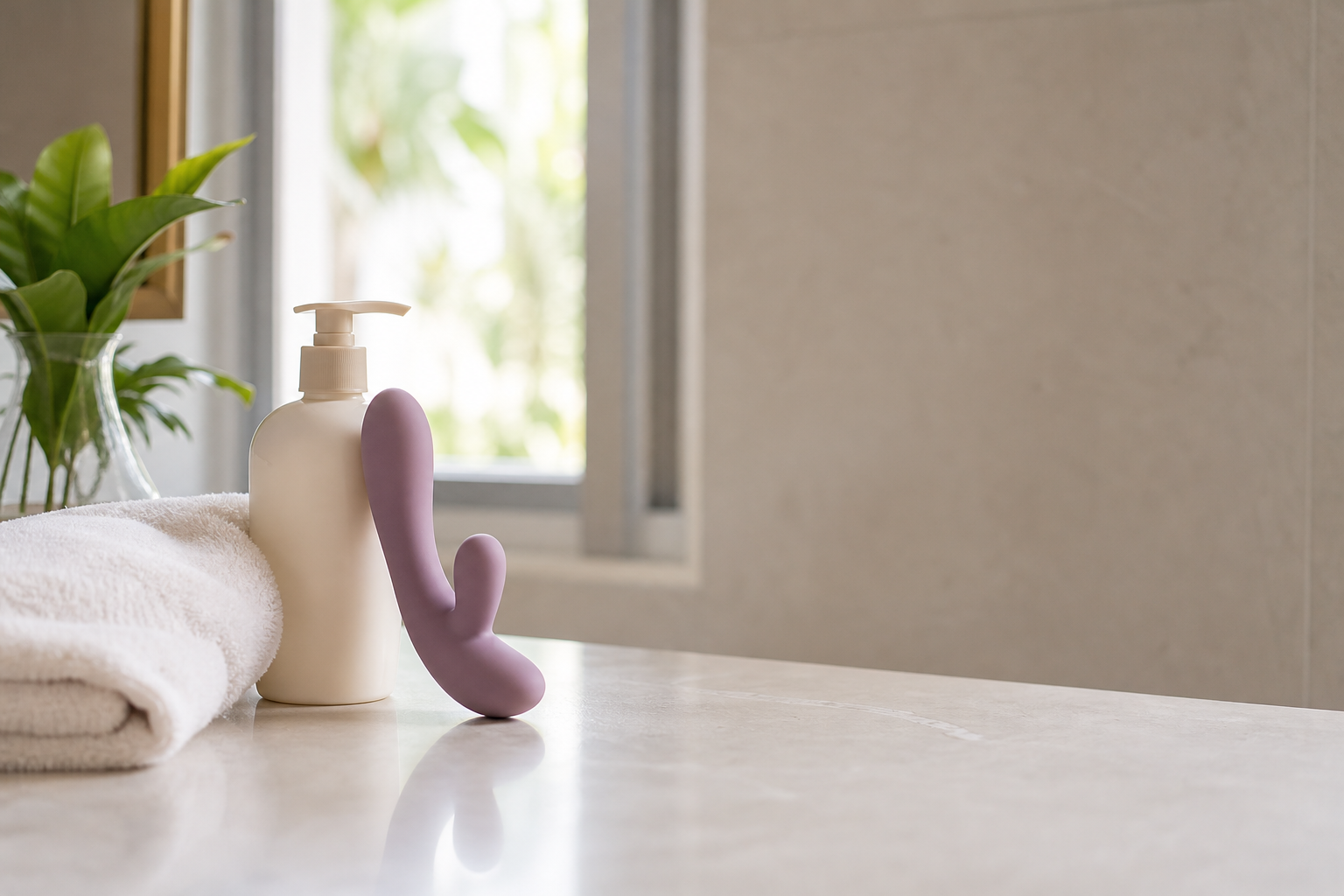
For adults who share walls, roommates or family space, the sound of a sex toy often matters as much as its design. A buzzing motor in a quiet apartment can trigger worry about who might hear, even if the toy itself is small and subtle. Many products advertise themselves as quiet, yet spec sheets rarely explain what that means in real life, and user experiences can differ from marketing claims. This article focuses specifically on sound: how motors, materials and room acoustics shape noise, how to interpret specs, and what kinds of toys tend to stay more discreet, so noise‑sensitive readers can choose with less anxiety.
Why toy noise feels stressful: typical home scenarios
When people first consider buying a sex toy, they often prioritise price, functions and aesthetics, only to realise after the first use that the noise matters too. In shared apartments, college dorms or houses with kids around, a mechanical buzz late at night can feel more exposing than the toy itself. Some are worried about roommates guessing what they are doing, others simply do not want to invite awkward questions from family members. Thin walls, wooden floors and echo‑y rooms amplify that concern. Understanding one’s living situation is the starting point: a sound that feels acceptable in a busy living room may feel much more noticeable in a silent bedroom at midnight. Quiet toys are less about “no sound at all” and more about keeping noise within a level that fits the household.
The heart of quiet design: motor construction and vibration patterns
Most of a toy’s audible sound comes from its internal motor and how that motor is mounted. High‑frequency, whiny vibrations are easier to hear through doors and walls, even if the overall volume is moderate. Toys marketed as quiet often use better housing around the motor, securing it firmly so less vibration travels to the outer shell. Smaller bullet vibrators and compact wands can be relatively quiet because their motors are small and tightly enclosed, but if the casing is thin or the seams are loose, noise still leaks out. When browsing, it helps to look beyond claims like “super silent” and check whether the brand mentions decibel ranges, motor type or quiet engineering. User reviews describing the sound as a “hum” rather than a “loud buzz” can also give useful clues.
How materials and shapes affect noise: silicone vs hard plastic and metal
The outer material of a toy plays a big role in how sound is transmitted and perceived. Soft, fully coated silicone tends to absorb vibration and reduce resonance, so the same motor will usually feel quieter in a thick silicone shell than in hard plastic. Hard plastic and metal can look sleek and are easy to wipe clean, but they often act like little speaker boxes, turning internal vibration into sharper mechanical noise. Shape matters as well: slim bodies with hollow spaces can amplify sound, while compact, solid designs offer fewer cavities for noise to bounce around. When choosing toys with quiet use in mind, it is sensible to favour more substantial silicone coating, fewer seams and designs that feel dense rather than hollow when held in the hand.
Room setup and simple tricks to keep play discreet
Even a well‑designed toy will sound different depending on where and how it is used. Bathrooms, for instance, naturally have running water, fans and tiled surfaces that create background noise, which can make a toy’s hum less noticeable to others in the home. Bedrooms can be adjusted too: closing doors and windows, playing low music or white noise and avoiding direct contact between the toy and hard surfaces will all reduce what leaks out. Letting the toy rest on a mattress, soft blanket or in the hand rather than on a wooden desk helps to damp vibration that might travel through furniture. These small adjustments do not erase sound, but they shift it into a range that blends with everyday household noise, which is often what noise‑sensitive users are looking for.
Reading specs and reviews: decibels, intensity levels and charging style
For those who care deeply about noise, certain specs are worth more attention than others. Decibel ratings, when provided, give a rough idea of loudness, though methods vary between brands and are not perfectly comparable. Vibrators with many intensity levels and patterns can sound different on each setting, so a toy that feels quiet on low might be noticeably sharper on high. Reviews that mention specific modes being louder are helpful when deciding how one would realistically use the toy. Modern USB‑rechargeable models typically avoid the extra mechanical noise that can come from older plug‑in wands and their power packs, making them easier to keep discreet. Waterproof designs also open up the option of bathroom use, which some adults prefer for privacy and easier cleanup.
Common quiet‑leaning options: bullets, clitoral toys and massage wands
Looking at categories rather than single products can make the search less overwhelming. Many users describe small bullet vibrators and compact clitoral stimulators with thick silicone shells as comparatively quiet, especially on low to medium settings. Air‑pulse or suction toys vary widely: some are praised for a gentle pulsing sound, while others can produce distinct pump‑like noise at higher levels, so checking detailed reviews or demonstration videos is useful. Larger full‑body massage wands generally make more noise, but they also resemble mainstream wellness devices such as back massagers, which can feel easier to explain if anyone does hear them. Instead of chasing one “quietest ever” device, it is often more realistic to match toy type to home context and comfort with possible questions.
Care, wear and changing noise over time
A toy’s sound profile is not fixed for its entire life. Over time, heavy use, accidental drops or water exposure can alter how the motor sits in its housing. Some users notice that a toy which once felt smooth and soft in its vibration becomes rougher and louder months later. Gentle cleaning with appropriate products and avoiding very hot water help preserve material integrity so the shell continues to absorb vibration well. Storing toys in padded pouches rather than loose in a drawer with hard objects reduces the chance of knocks that might loosen internal parts. If a toy suddenly starts making unusual rattling sounds, feels inconsistent or seems hotter than before, that can be a sign to reassess how often it is used and consider replacement for safety and comfort reasons.
Privacy, age awareness and seeking professional advice
Quiet toys can reduce social stress, yet privacy also involves how items are stored and who has access to them. Keeping toys in non‑transparent storage, higher shelves or locked boxes can help ensure that children or unintended viewers do not encounter them. Sex toys are intended for adults, and households with teens or younger children may wish to set clear boundaries around personal spaces. When noise concerns overlap with sexual wellbeing, mental health or relationship dynamics, information in guides like this is for general understanding only and not a substitute for personalised advice. Consulting a healthcare professional, therapist or counsellor can be valuable if questions feel complex or emotionally charged, while quiet‑focused toy choices simply form one practical part of a larger conversation about comfort and consent.
FAQ
Can my roommates hear my sex toy through thin apartment walls?
In many older or thin‑walled buildings, mechanical noises such as vibrating motors can travel more easily, especially late at night when overall background sound is low. Whether a specific toy will be heard depends on volume, frequency, wall construction and what else is happening in the home. Choosing smaller, silicone‑coated toys, using lower settings and adding ambient noise like music or a fan are practical ways to reduce what carries beyond the room.
Are decibel ratings for quiet toys reliable enough to base a purchase on?
Decibel ratings provide a useful rough guide, but they are not a perfect standard because brands may test at different distances, angles and in different rooms. It is safer to treat these numbers as one data point among several. User reviews that describe sound quality, comments on specific modes and notes about how a toy feels in small spaces can offer more context, especially for buyers who are highly sensitive to noise.
Why did my vibrator get louder after a few months of use?
Changes in noise over time often reflect wear, minor impacts or moisture affecting how the motor sits inside the casing. As parts loosen or materials age, vibration can translate into more rattling or resonance. This does not automatically mean the toy is unusable, but it is worth checking for other changes such as unusual heat, inconsistent power or visible damage, and then deciding whether reduced use or replacement feels safer and more comfortable.
Is using a sex toy in the bathroom really more discreet than in the bedroom?
Bathrooms typically have running water, fans and harder surfaces that create natural background noise, which can make toy sounds less distinct to others in the home. For some adults, this feels more discreet than using a toy in a very quiet bedroom. At the same time, it remains important to pay attention to waterproof ratings, slip risks and storage habits, so that privacy and physical safety are both considered in the choice of location.