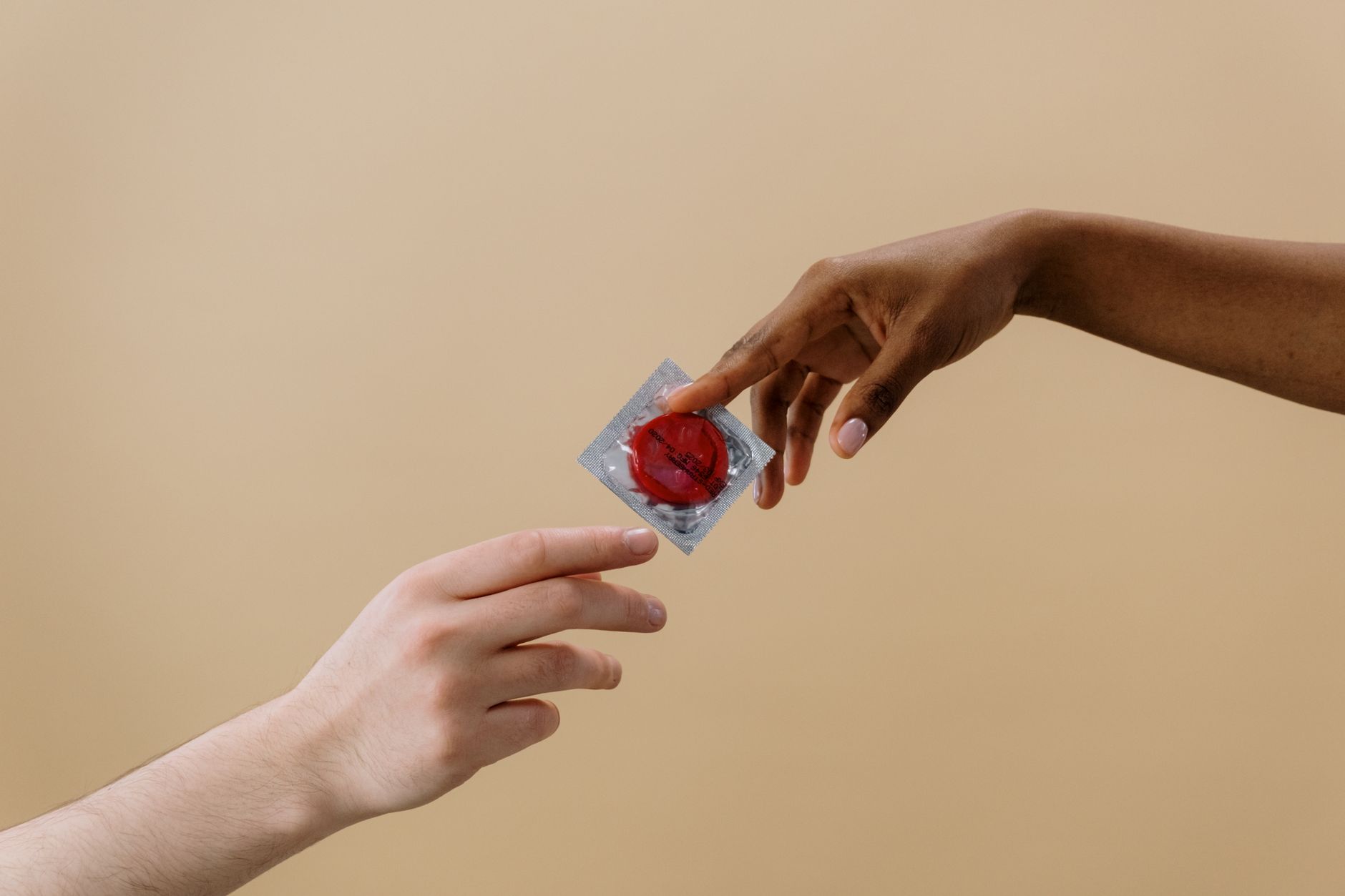
When people hear the phrase “safe sex,” many immediately think of condoms, but real safety covers far more than one item of protection. Safe sex is about how partners communicate, how clearly they agree on what will happen, and how they care for each other’s health before and after intimacy. It involves understanding STI risk, making deliberate choices about contraception, knowing where and when to get tested, and noticing how everyone actually feels during and after sex. For adults who did not receive comprehensive sex education, it can feel awkward to bring these topics up, yet that discomfort is exactly why a clear, practical guide is useful. This article walks through the foundations of safe sex: consent and boundaries, risk awareness, condom and lubricant basics, screening, and thoughtful aftercare.
Consent and boundaries: the foundation of safe sex
No sex is truly safe if everyone involved has not clearly chosen it. Consent means each person is sober enough to decide, understands what is happening, and can say yes or no without pressure. It is not a vague “go along,” nor is it silence; it is an active agreement that can change at any moment. Healthy boundaries cover more than the decision to have sex at all; they also include which acts feel acceptable, whether condoms are non‑negotiable, and what kind of emotional closeness is comfortable. Many people worry that saying “this is too fast for me” or “I only feel okay if we use condoms every time” will kill the mood, but partners who are genuinely respectful usually appreciate this clarity. Treating consent as an ongoing conversation, not a one‑time checkbox, creates room to adjust pace, stop when something feels off, and return to intimacy when everyone feels ready.
Contraception and STI risk: looking beyond appearances
Relying on someone’s appearance or lifestyle story to guess their STI status is unreliable, because several common infections can be present without obvious symptoms. Instead of guessing, safe sex treats STI risk and contraception as practical topics to talk about early, ideally before things become very intimate. Contraceptive options include condoms, hormonal methods such as pills or patches, and devices like intrauterine systems; each has its own pros, limitations, and side effects, so medical advice is useful when choosing. STI risk is shaped by factors such as number of partners, whether sex is condom‑protected, and whether needles or drug equipment are shared. Some couples agree to regular testing as part of their relationship maintenance, and they also discuss what changes in behavior would prompt extra screening. Approaching this like routine health care, rather than a moral judgment, makes the conversation more manageable and honest.
Choosing and using condoms correctly
Condoms remain a central tool in safe sex because they reduce the chance of pregnancy and lower the risk of many STIs when used properly. Choosing a condom involves more than grabbing the first box on the shelf; size, material, and texture all matter. Latex is common, but non‑latex options exist for those with sensitivity or allergies, and condoms come in a range of widths and fits. Using a condom correctly starts before any genital contact, not halfway through. Key points include checking the expiry date and packaging, opening the wrapper without sharp objects, pinching the tip to leave space, and rolling it on all the way to the base. After sex, it should be held at the base while withdrawing, then tied and disposed of in a bin rather than a toilet. Breakage or slippage is often linked to the wrong size, insufficient lubrication, or incompatible products, not simply bad luck, so paying attention to those details makes a real difference.
Lubricants and toys: friction, comfort, and material compatibility
Lubricant is sometimes seen as something only people with specific issues “need,” yet in practice it often makes intimacy more comfortable for everyone. Friction can increase when people are nervous, when sessions are longer, or when certain kinds of sex, like anal play, are involved, and a suitable lubricant can reduce discomfort in those situations. Water‑based products are generally compatible with condoms and most sex toys and are easy to clean, while silicone‑based versions tend to last longer on the skin but may not be ideal with all silicone toys. Reading ingredient lists and doing a small patch test can help those with sensitive skin notice any reaction early. When toys are part of sex, checking their material and the manufacturer’s recommendations on which lubricants are safe helps protect both the toy and the user. Thoughtful use of lubricant is less about creating a glamorous image of sex and more about allowing partners to focus on connection instead of irritation.
STI screening and medical advice as routine care
STI testing is often surrounded by fear and stigma, yet asking for a test can be seen as a sign of responsibility rather than suspicion. Moments to consider screening include after unprotected sex, before starting a new sexual relationship, or when any unusual symptoms such as pain, discharge, or sores appear. Clinics, sexual health services, and some community organizations offer confidential or anonymous testing; staff there are accustomed to sensitive questions and can explain which tests are appropriate and when they should be done. If an infection is diagnosed, following the treatment plan fully and returning for follow‑up as advised matters more than trying to handle things alone. The information in general guides like this one is for education and does not replace personalized medical care, so anyone with concerns should speak with a qualified health professional who can assess individual risk and recommend specific steps.
Aftercare and conversation once the sex is over
Safe sex does not end the moment physical activity stops. What happens afterward, both physically and emotionally, can influence how safe the experience feels in hindsight. On the physical side, many people prefer to wash with warm water, change into dry clothes, and check that condoms or other items were removed and discarded properly; toys, if used, should be cleaned according to their material and allowed to dry before storage. Emotionally, partners often process what just happened only after the intensity fades, which makes gentle check‑ins useful. Simple questions such as “Was there anything you did not enjoy?” or “Is there something you would change next time?” invite honest feedback without turning the moment into an interrogation. If someone later notices persistent discomfort, unusual symptoms, or emotional distress, reaching out for medical or psychological support can prevent worries from building up silently. Educational content can point to options, but it cannot diagnose, so professional advice remains important.
Turning safety into shared habits instead of pressure
When safety is treated as a burden, partners may feel tempted to skip steps or avoid awkward conversations. When it is framed as a shared habit that protects everyone’s health and dignity, it becomes easier to integrate into everyday life. This includes agreeing on condom use and testing schedules, knowing in advance how you would respond to a condom breaking, and being honest about changes in partners or behaviors that affect risk. Safe sex also means allowing room for different comfort levels and not shaming someone who prefers more cautious practices. Guides like this one provide general principles only; they cannot account for every medical or legal situation. For decisions about contraception, STI treatment, or emotional well‑being, consulting licensed professionals is recommended so that care plans are tailored to real‑world needs rather than assumptions or online stories.
FAQ
If partners are in a long‑term relationship, do they still need condoms?
Whether long‑term partners use condoms depends on more than the length of the relationship; it involves their agreements about exclusivity, pregnancy plans, and STI testing. Some couples switch to another form of contraception after they have both been tested and have discussed their expectations about other partners. Others keep using condoms because they prefer having that extra layer of protection. Talking openly and revisiting the decision over time matters more than assuming the answer is obvious.
How can someone bring up safe sex without making things awkward?
Linking the conversation to mutual care often helps, such as saying “I feel more relaxed when we talk about protection before things happen.” Some people find it easier to start by texting or sharing an article and asking what the other person thinks. Being specific about needs, like always using condoms or wanting STI tests before going without them, keeps the focus on safety rather than criticism. Awkwardness usually fades as both people realize the goal is to look after each other.
Is lubricant only for people who have a problem with arousal?
No, lubricant is simply a tool to reduce friction and increase comfort, and there are many reasons someone might choose to use it. Stress, medications, the length or type of sex, and even room temperature can affect natural wetness. Using lube does not say anything negative about anyone’s desire; it can make sex gentler on the body and sometimes helps partners slow down and pay attention to how each other feels.
What should someone do if they are worried about STI exposure?
If there has been sex without the kind of protection that was planned, or if new symptoms appear, it is sensible to contact a sexual health clinic or other medical provider promptly. Staff can advise on which tests are appropriate, when they should be done, and whether any urgent steps are needed. In the meantime, people may choose to avoid new unprotected encounters until they have more information. Educational resources can guide the questions to ask, but only a professional can provide a diagnosis or tailored treatment plan.