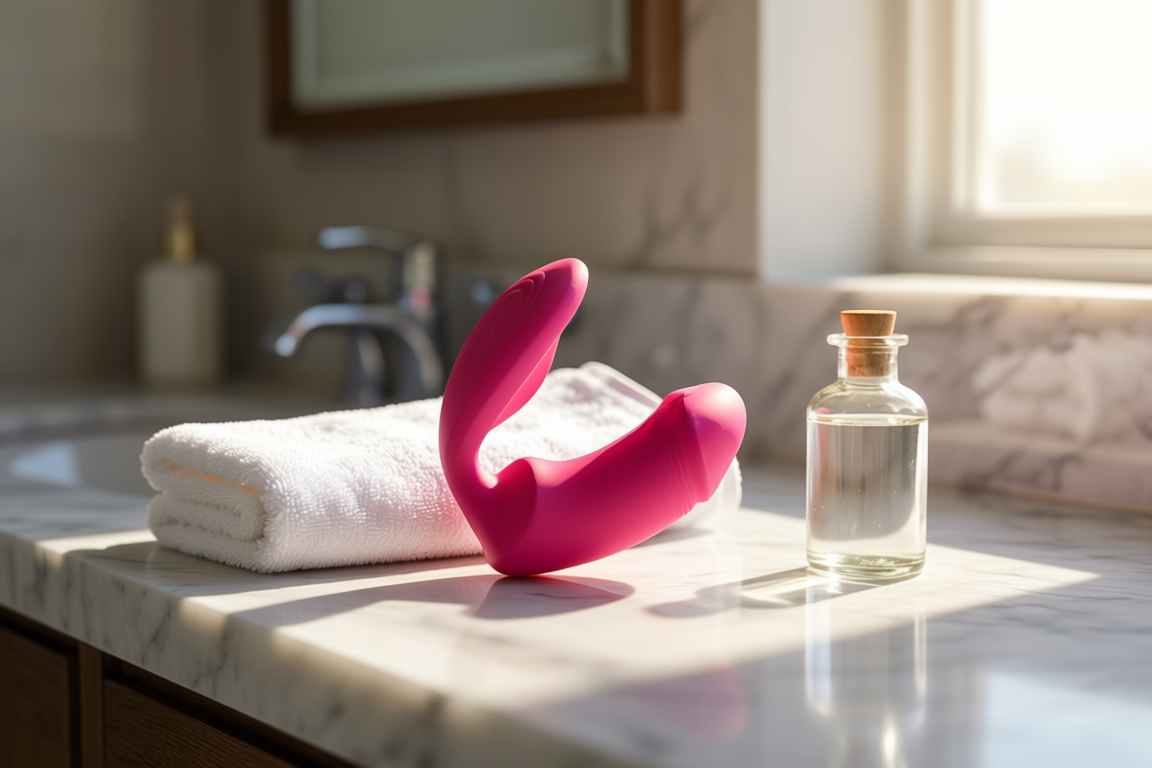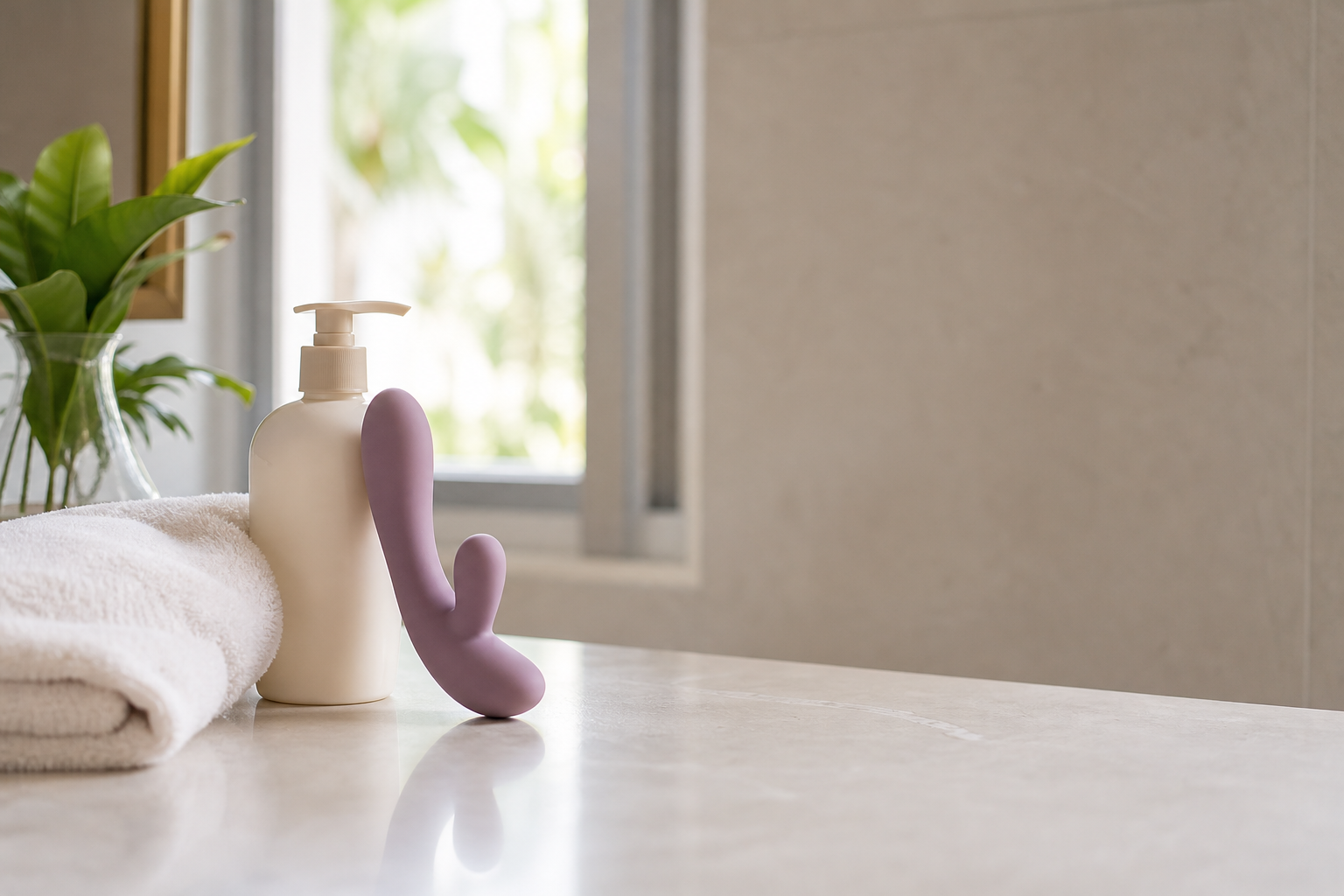
For many adults, the first question that comes with a new sex toy is not how strong it feels, but whether it will cause irritation or an allergic reaction. Any redness, itching, or burning around the genitals can be worrying, especially when the topic already feels private or awkward. In reality, most discomfort linked to sex toys is related to material choices, lube ingredients, cleaning habits, and the way toys are used, rather than the mere fact of using a toy. Understanding the difference between mild irritation and a more serious allergy makes it easier to respond calmly, pause when needed, and decide when a doctor’s opinion is appropriate. Medical decisions should still be made with a qualified professional, and information in this article is meant as general education only.
What does a sex toy allergy actually mean?
When people hear the word allergy, they may picture dramatic reactions, but sex-toy-related problems are often local skin or mucosal responses. Typical scenarios include a new vibrator leaving the vulva itchy, a sleeve causing red spots on the penis, or a lingering stinging sensation after a long session. Sometimes this is simple irritation from friction or dryness, while in other cases the immune system is reacting to a particular material, dye, fragrance, or preservative. Allergic reactions can range from mild redness to more intense swelling and rash, and in rare situations they may be part of a broader reaction that affects other areas. Knowing your history with latex gloves, condoms, fragrances, or metals such as nickel can offer clues about your personal risk, but even without a known history, it is worth paying close attention to how your skin responds over time.
Common triggers: from materials to hidden residues
Several layers of factors can combine to trigger discomfort during or after toy use. The base material is one piece of the puzzle: medical-grade silicone, hard plastic, metals, glass, latex, and various soft composite blends all behave differently on the skin. Low-cost toys or unlabelled products might contain plasticizers, intense dyes, or perfume-like scents that make them more likely to bother sensitive users. Another underappreciated factor is residue; if a toy is not rinsed well after cleaning, leftover soap, alcohol-based sprays, or strong detergents can sit on the surface and irritate delicate tissue. Lubes, massage oils, and other products introduced in the same session add further variables. When several new items are tried at once, it becomes harder to trace which one caused the issue, so a gradual approach often makes troubleshooting easier.
Latex, silicone, and composites: how materials differ for sensitive users
Latex is a well-known allergen for some people, particularly those who have reacted to gloves, balloons, or condoms in the past. If someone has experienced hives or significant swelling after contact with latex, using latex-based toys or attachments can carry higher risk and deserves extra caution. Silicone is often marketed as a skin-friendly option, especially when labeled medical-grade, because its smooth, nonporous surface is easier to clean thoroughly. That said, users may still respond to colorants, surface coatings, or small design details, so it is not automatically problem-free. Rigid materials like glass or stainless steel rarely rely on plasticizers, but they require careful handling to avoid physical injury. Soft composite materials and unknown rubber-like blends can feel plush but may contain more additives, which may not suit highly sensitive skin. Choosing toys with clear material labels and reputable manufacturing can reduce uncertainty and give users more confidence.
Lubes, fragrances, and cleaners: when extras become irritants
Sometimes the toy itself is not the main issue; instead, the supporting products cause the trouble. Water-based lubes are popular because they suit many body types and are compatible with most toys, but formulas vary widely. Certain users notice stinging or burning with high glycerin content, strong preservatives, or added flavors and scents. Oil-based products, massage candles, and body lotions may feel luxurious on general skin but are not always designed for direct genital contact, especially with the inner vulva or urethral opening. Cleaning products deserve the same scrutiny. Strong household soaps, bleach solutions, or multi-purpose sprays can leave residues that are harsh on mucosa even when they seem gentle enough for hands. Choosing fragrance-free or low-fragrance options, reading ingredient lists where possible, and thoroughly rinsing and drying toys between uses can lower the chance that these extras turn into hidden irritants.
Is it mild irritation or time to see a doctor?
Mild irritation often looks like limited redness, slight itching, or a bit of soreness that fades within a day or two after stopping use. In these cases, pausing, observing, and adjusting how the toy is used may be enough. However, more concerning signs include widespread redness, pronounced swelling, blisters, intense burning, or notable changes in discharge and odor. Those patterns can overlap with infections or other medical conditions, so relying only on self-diagnosis has limits. People with a history of serious allergies, such as generalized hives or breathing difficulties after exposure to certain products, should be especially cautious and treat new or escalating symptoms as reasons to seek medical care. Any decision about medication, testing, or longer-term management should come from a qualified clinician; self-treatment based solely on online resources carries risk.
Practical steps at home: pause, observe, and document
When a reaction is suspected, stopping the toy and associated products is usually the first, most straightforward step. This pause applies not only to the main toy but also to the current lube, wipes, and sprays used in the same routine. During this break, it can help to note details such as how long the session lasted, whether intense friction was involved, and how quickly symptoms appeared afterward. Simple measures like wearing looser clothing and keeping the area clean and dry reduce additional friction, though open wounds, bleeding, or severe pain should prompt prompt medical evaluation rather than home care. If someone owns several toys, patch-testing a candidate on less sensitive skin, such as the inner forearm, may offer clues, but such informal checks are imperfect and do not replace proper allergy testing. Any ongoing or worsening reaction deserves professional assessment rather than indefinite observation.
Reducing future risk: selection and usage habits that support comfort
Reducing the chance of future reactions is less about finding a magic material and more about building safer habits. On the selection side, toys with clear material descriptions, reputable branding, and straightforward designs make it easier to predict how they will behave over time. Many sensitive users favor smooth medical-grade silicone or nonporous glass, combined with a simple, fragrance-free water-based lube. From a maintenance perspective, cleaning toys soon after each use with mild, appropriate products and letting them dry fully before storage helps limit residue and microbial growth. Storing toys separately in pouches or dedicated containers can also prevent dyes or oils from transferring between materials. During use, keeping sessions within a comfortable time frame, responding promptly to any stinging or numbness, and avoiding pressure on the same area for long periods all contribute to a safer experience. Personal comfort and bodily feedback remain more important than any specific product claim.
Talking with healthcare providers about toy-related issues
Discussing sex toys in a medical setting can feel intimidating, yet many clinicians regularly manage genital skin problems, allergies, and infections across different contexts. Bringing the topic up clearly often leads to faster, more accurate answers. Before an appointment, it can be helpful to list the types of toys used, the materials noted on packaging, and whether condoms or specific lubes were involved. Mentioning the timing between use and symptom onset gives additional context. Patients who prefer not to show a device in person can still describe it in general terms, such as silicone vibrator or latex-based sleeve, which may be enough for an initial discussion. Professional advice, diagnostic testing, and treatment all need to be tailored to individual circumstances, so any general guidance in this article should be viewed as informational rather than a substitute for medical care. When in doubt, erring on the side of consultation is often the more reassuring choice.
Finding a balance between pleasure and safety
Sex toys can be part of a healthy adult life, but they interact with unique bodies, histories, and comfort levels. Allergies and irritation are not inevitable, yet they are common enough that being prepared is practical rather than alarmist. By learning the basics of materials, support products, and early warning signs, users can enjoy experimentation while still respecting what their bodies communicate. Taking a step back when symptoms appear, choosing better-suited tools, and involving medical professionals when needed are not signs of failure; they are parts of long-term self-care. Over time, many people find a set of toys, lubes, and routines that feel both satisfying and manageable. Framing these choices as ongoing adjustments rather than one-time decisions can make the process less stressful and more sustainable in the long run.
FAQ
How can I tell if my reaction is from the sex toy or from the lube?
It can be difficult to separate the effects of a toy and a lube because they are often used together. One practical approach is to stop both for a period, then reintroduce only one variable at a time, such as using the lube on a small area of less sensitive skin or using the toy briefly without lube if it is safe to do so. Any strong or spreading reaction, especially in the genital area, should still be assessed by a healthcare professional rather than managed through repeated self-experiments.
Are silicone sex toys always safer for people with allergies?
Silicone toys are widely preferred because nonporous, medical-grade versions are easier to clean and less likely to hold onto residue. However, always is a strong word for individual bodies; some users react to colorants, coatings, or other design elements even when the base material is silicone. Choosing products from reputable makers, checking for clear labels, and paying attention to how your skin responds over time are more reliable strategies than assuming one material will suit everyone.
Can I keep using a toy if the irritation is only mild?
Continuing to use a toy on mildly irritated skin can sometimes prolong or worsen discomfort, especially in areas with delicate tissue. Pausing use, observing how quickly symptoms resolve, and adjusting factors like session length, pressure, and lubrication can provide useful information. If mild irritation becomes a pattern or takes longer to fade, it is a sign that something in your setup may not be well matched to your body, and discussing the issue with a clinician may help clarify next steps.
Should I bring my sex toy to a doctor’s appointment if I suspect an allergy?
Bringing the toy is a personal choice and depends on your comfort level and local norms. Some people find it helpful because the clinician can see the material, texture, and design directly, while others prefer to describe the device verbally, such as mentioning that it is a silicone plug or a latex-based sleeve. Regardless of what you bring, try to provide clear information about materials, lubes, and timing, and remember that medical guidance should always be treated as the primary source for diagnosis and treatment.