For many people, the first thought of gifting a sex toy is not romance but a wave of awkward questions. Is it too much? Will my partner be offended? Sex toys sit at the intersection of bodies, intimacy, and privacy, so they naturally feel more sensitive than a perfume or a gadget. At the same time, the right toy can become a shared joke, a ritual, or a way to say “I care about our pleasure and comfort.” This article looks at relationship context, timing, entry‑level product types, materials, cleaning, and privacy, to help adult readers decide whether a sex‑toy gift fits their situation and, if yes, how to make it feel respectful rather than embarrassing. Any health‑related information here is general only; if there are concerns about existing conditions, it is always better to speak with a professional.
Is gifting sex toys weird? It depends on your relationship culture
Whether a sex‑toy gift feels weird has less to do with the object itself and more to do with the culture of the relationship. Some couples regularly joke about sex scenes in shows, send each other spicy memes, or browse toy sites together, so a toy fits into an ongoing conversation. In a relationship where intimacy is rarely discussed, jumping straight to a very explicit toy can feel jarring or heavy. Looking back on past interactions is useful: has your partner ever shared opinions about sex, lingerie, or body topics, or do they usually change the subject? If you are unsure, you can frame it as a question before buying anything, for example asking what they think of friends who gift toys. That way, the gift becomes a continuation of a topic you both touched on, instead of arriving out of nowhere.
When sex‑toy gifts make sense – and when they probably do not
Sex‑toy gifts tend to work best in private or low‑key moments: an anniversary in, a staycation where you already expect some alone time, or a night at home celebrating a personal milestone. In these settings, the receiver can unbox the present at their own pace without onlookers or background noise. By contrast, group settings such as family dinners, office Secret Santa, or big birthday parties usually are not ideal for intimate gifts unless the whole theme is explicitly adult and everyone has opted in. For newer relationships or situations where labels are still vague, adding a sex toy into the mix can put extra pressure on both sides. In those cases, talking about general comfort levels and boundaries first is often a wiser move than trying to use a bold gift to “push things forward.”
Good first‑time gift categories: low‑pressure, low‑profile options
If this is your first time gifting anything intimate, the safest direction is to choose items that are versatile, visually discreet, and easy to store. Compact massagers that could pass as wellness tools, massage oils or candles that focus on relaxation, or simple couple‑oriented accessories are usually easier to receive than a large, clearly genital‑shaped device. Even when the function is sexual, a design that reads more like lifestyle and less like a prop from an adult film can lower anxiety. When presenting the gift, it helps to frame it around comfort and shared experiences, for example saying that you wanted to add a bit of ritual to date nights or that you thought they deserved some extra relaxation after stressful weeks. That framing signals care rather than judgment about anyone’s performance.
Reading your partner’s comfort level and boundaries
Before buying, it is worth taking time to read your partner’s signals around intimacy and body talk. Notice how they react to intimate scenes in movies, or whether they openly share preferences about underwear, sleepwear, or self‑care routines. Someone who easily jokes about these topics might welcome a playful gift, while someone who goes quiet or visibly tenses up may prefer a slower pace. If you have doubts, a good middle road is to co‑create the idea instead of deciding alone. You might say something like, “Some couples give each other more private gifts; how would that feel for you?” and then let them respond without pressure. Respecting a “not yet” or “I don’t know” lays a better foundation for later conversations than pushing for a surprise at all costs.
What to look for when choosing: materials, safety, and cleaning
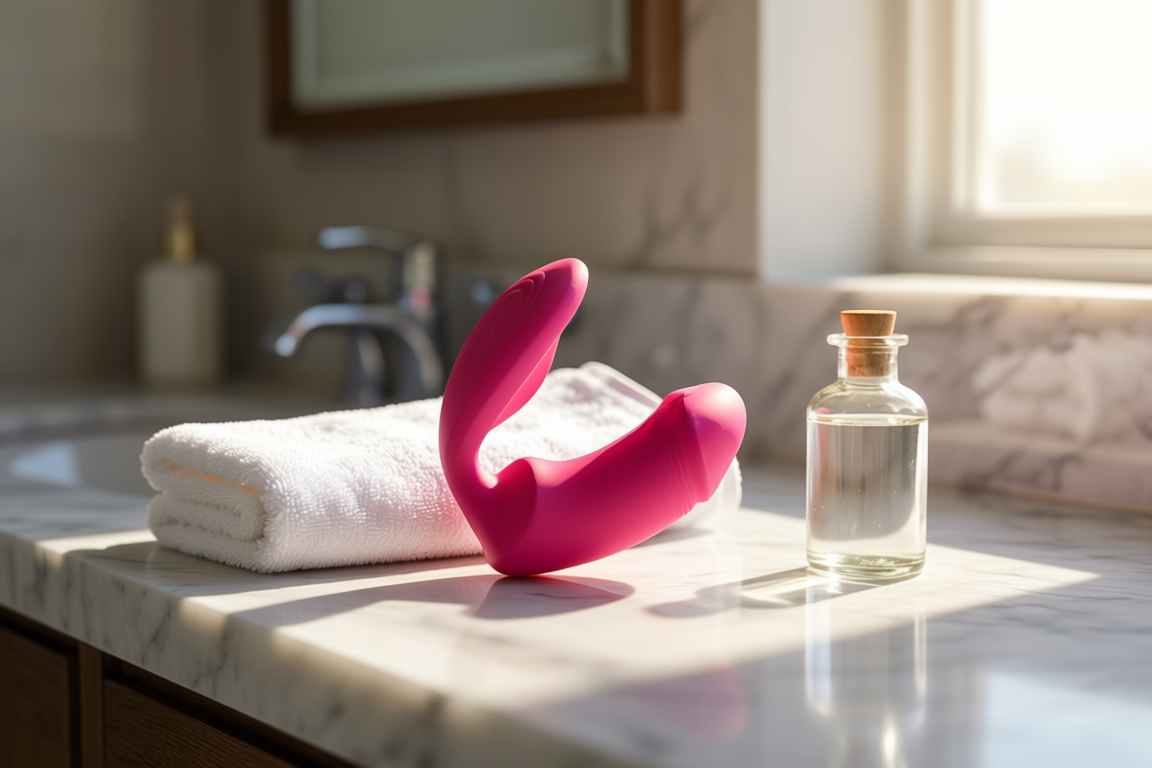
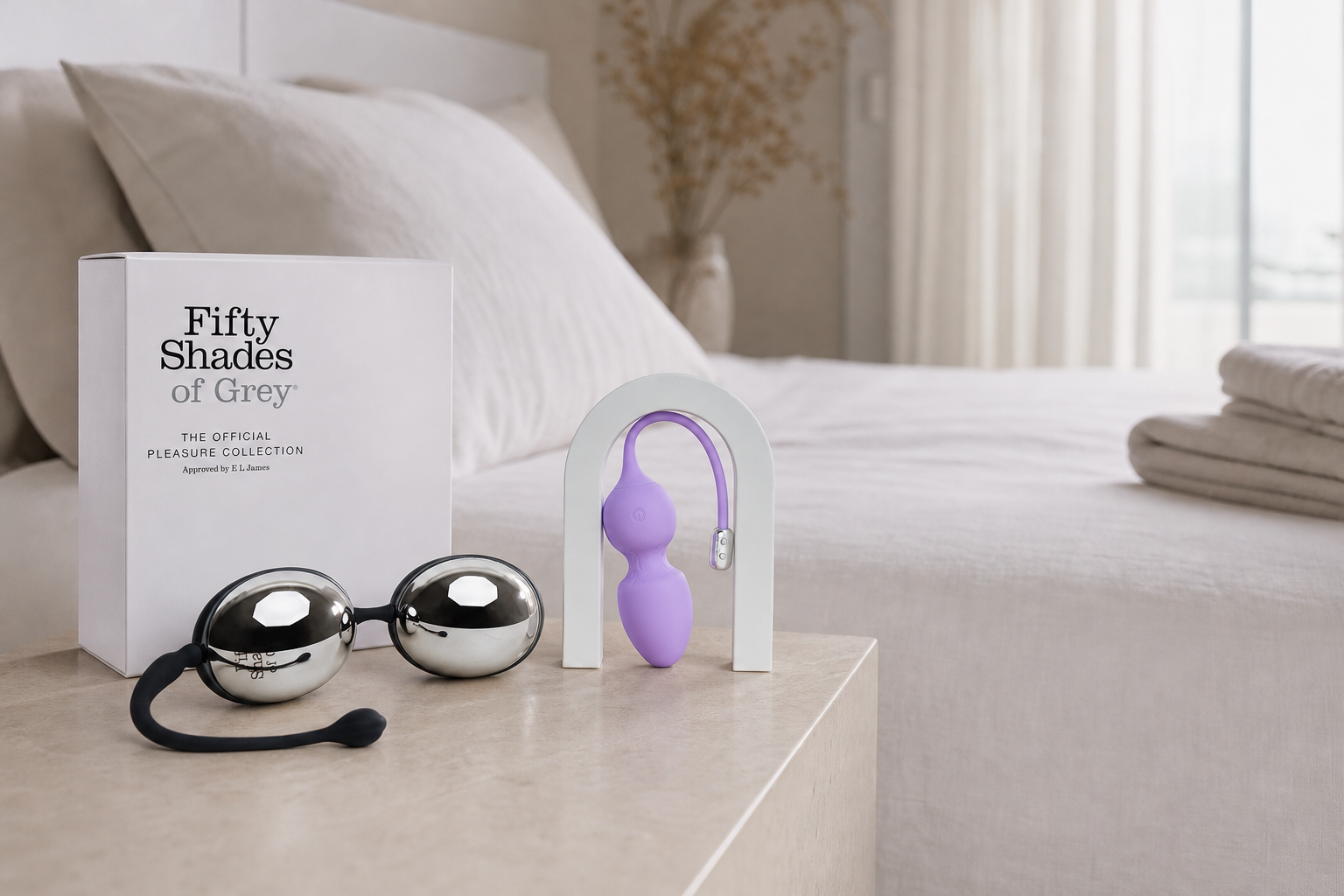
Beyond style, the practical side of sex toys matters a lot for day‑to‑day use. Common materials such as silicone, ABS plastic, and stainless steel all have different textures and cleaning needs. Many people prefer toys with clearly labeled materials, smooth surfaces, and no harsh chemical odor, paired with mild cleaning agents and thorough drying. Simple shapes with fewer grooves or stitched seams are often easier to wash and air‑dry, which is especially reassuring for a beginner recipient who does not want extra hassle. It also helps if the product comes with straightforward instructions and a storage pouch that keeps it away from dust. Any content touching on bodies or health here is only general information; if your partner has sensitive skin, ongoing symptoms, or medical questions, checking with a qualified health professional before using a new product is advisable.
Sample picks for different stages of a relationship
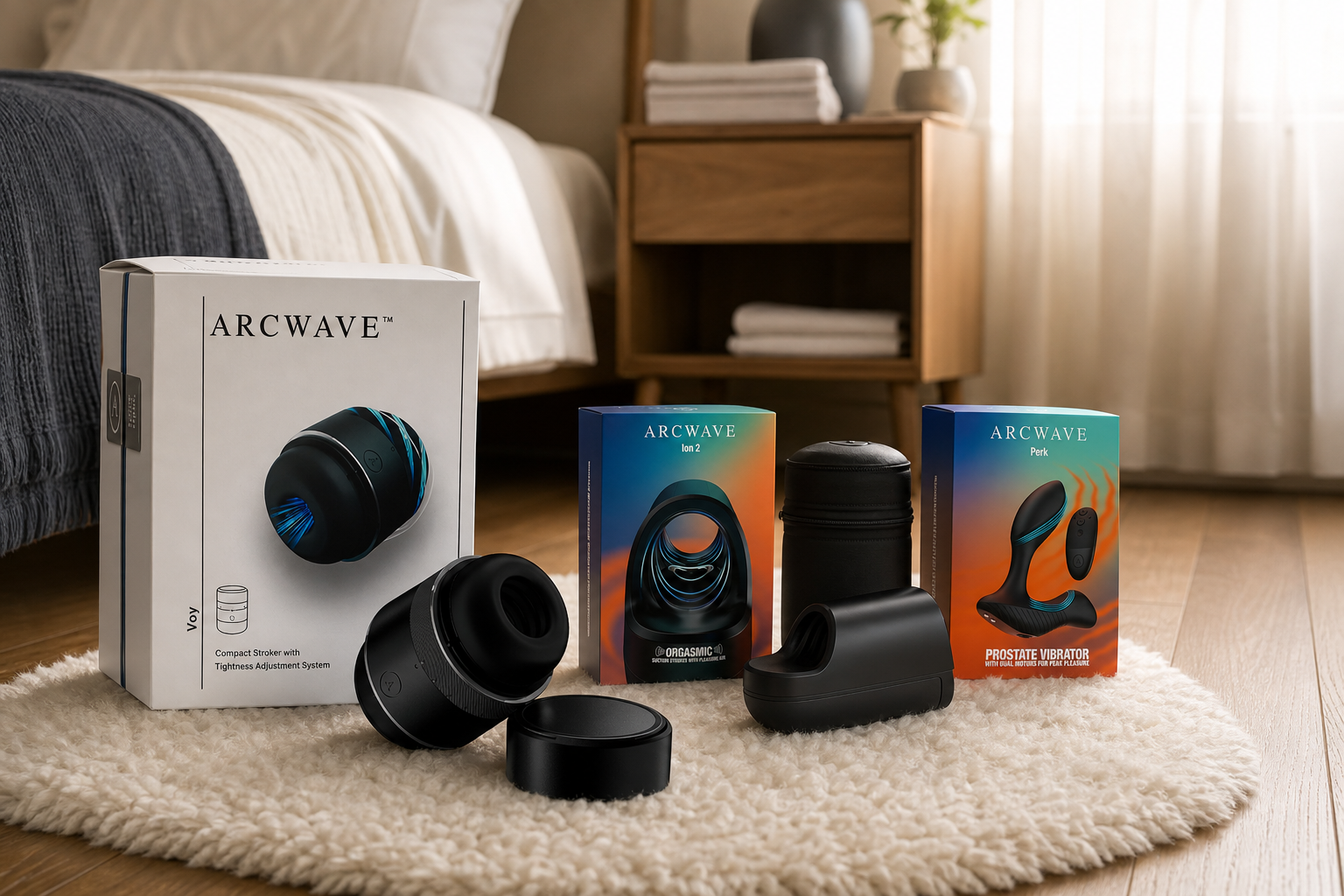
For couples who have only recently become exclusive and have not shared detailed preferences, atmosphere‑focused items are usually a gentle start. Think scented candles designed for cozy nights, a neutral‑looking body massager, or a basic kit meant to support relaxation rather than intense stimulation. For longer‑term partners with established trust, the two of you may want to discuss whether you are curious about more variety, such as toys with adjustable modes or options that can be used together. Some couples like to build a shared wish list on a store or app so that one person can choose a surprise from options the other has already shown interest in. That balance keeps the element of surprise while still honoring consent and individual comfort levels.
Handling privacy: shipping, receipts, and where the gift lives
Practical privacy details can matter as much as the toy choice itself. When ordering online, look for retailers that offer plain, unbranded packaging and neutral product descriptions on shipping labels or receipts. If you share a home with others, options like pick‑up lockers or collection at a nearby store can reduce accidental unboxing by family or roommates. When giving the present, choose a time and place where your partner is not rushed or watched, and consider adding a brief reassurance such as, “If this ever feels like too much, you never have to use it.” You can also agree on a specific drawer or box where intimate items go, so they are treated like any other personal belongings rather than something to hide in panic whenever someone visits.
Sex‑toy gifts as part of an ongoing conversation, not a one‑off stunt
In the end, a sex‑toy gift is not just an object; it is part of an ongoing conversation about desire, comfort, and mutual care. The same toy that feels playful and affirming in one relationship might feel overwhelming in another, depending on timing and communication. Instead of focusing only on how bold the product is, it helps to ask what message you hope to send and whether your partner is likely to hear it that way. Thoughtful pacing, clear room for honest feedback, and a willingness to adjust plans afterwards will do more for intimacy than any single gadget. For questions that touch on health, pain, or persistent discomfort, the information in this guide is not a substitute for medical advice, and checking in with a professional can offer more tailored support.
FAQ
How can I bring up the idea of gifting a sex toy without making things awkward?
Instead of starting with a specific product, begin with a general conversation about intimacy and private gifts, for example by mentioning a scene in a show or something a friend did and asking how your partner feels about it. Their reaction will give you a sense of whether a toy would feel exciting, neutral, or uncomfortable. If they seem open, you can suggest choosing something together or ask what kind of vibe they would enjoy, such as relaxing, playful, or experimental. Keeping the tone curious rather than pushy makes it easier for both of you to stay honest.
What are some good first sex toys to give as a gift?
For a first‑time gift, small and low‑profile toys usually work better than large, explicit designs. Compact external massagers, neutral‑looking body massagers, or massage oils and candles meant for slow, relaxing touch can feel less intimidating while still being intimate. Look for clear material labels, simple shapes that are easy to clean, and a design that would not be embarrassing if someone briefly saw it on a nightstand. If health or skin sensitivity is a concern, remember that information in online guides is general, and checking with a professional is a safer way to address individual situations.
How do I make sure a sex‑toy order stays private when I live with others?
Many online retailers ship in plain boxes without logos and use neutral product descriptions on labels, which is worth confirming before you place an order. You may also choose pick‑up points, lockers, or store collection so that a family member or roommate does not receive the parcel first. On the financial side, options such as email receipts or generic wording on statements can reduce attention. Once the gift arrives, setting a shared rule about where intimate items are stored helps keep them out of common spaces and less likely to be discovered by accident.
Is it okay to give a sex toy early in a relationship?
It can be okay for some couples, but it depends strongly on communication and how quickly both people like to move. In newer relationships, a sex‑toy gift may feel like a shortcut to a level of intimacy that has not been discussed yet, which can create pressure. If you are considering it, it is important to talk first about comfort levels, boundaries, and whether your partner even wants something in that category. This guide offers general considerations, but reading your partner’s cues and respecting a slower pace, if that is what they prefer, is more important than any particular gift idea.