Questions about using sex toys during a period or pregnancy tend to sit in a grey zone for many adults. Some feel they should avoid any toys completely, while others assume their usual routine is fine as long as there is no obvious pain. In reality, menstruation and pregnancy are not automatic no-go phases, but they do call for more careful attention to comfort, hygiene and medical risk. This article offers a practical overview of common health perspectives and toy features, so readers can make more informed decisions instead of relying on blanket rules. If there is any existing gynecological condition or pregnancy complication, the information here is for general guidance only and should always be weighed against a doctor’s advice.
Using sex toys on your period: focus on infection risk and comfort
When it comes to sex toys during menstruation, the key issue is the vaginal environment and infection risk rather than a simple yes or no. Menstrual blood can make the vulva and vagina more moist, and the pH may shift slightly, while pads or menstrual cups stay in place for hours at a time. If hygiene is not ideal, bacteria can build up more easily in this setting. Some people already feel itchiness, heaviness or soreness during their period, and adding extra friction from toys might intensify those sensations. On the other hand, if cramps are manageable, bleeding is within a usual pattern and there are no signs of infection, many choose to stay with external stimulation only, such as a small vibrator around the clitoris. This approach keeps toys away from the internal canal, makes cleaning simpler and allows users to stop quickly if their body reacts in an unexpected way.
Choosing toy types on your period: intensity, placement and material
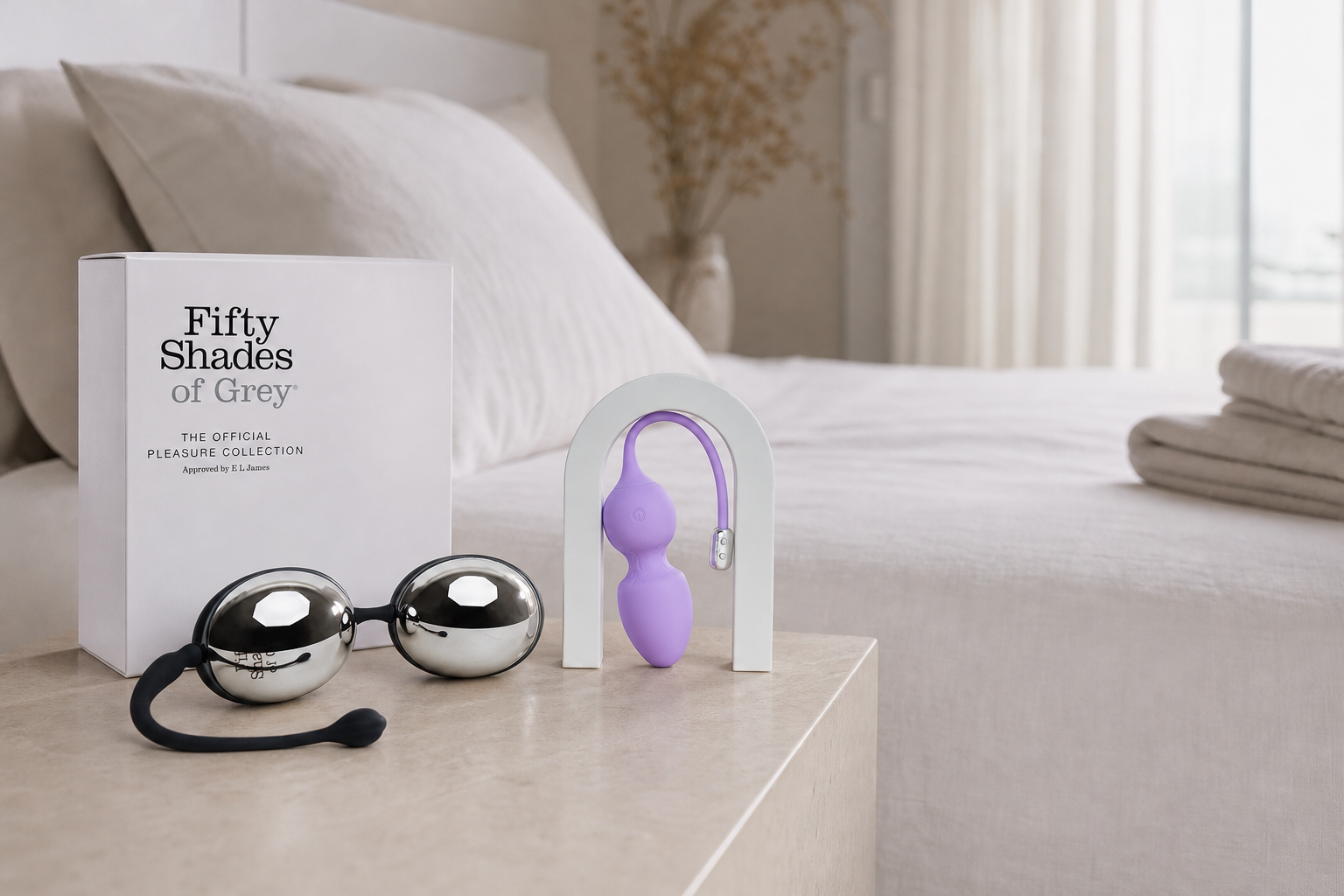
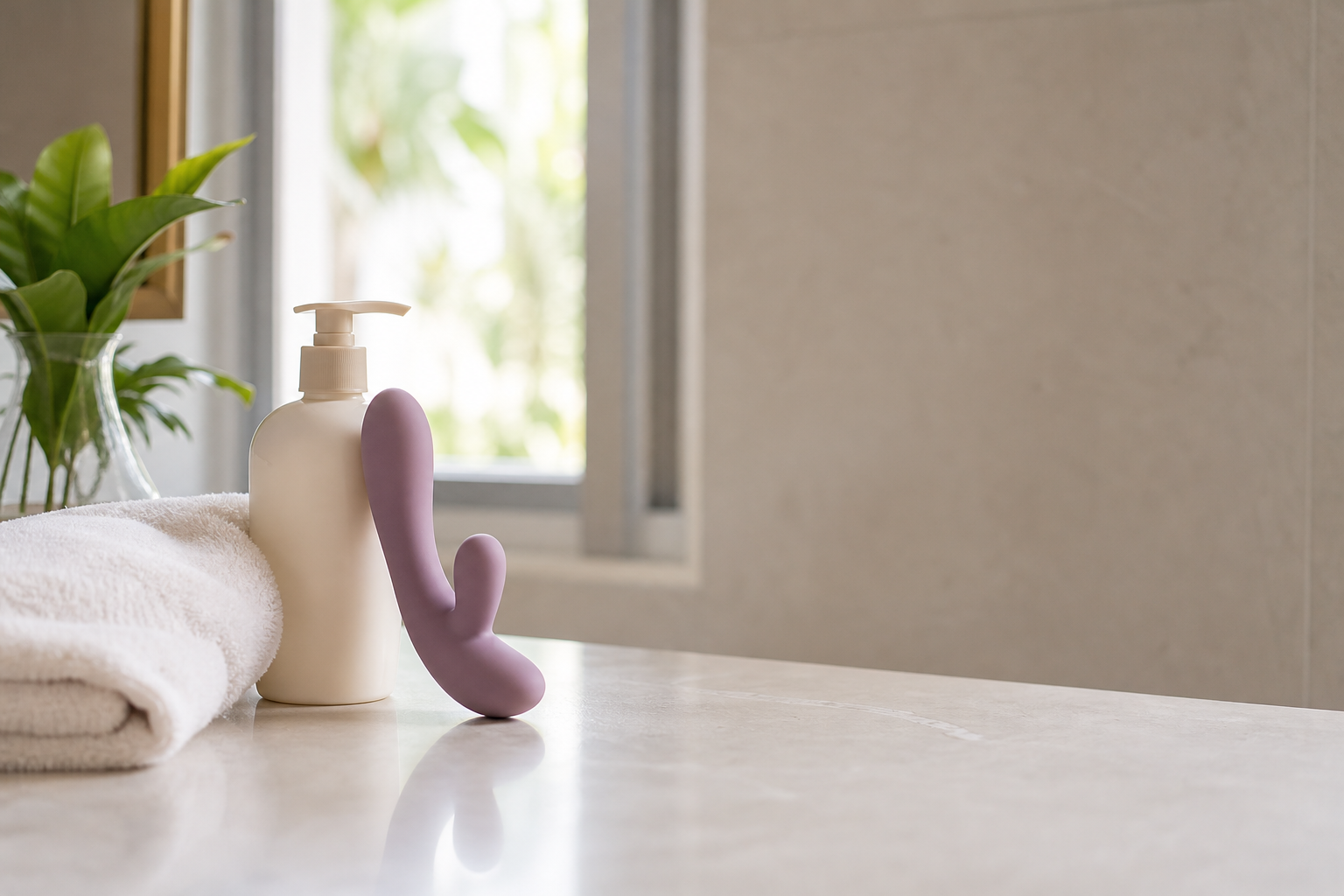
For those who do want to use sex toys while menstruating, the choice of toy and how it is used matters more than the mere decision to use something. Compact, gentle toys are usually preferred, including slim vibrators, bullet vibes or suction-style stimulators that stay on the clitoral and outer vulva area. Avoiding deep insertion helps lower the chance of catching menstrual fluid inside grooves or seams and reduces mechanical irritation to tissue that may already feel sensitive. Smooth, nonporous materials like medical-grade silicone or hard plastic are often recommended because they are easier to clean thoroughly under running water. Some users coordinate toy sessions with changing their pad or cup, so they start with a clean base and check whether their body feels okay before continuing. If discomfort, unusual pain or an odd smell appears, it is sensible to stop, clean up and observe whether the symptoms persist before using anything again.
Pregnancy and sex toys: why a doctor’s input comes first
Pregnancy changes the body in ways that no single article can fully cover, which is why medical input is crucial before deciding on sex toys. Health professionals regularly assess factors like cervical length, placental position, bleeding history and preterm birth risk when giving guidance on sexual activity. In a straightforward, low risk pregnancy, many clinicians consider gentle sexual contact acceptable and do not automatically rule out toys, as long as the pregnant person feels at ease and there is no pain. However, if a doctor has flagged issues such as placenta previa, repeated spotting, cervical weakness or past preterm labor, advice tends to be more cautious. In those situations, pausing penetration-focused play and shifting to non-internal forms of intimacy is often suggested. Because these decisions depend heavily on individual medical records, readers are encouraged to raise the topic during routine prenatal visits rather than guessing based on general information alone.
Toy choices in pregnancy: keeping stimulation gentle and external
For pregnant users who have been cleared by a doctor for sexual activity, toy selection and posture still deserve extra thought. External toys like clitoral stimulators, wands used on the vulva or couple-friendly massage devices are commonly chosen because they do not require deep insertion or strong pressure around the pelvis. Many prefer lower to medium vibration settings to avoid intense pulsation in the pelvic floor and uterine area, and take breaks to check in with their own sensations. As in other phases of life, smooth, easy-to-clean materials are practical, especially when combined with mild, fragrance-free lubricants to reduce irritation. If a partner is involved, agreeing on a simple plan beforehand – for example which areas are off limits or which positions feel safest – can reduce anxiety. Any sign of tightening pain, new bleeding or unusual discharge should be treated as a reason to stop and contact a healthcare provider, rather than something to power through.
Hygiene, age limits and everyday routines with sex toys
Regardless of menstruation or pregnancy status, basic hygiene habits play a central role in making sex toy use feel safer. This usually means rinsing toys with clean water and a dedicated toy cleaner or gentle soap before and after each session, paying attention to any part that comes into contact with bodily fluids. After washing, toys can be set on a clean towel or shelf to air dry, then stored in individual pouches or boxes in a dry place away from dust. Good storage reduces cross-contact with other items and lowers the chance of forgotten residue turning into a hygiene issue later. It is also worth recalling that sex toys and intimate content are aimed at adults; in many regions, only people aged 18 and above are legally allowed to buy and use such products. Young people who have questions about their bodies or sexuality are better served by age-appropriate education and professional counseling rather than toy-focused advice. For anyone, noticeable pain, bleeding, odor changes or emotional distress around intimacy are reasons to seek medical or psychological support.
Talking with a partner and setting personal boundaries
Often the hardest part about sex toys in sensitive periods is not the body itself but the worry of upsetting a partner. Boundaries, however, are meant to shift with context, and it is reasonable for someone to adjust what feels okay during a heavy period or a complicated pregnancy. Clear conversations can help, starting with simple statements about how the body feels today and what activities are on or off the table for now. Couples can then explore alternatives, such as massage, cuddling or nonsexual forms of closeness if one person does not want toy use at the moment. If a partner suggests a specific toy or style of play, the other person can ask for details and then decide whether that fits with their comfort level, without having to apologize for saying no. Respecting a change of mind mid-activity is part of healthy intimacy; stopping when discomfort appears is a sign of trust, not rejection.
Why professional advice still matters: this guide is not a medical answer
Finally, it is important to underline that no written guide, including this one, can replace an individual consultation with a healthcare professional. Menstrual patterns, pregnancy progress and underlying conditions are highly specific, and two people at the same gestational week may receive very different recommendations. Anyone facing unusual symptoms, complicated pregnancies or chronic gynecological issues should make medical input the primary reference before using sex toys. Doctors can interpret test results, imaging and past events in context, then discuss how different types of intimacy might fit into that picture. This article aims to collect practical considerations and common questions so adults feel more prepared to talk openly with clinicians and partners. It does not offer guarantees or one-size-fits-all rules, and readers are encouraged to see it as a starting point for careful reflection, with their own comfort and health remaining the final priority.
FAQ
Is it always unsafe to use sex toys while on your period?
Using sex toys on your period is not automatically unsafe, but it does carry extra considerations around infection risk and comfort. If there is strong pain, unusual bleeding or a history of frequent vaginal infections, many health professionals lean toward more cautious advice and suggest avoiding penetration or any play that feels irritating. When symptoms are mild and the user feels well, some choose gentle external stimulation only and pay close attention to cleaning and storage routines.
Should I talk to my doctor before using sex toys during pregnancy?
Discussing sex toy use with a doctor during pregnancy is a sensible step, because recommendations depend heavily on individual medical history. Clinicians evaluate factors such as cervical stability, placental location, prior bleeding episodes and preterm birth risk before commenting on sexual activity. This means general articles can only outline common themes; whether toys are suitable in a specific pregnancy should ultimately be decided together with a healthcare professional.
What kind of sex toys are more suitable for sensitive times like menstruation or pregnancy?
During sensitive phases, many people gravitate toward smaller, external toys with gentle settings. Examples include bullet vibrators, clitoral stimulators or massage wands used on the outer vulva rather than deep inside the vagina. Nonporous materials such as medical-grade silicone and hard plastic are practical because they are easier to clean. Whatever is chosen, any sign of pain, new bleeding, unusual discharge or strong discomfort is a reason to stop and seek medical advice.
How can I set boundaries with a partner around sex toy use in these periods?
Setting boundaries starts with stating how your body feels and which activities are acceptable for now, especially during a heavy period or a complex pregnancy. Partners can explore alternatives like cuddling or massage if toy use does not feel right at the moment. It is also helpful to agree that plans can change mid-way: if you feel discomfort, you can stop without needing to justify the decision. When questions keep coming up, involving a therapist or counselor can support both sides in navigating intimacy more comfortably.