For many adults, buying a sex toy is much easier than deciding where and how to store it afterwards. Once the excitement of a new purchase fades, practical questions show up quickly: how to keep the surface clean, how to avoid dust and lint, and how to prevent others from casually discovering it in a drawer. Storage is not only about hiding; it is closely connected to material condition and future comfort during use. This article looks at storage from three angles—material, environment, and privacy—and offers realistic examples so readers can build a routine that fits their home, instead of trying to follow an impossible perfect rule.
Why proper sex toy storage matters for comfort and hygiene
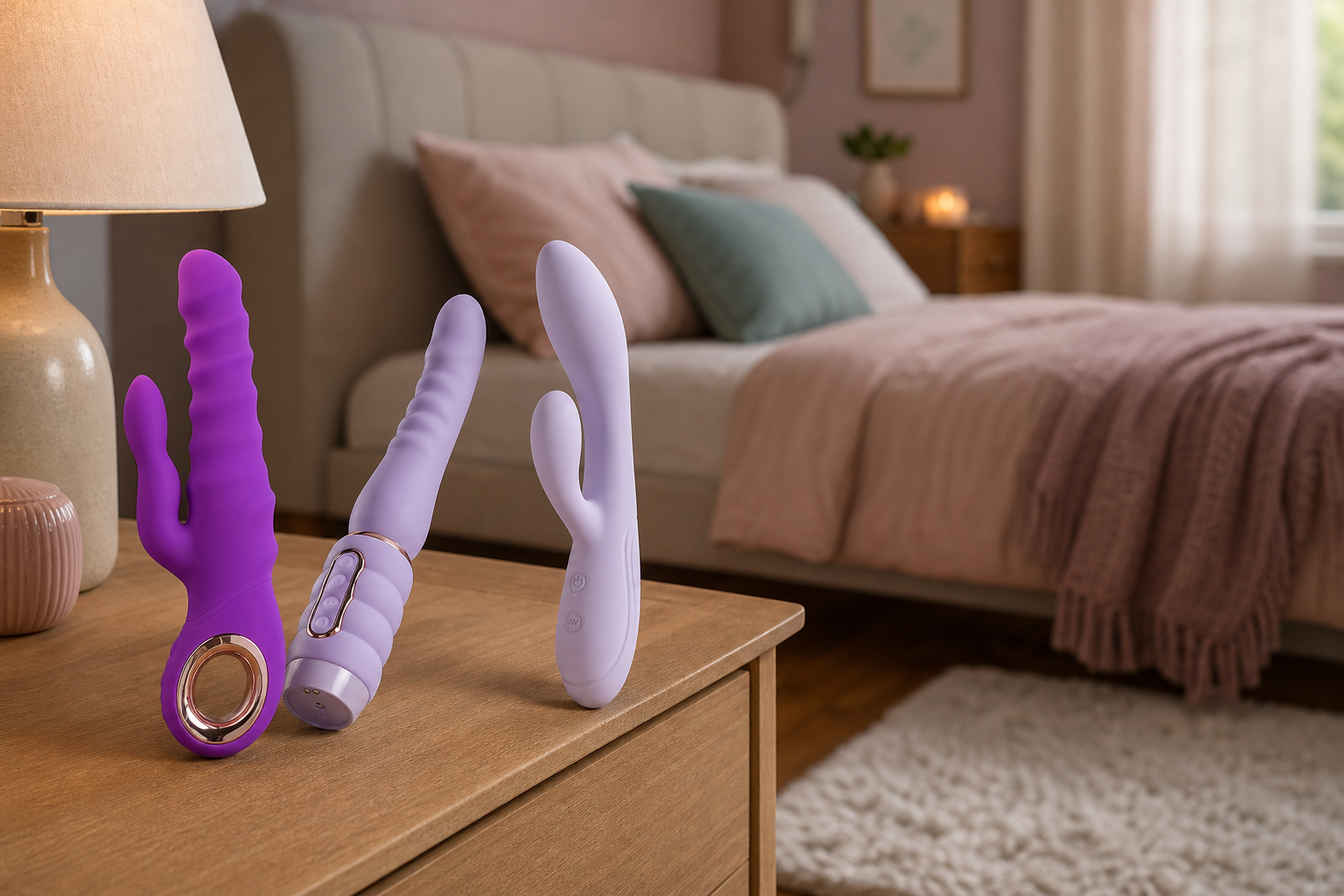
Sex toys come into close contact with sensitive areas of the body, so the state of the surface and the storage environment has a direct impact on comfort. If a toy is tossed under a pillow or left on the bedside table, it might collect dust, lint, or pet hair without the user noticing. Soft silicone in particular tends to pick up small fibers from bedding and clothing. Over time, small scratches or residue can make the surface feel rougher or visually less appealing. Storage also affects privacy: most people want their toys to remain personal items rather than something family members or guests might find while looking for other things. Treating storage as part of the overall use cycle, instead of an afterthought, can reduce stress and create a sense of control around intimate objects.
Essential cleaning steps before putting toys away
Before thinking about drawers or boxes, it is important to make sure each toy is clean and dry. After use, many users rinse the outer surface under lukewarm water, combined with a mild cleanser appropriate for intimate products. Toys with motors or batteries need more attention, since water around charging ports or battery compartments can affect functionality; checking the manufacturer’s notes on water resistance is a practical step. Once rinsed, the toy can be gently patted dry with a soft towel rather than vigorously rubbed, which helps limit micro scratches on softer materials. Allowing it to air dry in a ventilated, shaded spot reduces moisture on seams and buttons. Only after the surface feels dry to the touch should the toy go back into storage. These steps might look detailed at first, but after a few repetitions they often become part of a familiar routine.
Matching materials with suitable storage environments
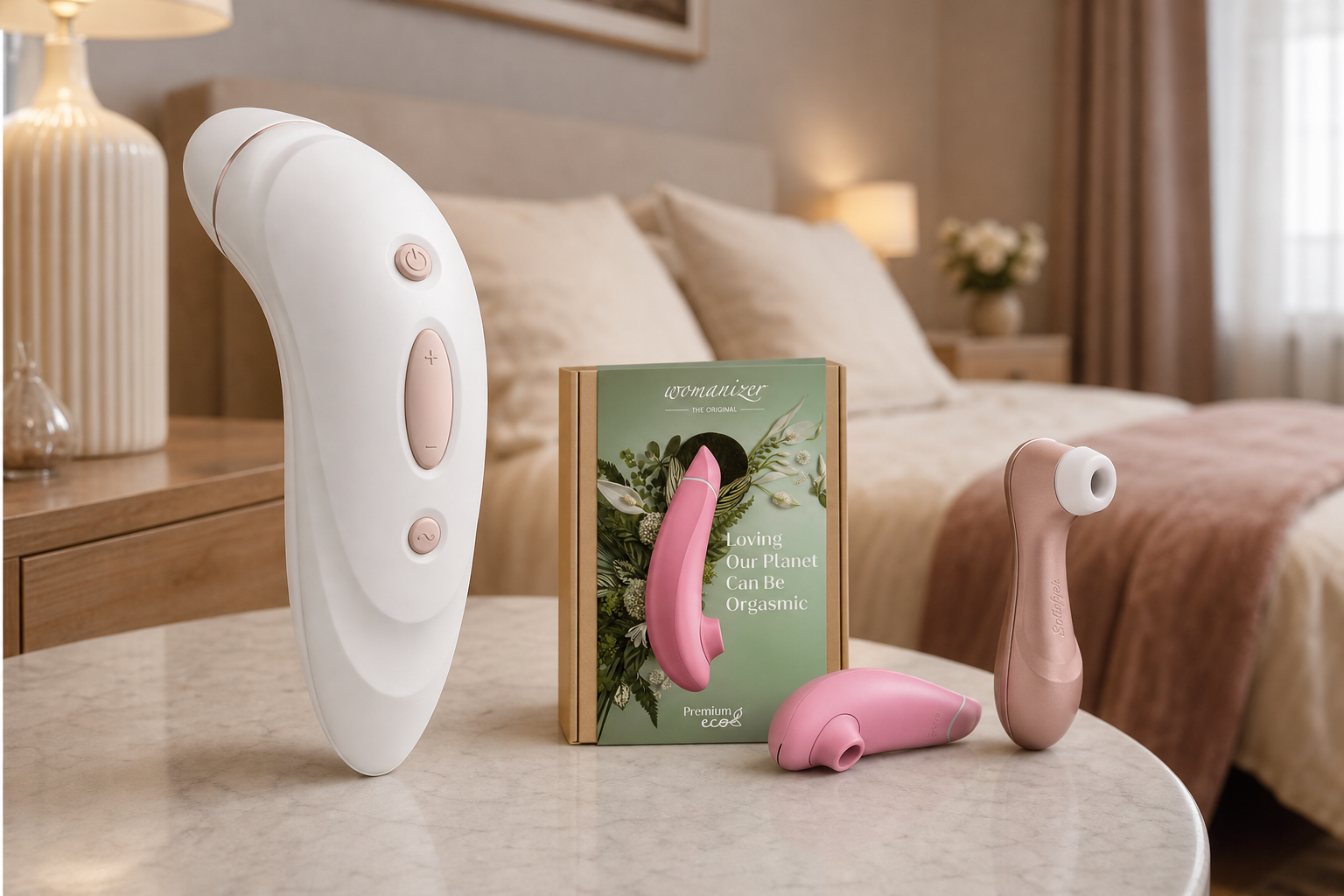
Sex toys are produced in different materials such as silicone, ABS plastic, stainless steel, glass, and various flexible composites, and each behaves differently when exposed to dust, humidity, or pressure. Silicone and flexible composites tend to attract lint, so separate pouches or boxes help keep their surfaces cleaner than leaving them loose in a drawer with tissues or paper. Glass and metal do not pick up dust as easily, yet they can chip or scratch if pressed against hard objects. Storing toys of different materials in separate compartments reduces the chance of color transfer or unexpected reactions between surfaces. Many users choose a simple organizer box inside a drawer, then add fabric pouches or resealable bags for individual items so the exterior still looks like ordinary personal storage. The core idea is a clean, dry, and reasonably ventilated environment, rather than an extreme, highly technical setup.
Discreet storage spots in everyday living spaces
Choosing where to keep sex toys is closely tied to who shares the space and how often different areas are opened. For people living alone, locations such as a bedside drawer, a corner of the wardrobe, or an office-style desk drawer usually balance ease of access and privacy. Those who live with partners, roommates, or children may prefer higher shelves, inner sections of closets, or built‑in storage under the bed that are less likely to be opened casually. Some users rely on neutral-looking storage boxes labeled with generic terms like “personal items” or “documents” rather than anything suggestive. For toys that need charging, a small hole in the back of a storage box or at the rear of a drawer can keep cables routed discreetly. The aim is not to make toys invisible at all costs, but to create a storage arrangement that feels natural and safe in the context of daily life.
Extra care for vibrating toys and batteries
Sex toys with vibration, suction, or warming features often rely on built‑in rechargeable batteries or removable cells, so storage habits also involve basic power care. Many users prefer to store rechargeable toys with a moderate level of charge instead of fully drained or kept fully charged for long periods, because this approach is commonly suggested for general battery longevity. When a toy uses removable batteries, taking them out before long‑term storage and keeping them in a dry, room‑temperature place away from metal items is a simple precaution. It is also helpful to check around charging ports and seams for any remaining moisture after cleaning, wiping those areas lightly with a dry cloth before storage. Detachable sleeves, heads, or attachments can be stored together in one pouch or compartment to avoid misplacing parts. This type of care resembles the way people treat other electronic gadgets and can be adapted to each person’s usage pattern.
Common storage mistakes and how they affect use
In practice, many people choose the quickest hiding place, such as sliding a toy between mattresses, into a pillowcase, or deep in a pile of clothes. While this may feel discreet, it can expose toys to sustained pressure, heat, or moisture over time. Environments with damp clothing or limited airflow sometimes lead to changes in smell or color, which in turn may raise doubts when the toy is used again. Keeping different brands and materials mixed together in a single plastic bag can result in surfaces that feel sticky or show traces of other colors. Faced with uncertainty, some users decide to retire those toys or only use them in less intimate ways. When clear damage, cracks, or unusual changes in texture are noticed during storage or before use, it is reasonable to consider replacing the product and to pay closer attention to material information when choosing future items, so that later storage is more straightforward.
Building a personal care and storage routine for sex toys
There is no single ideal way to store sex toys, and trying to match a rigid standard can be more stressful than helpful. A practical approach is to see each use as part of a cycle: use, clean, dry, store, with a short check on the storage box or drawer every few weeks to look for signs of overcrowding or humidity. Some people keep mild cleaners, a soft towel, and spare pouches in the same container as their toys so the entire routine is literally within reach. Others prefer to separate cleaning items in the bathroom and only bring toys back to the bedroom once they are fully dry. If questions arise around material safety or physical sensations, health and sexual‑wellness advice falls into a professional area, and the information in this article is meant as general home care guidance only. Anyone experiencing discomfort, unusual irritation, or other concerns is encouraged to seek advice from qualified professionals before deciding how to continue using or storing intimate products.
FAQ
Where is a discreet yet practical place to store sex toys at home?
A discreet storage spot depends on who shares the living space and how often different areas are opened. People who live alone often find bedside drawers, wardrobe corners, or office‑style desk drawers convenient and private enough. In households with children or frequent visitors, higher shelves, inner sections of closets, or under‑bed storage with closed lids reduce the chance that someone will open the container by accident. Neutral labels and ordinary‑looking boxes also help toys blend into the background of everyday belongings.
How should silicone sex toys be stored to avoid lint and damage?
Silicone surfaces tend to attract lint and small fibers, so cleaning and fully drying the toy before storage is important. Placing each item in its own fabric pouch or compartment keeps it from rubbing against tissues, paper, or other textured materials that might leave residue. Storage areas do not need to be extremely dry, but regions with visible dampness, mold, or poorly ventilated corners are best avoided. A quick visual and tactile check from time to time helps catch early signs of change in color or texture.
What extra steps are recommended for storing vibrating toys and their batteries?
For toys with built‑in rechargeable batteries, many users choose to store them with a moderate charge rather than completely full or empty, following general advice on battery longevity from electronics care. Removable batteries can be taken out for longer storage and kept in a dry, room‑temperature spot separated from metal tools or objects. After cleaning, it is useful to inspect charging ports and seams for moisture, gently wiping them with a dry cloth before the toy goes into a drawer or box. If there are concerns about safety or body reactions, consulting a professional for health‑related guidance is advisable.
What should someone do if a stored sex toy looks damaged or feels different on the surface?
When a toy shows cracks, sticky patches, or noticeable changes in color or texture, many people choose to stop using it and consider replacing it with a new item. Paying attention to material labels and manufacturer information when selecting future toys can make later storage decisions easier and more confident. Since this article focuses on general home care and organization, anyone experiencing irritation, discomfort, or other physical concerns after using a toy is encouraged to seek assessment and advice from qualified health or sexual‑wellness professionals.