Water-based lubricants are frequently marketed as the “gentler” option, especially to people who are new to adult products or who already know their intimate skin tends to react easily. The idea sounds reassuring, but “gentle” is not a magic label on the bottle. It is a combination of how the formula is built, how it feels on the body, how easily it can be rinsed off and whether it works safely with condoms and sex toy materials. This article takes an adult-only perspective to unpack those points, and also stresses that any health-related information is for general guidance only. Whenever irritation, pain or unusual discharge appears, the right next step is to speak with a qualified healthcare professional rather than relying solely on online content.
What counts as a water-based lubricant in practice
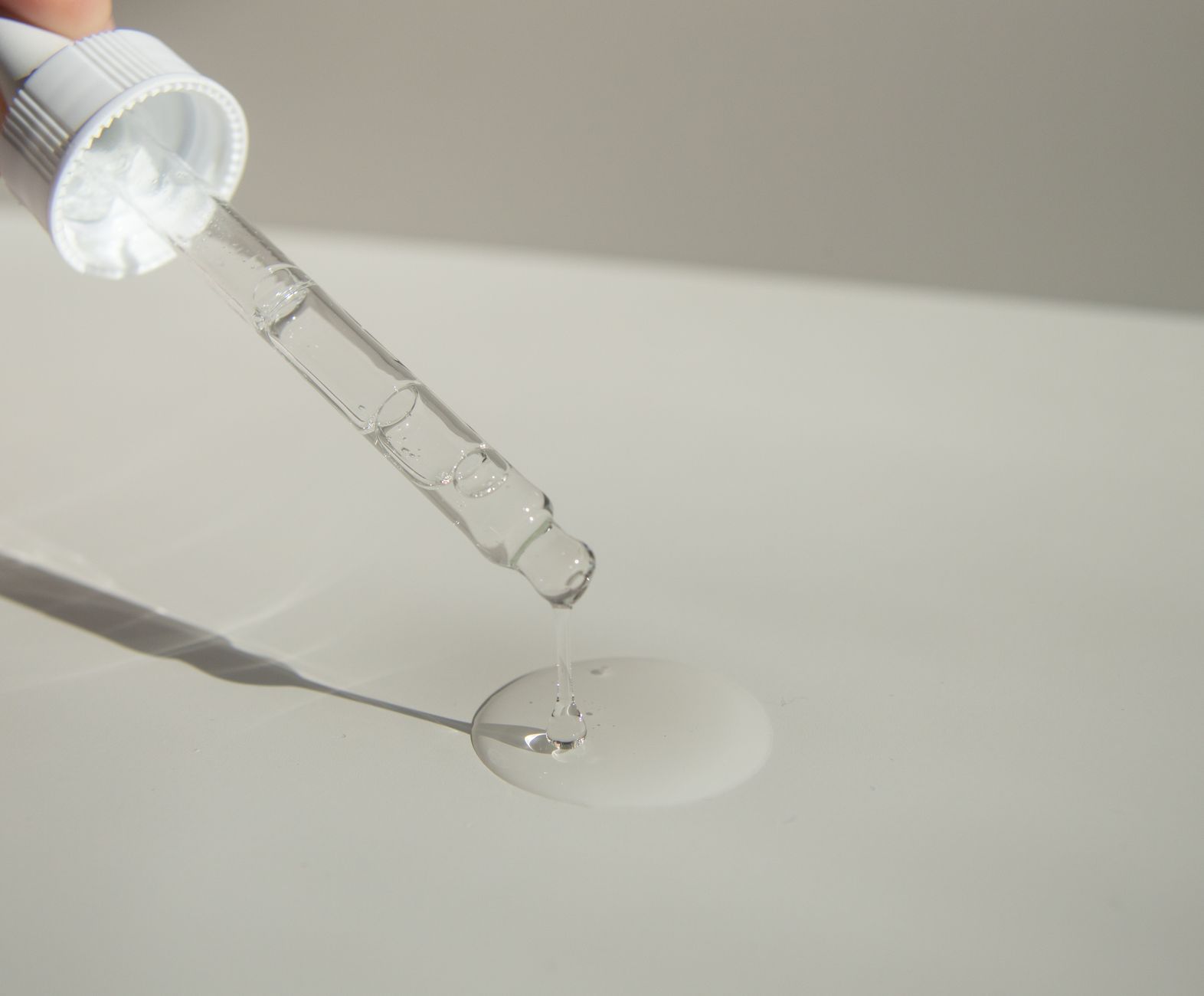
Before comparing gentleness, it helps to understand what most water-based lubes are made of. As the name suggests, the main base is water, combined with humectants such as glycerin or other moisturising agents, plus thickeners that give the product a slightly gel-like texture instead of feeling like plain water. The result is a lighter, more natural kind of slipperiness that many users describe as closer to the body’s own moisture and easier to get used to. Because the base is water, most of the product can usually be rinsed away with lukewarm water after use, which feels straightforward for people who just want a simple, low-effort hygiene routine.
In real-life use, water-based lubricants are commonly paired with a wide range of toy materials, including silicone, hard plastics, glass and metal. Most reputable products clearly state which materials they are compatible with, and for many households a single water-based lube becomes the default go-to on the nightstand. People who are unsure about their sensitivity often start with this category to see how their body reacts, then adjust to other types if there is a specific need such as longer-lasting glide under water. Even so, formulas differ between brands in terms of preservatives, fragrance and colourants, so doing a small patch test and reading labels remains a sensible habit for anyone with a history of intimate discomfort.
What “gentler on the body” usually refers to
When water-based lubes are said to be gentler, the comparison is often made against silicone- and oil-based products in two main areas: ease of washing off and compatibility with condoms and toys. Silicone-based lubricants are known for their very long-lasting slip and water resistance, which can be helpful for extended or shower play. The trade-off is that they do not simply rinse away with water, and usually need a mild cleanser and a bit more time to remove the film from skin. Oil-based options, whether made with mineral or plant oils, feel rich and cushiony but are not suitable with latex condoms and tend to linger on the skin and around the intimate area if washing is rushed, which some people experience as stuffy or uncomfortable.
Compared to that, water-based lubricants often feel easier to live with. They wash off more quickly, they are generally considered a better match with most condoms and with common toy materials, and they allow users to keep the routine close to their usual shower habits. For many, this combination lowers the barrier to bringing lubricant into intimate life and reduces the sense of residue after play. However, “gentle” is always relative. A body that is coping with infections, hormonal changes or previous irritation may still react to certain ingredients, even in water-based formulas. Any persistent burning, itching or change in discharge should be treated as a signal to pause use and seek personalised medical advice.
Sensitivity concerns: pH balance, fragrance and preservative systems
From the perspective of those with sensitive intimate skin, the label “water-based” is only one part of the story. What often matters more is how the lubricant interacts with the natural pH and microbiome of the vulva, vagina, penis or surrounding skin. Strong fragrances, alcohol and some preservative systems can feel harsh to certain users, even if the lube itself is water-based. People may report stinging sensations, redness or unusual discharge after using highly perfumed or heavily coloured products in a delicate area.
A more practical approach is to use the ingredient list as a guide. For sensitive users, fragrance-free or low-fragrance water-based lubricants are generally easier to work with, as are formulas that clearly state they are free from common irritants such as added alcohol. Some products are designed specifically with intimate use in mind and aim to match or support the natural pH range to reduce disruption. Many users with a history of discomfort gravitate toward these more minimalist formulas as a starting point. Even then, the safest path for anyone with recurrent symptoms or known conditions is to discuss lubricant choices with a healthcare professional, so product selection can be aligned with diagnosis and treatment plans rather than made in isolation.
Pairing water-based lube with sex toys and daily care habits
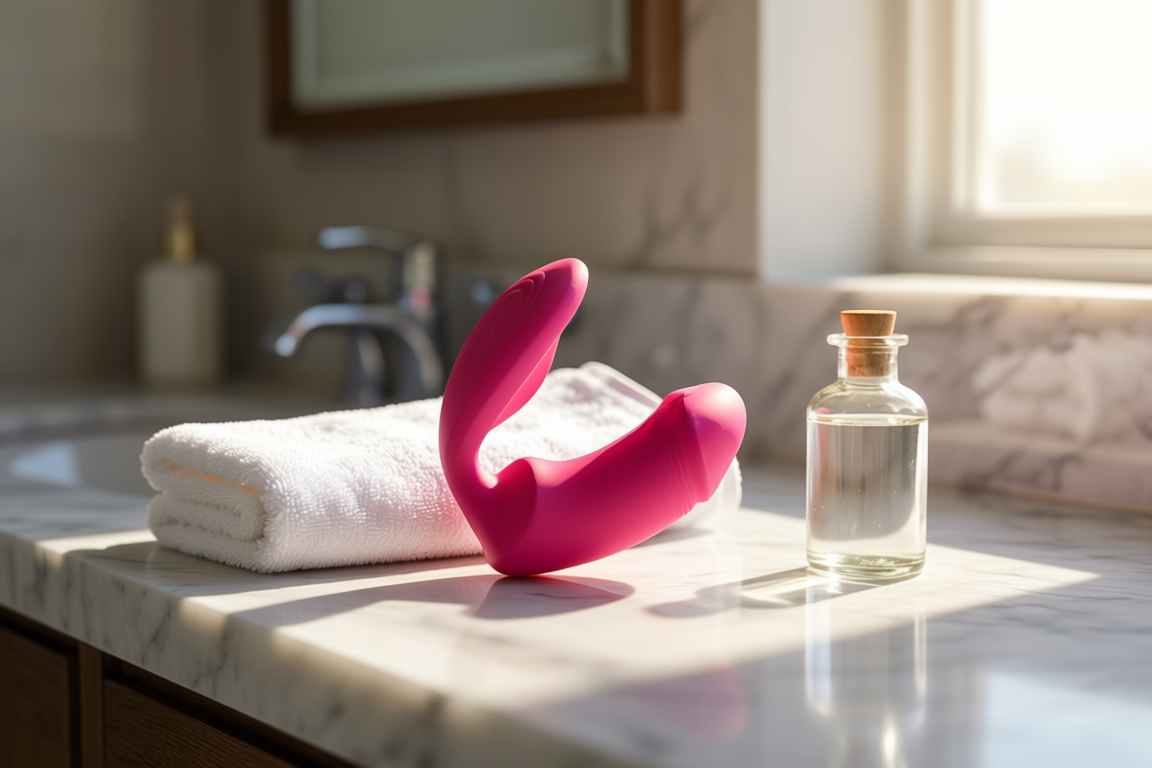
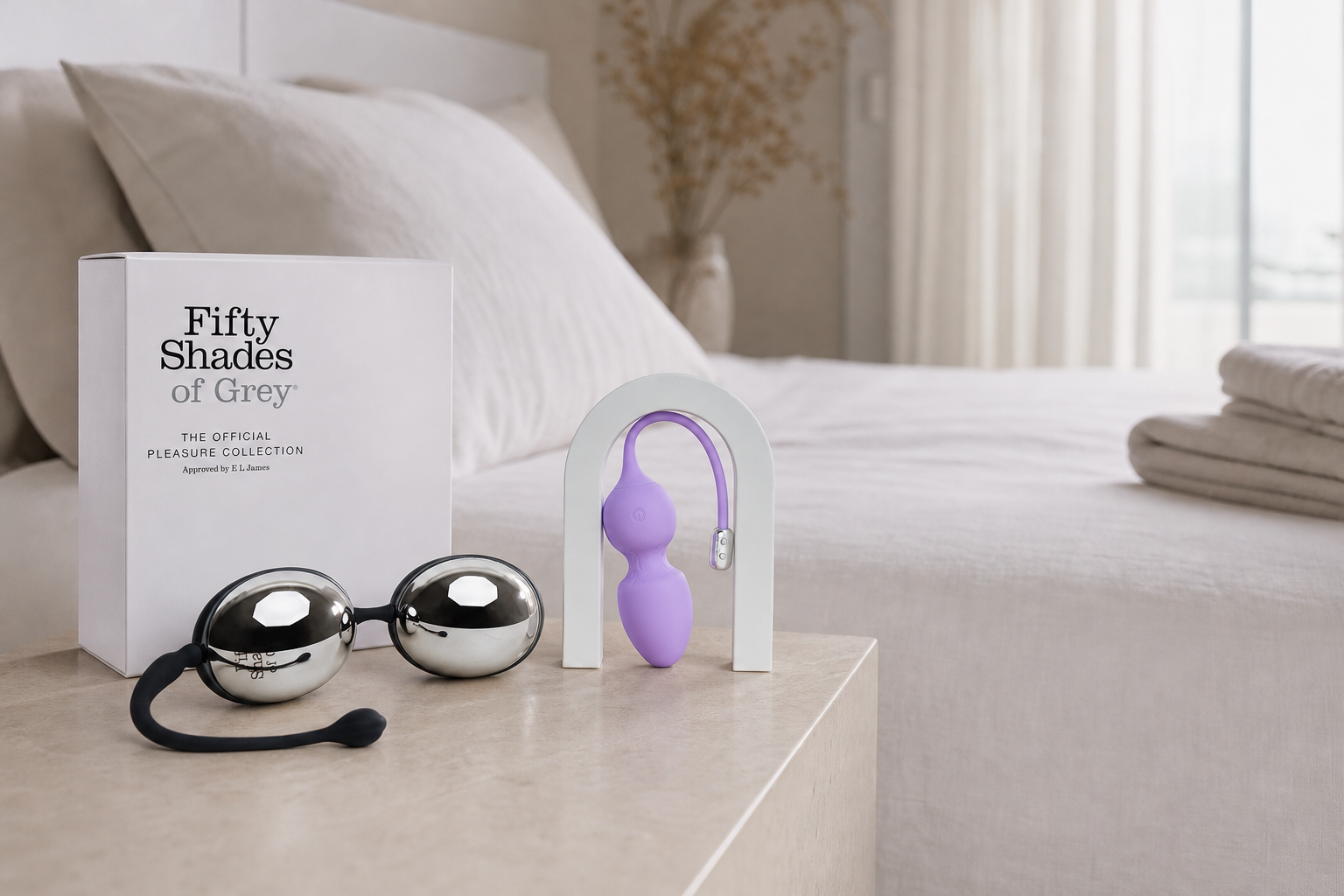
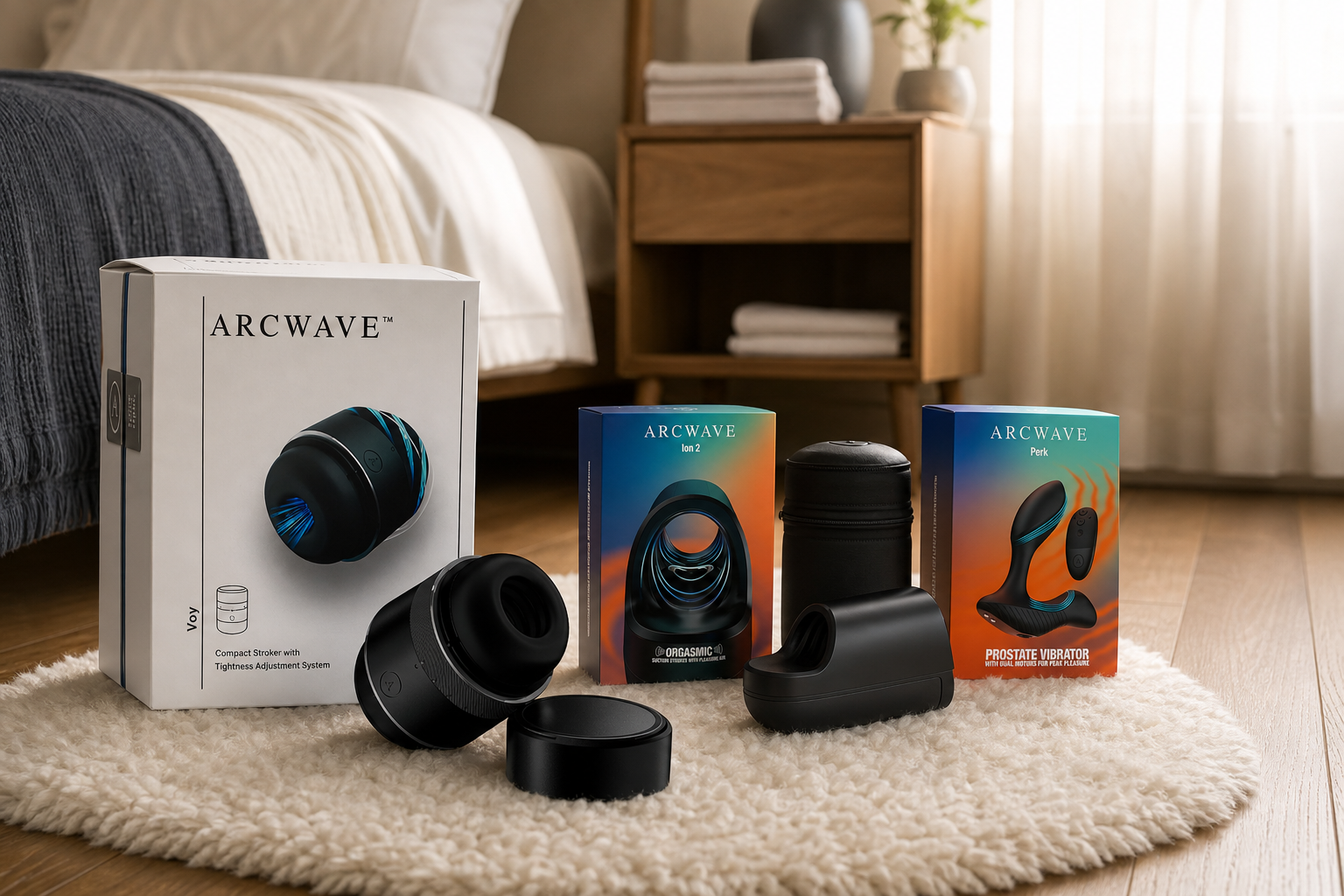
Beyond skin feel, water-based lubricants are often highlighted for their practicality when sex toys are involved. Silicone, glass and metal toys are widely used and, in many cases, work well with water-based products. After play, toys can be cleaned with lukewarm water and a mild, unscented cleanser, then dried thoroughly before storage. This straightforward routine is one reason water-based lubes are often recommended to beginners: there are fewer compatibility rules to memorise compared with some silicone or oil-based options, which may interact with specific materials or leave a heavier residue.
However, safety is not just about what goes on during use. Any residue, including water-based lubricants, can build up in seams, textures or small crevices if toys are not cleaned properly. Over time, that build-up can lead to unpleasant odours or visible changes on the surface. Regular cleaning, drying and inspection of toys should be seen as part of the overall intimate experience instead of an afterthought. If a toy changes colour, develops a sticky feel or smells off even after cleaning, it may be time to retire it and consider replacing it, regardless of the type of lubricant used.
Choosing between water-, silicone- and oil-based options for different scenarios
Although water-based lube has many everyday advantages, it is not the only reasonable choice in all situations. Silicone-based products can be a better fit when a very long-lasting, water-resistant glide is needed, such as long sessions or play in the shower where water would quickly thin out a standard water-based formula. Oil-based options, while not suitable with latex condoms, may be used in contexts like external massage or specific kinds of touch where a thicker, more cushioned feel is preferred and the material compatibility is clearly understood.
Instead of treating water-based lubricant as universally superior, it can be more helpful to see it as a versatile default for many common scenarios. It tends to be easier to wash off, works with a broad range of condoms and toy materials and, when thoughtfully formulated, can be less demanding on everyday hygiene routines. The right choice for any individual or couple depends on health status, sensitivity, the type of activity and whether toys or condoms are part of the picture. Whenever a medical condition or ongoing treatment is involved, decisions about lubricant should be made together with healthcare professionals, and online guides like this one should be seen as background information only.
Bringing “gentle” down to clear, practical criteria
Coming back to the question “Are water-based lubricants gentler on the body?”, the most helpful answer is to break “gentle” into clear, practical criteria. These include how easy the product is to rinse off, how its ingredients relate to the body’s natural environment, how compatible it is with condoms and toy materials and, crucially, how the body actually feels during and after use. Water-based lubricants perform well on many of these points, which is why they are widely suggested as an entry point for adults exploring lube for the first time.
For everyday decision-making, starting with a well-labelled, fragrance-free or low-fragrance water-based lubricant from a brand that clearly discloses ingredients is a reasonable step. From there, users can adjust based on their own experience and professional advice, choosing different types if their activities or sensitivity profile call for it. Whatever the category, paying attention to body signals, maintaining simple but consistent cleaning habits and keeping communication open with partners and with healthcare providers are what turn lubricant from a source of worry into a straightforward tool in adult intimate life.
FAQ
Are water-based lubricants a better choice for people with sensitive intimate skin?
Water-based lubricants are often easier to rinse off and, in many cases, work well with condoms and common toy materials, which makes them a popular starting point for people who describe their intimate skin as sensitive. However, suitability depends on the whole formula, including fragrance, alcohol and preservatives. Those with sensitivity usually do best with clearly labelled, low-irritant products and, where there is a history of recurring symptoms or diagnosed conditions, the safest route is to discuss lubricant use with a healthcare professional. This article is intended for general information only and cannot replace personalised medical advice.
Is rinsing with water enough after using a water-based lubricant?
In everyday situations, much of a water-based lubricant can be removed by rinsing with lukewarm water, which is one of its practical advantages compared with some other types. When larger amounts are used or toys are involved, adding a mild, unscented cleanser and taking the time to rinse thoroughly is advisable, both for skin comfort and hygiene. Intimate areas are naturally sensitive, so harsh scrubbing or strong cleaning agents should be avoided. If there is any ongoing irritation or unusual change after use, stopping the product and seeking professional medical assessment is recommended.
Can water-based lube be used with all sex toy materials and condoms?
Water-based lubricants are generally considered compatible with many common sex toy materials such as silicone, glass and metal, as well as a wide range of condoms, which is one reason they are often recommended to beginners. That said, users should still read the instructions on both the lubricant and the product packaging, as some materials may have specific care requirements. Proper cleaning and drying after use remain important regardless of the lubricant type, and any signs of material damage or persistent odour should prompt a review of how the toy or condom is being stored and used.
What label information should be checked before buying a water-based lubricant?
Before buying, it is helpful to check whether the packaging clearly lists all ingredients, mentions fragrance or flavourings and indicates any alcohol or common irritants in the formula. People with sensitive skin may prefer fragrance-free or low-fragrance options and products that describe themselves as suitable for intimate use. Compatibility with condoms and sex toys should also be confirmed on the label. If there is uncertainty, bringing product information to a healthcare professional can support safer decision-making, especially for those with existing medical conditions or a history of intimate discomfort.