Male masturbators have become a fairly common item in adult self-care, yet many people still feel overwhelmed when they see dozens of shapes, claims and price ranges on one page. It is easy to get drawn to flashy marketing, but the everyday experience often depends more on structure, materials and how easy the toy is to maintain. This article focuses on three practical questions: what kind of internal design suits different users, how materials and size affect comfort and durability, and how cleaning and storage habits keep the toy in good condition. The goal is to help adult readers treat masturbators as normal personal items, make informed choices and use them in a way that feels relaxed rather than stressful.
Basic structure and common types of male masturbators
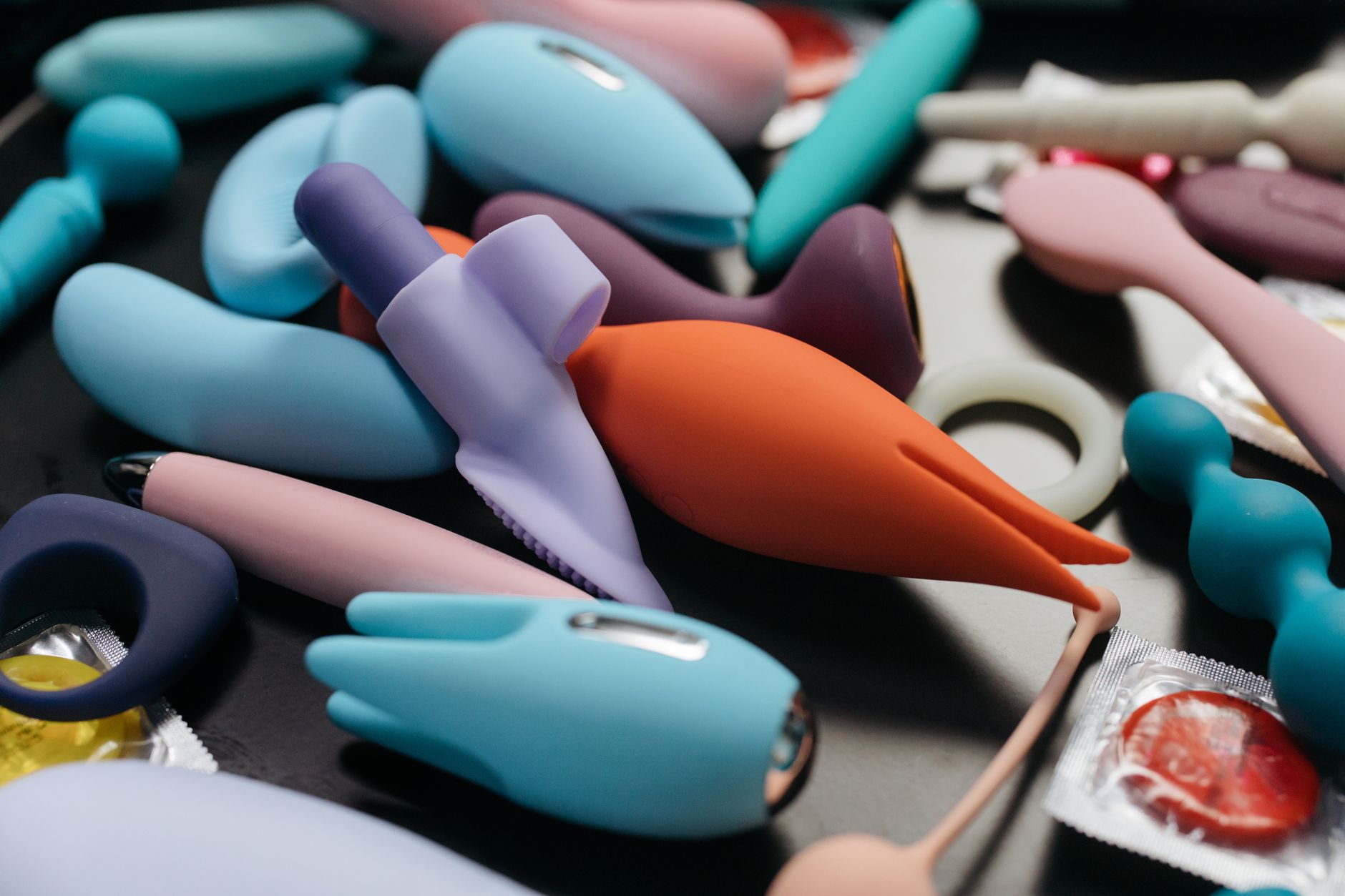
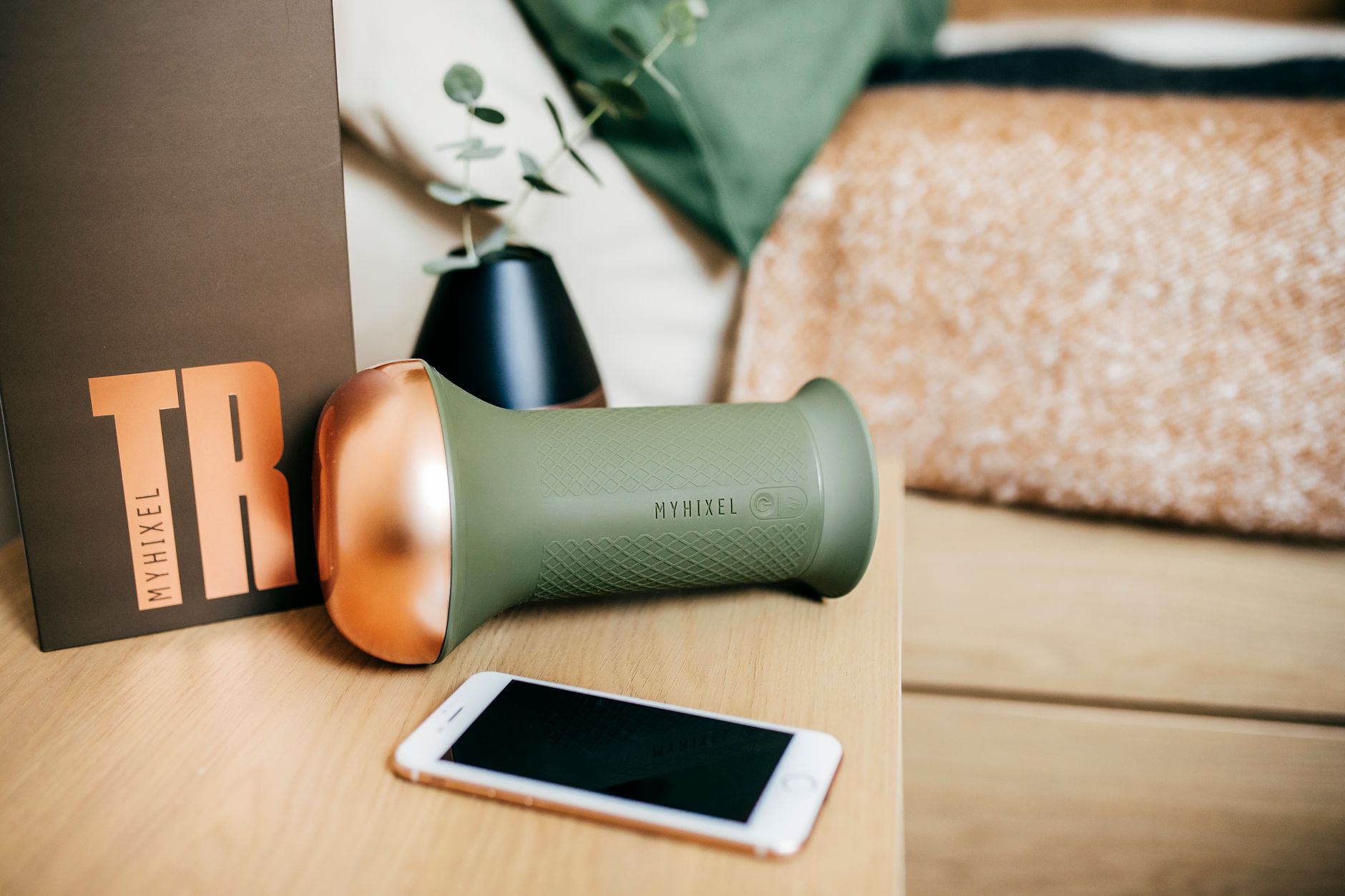
Most male masturbators can be broken down into an outer shell, a soft inner sleeve and an internal canal that provides texture. The shell defines the overall length and weight and influences how easy it is to hold or rest on the body during use. The sleeve is the soft, elastic part that wraps around the penis, while the canal’s ridges, ribs and narrow sections create changes in pressure and friction. Common types include simple straight canals for beginners, vacuum-style cups that focus on suction, removable-sleeve designs that open for cleaning, and motorised toys with vibration or automatic stroking. The more features a toy has, the more attention it often requires in terms of charging, noise control and cleaning steps, so it helps to think about which functions will genuinely be used rather than just collecting options on paper.
Fixed vs removable designs and what that means for cleaning
One of the most practical distinctions is whether the sleeve can be fully removed from the shell. Fixed designs have a sealed body and are usually ready to use after adding lube, which makes them discreet and convenient to store. However, the canal can be harder to access, so users need to take extra care when rinsing and draining water; if moisture remains trapped, odours and surface changes may appear over time. Removable designs allow the sleeve to slide out and be rinsed more thoroughly under running water, which many people find reassuring for hygiene. Some models even let the shell fold open so airflow reaches the entire surface. The trade-off is that the toy may take longer to assemble and dry, and the extra joints can make the shell slightly bulkier, which matters for those sharing a small apartment or hiding the toy in a limited storage space.
Materials: TPE, silicone and hard shells
Materials strongly shape both sensation and maintenance. Many soft sleeves are made from TPE, a very elastic material that can feel plush and stretchy, which is why it is used in many “realistic” designs. At the same time, TPE can pick up dust and fibres easily and often benefits from a light coat of renewal powder once dry to keep the surface smooth. Silicone sleeves usually feel a bit firmer and more supportive, with a consistent texture that some users find easier to control. Silicone is often more stable under heat and tends to hold less residual smell, which can be appealing for people who are sensitive to odours. Most outer shells are made from ABS or similar hard plastics and sometimes include rubberised grips or grooves to reduce slipping. When reading product pages, it is helpful to look for clear material labelling and any mention of skin-contact safety testing, especially for users with a history of allergies or sensitive skin. If there is doubt, starting with a simple, well-documented material combination is usually a safer move than chasing extreme textures.
Internal canal design and who each style suits
Internal canals range from almost smooth tunnels to complex pathways with multiple tight spots, spirals and nodules. Smoother, straighter canals tend to feel milder and are often easier for beginners or people focusing on pace and stamina rather than intense peaks. As ridges, ribs and sudden narrowings are added, the sensation becomes more varied and can feel lively, but it may also mean that small changes in angle or speed create stronger feedback. Some designs create suction by having a closed or semi-closed end, and by allowing the user to control air flow through a small valve or loosened cap. To keep the experience comfortable, it helps to avoid sealing the toy completely so air can escape, and to use enough lube to let the canal’s structure work without scraping. People who tend to climax quickly sometimes appreciate starting with a mid-level texture and moderate tightness, then gradually adjusting patterns as they learn how different canals influence their tempo.
Size, weight and lifestyle considerations
Beyond structure, size and weight have a big impact on how realistic and practical the toy feels in daily life. Compact sleeves are short, light and easy to tuck into a drawer or travel pouch and can fit discreetly on a shelf disguised as a small container. They rely mainly on hand control and can be convenient for quick sessions. Medium and larger toys often offer a wider contact area and more stability, making them easier to rest against the body while lying down or sitting. However, heavier devices can become tiring to hold if sessions are long. Noise also matters for many users, especially those in shared housing or thin-walled apartments. Simple, non-motorised models are usually quieter, producing mainly the sound of movement and lube. Motorised or automatic toys introduce additional noise from the motor, so readers concerned about privacy may want to look for models that describe their noise level clearly or plan to mask sound with music or white noise.
Choosing for beginners vs experienced users
For someone buying a masturbator for the first time, ease of use and straightforward cleaning usually matter more than advanced features. A mid-priced toy with a removable sleeve, a medium-length canal and a gentle texture is often enough to explore sensations without feeling overwhelmed. Many brands offer lines explicitly labelled as beginner-friendly or everyday, which tend to strike a balance between stimulation and manageability. Experienced users who already know what they like might focus on specific aspects such as tighter openings, more pronounced textures, adjustable suction or modular designs with swap-in sleeves. Some people enjoy owning one simple, reliable toy for regular use and one more elaborate model for occasional variety. Since sexual experience is personal and diverse, there is no single “best” toy, and what matters most is that the user feels comfortable adjusting or changing devices as preferences evolve over time.
Step-by-step cleaning: from rinse to dry
A simple and repeatable cleaning routine helps keep a masturbator in good shape. After each use, it is generally recommended to empty out remaining lube and fluids, then rinse the canal with lukewarm water, gently squeezing the sleeve so water moves through the texture. For removable sleeves, the insert can be taken out and partially turned to expose more of the surface; however, fully inverting thin materials may stress seams, so a moderate approach is often enough. Some people use a mild, unscented toy cleaner when extra reassurance is desired, while avoiding harsh soaps, alcohol or strong fragrances that could damage the material. Once rinsed, the sleeve can be shaken to remove excess water, patted dry with a clean towel on the outside and then left in a well-ventilated, shaded area until completely dry. Storing a damp toy in a closed shell or bag can trap moisture, so giving it time to air out is an important part of the process, even if it adds a few minutes to the routine.
Storage and privacy-friendly setups
Storage habits influence both hygiene and peace of mind. Many toys come with caps or cases that protect the canal from dust; using these consistently helps reduce the need for extra wiping before use. For those sharing space with roommates or family, a neutral-looking box or pouch can make a big difference. Some people group their masturbator, lube and a small towel in a plain container so everything is ready in one place while appearing like ordinary storage. It is also useful to avoid overly humid locations such as directly on a bathroom floor or near an always-steamy shower. A bedside drawer, wardrobe shelf or lockable box tends to offer a drier environment and more control over who can access the item. Households with children or frequent guests may benefit from an extra layer such as a lock or code-based lockbox to clearly separate adult items from shared belongings.
Closing thoughts and safety reminders
There is no universal rule for what makes the ideal male masturbator, because every body and context is different. Understanding how structure, material and maintenance fit together allows readers to select toys that align with their own rhythms, privacy needs and budget rather than relying solely on bold claims. If discomfort, irritation or other concerns arise during or after use, it is sensible to pause and, if needed, ask a healthcare professional for advice; information in this article is for general reference only and is not a medical diagnosis. Treating masturbators as a normal, adult-only product and building a simple routine around cleaning, storage and lube choice can turn solo time into a predictable, low-stress habit instead of a source of worry. Over time, users can adjust or upgrade their toys as they become more familiar with what feels comfortable and sustainable in their daily lives.
FAQ
What should beginners look for in a first male masturbator?
Beginners may find it easier to start with a medium-sized toy that has a simple, gently textured canal and a removable sleeve for straightforward cleaning. A clear material list and a design that is easy to grip can reduce anxiety about both safety and handling. Choosing a model that works well with water-based lubricant and fits comfortably in a drawer or travel pouch also helps it blend into everyday life.
How often should a male masturbator be cleaned?
Most manufacturers recommend cleaning a masturbator after every use so that lubricant and bodily fluids do not sit inside the canal. Rinsing with lukewarm water and allowing the sleeve to dry fully before storage lowers the chance of odour or surface changes. If the toy has been stored for a long time without use, a quick rinse and inspection before the next session can also be reassuring.
Do I always need to use lubricant with a male masturbator?
Using lubricant is generally advised because it reduces friction and allows the canal’s design to work as intended. Water-based lubricants are commonly suggested for sleeves made from TPE or silicone since they are easy to wash out and tend to be compatible with many materials. People with sensitive skin may prefer products with simple ingredient lists and can monitor how their body responds, adjusting if any discomfort appears.
What should I do if I feel irritation when using a masturbator?
If irritation, burning or unusual redness occurs, it is a good idea to stop using the toy and review recent changes in lube, cleaning agents or intensity of use. Sometimes reducing friction, slowing down or switching to a milder texture can make a difference. If discomfort persists or worsens, consulting a healthcare professional is recommended, and the information in this guide should be treated as general reference rather than a medical opinion.