Whether a sex toy is safe depends less on its appearance or price than on its material, instructions, cleaning routine, and storage conditions. Beginners commonly ask whether certain materials are suitable for intimate contact, whether washing is enough, which lubricants can be used, whether partners can share a toy, and how private an online purchase will be. This guide addresses those five questions in practical terms, with a focus on choosing products with clear specifications rather than relying on vague marketing claims. It is intended for adults and provides general sexual-health information only; anyone experiencing persistent pain, bleeding, unusual discharge, or significant irritation should stop using the product and seek advice from a qualified healthcare professional.
1. Which materials are a sensible starting point?
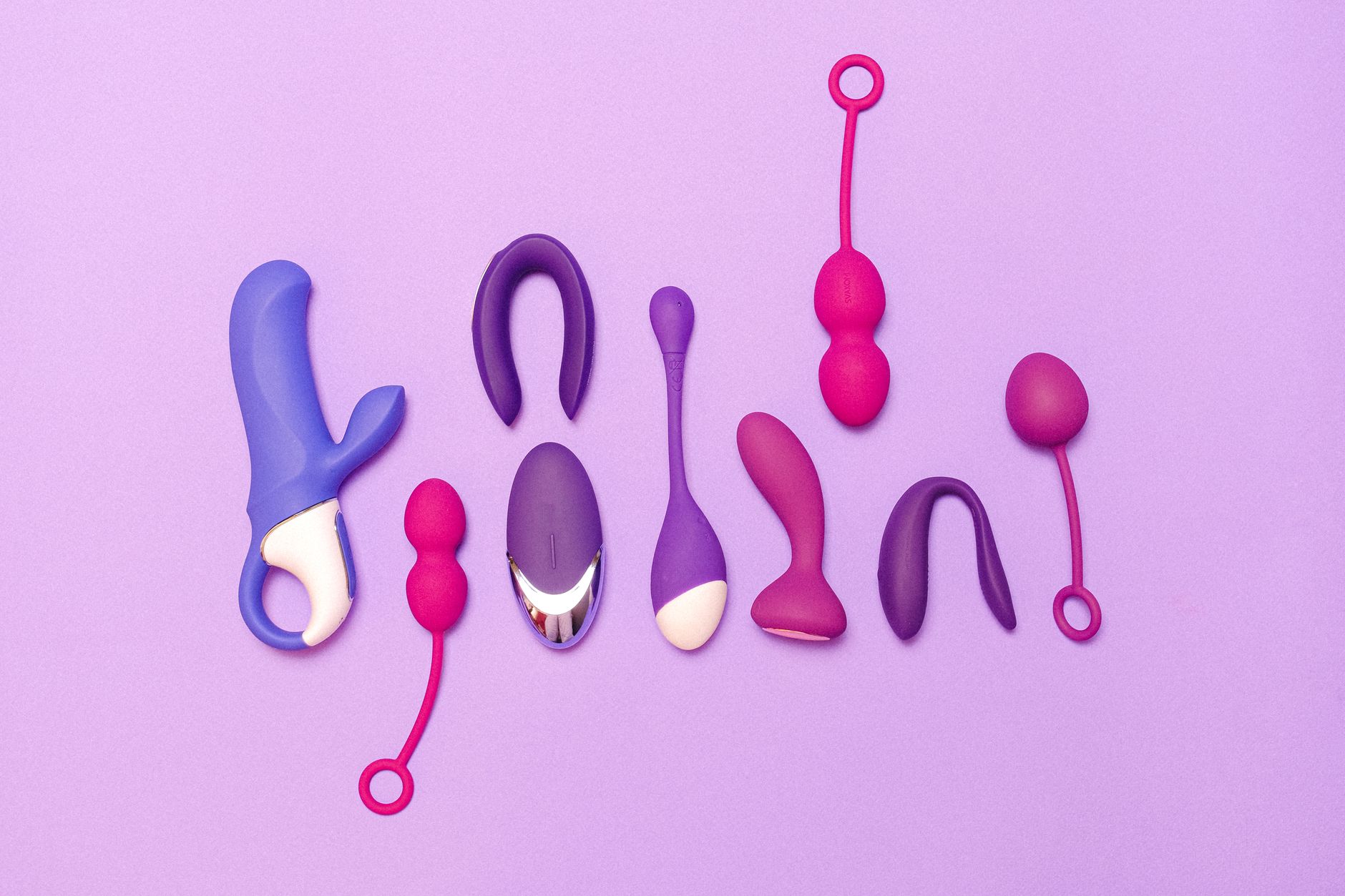
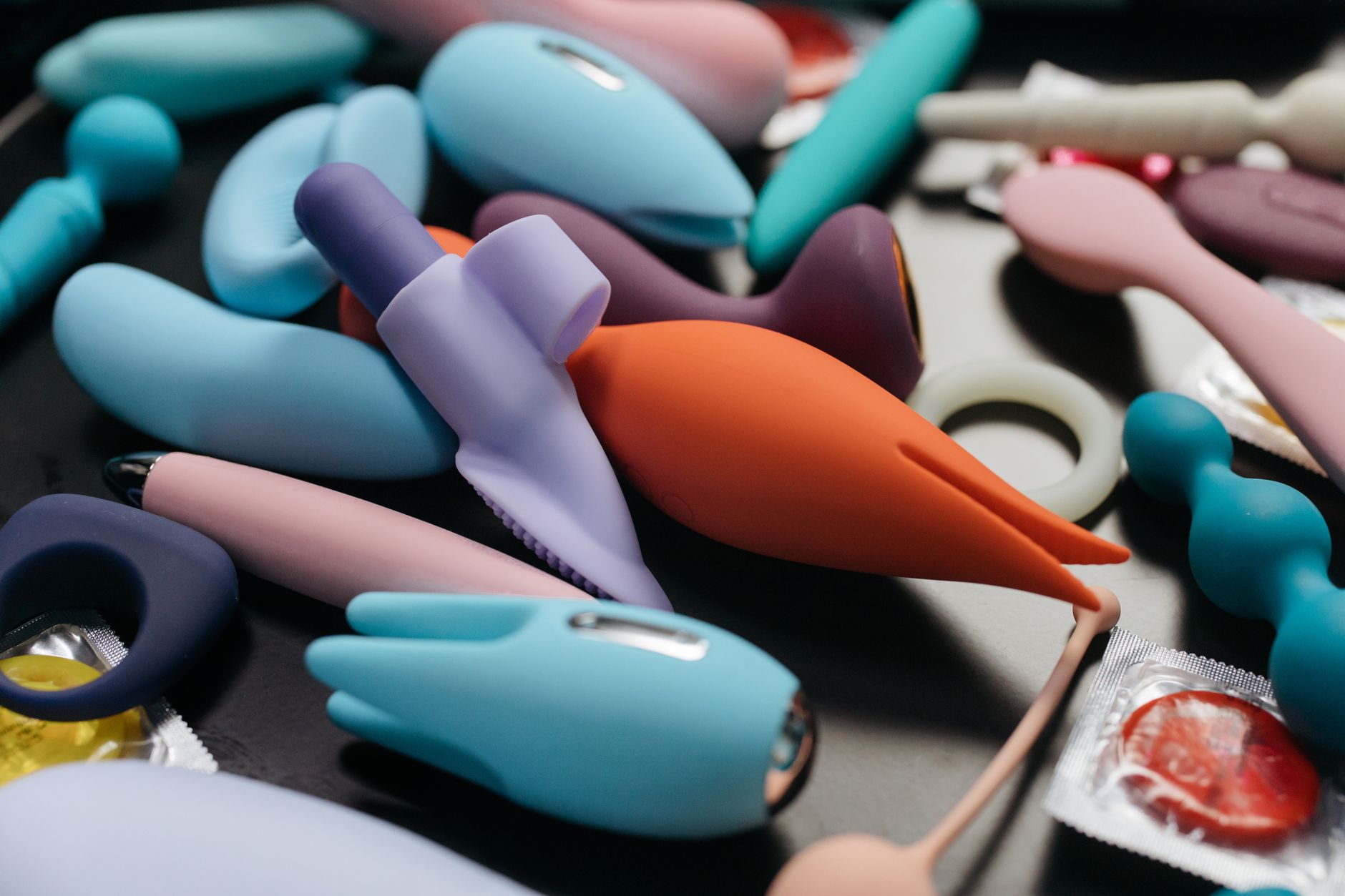
Material is one of the most useful safety checks because labels such as “soft,” “realistic,” or “premium” do not identify what the product is made from. For toys that contact the mouth, vagina, or anus, beginners can look for clearly identified nonporous materials, such as pure silicone, hard ABS plastic, stainless steel, or shatter-resistant glass. These surfaces are generally easier to clean because they do not absorb fluids in the same way as porous materials. Silicone blends, TPE, TPR, PVC, vinyl, jelly rubber, and other elastomer-like materials may be porous or difficult to verify, meaning washing may only address the surface. A responsible listing should provide the exact material, dimensions, care instructions, manufacturer information, and warnings; if it only says “body safe” without details, that is not enough information for a confident decision.
2. What is the right way to clean a toy?
Cleaning should follow the manufacturer’s instructions because waterproof ratings, charging ports, seams, and motors vary widely. A washable toy may usually be cleaned with warm water and mild, unscented soap, paying attention to grooves and joins before rinsing and drying it completely. A non-washable electronic toy should be wiped with a lightly damp cloth rather than submerged. Bleach, alcohol, scented body wash, and harsh cleaners can damage surfaces or leave irritating residue, so they should not be substituted casually. If a toy has been used anally, it should be thoroughly cleaned before contact with another body area, or covered with a fresh condom; porous materials are harder to clean reliably, which is why an easy-to-wash material can be a more practical beginner choice.
- Confirm whether the product is washable, splashproof, or fully waterproof.
- Clean it after every use and let it dry completely before storage.
- Stop using it if the surface becomes sticky, cracked, damaged, or develops an unusual odor.
3. Can every lubricant be used with every toy?
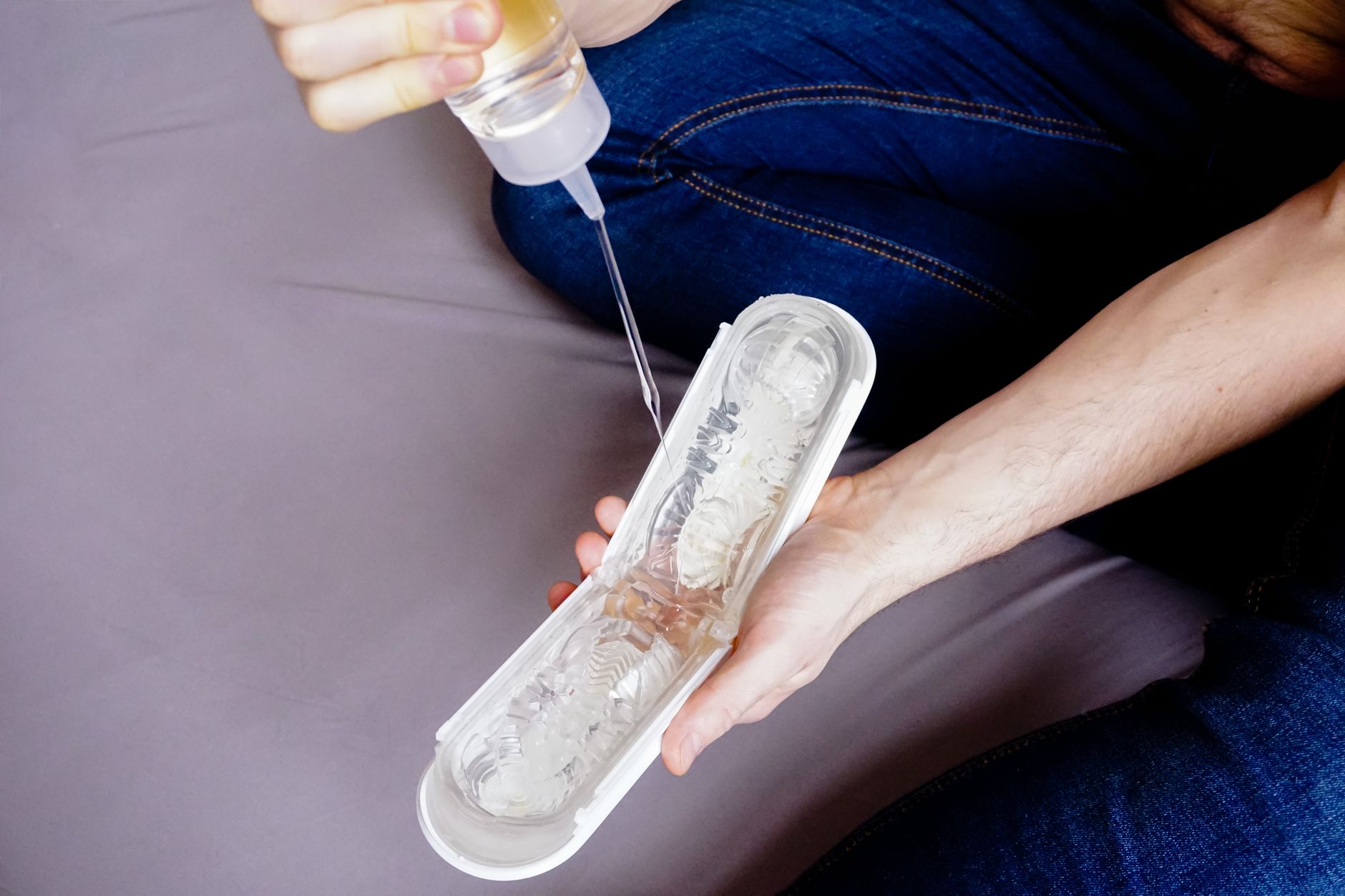
Lubricant compatibility is a frequent source of avoidable damage. Water-based lubricants are often a straightforward starting point, but the product instructions should still be checked. Silicone lubricant may affect some silicone toys after prolonged contact, so it is better avoided unless the manufacturer confirms compatibility. Oil-based products can weaken latex condoms and may make some toy materials sticky or harder to clean. A small, inconspicuous patch test can reveal swelling, discoloration, softening, or tackiness before the toy is used more widely. Adequate lubrication can reduce friction and discomfort during insertion, and anal use requires particular care because the tissue is more vulnerable to injury. If a person has recurring pain, dryness, or irritation, changing products alone may not address the cause; a healthcare professional can provide more appropriate advice.
4. Is sharing a sex toy safe?
Sharing is not only a cleaning question because body fluids can remain on a toy and may carry infections between users. A safer approach is to choose a nonporous material, clean it fully between users, and use a new condom over the toy each time it changes hands. If moving from the anus to the vagina, mouth, or another body area, the condom should be replaced and the toy cleaned again. Porous toys can retain contamination even after washing, so they are not ideal for repeated sharing. Partners should pause sharing if either person has an open sore, blister, unusual discharge, or a suspected sexually transmitted infection, and seek professional advice when needed. Consent and communication matter as well: partners can agree in advance about cleaning, barrier use, which areas are off-limits, and how either person can ask to stop.
5. How can online buyers protect quality and privacy?
A beginner does not need the most complicated product; complete information is more valuable than a long feature list. A reliable listing should identify the material, measurements, power or charging details, water-resistance level, cleaning method, warranty, and return restrictions. Be cautious when a product makes exaggerated promises but gives no manufacturer, material details, or safety instructions. For privacy, check whether the store uses plain packaging, what appears as the sender name, how invoices describe the item, and what order or browsing information the platform retains. When the package arrives, inspect the seal, surface, accessories, and instructions before use; do not use an item that appears opened, damaged, unusually scented, or poorly finished. Because intimate products may have hygiene-based return limits, checking the policy before ordering is especially important.
A simple safety checklist for beginners
A practical first-time checklist is: identify the material, read the care instructions, confirm lubricant compatibility, plan clean storage, and pay attention to physical reactions. After cleaning, let the toy dry fully and store it in a clean, dry, dark place, preferably in a pouch or box that prevents contact with incompatible materials. Electronic products should be kept away from excessive heat and moisture, charged according to the manufacturer’s instructions, and checked periodically for damage to the casing, cable, or charging contacts. Stop immediately if use causes pain, burning, numbness, bleeding, or persistent irritation. For many beginners, a simple, washable product with clear labeling is easier to manage than a feature-heavy product with uncertain specifications.
Sex toys can be part of adult private life, but safety should not be judged by branding or reviews alone. Clear material labeling, careful cleaning, compatible lubricant, barrier protection when sharing, and prompt attention to unusual symptoms are practical foundations for responsible use. Product details such as waterproof ratings, warranty terms, storage guidance, and discreet shipping may seem less exciting than appearance or features, but they affect everyday safety and convenience. This article is general educational information, not a substitute for individualized advice from a doctor, nurse, or sexual-health professional.
FAQ
What should beginners check before buying a sex toy?
Start with the exact material, washable or waterproof status, cleaning instructions, lubricant compatibility, dimensions, warranty, and return policy. A listing that only uses vague terms such as “body safe” without identifying the material should be treated cautiously.
Can silicone lubricant be used with a silicone sex toy?
Not always. Silicone lubricant can affect some silicone toys over time, so it should only be used when the manufacturer confirms compatibility. Otherwise, a suitable water-based lubricant is often a simpler starting option, subject to the product instructions.
How can partners share a sex toy more safely?
Clean the toy according to its instructions between users and use a new condom or other suitable barrier each time it is shared. Replace the barrier and clean the toy again when moving between the anus, vagina, mouth, or another body area, and avoid sharing if either person has sores or infection concerns.
What should someone do if a toy causes pain or burning?
Stop using it immediately and avoid trying to mask the reaction with harsh cleaners or continued use. If pain, bleeding, swelling, unusual discharge, or burning persists, seek advice from a qualified healthcare professional.