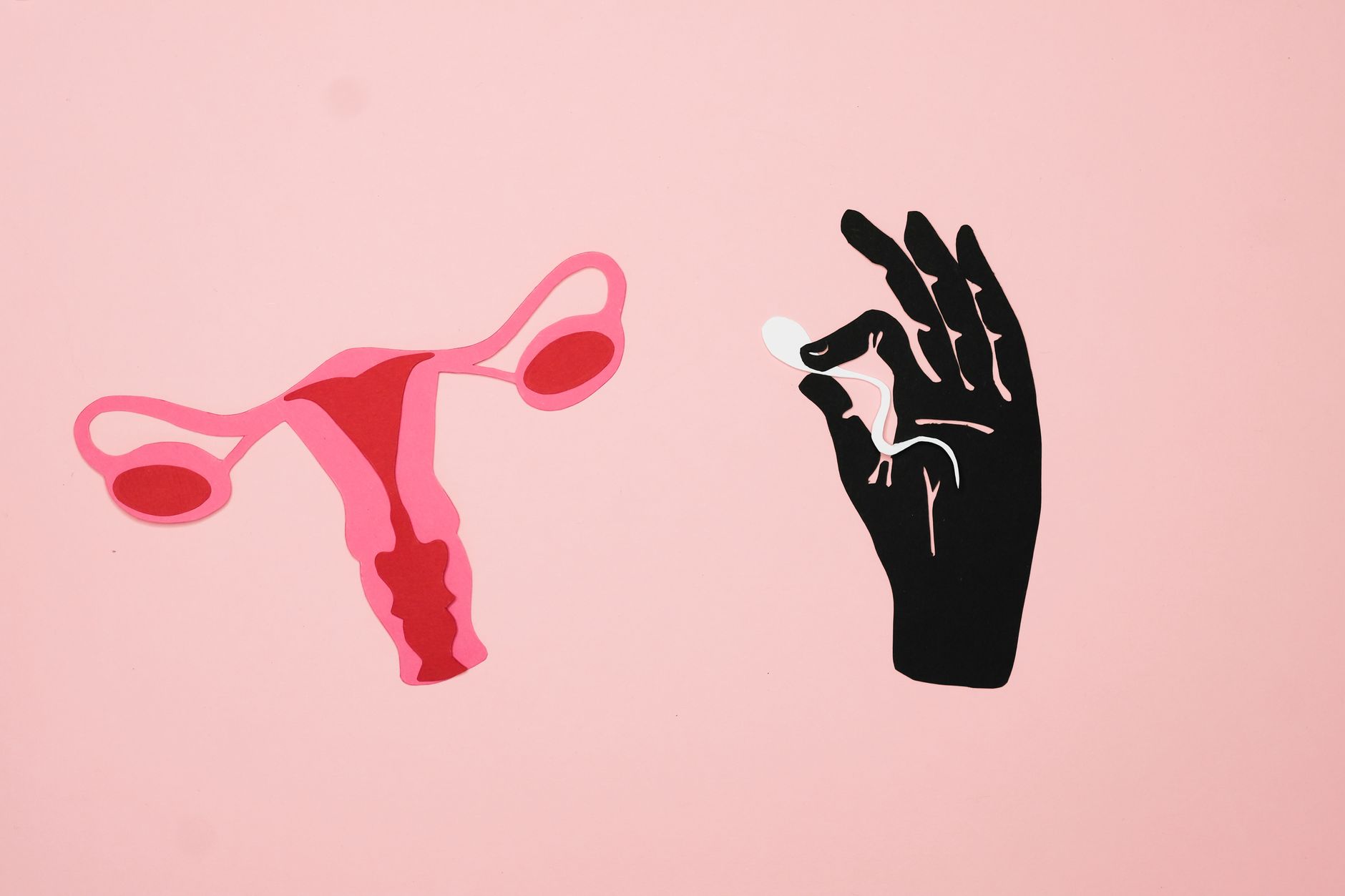
The prostate is an organ many adult men have heard about without knowing exactly where it is. In simple anatomical terms, it sits below the bladder, in front of the rectum and behind the pubic bone. The urethra passes through the gland as urine leaves the bladder, so prostate-related changes may be noticed through urinary symptoms as well as pelvic or ejaculatory discomfort. This guide explains the prostate’s position, its relationship with nearby organs and the warning signs that merit medical evaluation. It is general health education, not a diagnosis.
Where exactly is the prostate?
The prostate is deep inside the lower pelvis, not on the surface of the penis or scrotum. Its upper portion is near the bladder outlet, its front is close to the pubic bone and its back lies next to the rectum. The urethra runs through the middle of the gland, forming the section commonly called the prostatic urethra. Because the rectum is directly behind the prostate, a clinician may assess part of the gland through a digital rectal examination when that examination is appropriate.
A useful beginner’s image is a small gland surrounding the first section of the urethra rather than a separate tube. Urine passes through the urethra in this region, while ducts associated with the reproductive system join the urethral pathway nearby. The prostate is not the same as the bladder, testicles or penis; each has a different location and role. Keeping those structures distinct makes it easier to describe symptoms and understand a medical report.
How is the prostate connected to the bladder and urethra?
The bladder stores urine, while the urethra carries urine out of the body. The prostate sits close to the junction between them, and the urethra passes through it. If the prostate becomes enlarged or inflamed, some people may notice a slower stream, difficulty starting, straining, dribbling after urination or a sensation that the bladder has not emptied completely. These are lower urinary tract symptoms, but they do not identify one specific cause by themselves.
Night-time urination, sudden urgency and frequent trips to the bathroom can also have several explanations, including bladder function, fluid intake, caffeine, medication or other health conditions. If a change continues or interferes with sleep and daily activities, it is useful to record when it happens, how often it occurs and whether pain or blood is present. A primary-care clinician or urologist can then decide which examination or tests are appropriate instead of relying on a single symptom.
What does the prostate do in the male reproductive system?
The prostate is a gland in the male reproductive system. It produces fluid that becomes part of semen and is located near the seminal vesicles, the terminal portions of the reproductive ducts and the urethra. Although urination and ejaculation use parts of the same passage, they are different physiological processes involving coordinated muscles, nerves and organs. For that reason, a sexual symptom should not automatically be attributed to the prostate.
Online adult content can create the impression that the prostate has only a sexual role, but that is incomplete. It is a normal anatomical structure, and urinary changes are often more relevant to everyday health than any particular sensation. Any intimate activity involving an adult, consenting person should be approached with communication, hygiene and attention to comfort. Pain, bleeding or persistent discomfort is a reason to stop and seek professional advice rather than continue based on online anecdotes.
What prostate-related conditions are commonly discussed?
Commonly discussed conditions include benign prostatic enlargement, prostatitis and illnesses that require medical assessment, including prostate cancer. Benign enlargement may occur with aging and can narrow the passage around the urethra. Prostatitis may involve burning urination, pelvic or perineal pain, painful ejaculation, fever or chills in some cases. Early prostate cancer may not cause obvious symptoms, so screening decisions should consider age, family history, personal risk and a clinician’s advice.
Similar symptoms do not necessarily have the same cause. A weak stream may involve the prostate, bladder or urethra, while pelvic pain can also arise from muscles, nerves or other systems. Depending on the situation, a clinician may consider a urine test, physical examination, prostate-specific antigen testing or imaging. Each test has a particular purpose and limitations; one result should not be treated as a diagnosis on its own. Bringing a medication list and relevant family or medical history can make the visit more useful.
Which symptoms should prompt medical care?
Persistent or recurrent difficulty urinating, a noticeably weak stream, urgency, frequency, night-time urination, painful urination, blood in the urine or blood in the semen should be discussed with a healthcare professional. Ongoing pain in the perineum—the area between the scrotum and anus—or pain involving the penis, scrotum, lower back, pelvis or rectal area also deserves attention. These symptoms do not automatically indicate a serious disease, but delaying evaluation can make the underlying cause harder to clarify.
Immediate medical help is appropriate if someone cannot urinate at all, or has severe lower-abdominal pain, fever, chills or marked illness together with urinary symptoms. Blood in the urine should not automatically be blamed on the prostate because other parts of the urinary tract may be involved. Before an appointment, record when symptoms began, how often urination occurs, whether sleep is interrupted, changes in urine colour and any medicines that might affect urination. This information can help the clinician assess the situation more accurately.
How can beginners avoid common misunderstandings?
A frequent misconception is that every change in urination means benign prostate enlargement, even though symptoms alone cannot confirm that diagnosis. Another is that the absence of symptoms means no health discussion is ever needed; some conditions may be quiet early on, and screening should be considered according to individual risk. A third is confusing the prostate with the testicles, penis or bladder. These structures are connected within the reproductive and urinary systems, but their anatomy and functions are different.
Once the basic anatomy is clear, three observations are useful: whether urination has changed persistently, whether pelvic or perineal pain is unusual, and whether warning signs such as blood or fever are present. Health information can help someone organise questions and prepare for an appointment, but it should not be used for self-diagnosis or unsupervised medication decisions. If symptoms persist or cause concern, speaking directly with a primary-care clinician or urologist is more reliable than repeatedly searching for an answer online.
FAQ
Can the prostate be felt from outside the body?
The prostate is deep inside the pelvis, so it usually cannot be felt from the outside. When clinically appropriate, a healthcare professional can assess part of it through the rectal wall during a digital rectal examination.
Do prostate problems always cause difficulty urinating?
No. Some prostate conditions may cause few or no noticeable symptoms. Urinary difficulty can also involve the bladder, urethra, medications or other factors, so persistent changes should be assessed by a clinician.
When should urinary or prostate symptoms be treated as urgent?
Inability to urinate, urinary symptoms with fever and chills, severe lower-abdominal pain or blood in the urine warrant prompt medical attention. Recurrent but non-emergency symptoms should still be discussed with a primary-care clinician or urologist.