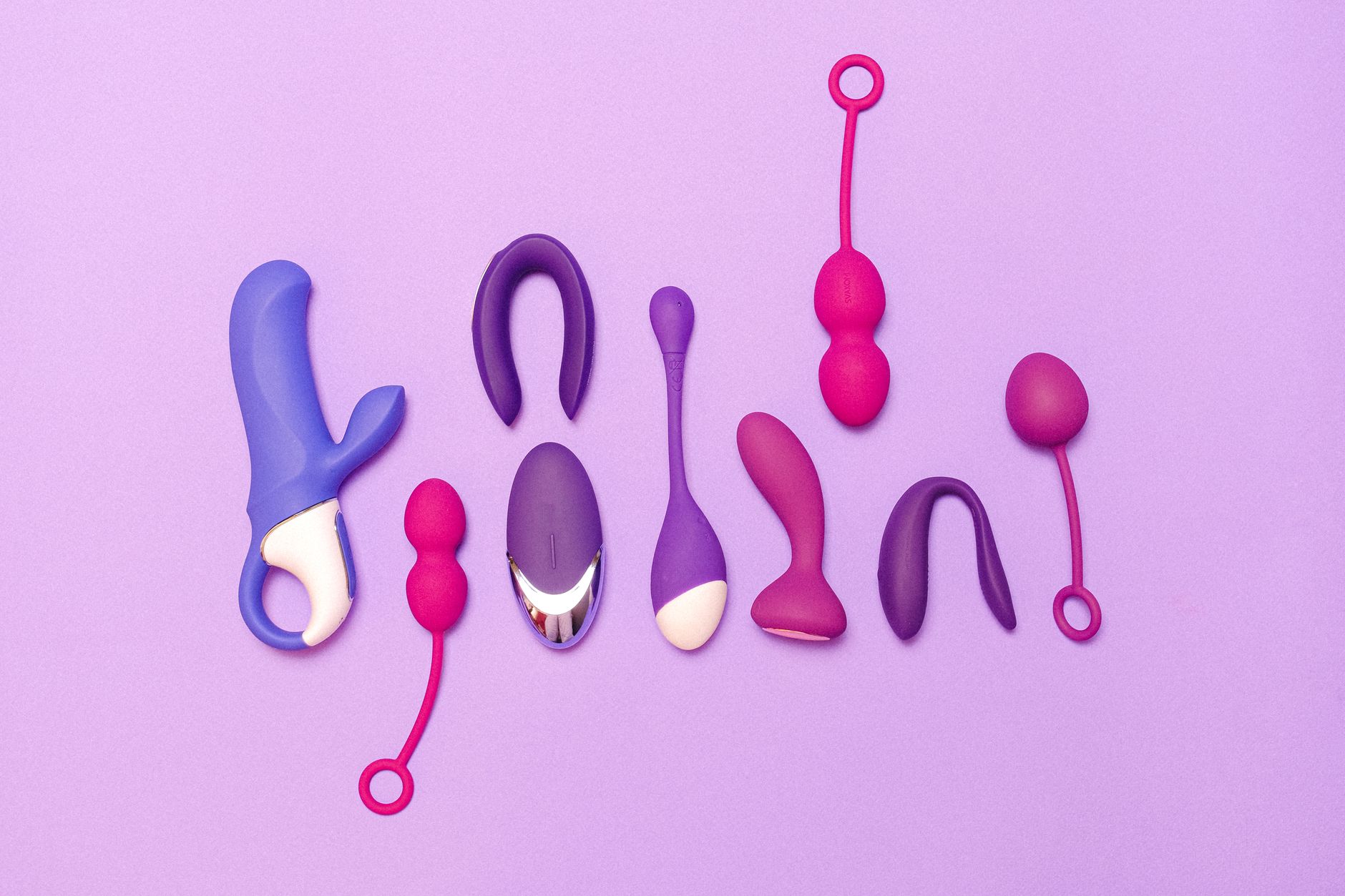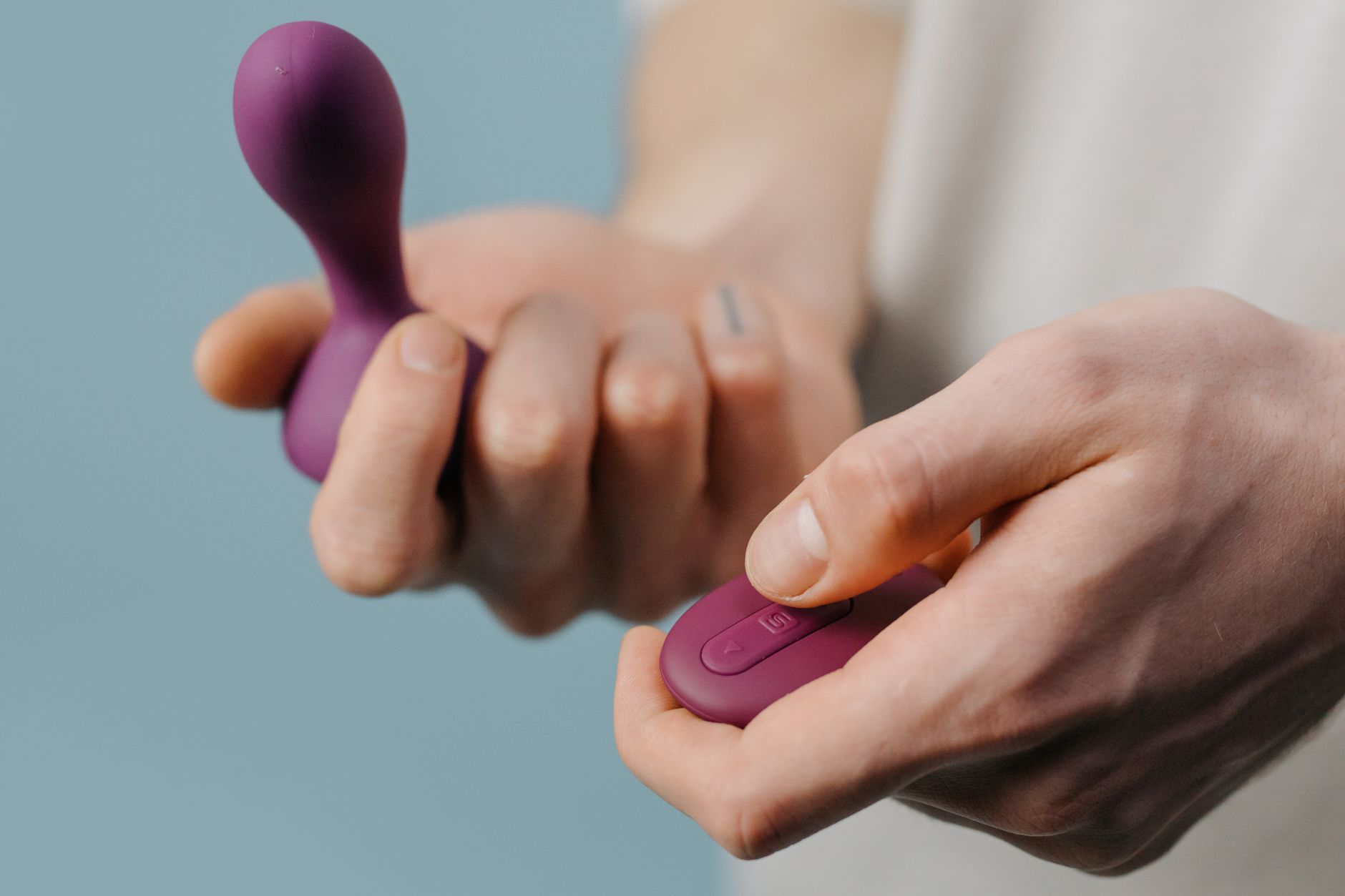
Advanced vibration and electro-stimulation toys may offer multiple patterns, remote controls and finely adjustable settings, but the highest available setting is not a universal safety limit. A sensible limit depends on the device design, contact area, battery condition, skin response and the user’s health on that day. Electro-stimulation products require particular care because sensation can change with electrode placement, skin moisture, contact pressure and the electrical pathway. This guide focuses on practical risk awareness for adults and does not replace medical or sexual-health advice; persistent pain, numbness, burning, unusual bleeding or other concerning symptoms warrant professional assessment.
Understand the difference between vibration and electrical stimulation
Vibration toys use a motor to create mechanical movement, so users can usually identify changes in speed, pressure and intensity directly. Electro-stimulation devices send a controlled current through electrodes and the skin, meaning the same setting may feel different depending on placement, moisture, contact quality and waveform. Electrical stimulation should never be treated as simply “stronger vibration,” and household electricity, modified equipment or products with unclear specifications should not be substituted for a purpose-designed adult device. Before use, check whether the product provides:
- Clear instructions about modes, limits and approved contact areas.
- A physical stop button, rapid reduction control and protection against accidental activation.
- Removable electrodes or conductive pads that can be cleaned, with an intact housing and undamaged cables.
Let body feedback define the practical limit
Start at the lowest setting and change only one variable at a time. For example, keep the contact position stable while increasing intensity gradually, rather than changing pressure, mode and duration together. A tolerable sensation should settle quickly after the setting is reduced; sharp pain, burning, uncontrolled muscle contractions, pronounced numbness, skin discoloration or reduced sensation are reasons to stop rather than “push through.” Avoid holding a vibration device against one spot for a prolonged period, since fatigue or temporary numbness can make the stimulation seem milder than it is. Alcohol, sleep deprivation, recent strenuous exercise, open skin and altered sensation can all make feedback less reliable, so postponing use is the safer option.
Consider contraindications and current pathways
With electro-stimulation, the electrical pathway matters as much as the intensity setting. Do not place electrodes on the chest, the front of the neck, the head or any area not listed by the manufacturer, and do not create a pathway across the chest. Anyone with a pacemaker, implanted electronic medical device, a history of epilepsy, cardiovascular disease, sensory neuropathy or pregnancy should consult an appropriate healthcare professional before use. Electrodes should not be applied to broken skin, active irritation, infection or freshly shaved areas that feel sensitive. Use only the conductive medium specified by the manufacturer; excessive moisture can unexpectedly change contact and sensation. Cracked electrodes, failing adhesive or damaged leads are replacement issues, not reasons to increase output.
Materials, cleaning and battery condition matter
Safety also depends on the surface that touches the body, seams, cleaning method and storage environment. Silicone, glass and metal have different care requirements, while a water-resistant rating may apply only to the main unit and not to the charging port, controller or electrode connections. Read the manual before rinsing or submerging any component. Electrodes and conductive pads should be wiped, dried and stored exactly as directed; alcohol, essential oils and aggressive cleaners can damage surfaces or leave irritating residues. Stop using and charging a device if it swells, overheats, develops a burnt smell, behaves erratically, has a failing button or shows charging abnormalities. Do not open the unit or improvise repairs unless the manufacturer specifically supports that process.
Establish a stop system for partner use
Remote-controlled play can create a communication gap when the person holding the controller cannot fully sense what the other person is experiencing. Before starting, agree on a spoken safeword, hand signal or physical control rule, and distinguish clearly between “turn it down” and “stop now.” If the device has a lock or remote function, confirm that the user can quickly regain control. Silence should never be interpreted as consent, and stimulation should not continue when someone is intoxicated, confused or unable to respond clearly. After each mode or intensity change, allow time for feedback instead of stacking adjustments. A brief post-use check of skin color, sensation and lingering discomfort is more useful than chasing increasingly complex settings.
When to stop and seek help
A temporary pressure mark or mild redness may be related to contact, but persistent pain, numbness, burning, swelling, broken skin, unusual bleeding or altered sensation should not be tested repeatedly. After electro-stimulation, chest discomfort, palpitations, dizziness, breathing difficulty, sustained involuntary muscle activity or other whole-body symptoms require immediate discontinuation and appropriate medical attention. If medical care is needed, note the device model, setting, contact location, duration and order in which symptoms appeared. If the product may be defective, keep the receipt, batch information and photographs so the retailer or manufacturer can investigate.
A practical checklist for experienced users
Advanced use is not about reaching the highest setting; it is about preserving a clear and immediate way to stop. Before purchase, review materials, output information, warranty coverage, cleaning requirements and replacement-part support. Before use, inspect the housing, cable, electrodes, charge level and controller; during use, begin low, avoid prolonged stimulation in one place and reassess after every change. Afterward, clean, dry and store components separately, and avoid sharing products unless the design and protective measures explicitly support it. When the manual and body feedback conflict, stopping, resting and seeking qualified advice should take priority over experimentation. These products are for adults only, and any partner interaction requires ongoing, freely given consent.
FAQ
How high should an advanced vibration toy be set?
There is no single setting that fits every person or device. Start low, change one variable at a time and monitor the body’s response. Sharp pain, burning, pronounced numbness or skin discoloration means the user should reduce intensity or stop.
Who should avoid using electro-stimulation toys without medical advice?
People with pacemakers or implanted electronic medical devices, a history of cardiovascular disease or epilepsy, altered sensation, or pregnancy should consult an appropriate healthcare professional first. Electrodes should also not be placed on broken, infected or actively irritated skin.
Can electro-stimulation electrodes be placed on the chest or neck?
They should not be placed on the chest, the front of the neck, the head or any area not approved by the manufacturer. The current pathway creates safety considerations, so the device manual and qualified professional guidance should take priority.
When does numbness after use require medical attention?
Stop using the product if numbness, pain, burning, swelling, skin damage or altered sensation does not settle after rest. Chest discomfort, palpitations, dizziness or breathing difficulty require prompt medical assistance.