Blindfold and sensory play can create anticipation through sound, touch, temperature, and guided attention, but the experience should never depend on confusion or loss of control. Once vision is covered, ordinary actions such as walking, changing position, or reaching for an object carry more uncertainty, so clear agreements matter more than elaborate equipment. This guide is for consenting adults and focuses on practical preparation: how to negotiate boundaries, choose a comfortable blindfold, set up a room, use reliable stop signals, and close the experience with considerate aftercare.
Consent comes before the blindfold
A useful conversation is more specific than asking whether someone wants to “try a blindfold.” Partners should discuss whether the activity will involve only covered eyes, whether touch is included, whether movement is allowed, which areas are off-limits, and which surprises require a fresh check-in. Consent remains changeable throughout the scene; silence, stillness, or cooperation should not be treated as automatic permission. If anyone is intoxicated, unable to communicate clearly, or becoming panicked, the activity should stop rather than continue on the assumption that the person will settle down.
Many couples use a traffic-light system: green means comfortable, yellow means slow down or check in, and red means stop immediately. Because visual cues are unavailable, it is wise to agree on both a spoken word and a nonverbal signal, such as two taps on an arm or a particular hand squeeze. Test the nonverbal option before starting and make sure it can be recognized from different positions. A stop signal is not an invitation to negotiate; it means the blindfold comes off and the activity ends until both people have had time to reset.
Choosing equipment for comfort and quick removal
For a first attempt, look for a soft, breathable blindfold with smooth edges and a simple fastening method. It should block vision without pressing on the nose, mouth, eyelids, or eyeballs, and it should not be so tight that it leaves strong marks or causes numbness. After putting it on, ask the wearer to breathe normally and describe any pressure, itching, heat, or slipping before the scene becomes more engaging. If the blindfold shifts toward the nose or mouth, stop and reposition it immediately instead of expecting the wearer to tolerate it.
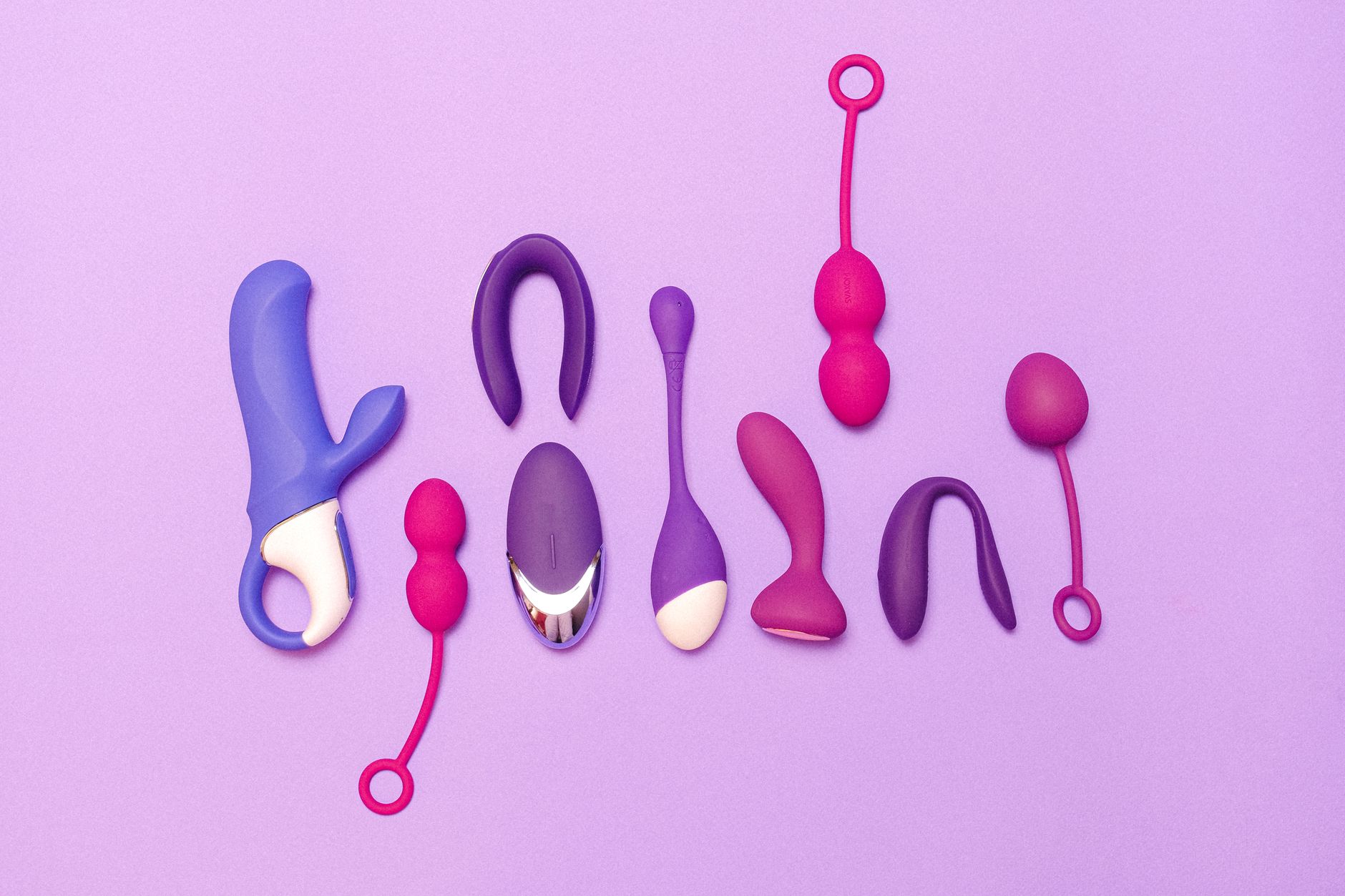
The material touching the skin should be easy to clean and fully dry between uses. If partners want to add sensory props, begin with simple items such as a clean feather, a soft fabric, or a massage tool whose size and handling are familiar. Any electronic toy should be charged, tested, and placed where it can be turned off or removed quickly. Compatibility with lubricant, cleaning instructions, operating noise, and battery condition are practical details that matter more when the wearer cannot see what is happening.
Make the room safe before reducing vision
Before the blindfold goes on, clear the floor of cables, sharp objects, unstable furniture, loose rugs, and small items that could cause a trip. A familiar room with adjustable lighting and no stairs is a better starting point than a complicated or unfamiliar space. The blindfolded person should not be left alone, and movement should never begin with a sudden push or pull. The guiding partner can describe the direction first, then offer a steady arm or shoulder so the person knows how the next movement will happen.
Sensory play removes visual information; it should not remove communication. Check breathing, posture, facial tension, responsiveness, and general comfort at regular intervals, especially if earplugs, movement limits, or a fixed position are added. Stop at once for breathing difficulty, chest discomfort, dizziness, pain, numbness, loss of responsiveness, or clear panic, then remove the blindfold and provide calm support. Anyone with relevant eye, breathing, balance, or trauma-related concerns may wish to consult a qualified professional before experimenting.
Build enjoyment through controlled variation
Once basic trust is established, the most comfortable scenes often combine predictability with limited surprise. The guiding partner might announce an approach before touching the back of a hand, offer two or three different textures to identify, or vary sound and temperature within agreed limits. Surprises can still be part of the experience, but it helps to define their scope in advance: a change in texture may be welcome, while an unexpected object, sudden movement, or unannounced contact may not be.
Beginners usually have more control when they add one variable at a time. Start with a short period of covered vision and conversation, then consider adding touch or sound only if both people remain comfortable. The wearer can keep the option to sit or lie down, put on the blindfold independently, and remove it without assistance. If a vibrator, wand massager, or lubricant is included, discuss the operating method, contact area, cleaning process, and stop procedure while both people can still see and respond easily.
Aftercare is part of the experience
Do not remove the blindfold into harsh light or expect the wearer to stand immediately. Give a clear warning, take the blindfold off gently, and allow the eyes and sense of orientation to return gradually. Water, a blanket, quiet conversation, familiar touch, or a few minutes alone may all be appropriate depending on the person and the agreement made beforehand. Some people want reassurance and discussion, while others need silence; neither response should be treated as a personal rejection.
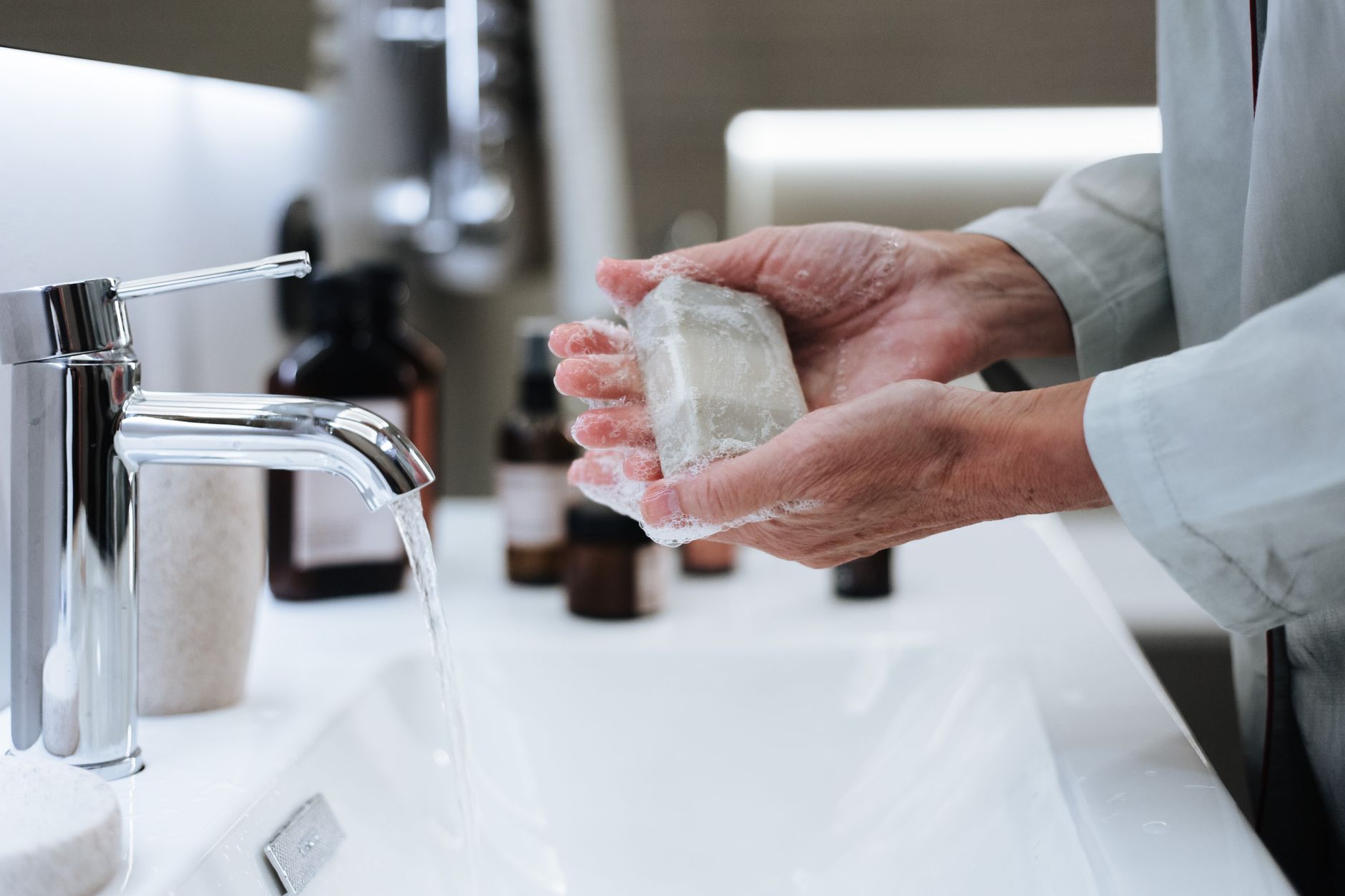
After the scene, clean the blindfold and any skin-contact items according to their materials, and let fabric dry completely before storage. A brief debrief can cover what felt reassuring, which signal was easiest to recognize, whether anything happened too quickly, and what should be changed next time. Persistent pain, breathing problems, numbness, unusual skin changes, or severe emotional distress warrants stopping the activity and seeking appropriate medical or mental health support.
Good blindfold play does not hide boundaries; it makes them usable even when sight is unavailable. Begin with explicit consent, a simple signal system, comfortable breathable equipment, and a clear room, then add sensory variation gradually rather than chasing intensity. If either person becomes uncertain, remove the blindfold and return to ordinary conversation; that is not a failure of the scene but a practical sign that safety remains more important than momentum. This information is for adult intimate activity and general safety reference only; personal medical conditions, trauma history, or ongoing discomfort should be discussed with a qualified professional.
FAQ
How should beginners start with blindfold and sensory play?
Start in a familiar, uncluttered room with a soft breathable blindfold and a short time limit. Agree on spoken and nonverbal stop signals, test comfort and breathing first, and add touch or sound only if both people remain comfortable.
Can blindfold play include earplugs or restricted movement?
It can, but adding several forms of restriction at once makes communication and assistance more difficult. Agree on an alternative signal, a quick removal method, a safe position, and continuous supervision before adding either element.
When should blindfold play stop immediately?
Stop as soon as anyone uses the agreed stop signal or cannot respond clearly. Breathing difficulty, dizziness, pain, numbness, pressure from the blindfold, panic, or reduced responsiveness also require immediate removal and a full pause.
How should a blindfold and intimate toys be cleaned?
Follow the care instructions for each material, wash or wipe fabric as directed, and let it dry completely before storage. Keep electronics away from excess liquid, and avoid sharing items that cannot be thoroughly cleaned between users.