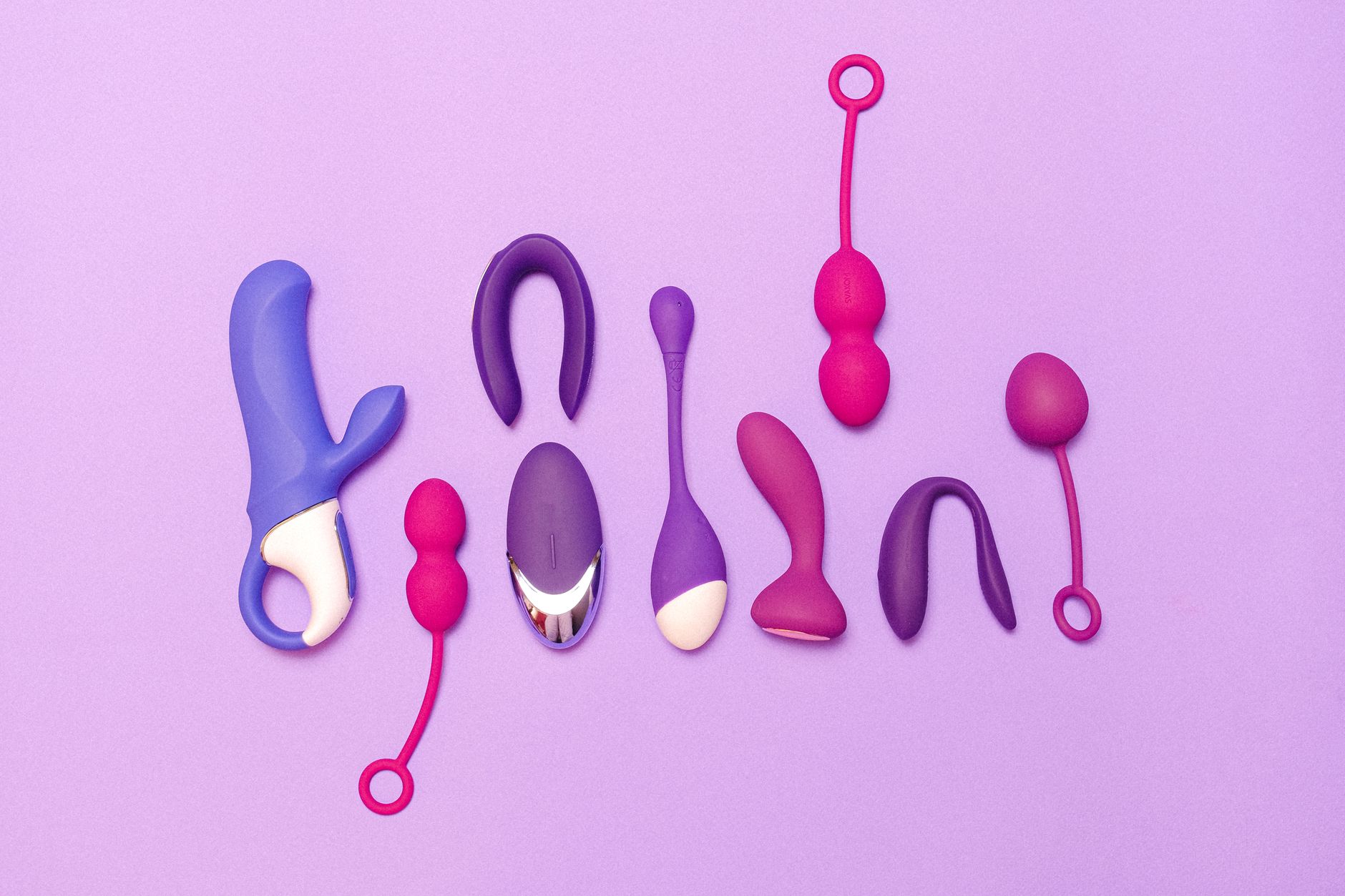
Special-size and novelty sex toys can be visually appealing, but the most important questions involve size, material, structure, and control. A more dramatic shape is not automatically a better choice for a first attempt; for adult users, comfort, control, and the ability to stop at any moment matter more than novelty. Before buying, check whether the product is designed for body contact, confirm the material and surface finish, and look for a secure grip or appropriate safety base. It is also worth planning how the toy will be cleaned, dried, and stored. This guide focuses on practical risk awareness and body signals rather than pushing anyone toward a particular size or intensity. If persistent pain, bleeding, wounds, unusual discharge, or other concerning symptoms occur, stop using the toy and seek medical advice.
Start with the structure, not just the measurements
A toy should not be judged only by its length or diameter. Entry shape, curves, weight, firmness, seams, and grip all affect how easily a user can control angle and depth. Prominent ridges, sharp transitions, loose parts, or a difficult-to-hold handle can make stopping harder. For anal use, a suitable flared base or broad stopper is essential because it helps prevent the toy from moving fully inside the body. Packaging may list total length, but that figure can include a handle or decorative section that is not intended for insertion, so the usable dimensions need to be checked separately.
A practical buying checklist includes:
- Clear measurements, material information, and instructions.
- A smooth, intact surface without cracks, sharp edges, or loose parts.
- A grip that remains stable in one hand and allows quick stopping.
- An appropriate stopper or flared base for insertable designs.
- A clearly marked off switch, low setting, and usable controls for powered products.
Progress gradually and let the body set the pace
When trying a new shape or size, many adults find it easier to begin with a smaller, familiar design that can be controlled comfortably. Start by exploring the surface and angle externally, then consider brief and shallow contact only if the body feels relaxed. The body needs time to distinguish pressure, stretching, friction, and discomfort; tolerating pain should never be treated as a sign of progress. Lubricant can reduce friction, but it cannot replace slow movement, communication, or the option to stop. If the lubricant dries, add more rather than applying force.
A gradual process may include reading the instructions, checking the toy, becoming familiar with its surface and weight, and only then increasing contact within a comfortable range. There is no required schedule, and returning to an earlier step is completely reasonable. When a partner is involved, agree on a stop word or gesture, a pace limit, and who controls the movement. Consent can be withdrawn at any time, and the user’s current physical response takes priority over the design or the planned scenario.
Body signals: discomfort is not a challenge to overcome
Pressure or unfamiliar sensations may settle when the pace is reduced, but sharp, burning, persistent, or increasing pain is a clear reason to stop. Numbness, loss of sensation, swelling, ongoing bleeding, difficulty urinating, fever, or unusual discharge should not be covered up with more lubricant or another attempt. Anal use requires particular care because the area does not self-lubricate in the same way as the vagina; generous lubrication, slow movement, and a suitable stopper are important safety considerations.
After stopping, remove the toy if it can be done safely, clean the area gently, and observe how the body feels. Do not try again while pain remains. If the toy becomes stuck, cannot be removed, or is accompanied by heavy or persistent bleeding, severe abdominal or pelvic pain, dizziness, or fever, seek urgent medical care. Body awareness is not about proving how much someone can tolerate; it is about noticing when an activity has moved beyond a comfortable boundary.
Materials, lubricant, and cleaning affect everyday safety
For toys inserted into the body, prioritize clearly labeled, non-porous materials with an intact surface, such as quality silicone, hard plastic, stainless steel, aluminum, or break-resistant glass. Products made from unknown blends, strongly scented soft plastics, or materials without complete labeling are harder to assess and clean consistently. Silicone toys are generally not recommended for use with silicone-based lubricant because the lubricant may affect the surface; always follow the product instructions. Water-based lubricant is often a straightforward starting point, but compatibility still needs to be checked.
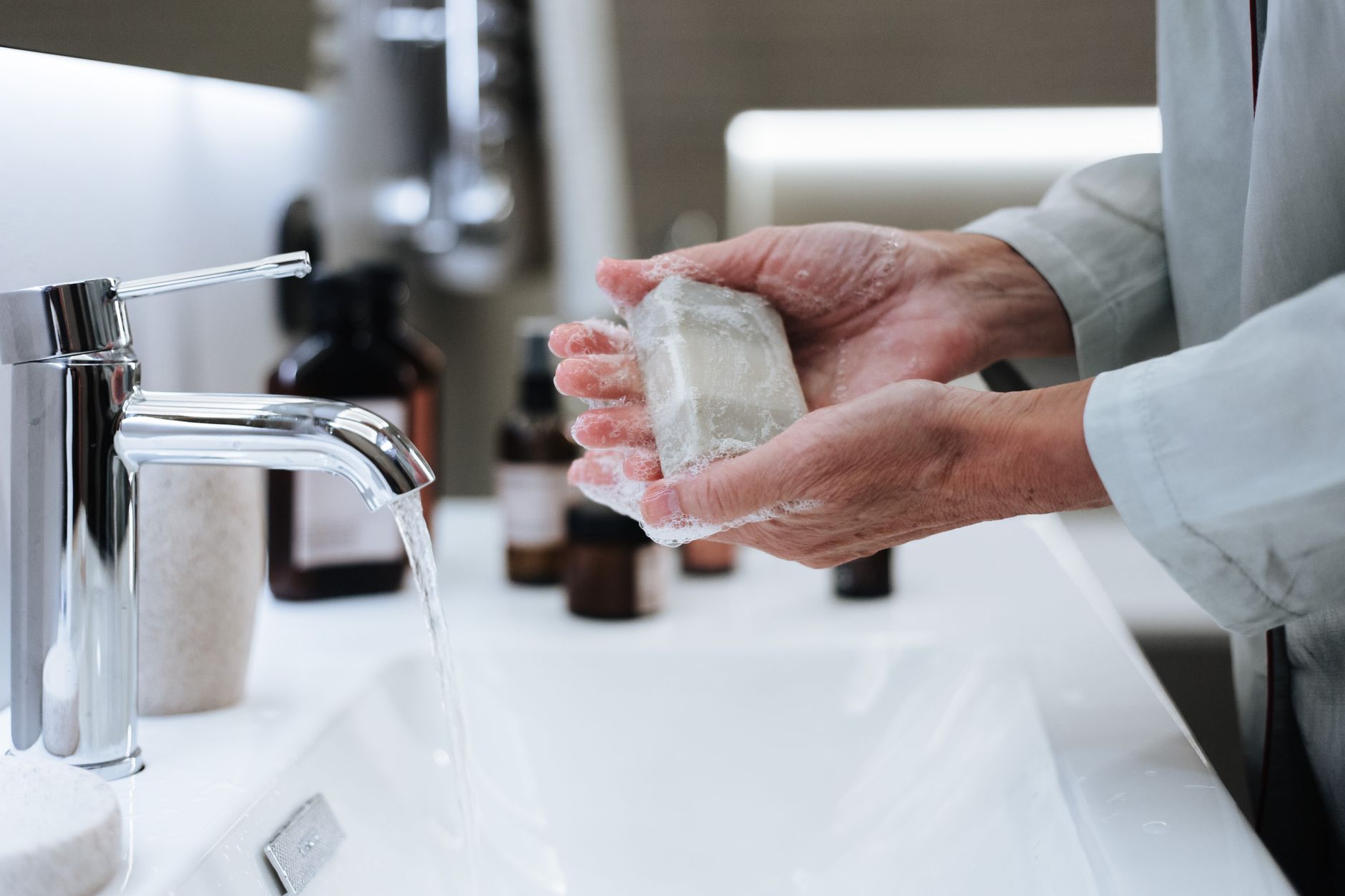
Clean the toy before and after use according to the manufacturer’s instructions. A common approach is warm water with mild, unscented soap, followed by thorough rinsing and complete drying. Do not submerge an electronic toy unless the instructions specifically allow it, and pay attention to charging ports, buttons, seams, and joints. If a toy is shared or moved between body areas, wash it and use a new condom before the next person or area. Store it dry, away from heat and direct sunlight, and separate materials when the care instructions advise doing so.
Choose by real conditions, not appearance alone
Liking an unusual design does not mean choosing the largest or most complicated model. A beginner may prefer a shorter, lighter toy with a smooth surface, clear grip, and simple controls. More experienced users can compare curves, firmness, vibration levels, and cleaning demands, but should still retain enough control to stop immediately. If the main purpose is display or role-play, appearance, stable materials, and storage may matter most; if insertion is involved, a safe base, gradual size changes, and lubricant compatibility should come first.
A useful comparison is:
- Beginner designs: Smaller, lighter, simpler, and easier to clean while learning the material and controls.
- Advanced designs: More curves, functions, or surface details, requiring closer attention to instructions and cleaning.
- Special-structure designs: Larger, heavier, or more complex models that require careful control and clear awareness of body responses.
Privacy and preparation are part of safer use
A suitable setting gives an adult user enough privacy, time, and freedom to stop without pressure. Prepare the toy, lubricant, towel, cleaning supplies, and storage pouch before starting so there is no need to rush. For powered toys, charge the device and learn how to switch it off before use. With a partner, discuss whether photos are allowed, what contact is off limits, whether the toy may be shared, and how it will be cleaned afterward. These conversations reduce confusion and protect personal boundaries.
Privacy also matters when buying and storing products. Choose retailers with clear material information, discreet delivery practices, and transparent return policies, and avoid products with unknown origins or exaggerated claims. Adult products do not need sensational language to be worthwhile; useful comparisons focus on transparent specifications, controllability, cleaning effort, and fit with the user’s current comfort level. For any size or shape, choosing to stop comfortably is a valid outcome.
FAQ
Are special-size or novelty toys suitable for first-time users?
Not necessarily. First-time users may find it easier to begin with a smaller, simpler design that is easy to hold, control, clean, and stop. Once the material, angle, and body responses feel familiar, the user can decide whether a different shape or size is appropriate.
What should someone do if a toy causes pain?
Sharp, burning, persistent, or worsening pain is a reason to stop, remove the toy safely, and observe the body. Seek prompt medical care for ongoing bleeding, severe abdominal or pelvic pain, fever, difficulty urinating, or a toy that cannot be removed.
Can every lubricant be used with every sex-toy material?
No. Lubricants and toy materials may be incompatible. Silicone toys are generally not paired with silicone-based lubricant, while water-based lubricant is often an accessible starting option; the product instructions should take priority.
Can sex toys be shared with a partner?
Sharing can increase the risk of passing infections, especially between partners or body areas. Wash the toy and use a new condom whenever it is used by another person or moved to a different body area; avoid sharing when there are open sores or infection concerns.