Choosing a suction toy is easier when the technology is understood before comparing brands or mode counts. Products marketed as suction toys may use air pulses, changing pressure, true vacuum mechanics, sonic waves, vibration, or a combination of these systems. Their shapes can look nearly identical, yet the sensation, noise, cleaning routine, and level of control may differ considerably. This guide explains the practical distinction between air-pressure and sonic designs, then covers nozzle shape, materials, waterproofing, charging, maintenance, and discreet purchasing. It is intended for adults of legal age. Anyone experiencing persistent pain, numbness, bleeding, or unusual irritation should stop using the device and seek qualified medical advice.
How air-pressure suction works
Most air-pressure products do not continuously draw body tissue into the device. Instead, a small motor rapidly changes airflow or sends short pulses through the opening, creating a rhythmic pressure sensation around the body. The effect can feel like suction even when there is no sustained vacuum. A genuine vacuum device uses a different mechanism, so terms such as air pulse, air pressure, and suction should not be treated as interchangeable without checking the manufacturer’s technical description.
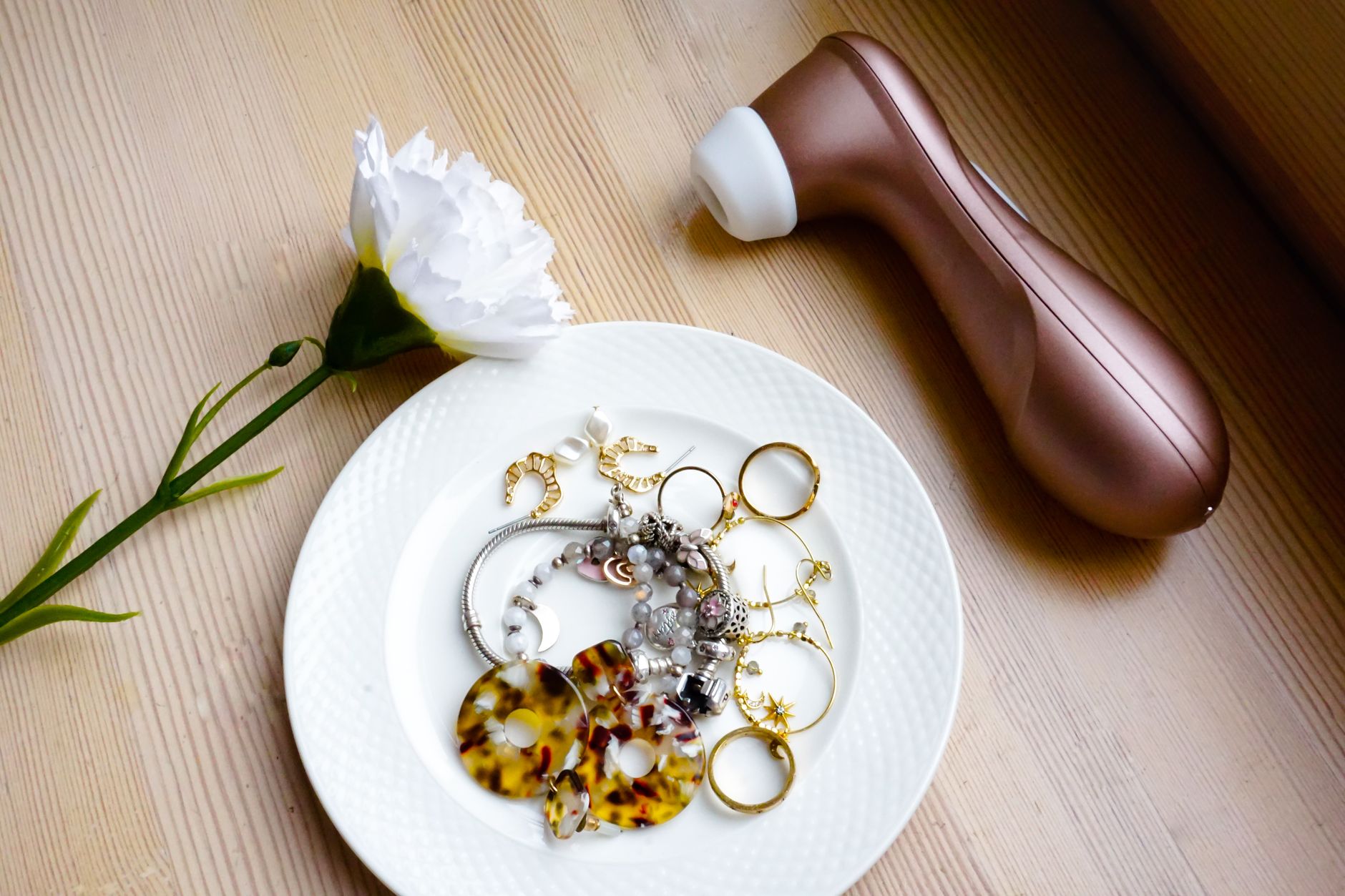
Nozzle size and shape strongly affect how concentrated the sensation feels. A narrower opening may create a more focused experience, while a wider opening can make repositioning easier and distribute the airflow over a broader area. Some models need a relatively good seal to work consistently, whereas others are designed to operate with light contact. Users should not press harder simply to increase intensity; pain, numbness, or lingering sensitivity are signs to stop and allow the body to rest.
Air pressure versus sonic technology
Sonic products generally use sound-based or high-frequency mechanical waves to create a broader, more continuous sensation. The label is not perfectly standardized: one product may use a dedicated sonic module, while another may combine sonic movement with a silicone nozzle, vibration motor, or air-pressure chamber. For that reason, the actual construction and control pattern matter more than the word sonic on the packaging. Air-pressure models often feel more focused and pulse-like, while sonic designs may feel wider or more gradual, although nozzle shape and personal sensitivity can change the result.
People who prefer a distinct rhythm may find air pulses easier to understand and control. Those who dislike concentrated stimulation may prefer a sonic or hybrid design that spreads the sensation more broadly. Noise should also be considered: airflow, motor vibration, and resonance from the shell can all affect privacy. Reviews are most useful when they describe the lowest setting, transitions between modes, button layout, and sound in a quiet room rather than only listing the maximum intensity or number of programs.
Which specifications matter most
A large number of settings does not automatically make a product more versatile. The useful questions are whether the lowest setting is gentle, whether intensity increases smoothly, and whether the controls can be operated without looking. A dedicated pause button, simple plus and minus controls, travel lock, and a readable battery indicator are often more valuable than a long list of preset patterns. If a product is intended for shower use, verify whether it is splash-resistant, washable, or fully submersible; a sealed-looking exterior is not proof of waterproofing.
Battery claims should also be read in context. Charging method, charging time, magnetic contacts, cable compatibility, and whether the device can operate while charging may matter more than a headline runtime. Charging contacts and ports should remain dry, and any waterproof plug should be closed according to the instructions before washing. Before purchasing, check the warranty, replacement-nozzle availability, return policy, packaging discretion, and customer support. These details affect ownership over time even though they do not change the stimulation technology.
Materials, nozzles, and cleaning
The body-contacting surface should have clearly identified materials, with body-safe, non-porous silicone commonly preferred for easy cleaning. Examine the nozzle for seams, coating, tackiness, strong chemical odor, or a thin membrane that could tear. If the nozzle is removable, follow the manufacturer’s instructions and handle it gently; do not use sharp objects inside the opening or stretch a thin silicone insert. Lubricant residue inside an air channel can affect airflow and make cleaning more difficult, so the nozzle design and access to the inner surfaces deserve attention before purchase.
For a product explicitly labeled waterproof, wash with lukewarm water and a mild, fragrance-free cleanser, rinse thoroughly, and let every part dry completely. For a non-waterproof model, use a slightly damp cloth and keep moisture away from buttons, charging ports, seams, and the motor housing. Do not boil, machine-wash, or use alcohol or bleach unless the manufacturer specifically approves that method; heat and harsh chemicals can damage silicone, coatings, and electronics. Inspect the device before and after use for cracks, deformation, unusual odor, or a sticky surface, and use a lubricant compatible with the stated material.
Matching the design to personal preferences
An air-pressure model may suit someone who prefers focused, rhythmic, contact-light stimulation. A sonic model may appeal to someone who wants a wider or more continuous sensation, while a hybrid can be useful for users who want more than one operating style. First-time buyers do not need to begin with the most powerful device. A controllable low setting, soft nozzle, intuitive buttons, manageable noise level, and uncomplicated cleaning routine usually have a greater effect on satisfaction than an impressive maximum output.
For shared use, easy pausing, quiet operation, and clear cleaning instructions can make the product more practical. For travel or discreet storage, consider dimensions, a travel lock, charging design, and a neutral case or package. People with sensitive skin or previous reactions to fragrance should check the material and cleanser information carefully and consult a sexual-health or medical professional when needed. No device should be used through pain, numbness, or persistent irritation; reducing intensity, changing position, or stopping is the safer response.
A practical buying checklist
Before choosing, divide the decision into four areas: operating principle, body contact, maintenance, and after-sales support. Confirm whether the product uses air pulses, sonic waves, vibration, vacuum, or a hybrid system. Then check the nozzle material and size, minimum intensity, sound profile, waterproof rating, cleaning restrictions, battery details, warranty, replacement parts, and discreet shipping options. If a listing relies on vague claims such as powerful suction or advanced sonic technology without explaining the mechanism, treat the wording cautiously and look for a manual or detailed manufacturer specification.
A simple comparison note can include three columns: preferred sensation and noise tolerance, technical and cleaning requirements, and total ownership cost. This prevents one headline feature from dominating the decision and makes it easier to compare an entry-level air-pressure model with a sonic or hybrid alternative. There is no single best design for every adult user; transparent specifications, controllable operation, compatible materials, and realistic maintenance expectations are the stronger indicators of a suitable purchase. This article provides general information only and does not replace medical or sexual-health advice. Persistent discomfort or an unusual reaction warrants professional attention.
The information in this article is for reference only and does not constitute professional advice. For specific decisions, please consult a relevant professional based on your personal situation.
FAQ
Are air-pressure suction toys the same as true vacuum toys?
Not necessarily. Many air-pressure products create a suction-like sensation through rapid airflow changes rather than continuously drawing tissue into the device. A true vacuum design should be identified clearly in the manufacturer’s specifications, so check the operating mechanism before buying.
Is a sonic suction toy suitable for a first-time user?
It can be, especially when the lowest setting is gentle and the controls are easy to understand. Start at a low intensity and stop if there is pain, numbness, or lingering irritation.
Can a suction toy be rinsed under water?
Only if the product is explicitly labeled washable or waterproof. A non-waterproof model should be cleaned with a slightly damp cloth while keeping water away from the charging port, buttons, and motor housing.
What should be checked before buying a suction toy?
Check the operating principle, lowest intensity, nozzle material, sound level, waterproof rating, cleaning instructions, battery system, warranty, and replacement parts. The number of modes or marketing language alone does not predict whether the product will suit a particular user.