For many adults, bondage sits right between curiosity and concern: it can look exciting, yet the idea of being tied up also raises questions about comfort and safety. Instead of jumping straight into complex rope patterns or rigid metal cuffs, it helps to build a simple foundation first. Key pillars include understanding materials, checking tightness, agreeing on limits and having an escape plan if something feels off. When these basics are in place, light restraint can become a trusting form of play rather than a source of stress. This guide walks through those practical points from a beginner’s perspective, so readers have clearer expectations before buying gear or trying it with a partner.
Setting the frame: consent, limits and stopping signals
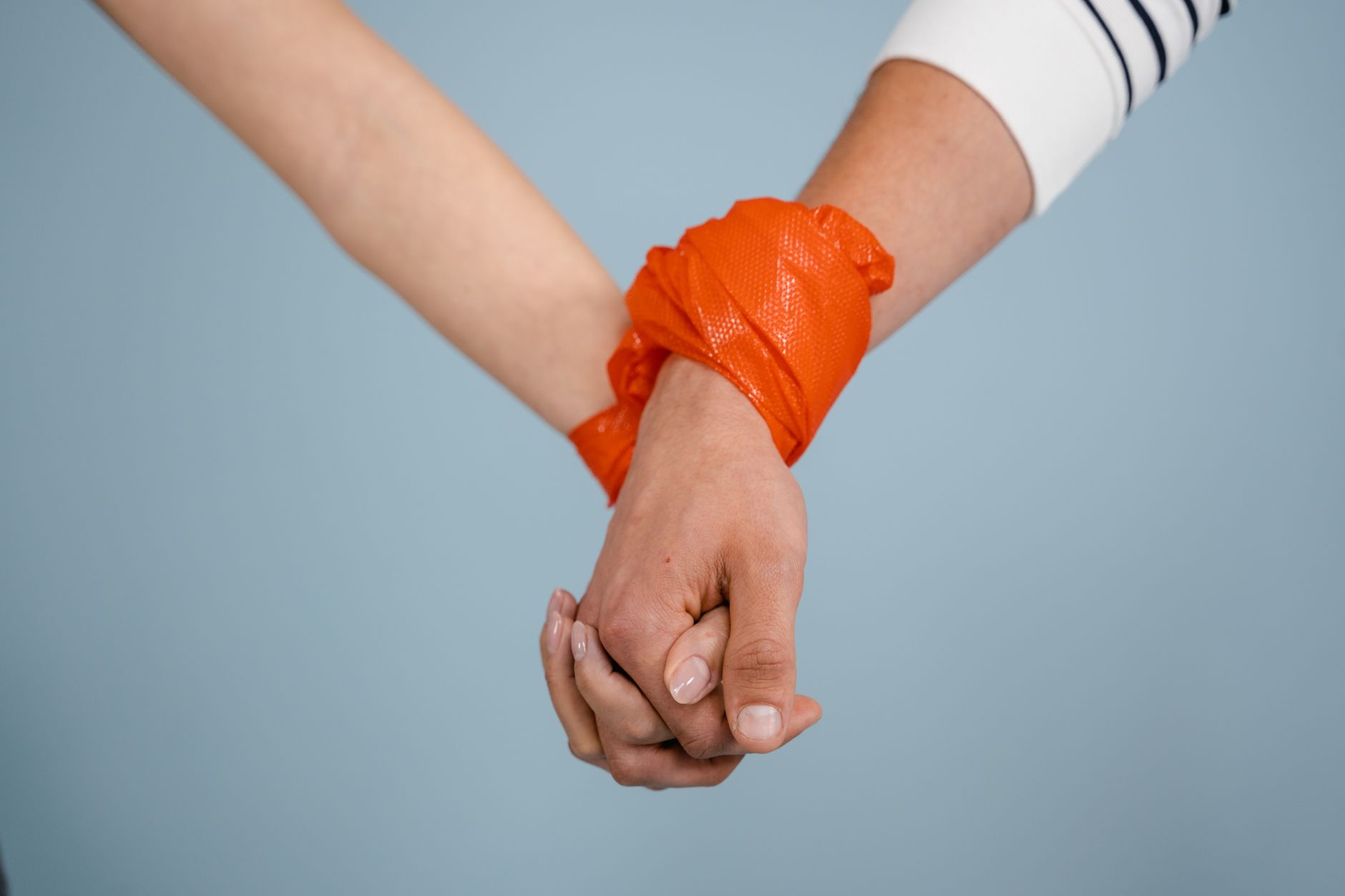
Bondage is not only about the physical act of tying someone; it is about power, trust and communication between partners. For beginners, the most important rule is that any restraint happens with explicit consent and a shared understanding that play can stop at any time. Before you bring out ropes or cuffs, agree on a very clear stop signal, such as a safe word or a simple gesture if speaking is difficult in the moment. It should be easy to remember and never used in other contexts. Both partners also need to prioritize body comfort over mood: if someone feels numbness, sharp tingling, dizziness or trouble breathing, play should pause immediately, even if the scene feels emotionally intense or intimate.
Common bondage materials: how ropes, straps and cuffs differ
Beginner bondage usually starts with soft rope or fabric straps rather than rigid metal cuffs or elaborate suspension setups. Popular options include cotton rope, nylon rope, fleece or velvet straps, faux leather cuffs and purpose-made quick-release bondage cuffs. Cotton and fleece tend to feel gentler against the skin, but knots can still create narrow pressure lines if tied very tight. Nylon slides easily and holds knots well; however, thin or stiff nylon may dig in more when weight is put on it. Leather-style cuffs with Velcro or buckle closures are often used to keep hands or ankles in a simple position and are easy to adjust. When choosing gear, look for rounded edges, soft lining and designs that avoid concentrating force on a single small spot, especially near joints.
Checking tightness: simple tests to avoid nerve and blood vessel pressure
One of the most common beginner worries is how to find the line between “too tight” and “so loose it does nothing.” A straightforward way to check tightness is the two-finger test: after securing a strap or cuff, try sliding two fingers from your other hand between the restraint and the skin. If you cannot get your fingers in at all, it is likely too tight; if they move with mild resistance, the pressure is usually more reasonable. Time and sensation checks matter too. Asking every five to ten minutes about numbness, sharp tingling, coldness or color changes helps catch problems early. Certain areas, such as the inside of the wrist or the back of the knee, contain many nerves and blood vessels, so it is better to avoid intense pressure there and spread load over a wider surface.
Escape planning: quick-release features, safety scissors and dry runs
A playful scene feels more relaxed when both partners know they can get out of restraints quickly. If you use rope for wrists or ankles, keeping a pair of blunt-tip safety scissors nearby, in a reachable and visible place, is a simple precaution. Many bondage products also offer quick-release buckles, Velcro, or one-pull loosening mechanisms; these features are worth prioritizing for beginners. Before engaging in a long or emotionally intense scene, do a short practice run: tie a basic wrist hold, then have the other person undo it or cut it free within a set time. This helps reveal knots that are difficult to access or cuffs that are awkward to operate, and gives both people a sense of how fast they can respond if someone becomes uncomfortable.
Talking about health and comfort: who should be more cautious
Bondage does not suit everyone in the same way, and certain health or emotional backgrounds call for extra care. People who often experience limb numbness, circulation issues or chronic joint pain may need shorter sessions, softer gear and more frequent breaks. Anyone with strong fear or past negative experiences related to being restrained may find bondage triggering rather than playful, and that should be taken seriously. Partners can discuss in advance what positions feel safe, which areas should never be bound, and roughly how long they are comfortable staying in one pose. If there are known medical conditions or long-term discomfort, information in articles like this should be treated as general guidance only, and it is advisable to talk to a healthcare professional before experimenting.
Beginner-friendly gear choices: starting with soft cuffs and simple ties
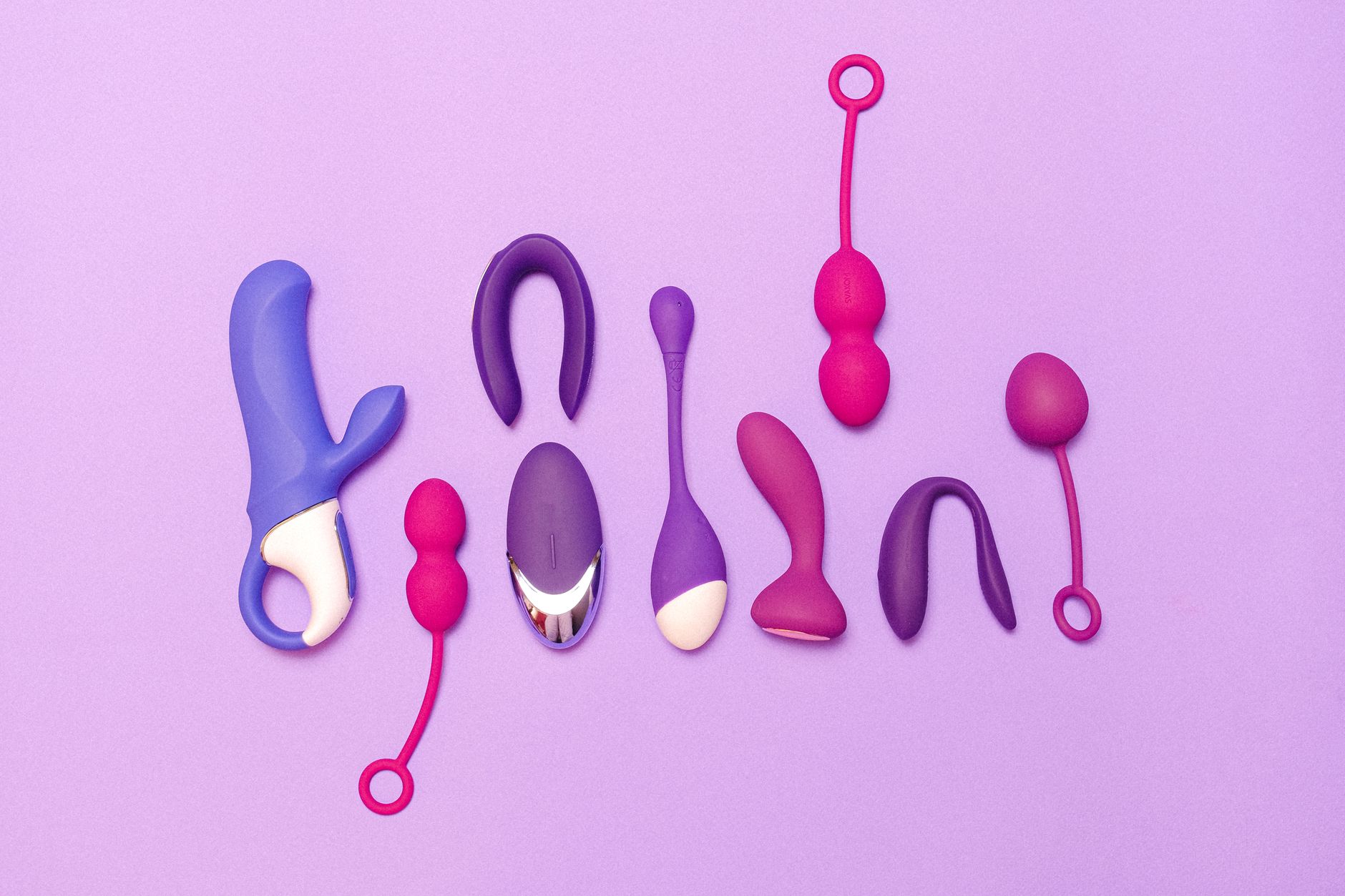
When trying bondage for the first time, there is no need to reach for heavy-looking metal cuffs or complex rope kits. Soft cuffs made from fleece, cotton or padded faux leather with Velcro or buckles offer a straightforward introduction, as they are easy to put on and take off. Some starter sets include straps that loop under a mattress or attach to bed corners, allowing gentle extension of arms or legs without extreme positions. Dedicated bondage rope sold by intimacy-focused brands often has a softer feel and more suitable thickness than general hardware-store rope, making it friendlier on skin for novices. By combining simple gear with basic tying methods, beginners can explore the sensation of restraint while staying in a relatively forgiving range.
Aftercare, cleaning and putting the scene to rest
What happens after restraints come off is just as important as what happens during the scene. Physically, it is useful to look over the areas that were tied, checking for lingering redness, broken skin or lasting numbness. Ongoing discomfort should not be ignored; if symptoms persist or worsen, consulting a medical professional is recommended. Gear needs attention too: fabric straps and rope benefit from regular cleaning and thorough drying so sweat and oils do not accumulate between uses. On the emotional side, partners can talk about which parts felt enjoyable, which felt borderline and what they would change next time. As with any intimacy topic that touches on health and safety, this article offers general information for adults and is not a substitute for individual medical or mental health advice.
Closing thoughts: respect and trust as the core of enjoyable bondage
Ultimately, a satisfying bondage experience for beginners is less about pushing limits and more about building a respectful, trusting framework. Choosing soft, adjustable materials, keeping restraints at a comfortable tightness and maintaining clear communication help make play feel both exciting and safe. When readers approach bondage with a safety mindset, including listening to their bodies and being willing to stop if something feels wrong, restraint becomes one option among many for exploring intimacy rather than a risky dare. Anyone with specific health concerns or ongoing pain is encouraged to treat content like this as reference only and to seek personalized guidance from professionals before making decisions.
FAQ
What type of bondage gear is best for beginners?
Beginners usually do well with soft, adjustable gear such as padded cuffs made from fleece, cotton or faux leather, especially when they use Velcro or buckle closures. These designs are easier to put on and take off, and they tend to spread pressure more evenly than thin cords or rigid metal cuffs. Once you understand your comfort levels and body reactions, you can gradually explore more advanced options if desired.
How can I tell if a rope or cuff is too tight during bondage?
A simple check is the two-finger test: after securing the restraint, try sliding two fingers between the material and the skin. If you cannot fit your fingers at all, the restraint is likely too tight and should be loosened. You should also watch for numbness, tingling, coldness or color changes in the hands or feet, and stop the scene if any of these warning signs appear or persist.
Do partners need a safe word for light, beginner bondage?
Even for light bondage, a clear safe word or stop signal is very helpful. It gives both partners confidence that play can pause immediately if someone feels uncomfortable, overwhelmed or unwell. The word should be easy to remember and not used in everyday conversation, and you can also agree on a simple gesture in case speaking is difficult during the scene.
Is bondage suitable for someone with circulation or joint issues?
People with circulation problems, frequent limb numbness or chronic joint discomfort should approach bondage with extra caution and may need shorter, gentler sessions with very soft gear. General online information is not tailored to individual health conditions, so it is wise to talk to a medical professional before trying restraint-based activities. If any pain or unusual symptoms occur, the activity should stop and the situation be reassessed.