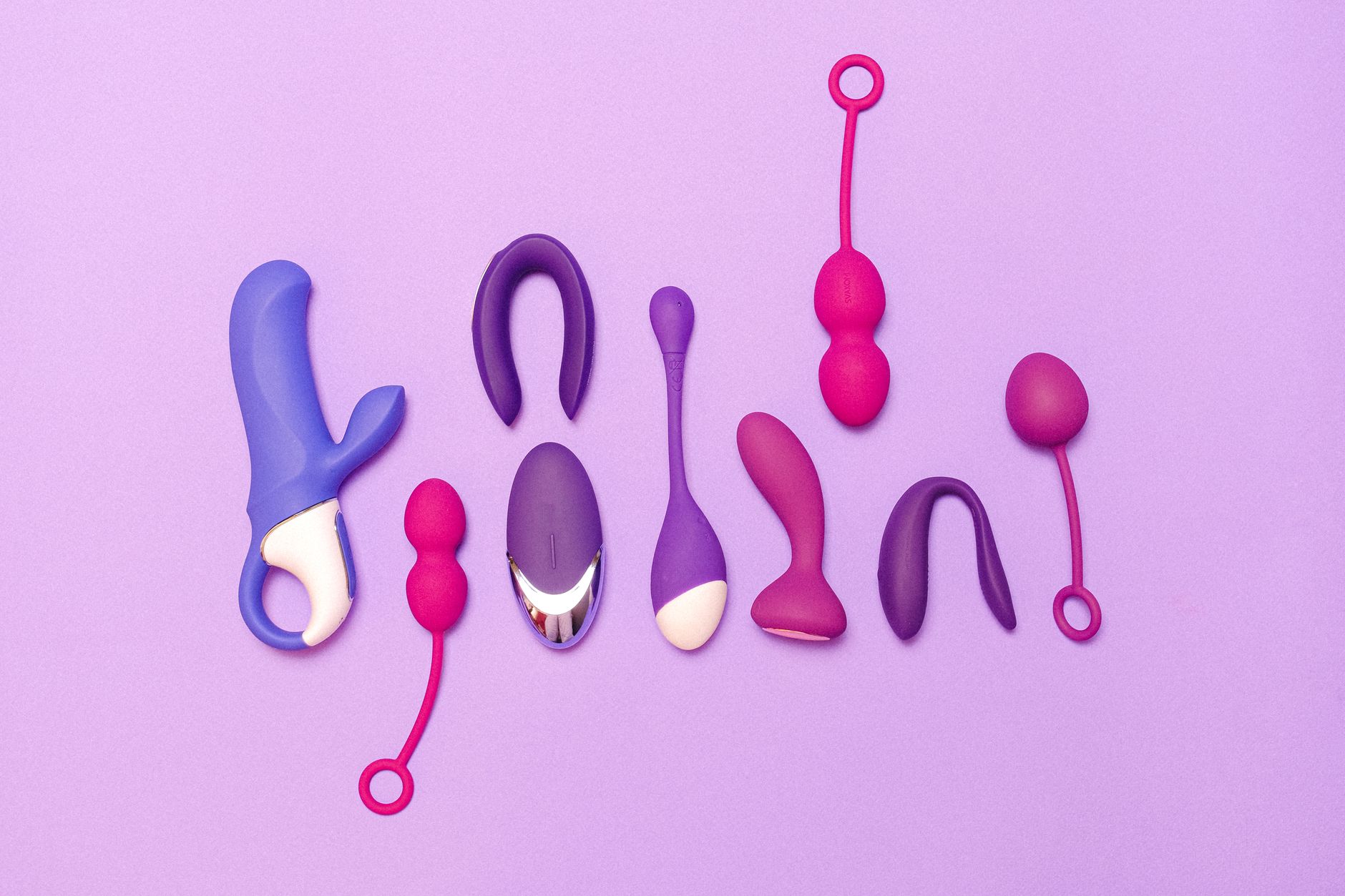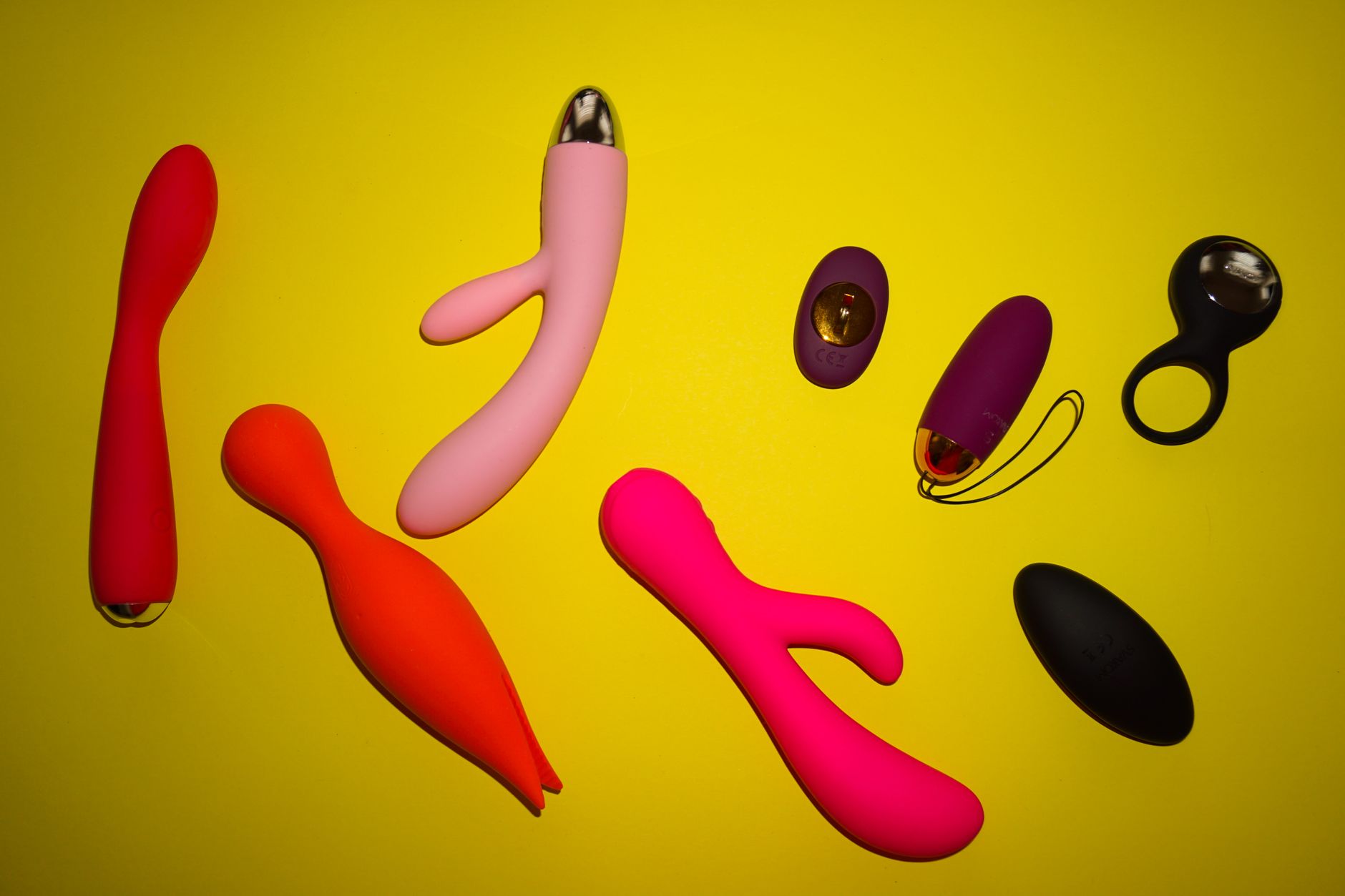
Buying a first vibrator is often less about finding the most feature-packed model and more about choosing something that feels approachable. Many first-time buyers care about size, noise, grip, and whether the device is easy to clean after use. This guide compares five beginner-friendly options through practical angles such as material, vibration feel, handling, and maintenance, so readers can narrow the field before making a decision.\n\n## What beginners should check first\n\nA beginner model does not need a long list of modes to be useful. For first-time users, a simple control layout, a comfortable shape, and a body-safe material often matter more than extra settings. If a device feels bulky, hard to hold, or awkward to clean, it can make the whole experience feel more complicated than it needs to be.\n\n- Size: slim, easy-to-hold shapes are usually easier to start with.\n- Material: smooth silicone is often the default choice for beginners.\n- Controls: fewer buttons can mean less confusion.\n- Cleaning: waterproof designs and simple surfaces are easier to maintain.\n\n## How the 5 beginner options differ\n\nBeginner buyers usually fall into a few practical groups: people who want a gentle first try, people who want a versatile everyday pick, people who want something compact, and people who mainly care about value. A gentle model is often better for someone still learning what feels comfortable, while a more versatile model can make sense if the buyer wants one device that lasts longer. Compact designs are easier to store and travel with, but they may trade off power or handle comfort.\n\n- Gentle starter: good for users who want a soft first experience.\n- Simple single-head design: usually the easiest to understand and operate.\n- Feature-rich dual-function design: more flexible, but less beginner-proof.\n- Compact travel-friendly model: better for small spaces and discreet storage.\n- Mid-range all-rounder: suitable for buyers who want a balanced first purchase.\n\n## Material and cleaning shape the real experience\n\nVibration strength gets most of the attention, but material and surface design often decide whether a product feels easy or frustrating to use. A smooth body with fewer seams is generally simpler to clean, while a harder or overly textured finish may feel more demanding in daily care. For many first-time buyers, a straightforward design is more reassuring than a complex shape with many parts.\n\n- Silicone finish: commonly associated with a softer touch and easier upkeep.\n- Hard plastic body: often lighter, but less soft in hand.\n- Waterproof build: makes post-use cleaning simpler.\n- Low-seam construction: helps reduce hard-to-clean spots.\n\n## How to think about budget\n\nA first purchase does not have to be expensive, but extremely cheap options can be a gamble in build quality, material feel, or durability. A practical approach is to set a budget band first, then compare products with clear specifications and predictable maintenance. If the user later discovers a specific preference, upgrading becomes much easier because the first purchase already clarified what matters most.\n\n- Entry budget: focus on basics and clear product information.\n- Mid-range budget: better for users who care about quiet operation and feel.\n- Gift purchase: packaging and appearance matter more.\n- Long-term use: check warranty and after-sales support.\n\n## What to record in a real comparison\n\nA useful comparison is not just a list of specifications. It should also explain how easy the buttons are to use, whether vibration changes feel smooth, and whether the device becomes tiring to hold over time. For beginners, these everyday details often matter more than marketing language. Writing down both strengths and limitations creates a comparison that feels honest and actually helps the reader choose.\n\n- Ease of use: are the controls intuitive?\n- Grip comfort: does it feel balanced in hand?\n- Cleaning effort: how much time does upkeep take?\n\n## Choosing the closest match to a first purchase\n\nFor readers who only want one starter product, a simple shape, stable material, and uncomplicated controls are usually the safest place to begin. If quiet use and storage are priorities, size and noise level should come first. If flexibility matters more, a mid-range model with more settings may be worth considering. The most important step is to match the product to the buyer’s real use case instead of copying someone else’s recommendation.
FAQ
What should a first-time buyer check before choosing a vibrator?
The most important points are size, material, controls, and cleaning. A slim shape with a simple button layout is usually easier for beginners to handle. It also helps to check whether the device is waterproof and how the surface should be cleaned after use.
Do beginners need a model with many vibration modes?
Not necessarily. Too many modes can make the first experience more confusing instead of more comfortable. A simple model with clear settings is often easier to learn, and users can upgrade later if they want more variety.
Why is silicone so common in beginner-friendly products?
Silicone is often chosen because it has a smooth feel and is generally easier to care for than more complicated surfaces. Buyers should still read the product details carefully and confirm the cleaning instructions before purchasing.
How should a vibrator be cleaned after use?
Follow the manufacturer’s cleaning instructions and make sure the device is fully dry before storage. Waterproof models are usually easier to maintain, while designs with seams or textured parts may need extra attention in small crevices.