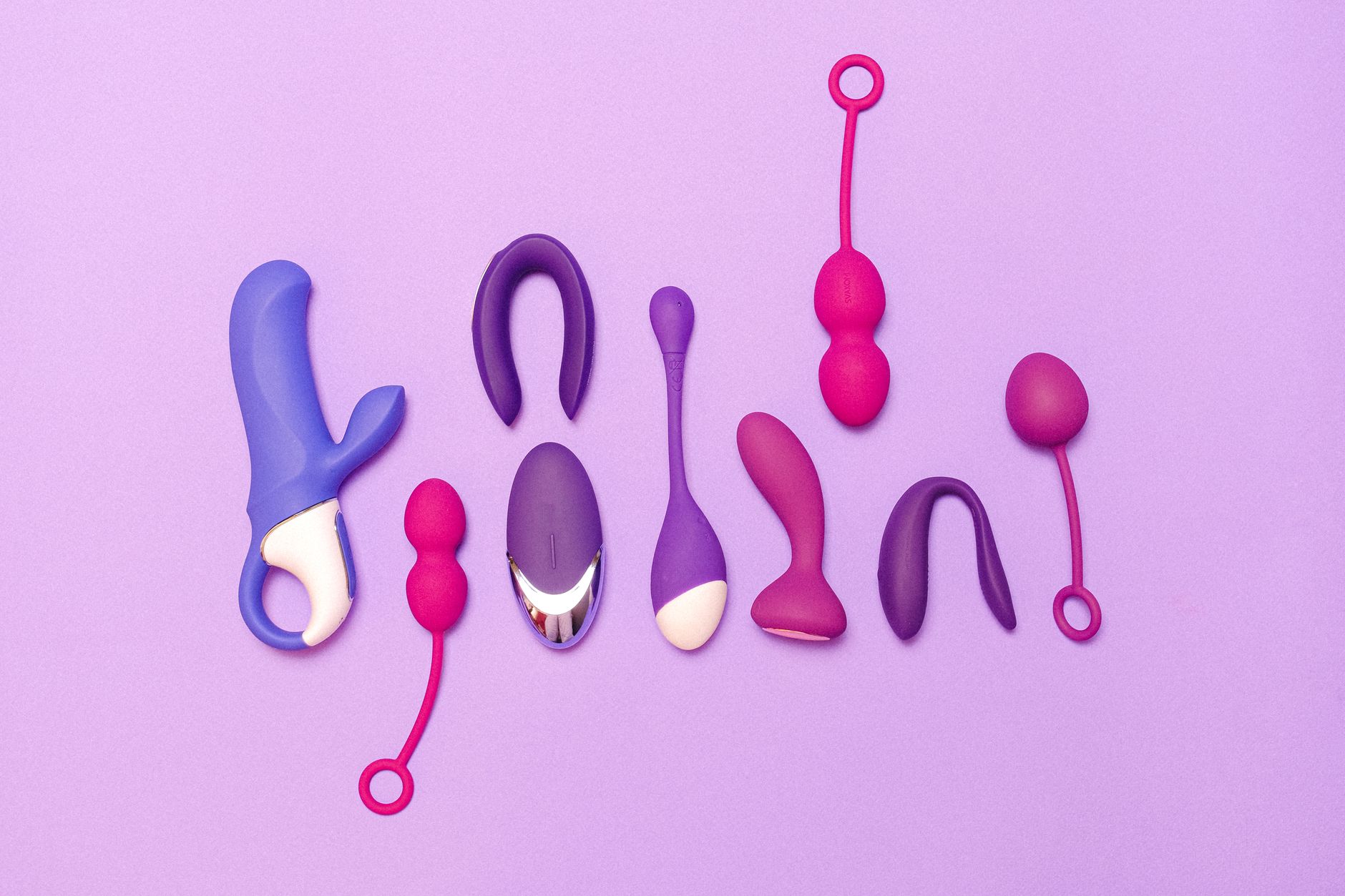
Cleaning a sex toy is not simply a matter of rinsing it and putting it away. The correct method depends on the material, waterproof rating, detachable parts and the manufacturer’s instructions. A gentle routine helps remove lubricant, bodily fluids and dust without exposing the surface to harsh chemicals, excess heat or unnecessary soaking. For most adult products, the practical sequence is to clean the item soon after use, wash it with warm water and a mild unscented cleanser when allowed, rinse thoroughly, dry it completely and store it separately in a clean, dry place. Shared use, switching between body areas and contact with bodily fluids require additional care. These recommendations are for adults and do not replace medical advice.
Check the material and waterproof rating first
Materials differ in porosity, heat tolerance and resistance to moisture, so a cleaning method that suits glass may damage a plastic device. Solid silicone, borosilicate glass and stainless steel are generally nonporous and can often be cleaned with warm water and a mild cleanser. Hard ABS plastic is also commonly nonporous, but it may be suitable only for wiping or brief rinsing rather than boiling. Elastomer, jelly rubber and latex-like materials can be more difficult to clean and may retain oils or odors, especially when the product description does not clearly identify the material.
Before using or cleaning a product, look for terms such as waterproof, water-resistant, splashproof, washable, wipe-clean, detachable or not submersible. Waterproof does not automatically mean that every seam, charging port or battery compartment can tolerate prolonged immersion. If the instructions are unclear or contradictory, use the more conservative approach: wipe the surface with a damp cloth, keep liquid away from openings and contact the manufacturer or retailer for clarification.
- Confirm the waterproof rating before rinsing a motorized or rechargeable product.
- Do not assume that an attractive soft surface is body-safe or nonporous.
- Stop using the item if it becomes sticky, cracked, discolored, unusually smelly or visibly damaged.
A gentle everyday cleaning routine
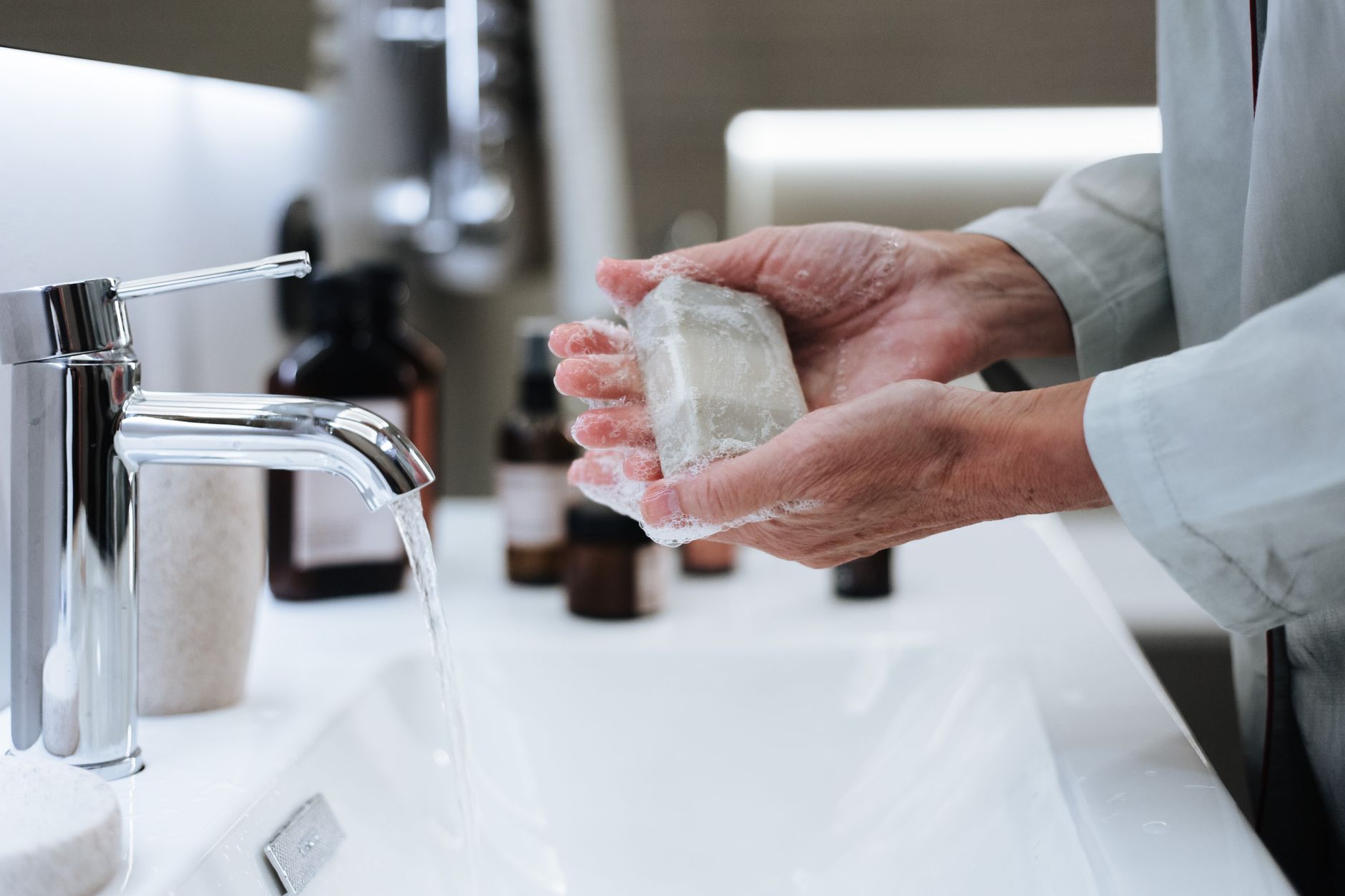
After use, remove visible residue with a soft, lint-free tissue or cloth. If the product is designed to be washed, use lukewarm water and a small amount of mild, fragrance-free soap; avoid very hot water unless the instructions specifically allow it. Pay attention to grooves, seams, removable sleeves, suction openings and textured areas, but do not scrape them with sharp objects. For a device that is not safe to submerge, use a damp cloth that has been wrung out well, then wipe the surface again with a clean cloth.
Rinse away all soap when rinsing is permitted. Cleaner residue may irritate sensitive skin and can alter the feel of some surfaces over time. A dedicated toy cleaner can be convenient, but the label still matters: some products must be rinsed off, and not every cleaner is compatible with every material. Avoid bleach, glass cleaner, abrasive powders, strongly perfumed products and solvents unless the manufacturer specifically approves them for that product.
Drying is part of cleaning, not an optional finishing touch. Pat the item dry with a lint-free towel or paper towel, then allow it to air-dry in a clean, ventilated area. Do not seal a damp product in a pouch, charge it while moisture remains near the contacts or leave it for long periods in a humid bathroom. Direct sunlight and high heat can also affect finishes, adhesives and some plastics.
Material-specific care without unnecessary damage
Silicone, glass and stainless steel can usually be washed with warm water and a mild cleanser. Nonmotorized products made from suitable materials may sometimes be boiled or placed in a dishwasher, but only when the product instructions explicitly permit it. Remove detachable electronic components first, and let glass cool naturally rather than exposing it to sudden temperature changes. ABS plastic should generally be wiped or washed gently; boiling and high-heat dishwasher cycles may warp the shell or affect seams and electronics.
Porous or soft elastomer materials need a more cautious approach. Follow the manufacturer’s instructions, dry the product thoroughly and consider using a new condom or other suitable barrier when sharing, changing body areas or using the item in an anal context. Barriers do not eliminate the need to clean the product afterward, because lubricant or fluids can pass around an edge or enter a seam. If the material becomes tacky, develops a persistent odor or shows cracks, repeated disinfecting is not a reliable substitute for replacement.
| Material or type | Usual cleaning approach | Avoid | |---|---|---| | 100% silicone | Warm water and mild unscented cleanser | Unapproved high heat and silicone-based lubricant | | Glass or stainless steel | Gentle washing; follow instructions for nonmotorized items | Thermal shock, impacts and unprotected storage | | ABS hard plastic | Gentle wiping or brief rinsing if permitted | Boiling, solvents and abrasive tools | | Elastomer, jelly rubber or latex-like material | Follow product instructions; consider a barrier | Long soaking, oils and unprotected sharing |
When extra hygiene steps may be appropriate
Routine washing and disinfection are not identical. For an item used by one person without visible bodily fluids, cleaning and complete drying according to the instructions may be sufficient for ordinary care. More cautious handling is appropriate when a toy is shared, moved between body areas or exposed to blood, semen or vaginal fluids. First remove visible residue, then use only a disinfection method that is compatible with the material and approved by the manufacturer. Applying alcohol, bleach or another strong chemical without checking can damage the surface and may leave irritating residue.
Some nonmotorized silicone, glass or metal products may be suitable for boiling, but the allowed time and method vary. Electronic devices, ABS plastic and unidentified materials should not be boiled unless the instructions clearly say otherwise. A condom should be replaced for each person and each relevant use; it does not replace cleaning, and cleaning does not make shared use risk-free. If itching, burning, pain, unusual discharge or another concerning symptom occurs, stop using the product and seek advice from a qualified healthcare professional.
Lubricant compatibility and storage
Lubricant choice can affect a product’s surface as much as cleaning does. Silicone products are commonly paired with water-based lubricant because silicone-based lubricant may affect some silicone surfaces. Oil-based products can damage or swell certain elastomers and latex materials, so natural oils should not be treated as universally compatible. Always check both labels, and stop using the item if the surface becomes sticky, cloudy or noticeably different after contact with a lubricant.
Store the product only after it is completely dry. A clean, lint-free pouch or the original case is usually preferable to a damp bathroom drawer. Soft silicone and elastomer items should not be pressed together for long periods or stored against materials that may react with them; separating different materials makes changes easier to notice. Glass products need padding to prevent chips and breakage. Battery-operated devices should be stored according to the manual, including any instructions about removing batteries or keeping charging contacts dry.
A practical cleaning checklist
A short, repeatable routine is easier to follow than an occasional deep clean. After use, inspect the item for cracks, peeling, unusual odor or loose parts; select wiping, rinsing or disassembly based on the material and waterproof rating; remove all cleanser; dry every surface; and store the item away from heat, moisture and incompatible materials. Add a fresh barrier and a more careful cleaning plan when sharing, switching body areas or handling bodily-fluid exposure.
- Read the care instructions and identify removable parts before the first use.
- Use warm water and mild, fragrance-free cleanser when the product allows washing.
- If immersion is uncertain, use a well-wrung damp cloth instead.
- Dry fully before storage, charging or reassembly.
- Replace the item when damage, persistent odor, stickiness or surface breakdown cannot be resolved.
The goal is not to use the strongest possible disinfectant. It is to match the cleaning method to the product’s material, electronics, waterproof design and use context. Gentle washing, thorough drying, separate storage and lubricant compatibility checks are generally more dependable than improvised use of bleach, alcohol or high heat. When the material is unknown, the instructions are missing or the body reacts unusually, stop using the item and seek professional guidance. This article provides general sexual-health information for adults and is not a substitute for medical evaluation.
FAQ
Should sex toys be cleaned after every use?
They should generally be cleaned soon after each use according to the material and manufacturer’s instructions. Remove residue, rinse away cleanser when appropriate and let the product dry completely before storing or charging it.
Can a rechargeable sex toy be soaked or boiled?
Only if the product is clearly labeled as fully waterproof and the manufacturer allows that cleaning method. If the rating is unclear, use a well-wrung damp cloth and keep liquid away from charging ports, seams and battery compartments.
Can silicone sex toys be used with silicone lubricant?
Many silicone products are not recommended for use with silicone-based lubricant because the surface may be affected. Water-based lubricant is often easier to clean, but both product labels should be checked for compatibility.
What should be done if a sex toy becomes sticky or develops an odor?
Stickiness, persistent odor, cracks, discoloration or peeling can indicate aging, residue or material incompatibility. Stop using the item, review the care instructions and replace it if the change cannot be safely resolved; seek medical advice if physical irritation occurs.