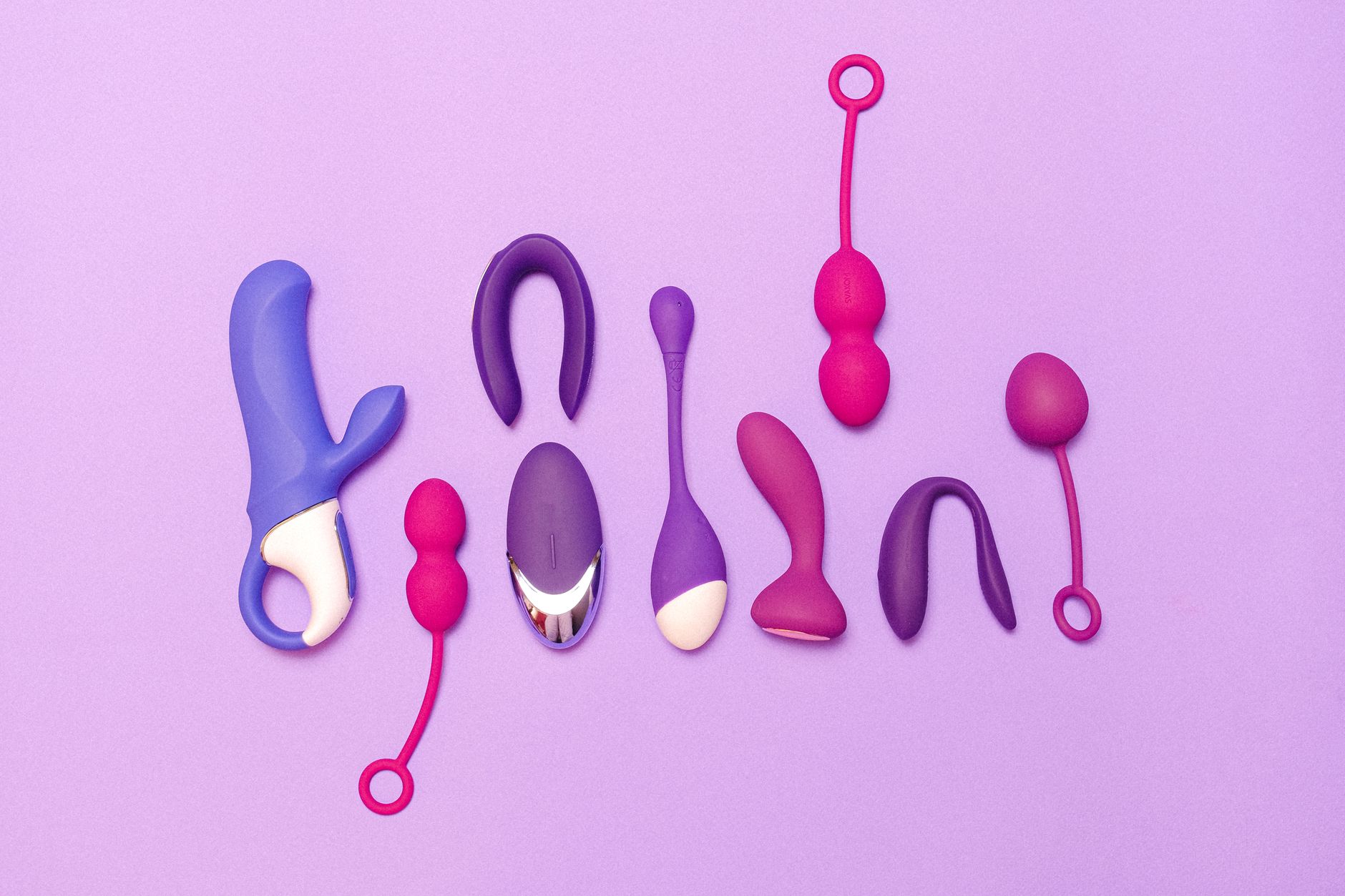
Do sex toys actually harm the body?
Sex toys are not automatically harmful. In most adult-use situations, the bigger risks come from unknown materials, poor cleaning habits, the wrong size, or forceful use. When a product is clearly labeled, used as instructed, and cleaned before and after use, the chance of problems is generally much lower. The key question is less about whether the item exists, and more about how it is chosen and handled.
Concern 1: Is the material safe?
Material is often the first thing people worry about because it touches sensitive areas directly. A safer choice usually starts with clear labeling, basic quality information, and a surface that does not feel sticky, overly scented, or oddly rough. Some consumer reports also flag questionable additives such as phthalates, so products with vague material claims or no traceable background are best treated with caution. For many buyers, transparent specs matter more than appearance or price.
Concern 2: What if cleaning is not done properly?
Cleaning is one of the most overlooked parts of toy use. If a toy is left with residue, moisture, or dust after use, bacteria can build up on the surface and raise the chance of irritation, especially when the toy is used in intimate areas. If a product is used on more than one body area, it should be cleaned between uses to avoid cross-contamination. In practice, good storage and drying habits are just as important as washing itself.
Concern 3: Can frequent or intense use cause issues?
Frequency alone is not the only issue. What matters more is whether the body shows signs such as pain, numbness, swelling, redness, or lingering discomfort after use. Reports from clinicians note that overly intense use, rough friction, or putting a toy in the wrong place can lead to injury, bleeding, or infection. Some sources also point out that overreliance on toys may create a psychological gap in partnered intimacy, which is why many people treat them as a supplement rather than a replacement.
Concern 4: Which situations need extra caution?
Extra caution is wise for first-time users, people with sensitive skin or mucosa, and anyone already dealing with urinary, skin, or irritation issues. Lubrication is another detail that is easy to underestimate; too much friction can make the experience less comfortable and increase the chance of soreness. Toys with special shapes, deep insertion features, suction functions, or rigid parts also deserve a closer look so their intended use is not confused with universal use.
Practical steps for safer use
A more careful routine is simple: choose products from traceable sources, match them with the right lubricant, wash them before and after use, and store them separately in a dry place. If pain, burning, itching, or persistent redness appears afterward, stop using the toy and seek professional advice if needed. Materials such as silicone, glass, and stainless steel each have different care needs, so checking the spec sheet before buying is usually easier than dealing with the result later.
How to think about the risk question
A balanced view is that sex toys are not inherently dangerous, but they are also not risk-free. Like a toothbrush or skin-care item, their safety depends on the user’s habits, the product’s quality, and how well the body responds. For most adults, the more useful question is not whether toys are “bad,” but whether a particular toy fits the body and the situation. When safety, cleanliness, and personal boundaries come first, many common worries become practical choices instead of awkward guesses.
FAQ
Can sex toys harm the body if used regularly?
Sex toys are not inherently harmful, even with regular use, as long as they are chosen carefully and used according to instructions. The main risks come from unsafe materials, poor hygiene, excessive force, or using the toy in the wrong way or place. If you notice pain, numbness, swelling, redness, or lingering discomfort after use, it may indicate a problem and you should stop using the toy and consult a professional if needed.
What materials are safer for sex toys and why does labeling matter?
Safer sex toys usually have clear labeling and basic quality information about the materials used. A surface that is not sticky, overly scented, or oddly rough is generally preferable, and products with vague material claims or no traceable background should be treated with caution. Transparent specifications help you avoid questionable additives and make it easier to assess whether a toy is suitable for sensitive areas.
How should sex toys be cleaned to reduce health risks?
Proper cleaning is essential to reduce the risk of irritation and infection. Toys should be washed before and after use, fully dried, and stored in a clean, dry place to prevent residue, moisture, or dust from building up. If a toy is used on more than one body area, it should be cleaned between uses to avoid cross-contamination, and good storage habits are as important as washing itself.
Who should be especially cautious when using sex toys and in what situations?
Extra caution is advisable for first-time users, people with sensitive skin or mucosa, and anyone already dealing with urinary, skin, or irritation problems. Situations involving deep insertion, suction features, rigid parts, or unusual shapes also require more care to ensure the toy is used only as intended. Adequate lubrication is important because too much friction can increase soreness and make the experience less comfortable.