Start with the kind of sensation you want
Buying a first sex toy is usually less about brands and more about figuring out what kind of sensation feels approachable. Some people want something external, gentle, and easy to control; others are curious about vibration and want a simple way to learn their own preferences. A useful first step is narrowing the decision to three questions: external or internal, soft or more direct, solo use or shared use. That alone removes much of the overwhelm.
The most common beginner-friendly types
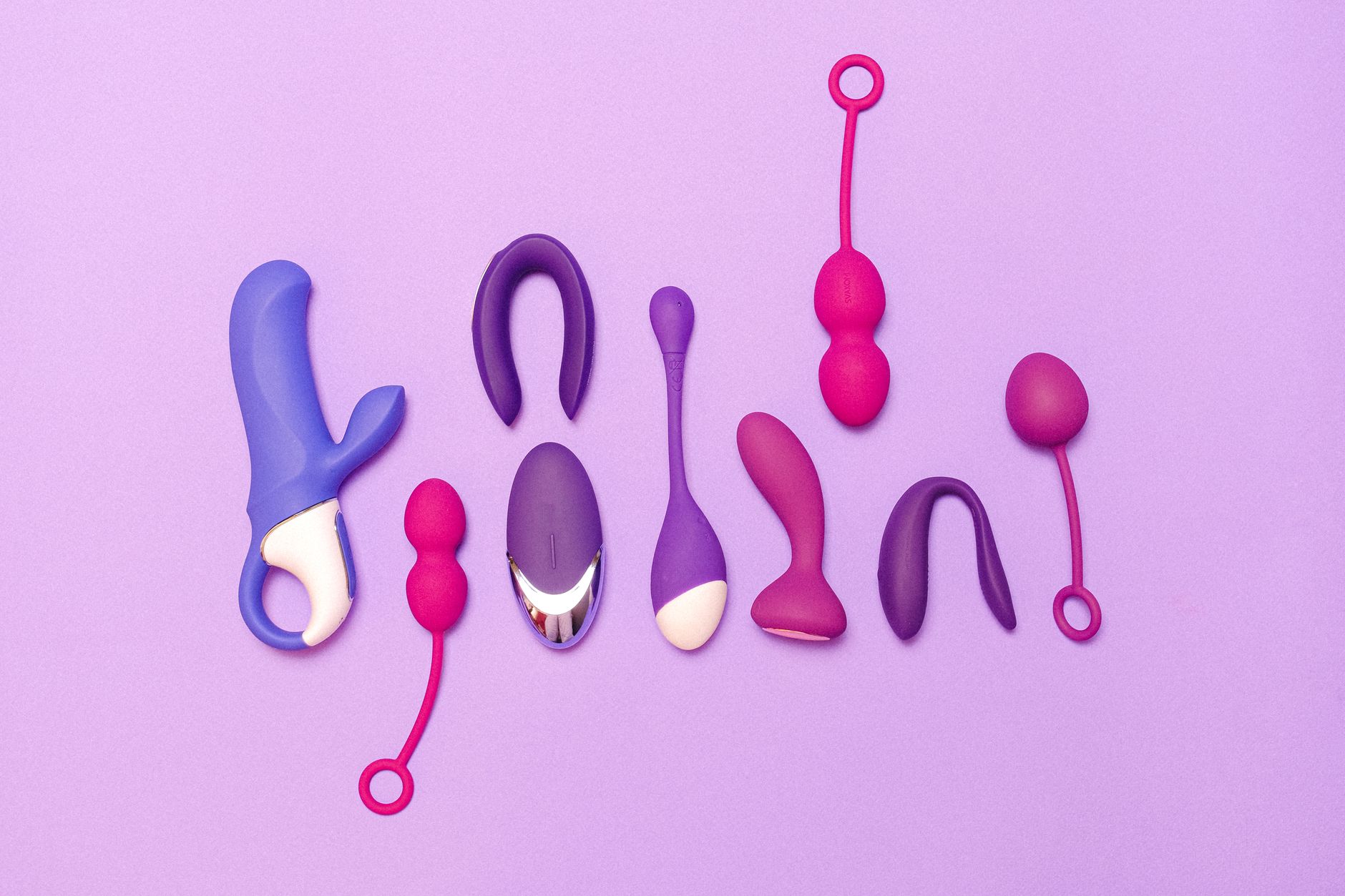
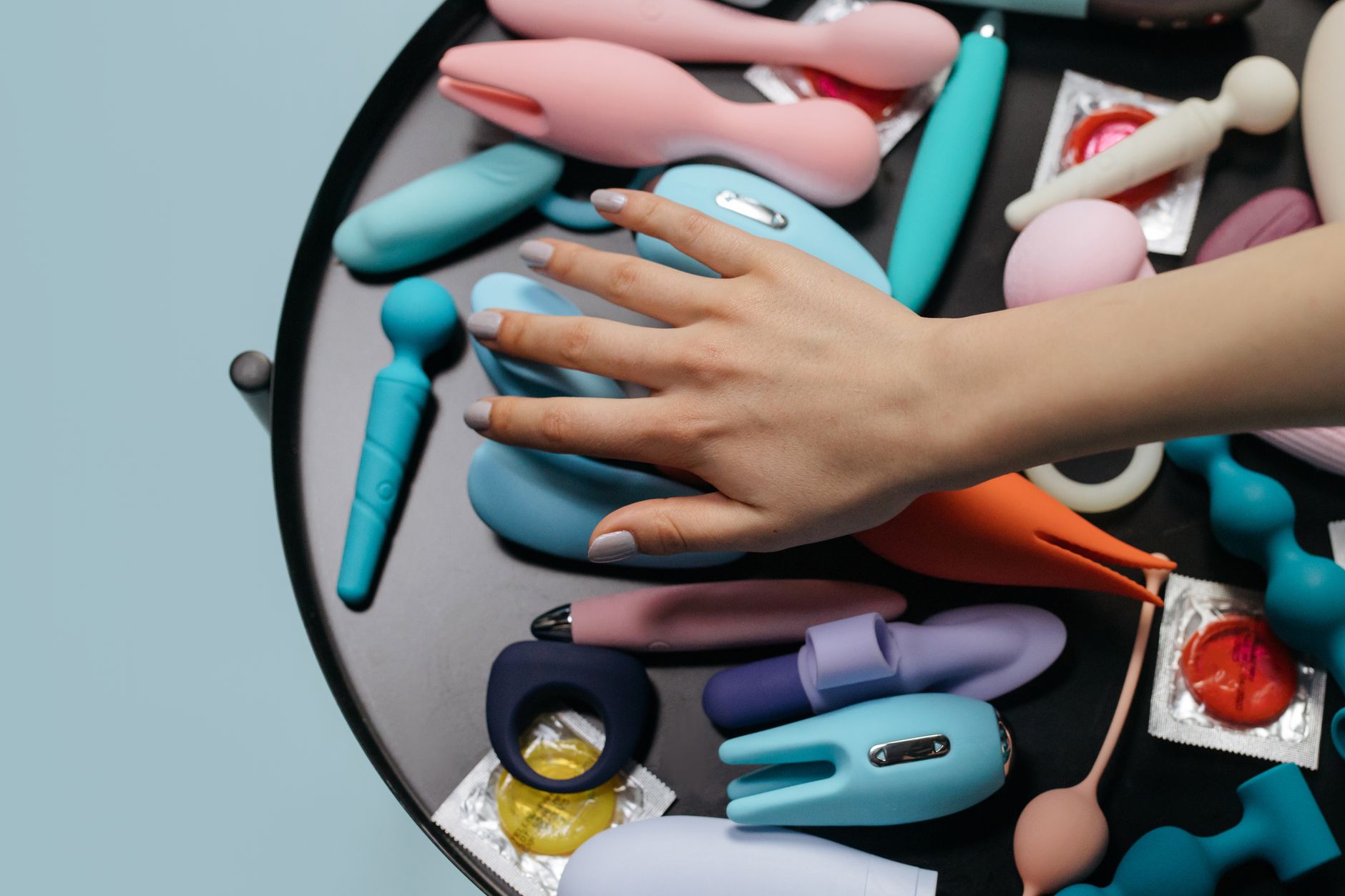
Beginners often start with mini vibrators, small bullet-style toys, or suction-style toys. These options tend to be compact, straightforward, and easy to understand without a long learning curve. Many also offer multiple intensity levels, which matters because a first experience should leave room to adjust rather than force one fixed feel. For someone who wants a low-pressure entry point, these categories are usually easier to explore.
External-first is often the easiest route
A common mistake is assuming the “most advanced” option is automatically the best first purchase. In practice, external toys are often easier to handle because they are simpler to position, easier to pause, and less demanding in terms of angle, sizing, and relaxation. Internal toys can be a great next step later, but they usually require more attention to comfort and setup. If the goal is to get familiar with the basics, starting external is often the calmer choice.
Material, buttons, and noise matter more than expected
The details that shape daily use are not always the ones shown in product photos. Smooth silicone is often easier to keep clean and tends to feel more approachable for beginners; harder plastics or mixed materials may need extra attention around seams and surface texture. Button layout also matters: a simple interface is easier to learn than a toy with too many modes. Noise is another practical factor, especially for apartment living or late-night use, where a quieter device feels more discreet.
Budget is about value, not just price
A beginner does not need the most expensive toy, but the cheapest option can create frustration if it feels flimsy, is hard to clean, or has inconsistent vibration. A more practical approach is to set a realistic budget and check for basics such as water resistance, USB charging, clear instructions, and easy cleaning. If the budget is tight, one stable entry-level toy is usually a better start than a bundle of features that never get used. Value matters more than a long spec sheet.
Cleaning, storage, and privacy should be part of the decision
A good first purchase is one that fits real life after the first use. Cleaning routine, drying time, storage, and whether the toy can be kept separately all affect how easy it is to own over time. If ordering online, packaging discretion, invoice naming, and delivery method are worth checking before checkout. These practical details often make the difference between a purchase that feels awkward and one that feels normal, private, and manageable.
A simple rule for the first order
Instead of chasing the most popular item, beginners usually do better by choosing something small, simple, and easy to clean. From there, it becomes easier to learn what feels right and what does not, without spending too much or getting lost in too many options. If the first toy is treated as a starting point rather than a final answer, the whole process becomes far less stressful. The best beginner purchase is the one that makes the next choice easier, not harder.
FAQ
What should beginners consider when choosing their first sex toy?
Beginners should start by thinking about what kind of sensation feels approachable, such as whether they prefer external or internal stimulation, softer or more direct sensations, and solo or shared use. Narrowing these preferences helps reduce overwhelm and makes it easier to find a toy that matches their comfort level and curiosity. Focusing on sensation rather than brand is usually more helpful for a first purchase.
Why are external sex toys often recommended for first-time buyers?
External toys are typically easier to handle because they are simpler to position, easier to pause, and less demanding in terms of angle, sizing, and relaxation. They let beginners explore their responses without the added complexity of internal comfort and setup. For many people, starting with external stimulation provides a calmer and more manageable way to learn what they like before trying internal options later.
What materials and design features are important in a beginner-friendly sex toy?
Smooth silicone is often recommended for beginners because it is easier to keep clean and tends to feel more approachable on the skin. Simple controls and a clear button layout make the toy easier to use without a steep learning curve, while adjustable intensity levels allow more room to find a comfortable setting. Noise level also matters, as a quieter device feels more discreet, especially in shared living spaces or during late-night use.
How should beginners think about budget, cleaning, and privacy when buying a sex toy?
Budget should focus on overall value rather than the lowest price, aiming for a toy that is sturdy, easy to clean, and consistent in performance, with practical features like water resistance and USB charging. Cleaning routine, drying time, and storage options all affect how convenient the toy is to own over time. For privacy, it helps to check how the product is packaged, labeled on invoices, and delivered, especially when ordering online.