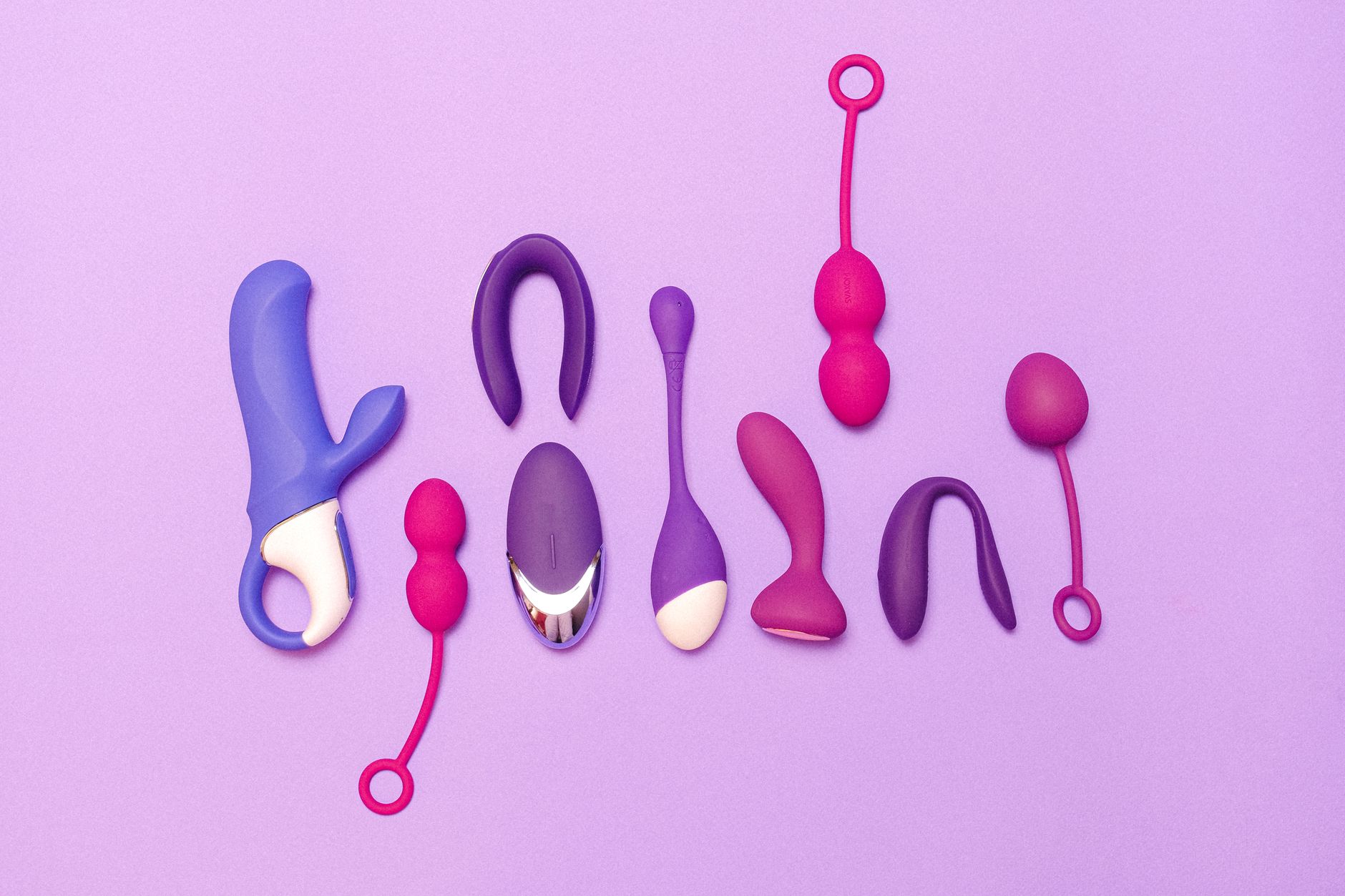
Buying a first sex toy does not require choosing the product with the most settings. A better starting point is a design that is easy to hold, simple to operate, clearly labelled, and straightforward to clean. Many adults hesitate because they are unsure about size, storage, shared use, or discreet delivery rather than because they lack interest. This guide lays out a practical decision process, from intended use and product type to materials, charging, cleaning, lubricant compatibility, and privacy. It is written for consenting adults; anyone experiencing pain, bleeding, persistent irritation, or another unusual reaction should stop using the product and seek professional medical advice.
Start with the situation, not the bestseller list
Before comparing products, picture where and how the item would realistically be used. In a shared home, noise and vibration transfer may matter more than the number of patterns; for travel, compact storage, charging, and a protective pouch may be more useful. Couples should also consider whether both people can understand the controls and agree on boundaries without pressure. These questions do not have one correct answer. They simply help shoppers select specifications that fit daily life instead of being guided by flashy marketing.
- For simple operation: look for few buttons, clear controls, and readable instructions.
- For discreet storage: check dimensions, appearance, accessories, and charging cable storage.
- For first-time internal use: review size, a retrieval feature, and personal comfort before buying.
- For partnered exploration: discuss consent, pause signals, cleaning, and who handles care.
Three common categories for beginners
Beginner shoppers often compare external massagers, wearable or interactive products, and insertable products. External massagers generally avoid questions about insertion depth and can be a manageable way to learn how controls and sensations feel. Wearable or interactive designs require closer attention to fit, fastening, remote controls, and communication with a partner. Insertable products require additional checks for material, surface condition, retrieval features, and cleaning instructions.
A practical first purchase is often compact, uncomplicated, and smooth rather than packed with preset modes. Adjustable intensity and a comfortable lowest setting may matter more than a long list of patterns. If the product requires lubricant, read the compatibility guidance on both the toy and the lubricant. Water-based lubricant is often an accessible starting point, but the product instructions should take priority because some materials can react with certain formulas.
Material labels and construction matter more than appearance
Look for complete material information, manufacturer details, usage instructions, and care guidance. Non-porous materials are generally easier to clean; common examples include 100% silicone, hard plastic, stainless steel, and break-resistant glass. Marketing phrases such as “silicone feel” or “soft-touch material” are not the same as a complete material disclosure, so shoppers should check whether the product is made from one material or a blend. Strong odour, surface oiliness, unclear labelling, or missing manufacturer information are reasons to choose another product.
Construction affects everyday care. Seams, buttons, charging ports, and removable parts can collect residue, while water resistance does not always mean a product may be submerged. Check the stated water-resistance conditions and whether the item can be rinsed fully. Do not assume that alcohol, scented cleaners, boiling water, or a dishwasher is suitable unless the manufacturer explicitly says so. A transparent product page and a clear manual are more useful than a low price alone.
Cleaning, lubricant, and shared-use safety
Clean the product before and after use according to the manufacturer’s instructions. A common approach is mild soap and water when permitted, followed by thorough rinsing and complete drying. Pay special attention to buttons, seams, and joins between parts, then store the item somewhere dry and away from direct heat or sunlight. Avoid long-term contact between different materials, since some surfaces may become sticky or degrade when stored together.
If a product is shared, clean it between users or use a new condom as a barrier, changing it whenever the user or body site changes. Planned Parenthood advises cleaning toys before they touch another person’s genitals and changing condoms when moving from anal use to vaginal or oral use. Silicone lubricant may react with some silicone toys, so check the manufacturer’s guidance rather than guessing. Pain, broken skin, numbness, bleeding, or ongoing irritation are signals to stop; increasing intensity or adding more lubricant should not be used to push through discomfort.
Privacy and after-sales details when ordering
For first-time shoppers, privacy is part of the buying experience. Review whether the store uses plain outer packaging, how the sender appears on the label, what information is shown on receipts, and how customer support handles adult products. Because hygiene restrictions may apply after opening or use, read the size, material, warranty, and return policy before ordering. Keep the order confirmation and manual in case the product needs troubleshooting or warranty service.
Price is not a reliable measure of fit. Instead of buying several items at once, choose one product with transparent specifications, manageable cleaning, and clear support. People who need discreet storage should also check for odour, charger type, charging safety, and whether the product can be stored separately. Adult products should be purchased and used only by adults. In partnered use, consent must be freely given, and either person may pause, stop, or change their mind at any time.
A practical beginner checklist
A short checklist can keep the decision focused when discounts and attractive packaging become distracting. Confirm the intended use and size first, then review material disclosure, cleaning instructions, charging requirements, and storage. Check for hard-to-clean seams, included storage, water-resistance limits, and lubricant guidance. If a partner may use the item, include cleaning, condom changes, and a stop signal in the conversation before the product arrives.
- Material and manufacturer information are complete rather than vague.
- Size, weight, controls, and intensity range fit the intended setting.
- Cleaning, drying, charging, and storage instructions are easy to follow.
- The surface has no unusual odour, oiliness, cracks, or rough defects.
- The retailer explains discreet delivery, warranty, customer service, and returns.
- Adult users understand consent, hygiene, and when to stop.
A first purchase does not need to be perfect. A sensible approach is to begin with a clearly labelled, compact product that has uncomplicated functions and manageable cleaning, then note what felt comfortable or inconvenient before considering another design. The next choice might prioritise quieter operation, smaller storage, wearable features, or partnered controls, but it should follow real preferences rather than pressure. When material, hygiene, privacy, and consent are considered together, choosing a sex toy becomes a practical adult purchasing decision rather than a test of experience or confidence.
FAQ
What type of sex toy is best for a first-time buyer?
A compact product with simple controls, clear material information, and easy cleaning is usually a practical starting point. External designs can avoid insertion-related questions, while insertable products require extra attention to size, retrieval features, and lubricant compatibility.
How should a sex toy be cleaned?
Follow the manufacturer’s instructions and clean the product before and after use when the material and design allow it. Mild soap and water may be suitable for some products, but the item should be rinsed and dried completely, with extra attention to seams, buttons, and joins.
Can partners share the same sex toy?
They can discuss shared use, but the toy should be cleaned between users or covered with a new condom. Change the condom whenever the user or body site changes, and stop using the product if anyone experiences pain, broken skin, bleeding, or persistent irritation.
Which materials should beginners look for?
Choose products with complete, specific material labelling and care instructions. Common non-porous options include 100% silicone, hard plastic, stainless steel, and break-resistant glass; avoid products with strong odour, surface oiliness, vague labels, or no identifiable manufacturer.