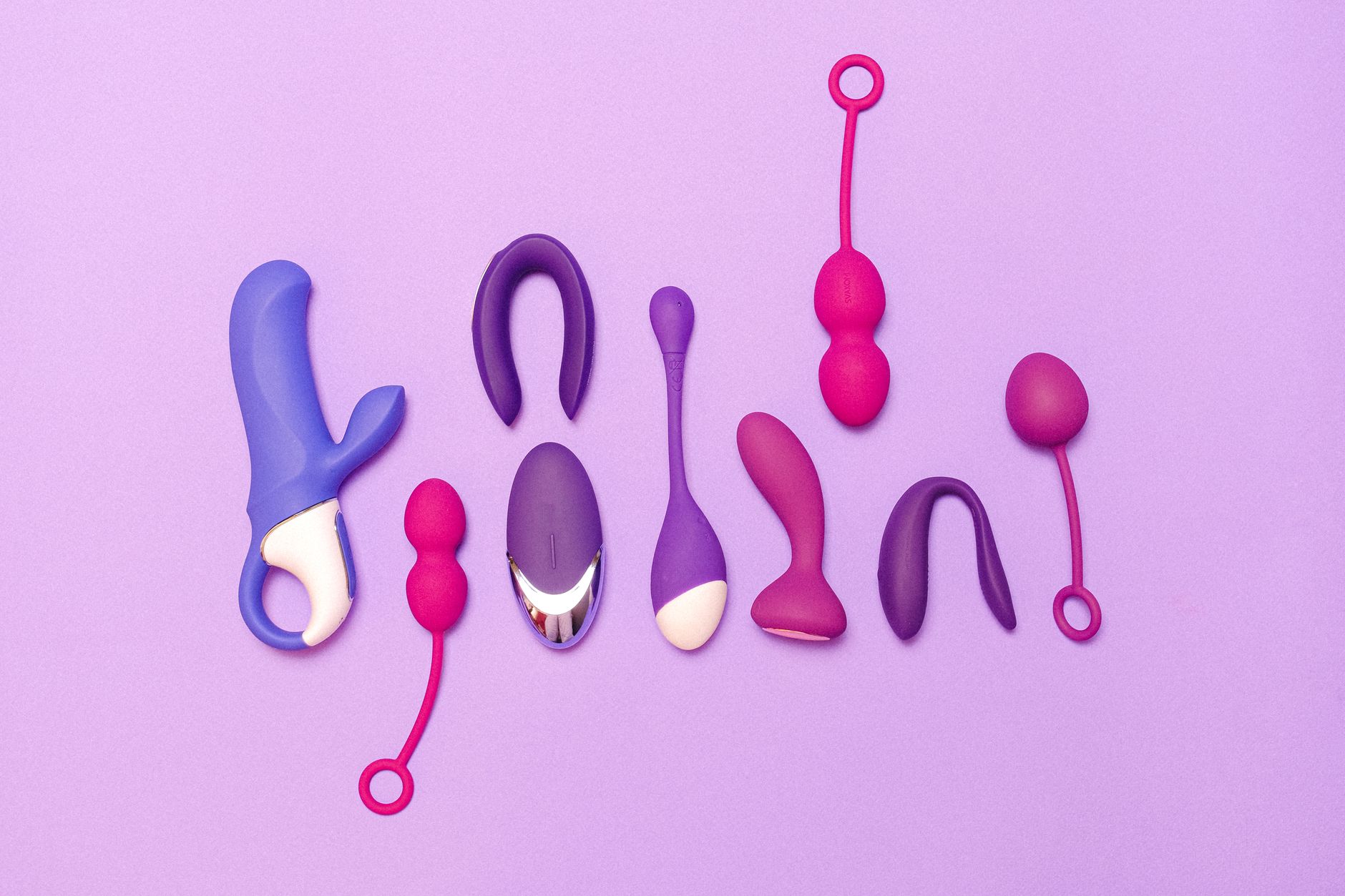
Choosing a first sex toy is less about finding the product with the most settings and more about selecting something simple, clearly labeled, easy to clean, and comfortable to control. Beginners usually benefit from comparing the intended use, material, size, noise, charging method, and storage requirements before looking at extra modes. Adult products should be purchased and used only by consenting adults; persistent pain, bleeding, numbness, or significant irritation is a reason to stop and seek professional medical advice.
Start with the situation, not the trend
Before browsing, consider whether the product is intended for external use, internal use, or partnered play. An externally used mini vibrator is often easier to understand than a product that requires insertion, multiple attachments, or app pairing. A wearable or remote-controlled option may suit couples, but it can also involve more charging, cleaning, connectivity, and fit considerations. The best first purchase is usually the one whose controls and intensity changes are easy to understand rather than the one with the longest feature list.
- External vibrator: straightforward controls and many compact options.
- Small wearable: useful for partnered settings, but fit and battery life matter.
- Massage wand: broader coverage, with more attention needed for weight, storage, and noise.
- Water-based lubricant: a practical companion product when its ingredients and intended use are clearly listed.
Material and surface should come before features
For products that touch the body, look for clearly identified non-porous materials, such as pure silicone when specified, hard ABS plastic, stainless steel, aluminum, or shatter-resistant glass. Non-porous surfaces are generally easier to clean according to the manufacturer’s instructions, but labels such as “medical grade” do not replace a complete material description. A product with a strong chemical smell, a persistently sticky surface, vague “skin-like” wording, or no clear care information is a poor choice for a first purchase.
Soft TPE, TPR, jelly, and other elastomer blends can vary in porosity and maintenance requirements. If the packaging does not clearly explain whether the material is intended for body contact, whether it is phthalate-free, and which lubricants are compatible, it is better to choose a product with more transparent specifications. Also check the water-resistance rating separately: splash-resistant does not mean submersible, and an electronic product should not be placed in a bath simply because its exterior looks sealed.
How to choose size, intensity, and noise
Beginners often assume that larger size or stronger output means better value, but adjustability, easy stopping, and comfortable handling are usually more important. Look for multiple intensity levels, dedicated plus and minus controls, and a clear stop function. If a product requires complicated button combinations, it may be harder to use in a relaxed setting. For insertable products, check whether there is a broad base or retrieval handle; products intended for anal use need a clearly designed external stop.
Noise depends on the living environment. A person living alone may have different needs from someone sharing a bedroom, apartment, or family home, and a listed decibel figure may not reflect vibration through a bed or wall. Reviewers’ comments about low-speed noise, motor resonance, and button clicks can be more useful than a single specification. Weight, grip texture, and storage space also matter: a product that is tiring to hold or difficult to store may not become part of a comfortable routine.
Lubricant compatibility and cleaning basics
Water-based lubricant is often the easiest starting point because it is generally simple to wash away and commonly compatible with many toys and condoms. It is still important to read the toy and lubricant instructions, since formulas and materials differ. Silicone-based lubricant may last longer, but it can be incompatible with some silicone toys; when the manufacturer does not clarify compatibility, choosing a water-based formula is the more conservative option. Oil-based lubricant can also weaken latex condoms, so comfort alone should not determine the choice.
After use, follow the care instructions, commonly involving warm water and a mild, fragrance-free cleanser, then rinse thoroughly and dry completely before storage. Products that are not washable should be wiped with a slightly damp cloth while keeping liquid away from charging ports. If partners share a toy, or if a toy moves from the anus to the vagina or mouth, use a new condom and clean the product as directed to reduce cross-contamination and irritation risks.
A practical beginner checklist
Treat the product page as a checklist rather than relying only on photos or discounts. Confirm the material, dimensions, weight, waterproof rating, charging method, warranty, cleaning instructions, and lubricant guidance. Read the return policy before opening the package, because intimate products may have hygiene-related restrictions. Anyone with known sensitivity to latex, fragrance, cleaners, or specific materials should review ingredients carefully and stop using the product if burning, swelling, itching, or persistent redness occurs.
- Beginner vibrator: simple controls and adjustable intensity, with battery and button feel worth checking.
- Water-based lubricant: broadly practical, although it may need reapplication as it dries.
- Storage pouch or case: helps limit dust and contact with unrelated personal items.
- New condoms: useful for sharing or switching between body areas, provided the toy’s shape allows a secure fit.
Make the first purchase private and low-pressure
A first purchase does not need to become a test of expertise. Set a budget, choose one or two priorities such as quiet operation or easy cleaning, and compare those before considering extra patterns or app functions. For discreet shopping, review whether the retailer uses plain outer packaging and what appears on invoices, notifications, and account records. Private browsing can limit local history, but it does not replace device passwords, account security, or careful payment practices.
The most suitable first product is often the one with transparent specifications, a body-contact material that is clearly identified, manageable cleaning, and controls that respect personal limits. Read the instructions, inspect the surface and charging condition, and begin with a low setting for a short period. Stop whenever something feels wrong; comfort, consent, and personal boundaries matter more than rankings or promotional language.
FAQ
What is the best first sex toy for a beginner?
Many beginners find an externally used, compact vibrator with adjustable intensity easier to understand than a complex multi-function product. Check the material, controls, noise, charging method, cleaning instructions, and storage requirements before buying.
Can silicone lubricant be used with a silicone sex toy?
Not always. Silicone-based lubricant may be incompatible with some silicone toys, so check the manufacturer’s instructions first. If compatibility is unclear, a water-based lubricant is often the simpler option to manage.
How should a sex toy be cleaned after use?
Follow the product instructions, commonly using warm water and a mild, fragrance-free cleanser, then rinse and dry it completely before storage. For electronics that are not washable, use a slightly damp cloth and keep liquid away from charging ports.
Can partners share a sex toy?
Sharing requires mutual consent, cleaning according to the product instructions, and a new condom when the toy moves between users or between body areas. Stop using it and seek professional advice if there is persistent pain, bleeding, or significant irritation.