Sex toys are often misunderstood as evidence that a partner is not attractive, attentive, or capable enough. In a healthy adult relationship, however, a device and a partner do not occupy the same role. A toy may offer a particular rhythm, sensation, or level of consistency, while a partner brings emotional connection, responsiveness, trust, humor, and shared meaning. The concern is often less about the object itself than about fears of comparison, rejection, or being replaced. When the conversation moves away from winning and losing and toward needs, boundaries, and mutual choice, sex toys can be discussed as one possible addition to intimacy rather than a verdict on anyone’s worth.
A Toy Is Not a Replacement for a Partner
The question “If a toy works, why do you need a partner?” assumes that two different experiences are interchangeable. A device can provide predictable stimulation and straightforward control; partnered intimacy includes touch, eye contact, verbal feedback, affection, and the ability to respond to one another in real time. Similar function does not mean equal emotional meaning. A massage tool is not the same as a massage therapist, and a playlist is not the same as a live performance. If a partner feels threatened, the deeper question may be whether they still feel wanted and valued, not whether the device is technically more effective at producing a particular sensation.
Why the Topic Can Feel Personal
A partner may react negatively because they fear being compared, worry about disappointing the other person, or interpret private exploration as proof that the relationship is failing. Those feelings deserve attention rather than dismissal. At the same time, someone who wants a toy may hide the purchase or use because they expect judgment, which can turn a neutral object into a trust issue. A more constructive response begins by acknowledging the emotion and then clarifying the meaning: “I care about our connection; this is simply another option for sensation.” Sexual communication is associated with sexual and relationship satisfaction in research, but association does not mean every couple will experience the same outcome. The practical priority is whether both people feel heard and free to choose.
How to Start the Conversation Without Blame
The timing and wording of the conversation matter. A calm moment outside an argument or immediate sexual situation usually makes it easier for both people to speak honestly. Starting with personal experience and curiosity is less threatening than evaluating a partner’s performance. “I’d like to explore an option together” invites dialogue; “You can’t make me feel good” turns the discussion into a scorecard. Before choosing a product, couples can discuss what feels acceptable, what feels uncertain, and what is off-limits. Consent should remain specific, mutual, and reversible, including the right to pause or change one’s mind.
- Ask, “How would you feel about considering this?”
- Begin with an option that is easy to stop and adjust
- Check in during use rather than assuming silence means comfort
- Treat a refusal as a boundary, not as evidence of a lack of love
From Private Use to Shared Exploration
A sex toy can remain a personal item, or it can become part of partnered exploration; neither choice is more valid. If both people are interested, the first step does not need to be complicated. They can look at the design, discuss materials, sound, controls, cleaning, and storage before deciding whether to use it together. For beginners, intuitive controls, manageable size, adjustable settings, and simple cleaning may matter more than a long feature list. One partner may prefer to observe, guide the controls, or wait until later, and that preference should be respected. The purpose is to create more choices, not to introduce a new performance requirement.
Materials, Cleaning, and Sharing Safety
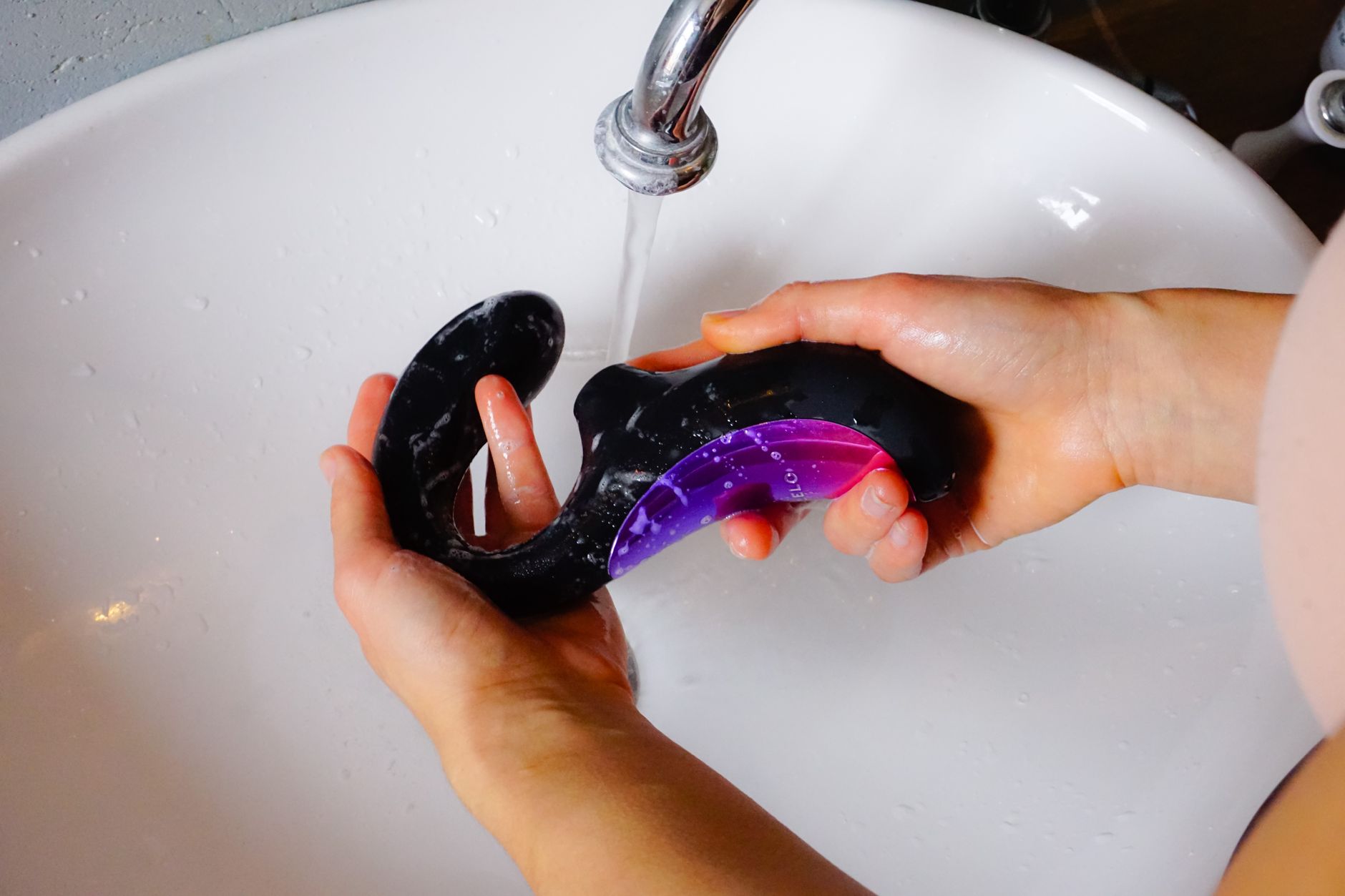
Intimate products come into close contact with skin and private areas, so product information and cleaning should be part of the conversation. Check the stated material, dimensions, water-resistance rating, charging method, and manufacturer’s care instructions before purchase. Clean the product as directed with a mild method and let it dry fully after use. If an item moves between users or body areas, clean it before each change; in some situations, a fresh condom can provide an additional barrier. Porous materials may retain fluids and require extra care when sharing. Stop using any item that becomes cracked, sticky, unusually odorous, or electrically unreliable. Pain, burning, bleeding, or persistent discomfort should not be ignored, and medical advice may be appropriate.
What If One Partner Says No?
Consent is ongoing rather than a one-time agreement. If one person does not want to use a toy, the other should not respond with pressure, ridicule, comparison, or emotional bargaining. Likewise, a person who wants to explore should not be shamed for having that preference. It can help to clarify what the “no” means: concern about hygiene, discomfort with the product, fear of comparison, lack of interest, or simply poor timing. Different concerns may lead to different alternatives, such as reading the instructions, discussing preferences, trying non-device forms of touch, or postponing the conversation. When the topic repeatedly causes conflict, a qualified couples counselor or sexual-health professional can provide a neutral setting for discussion.
The most useful question is not whether a couple owns a toy, but whether the object is placed within a framework of respect, transparency, and easy withdrawal. Some couples may enjoy the variety; others may prefer conversation, touch, or changes in pace without any device. Having no toy does not make a relationship outdated, and using one does not prove that a partner is inadequate. When adults can express expectations, listen to insecurity, respect refusal, and place comfort before performance, intimacy becomes less about comparison and more about making choices that fit both people. This article provides general information only; persistent pain, suspected infection, allergic reactions, or serious relationship conflict warrant advice from an appropriately qualified professional.
FAQ
Does using a sex toy mean a partner is not enough?
No. A toy and a partner offer different kinds of sensation and intimacy, so the device is not a measurement of a partner’s value or relationship quality. The important questions are whether both people understand the purpose, feel comfortable, and agree on boundaries.
How should someone talk to a partner who feels insecure about sex toys?
Choose a calm moment and acknowledge the fear of comparison or replacement before explaining what the toy means to you. Use statements about your own feelings and needs, and make clear that the partner can decline, pause, or revisit the topic later.
Can couples share sex toys safely?
Sharing depends on the product’s material, cleaning instructions, and mutual agreement. Clean the item before it moves between users or body areas, and consider a fresh condom as a barrier where appropriate. Follow the manufacturer’s care guidance and stop if the product is damaged.
What should beginners look for in a toy for partnered use?
Prioritize clear material information, manageable size, intuitive controls, adjustable settings, suitable water resistance, and easy cleaning. A simple product that both partners understand and can stop easily is often a better starting point than one with many complicated features.