A male masturbator can be an approachable first intimate product, but the buying decision should focus on construction and maintenance rather than appearance alone. Common designs include removable sleeves, fixed housings, open-ended channels, and closed-ended tunnels, with differences in price often reflecting materials, manufacturing quality, and added features such as vibration or warming. A softer sleeve is not automatically easier to use, and a more elaborate texture is not automatically better if it takes a long time to rinse and dry. This guide explains the main parts, channel designs, materials, durability factors, and storage considerations so adult buyers can compare products more realistically.
Understanding the main parts
Most male masturbators combine an outer housing, an inner sleeve, an opening, and an end structure. The housing affects grip, stability, weight, and storage, while the sleeve determines most of the direct skin contact and tactile experience. ABS plastic is common in firm housings, whereas the sleeve may use TPE, TPR, elastomer, or silicone. A removable sleeve is generally easier to inspect and wash, although seams and channels still need enough drying time before storage. Product pages should clearly state whether the sleeve can be removed, whether the item is waterproof, and how the manufacturer expects it to be cleaned.
- Housing: affects grip, balance, weight, and storage size.
- Sleeve: determines the primary feel and requires the closest attention to material care.
- End design: may be open, closed, or fitted with drainage features, which changes cleaning difficulty.
Internal channels and texture depth
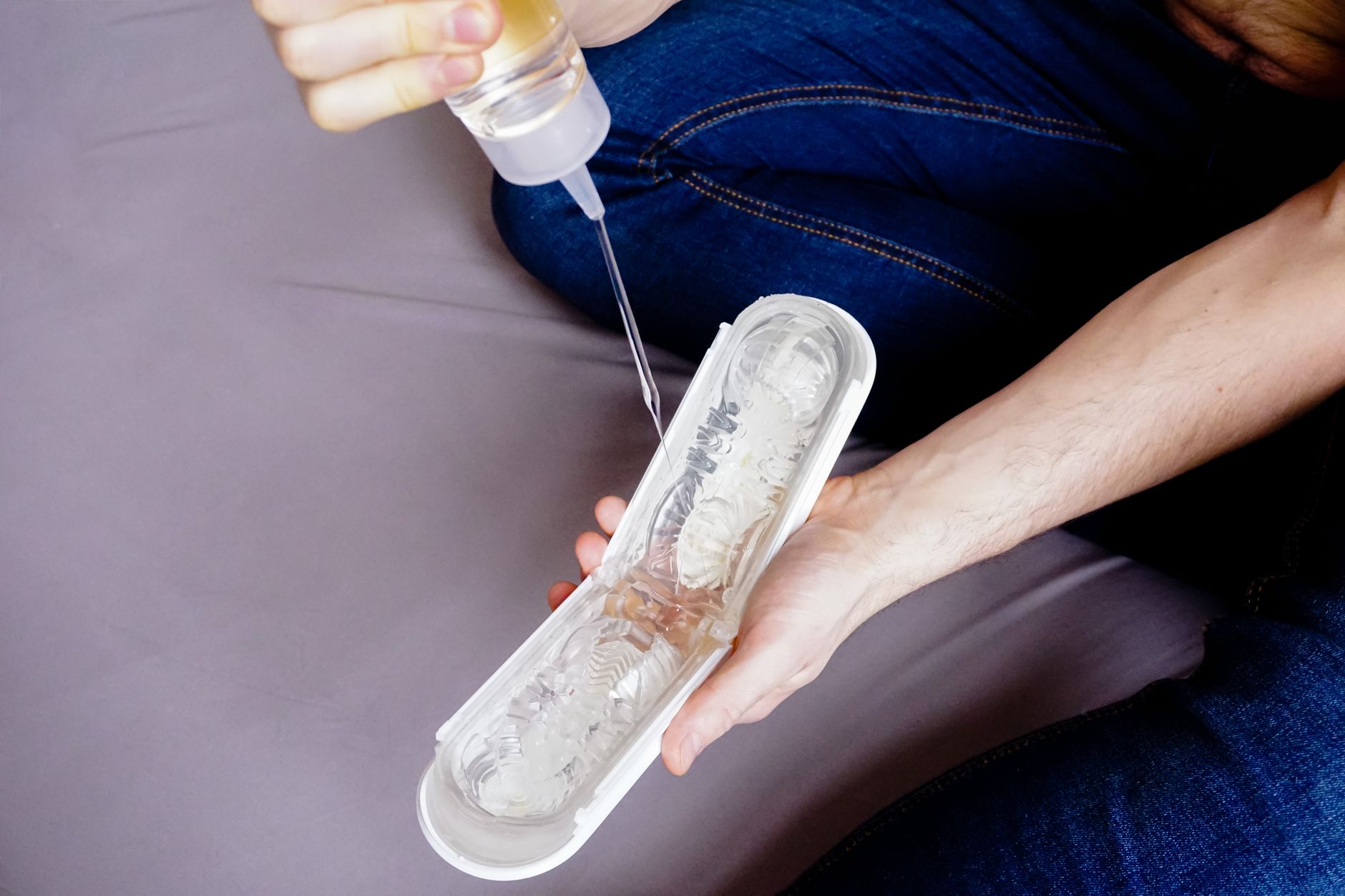
Internal channels may be straight, spiral, ridged, wavy, or divided into several sections. These patterns change the way lubricant moves through the sleeve and can create different tactile sensations, but deeper grooves also collect more residue and take longer to rinse. Open-ended designs are often easier to flush from both sides, while closed-ended models require careful attention to drainage and drying. Some products include a removable sleeve or drying accessory, which can make a complicated channel more manageable, but buyers should not assume that every accessory solves the same problem.
For someone with limited time, a wide opening and a channel that can be rinsed from both ends may be more practical than a highly detailed texture. Buyers who enjoy experimenting and do not mind a longer cleaning routine can compare multi-section designs, but product photographs should show enough of the internal structure to make that comparison meaningful. When the channel is hidden or poorly described, dimensions and manufacturer instructions become especially important.
Comparing sleeve materials
Common sleeve materials include TPE, TPR, elastomer, and silicone, while the outer case may be made from ABS or another rigid plastic. TPE and TPR are often softer and less expensive, but many versions are porous or more difficult to clean thoroughly than nonporous materials. Over time, an elastomer sleeve may become permanently tacky, discolored, odorous, or less resilient, especially when it is stored damp or paired with an incompatible lubricant. Silicone is generally easier to wash when the product is genuinely silicone and the manufacturer provides a clear specification; labels such as “silicone-like” should not be treated as equivalent.
Water-based lubricant is usually the more conservative choice, but compatibility depends on the material and the manufacturer’s instructions. Oil-based or silicone-based lubricants can damage or alter some elastomer materials, so the label should be checked before use. If a product may be shared, or if hygiene is a major priority, a removable nonporous sleeve is easier to manage; porous sleeves may require a barrier and should not be casually shared.
Cleaning and durability in daily use
Durability depends on material quality and routine care, not simply on price. After each use, follow the product instructions, wash the sleeve with warm water and a mild unscented cleanser, and make sure water reaches every channel. Pat away excess moisture and let the sleeve air-dry completely in a ventilated place before putting it back into a case. Electronic products require extra caution around charging ports, seams, and areas that are not explicitly waterproof; a solid-looking shell is not proof that the whole item can be submerged.
A sleeve should be replaced when it develops permanent stickiness, cracks, significant discoloration, persistent odor, or a noticeable loss of elasticity. These signs indicate that normal washing may no longer restore the material, and continued use can create hygiene or skin-comfort concerns. Store the fully dry sleeve away from direct sunlight, heat, sharp objects, and prolonged contact with other soft materials. A dedicated pouch or clean ventilated container can reduce dust while avoiding trapped moisture.
A practical beginner checklist
For a first purchase, a simple, removable, washable design is usually easier to manage than a feature-heavy model with many internal sections. Buyers who prioritize cleaning should compare open-ended channels, sleeves that can be turned or removed as permitted, and clearly stated water-resistance limits. Those who prioritize privacy should check the product’s storage size, included pouch, packaging description, shipping discretion, and whether replacement sleeves are available. Starting with a replaceable sleeve can also be more practical than immediately choosing a complex electronic model.
Before purchasing, check:
- Whether the sleeve and housing materials are clearly identified.
- Whether the sleeve can be removed, replaced, or inspected.
- Whether water can pass through the entire channel.
- Whether waterproofing and charging limitations are explained.
- Whether replacement sleeves or approved cleaners are available.
- Whether the size, noise, storage, and packaging fit the user’s situation.
The most useful beginner choice is a balance between tactile preference, cleaning time, storage conditions, and budget. Clear specifications and a realistic maintenance routine matter more than a dramatic product description. Adult intimate products should be purchased and used only by people of legal age. If use is followed by persistent pain, redness, itching, or another concerning reaction, stop using the product and consult a qualified healthcare professional. This article provides general buying and cleaning information and does not replace individualized medical advice.
FAQ
Should a beginner choose an open-ended or closed-ended male masturbator?
Open-ended designs are often easier to rinse and drain because water can pass through from both sides. Closed-ended designs may offer a different enclosed feel, but buyers should confirm how the sleeve drains, dries, and whether it can be removed or turned as permitted by the manufacturer.
How long does a TPE male masturbator last?
There is no universal replacement schedule because lifespan depends on use frequency, cleaning, lubricant compatibility, and storage. Replace the sleeve if it becomes permanently sticky, cracked, discolored, persistently odorous, or noticeably less elastic.
How should a male masturbator be cleaned after use?
Remove the sleeve if the product allows it, then wash the inside and outside with warm water and a mild unscented cleanser. Rinse every channel, let the sleeve air-dry completely in a ventilated place, and follow the manufacturer’s instructions for any electronic housing.
Can a male masturbator be shared?
Direct sharing is not recommended, especially with porous sleeves that are harder to clean thoroughly. If sharing is considered, use an appropriate barrier and follow the material and cleaning instructions; stop use and seek professional advice if irritation occurs.