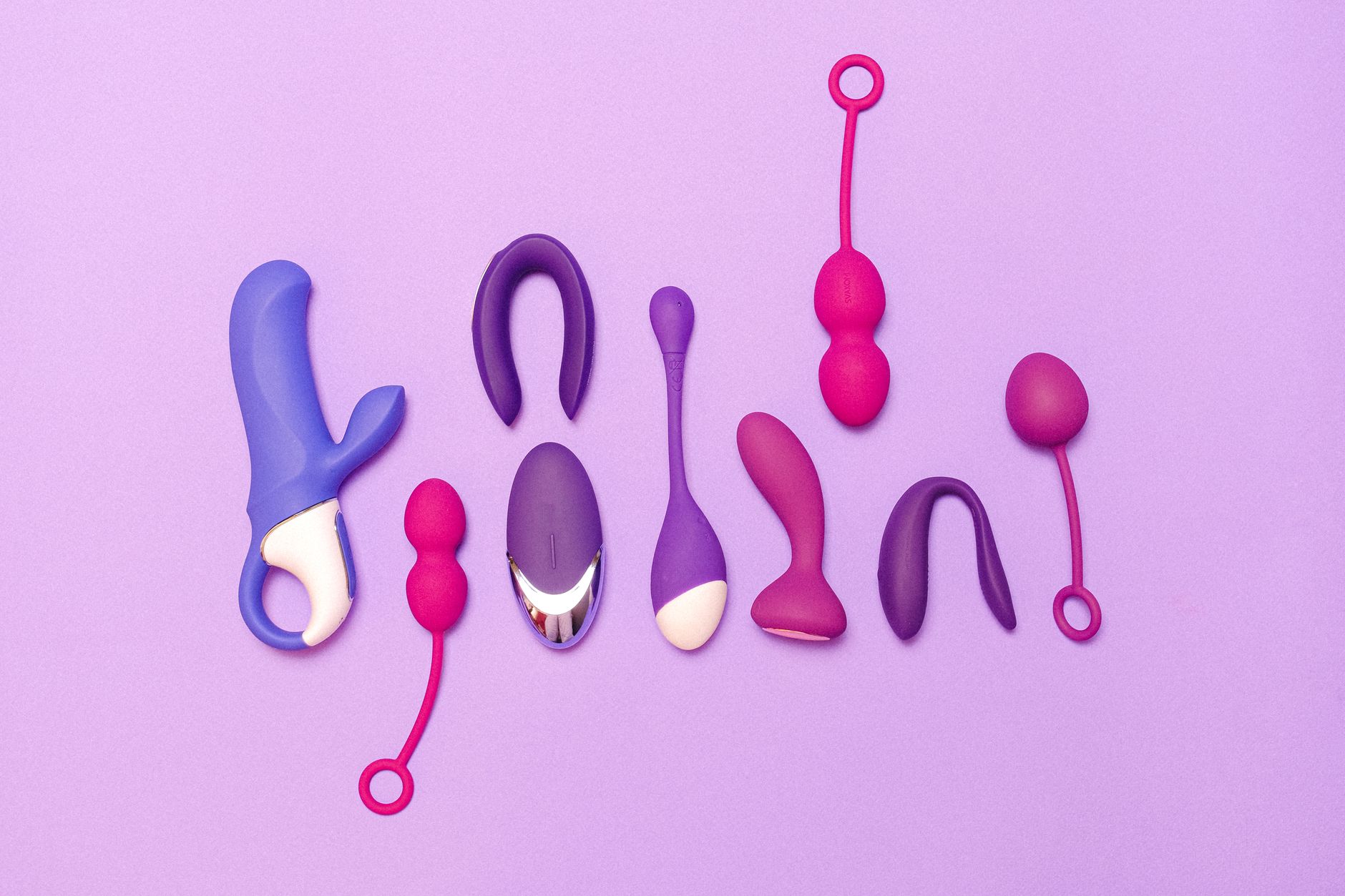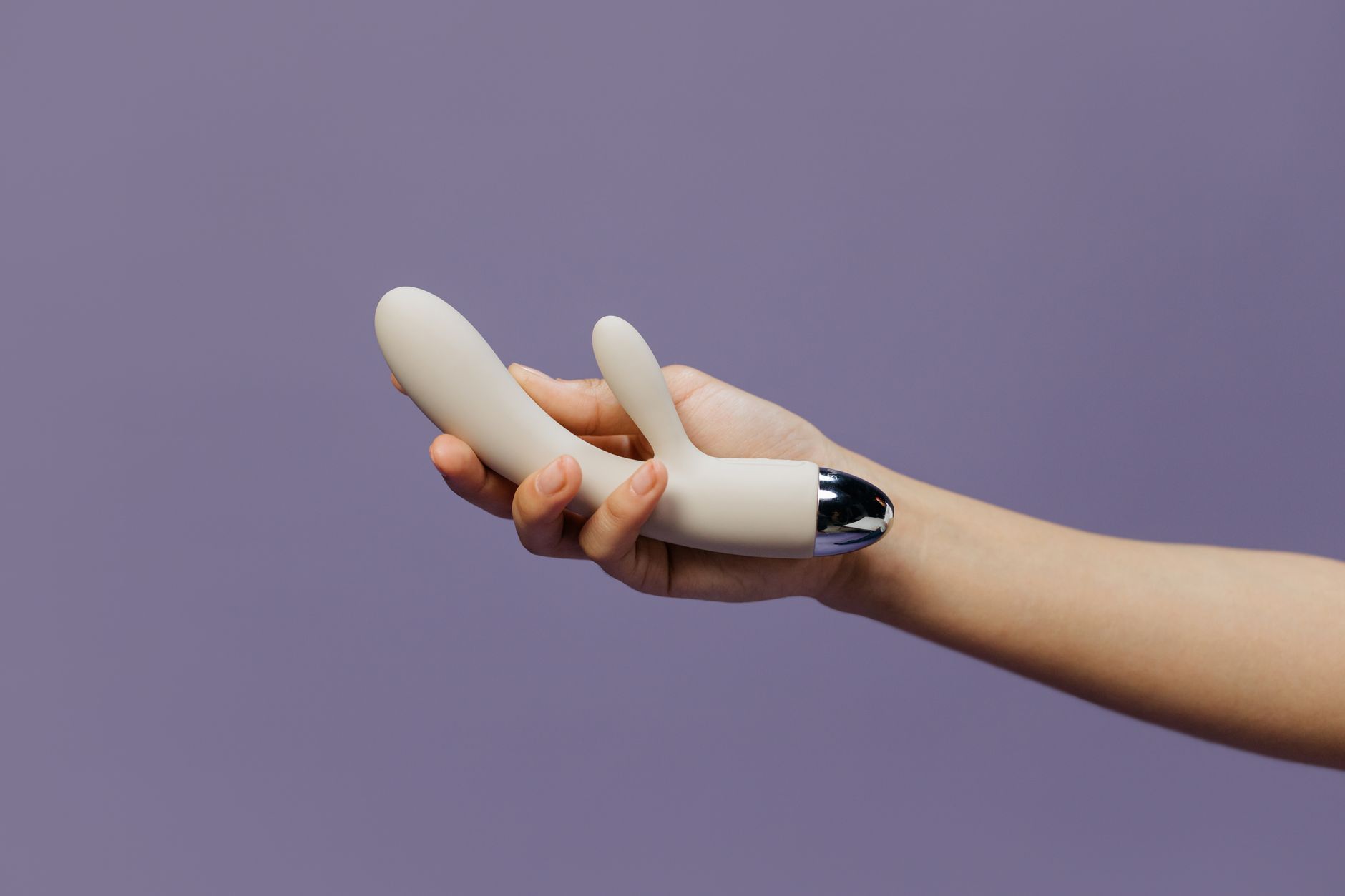
Choosing a G-spot massager is not simply a matter of picking the strongest motor or the most dramatic curve. Shape, firmness, size, material, handle control and cleaning requirements all influence whether a product feels manageable in real use. A pronounced tip may look targeted but still be difficult to angle, while a very soft toy may feel comfortable yet bend before it provides consistent pressure. This guide breaks down the specifications that matter, explains how to compare different designs and covers practical safety considerations for adults. The information is general guidance only; anyone experiencing ongoing pain, bleeding or unusual discomfort should stop using the product and consult a qualified healthcare professional.
Start with the curve: shape affects angle and control
Most G-spot massagers have a rounded or curved tip intended to make contact with the front wall of the vagina at an adjustable angle. When comparing products, the key question is not whether the curve looks dramatic, but where the curve begins, how large the contact head is and how the handle balances in the hand. A curve concentrated near the tip may feel more direct, while a longer gradual bend can spread pressure across a wider area and may take more adjustment to control.
Product pages with side-view diagrams are especially useful. Check the usable length and maximum diameter instead of relying only on the total length listed in a headline. For a first internal toy, a shorter design with a rounded tip and a clearly separated handle can make depth and direction easier to manage. There is no need to chase one fixed position: comfort can change with posture, relaxation and lubrication, so a design that allows small angle changes is often more practical than an exaggerated silhouette.
Firmness explained: soft, medium and structured designs
Firmness determines how much pressure reaches the contact point and how clearly the toy responds to hand movement. Softer designs can feel more forgiving and flexible, but the curved tip may fold or shift during use. Medium firmness often offers a balance between cushioning and control, particularly when a soft silicone exterior covers a more supportive inner structure. This kind of construction can provide a defined shape without feeling completely rigid.
Firmer toys or toys with a firm core give more predictable feedback and may suit users who already know they prefer clearer pressure. The trade-off is that a large diameter, sharp transition or excessive force can reduce comfort. Look for manufacturer terms such as soft, flexible, medium, firm or firm core, and assess those terms together with the actual measurements. Beginners generally do not need to start with the firmest option; gradual experimentation makes it easier to understand personal preferences.
Material matters: prioritize non-porous surfaces
Material affects texture, compatibility and cleaning, not just the initial feel. Medical-grade or body-safe silicone, ABS plastic, borosilicate glass and stainless steel are commonly described as non-porous materials, but the product listing should still identify the actual material rather than using vague phrases such as silicone-like or soft rubber. If a listing mentions jelly, PVC, rubber, TPE or TPR without clear composition and manufacturing information, it is harder to assess how well the surface can be cleaned and stored.
Silicone often has a smooth, velvety or slightly grippy finish and is commonly paired with water-based lubricant. Silicone-based or oil-based lubricants may affect some silicone surfaces, so the manufacturer’s compatibility guidance should take priority. ABS plastic feels harder and usually has a smooth finish, but electronic products are not automatically safe to submerge. Glass and metal can feel dense and cool, and they require careful inspection for cracks, chips, damaged coatings or other surface defects.
Size, handle design and grip are practical essentials
A massager’s handle deserves as much attention as its curved tip. A usable handle should remain controllable when lubricant is present, with buttons that are easy to find and a surface that does not encourage slipping. If a product lacks a clear flared base, stopper or retrieval feature, it should not be used beyond the user’s ability to maintain control. Any internally used toy must be removable without force or panic.
For vibrating products, review the motor position, button layout, charging port and stated water-resistance rating. Waterproof claims should be interpreted according to the manufacturer’s exact wording: splashproof, washable and submersible are not interchangeable terms. People who share walls or live with others may value lower operating noise and simple controls more than a long list of vibration patterns. A design that is easy to operate and clean can be more useful than one with impressive specifications but awkward handling.
Cleaning and storage should be part of the purchase decision
Clean the toy before and after use according to the manufacturer’s instructions. A common approach is warm water with a mild, fragrance-free soap, followed by thorough rinsing, drying and complete air-drying before storage. Products with motors, batteries or charging ports should not be boiled, and water should be kept away from electrical contacts even when the toy is labeled water-resistant. A non-electronic silicone toy may have additional sanitation options, but high-heat methods should only be used when the product instructions specifically allow them.
Store the toy in a clean, dry place away from direct sunlight, heat and prolonged dampness. Avoid leaving unverified silicone materials pressed against one another for long periods, since surface compatibility can vary. Before each use, inspect for cracks, stickiness, odor, peeling or deformation. If a product has damage or hard-to-clean gaps, replacing it is safer than trying to compensate with extra cleaner. When a toy is shared, cleaning and suitable barriers should be considered before and after each person’s use.
A practical checklist for comparing listings
Marketing phrases such as powerful, targeted or upgraded curve are less useful than specifications that can be checked. Before buying, confirm the complete material description, dimensions, usable length, maximum diameter, weight, charging method, water-resistance rating, cleaning limits, warranty and return policy. Privacy-conscious shoppers may also want to review discreet packaging and delivery details. If a listing does not explain its material, dimensions or water exposure limits, the product is more difficult to evaluate responsibly.
Different priorities lead to different reasonable choices. Someone who prefers a gentler feel may look for a rounded tip, moderate firmness and a supported but flexible structure. Someone who wants precise hand control may prefer a defined curve, a non-slip handle and modest dimensions. Someone who values easy maintenance may prioritize a non-porous surface, a simple shape and fewer seams or recesses. There is no universal best specification; the better choice is the one that remains comfortable, controllable and straightforward to clean.
Adult-use boundaries and when to stop
G-spot massagers are adult products and should be used only by adults who can understand the instructions and provide informed consent. Start with plenty of suitable lubricant, a low intensity and a short session while checking how the body responds. Pain, numbness, burning, bleeding or persistent discomfort are reasons to stop rather than push through. The product should not be used in a body area or manner outside the manufacturer’s intended design, and alcohol or drugs that impair judgment can make safe control more difficult.
Anyone recovering from surgery or childbirth, living with ongoing pelvic pain, concerned about infection or experiencing unexplained gynecological symptoms should ask a healthcare professional before using an internal product. A buying guide can help compare curves, firmness and materials, but it cannot replace personal medical advice. Evaluating shape, size, material, cleaning and control together is more useful than choosing a product based on a single headline claim.
The information in this article is for reference only and does not constitute professional advice. For specific decisions, please consult a relevant professional based on your personal situation.
FAQ
Does a G-spot massager need to have a very pronounced curve?
Not necessarily. The location of the curve, the shape of the tip, the dimensions and the handle all affect control, so a more dramatic bend is not automatically easier to use. A rounded tip and a design that allows small angle adjustments may be more practical for many users.
Should a G-spot massager be soft or firm?
Soft designs can feel more flexible, but the tip may shift or fold during use. Medium firmness or a soft exterior over a supportive structure can balance comfort with control, while firm designs provide clearer pressure but require closer attention to size, edges and force.
Can every lubricant be used with a silicone massager?
No. Water-based lubricant is commonly the safest starting point for silicone toys, while silicone-based or oil-based products may affect some surfaces. Follow the manufacturer’s compatibility guidance and test an unfamiliar lubricant on a small, inconspicuous area if appropriate.
Can a vibrating massager be boiled for cleaning?
Usually not, because heat and water can damage the motor, battery or charging contacts. Follow the product instructions and use warm water with a mild cleaner when permitted; only consider boiling for a non-electronic silicone product when the manufacturer explicitly allows it.