G-spot talk shows up often in conversations about pleasure, yet many people are left wondering where it actually is and whether they are supposed to feel something dramatic when it is touched. Some stories frame it as a hidden button that “switches everything on”, which can create pressure or disappointment if reality feels different. In practice, bodies vary widely and what is often called the G-spot is better understood as a general area on the front vaginal wall rather than a single tiny dot. This guide focuses on clear, practical directions, finger techniques and toy choices, aiming to make exploration feel like a respectful dialogue with the body, not a test you have to pass.
Understanding the G-spot Area and Why Sensation Varies
From an anatomical perspective, the G-spot is typically described as a region on the anterior vaginal wall, roughly two to five centimeters inside and facing toward the belly. It may feel slightly different in texture compared with surrounding tissue, sometimes a bit more ridged or spongy, but this varies from person to person and across different levels of arousal. Blood flow, pelvic floor tension and lubrication can all influence how that area feels at a given moment, which is why sensation is not identical every time. Instead of seeing G-spot response as a simple on–off switch, it helps to think of it as one possible source of pressure or massage that may or may not feel intense for a given individual. This mindset takes away the expectation that everyone must feel the same kind of pleasure there.
Setting Up: Environment, Emotional Safety and Basic Care
Before focusing on techniques, it is worth preparing the environment and emotional context. Many people tense their pelvic floor automatically when they feel rushed, uncertain or judged, and that tension can make insertion or pressure less comfortable. Choosing a time and space that feel private and unhurried, adjusting temperature, lighting and bedding, can help the body relax. It is also useful to discuss boundaries in advance, such as agreeing that tonight’s exploration stays shallow or that either person can say stop at any moment without needing to explain. If someone has a history of vaginal pain, infections or recent pelvic surgery, checking in with a health professional before experimenting with new internal stimulation adds a layer of safety. These simple steps often make more difference than any specific angle or toy.
Finger Techniques: Angle, Pressure and Real-Time Feedback
For many beginners, using fingers is the most intuitive and controllable way to explore the G-spot area. A common approach is for the receiver to lie on their back with knees slightly bent, while the giver uses a clean, well-trimmed finger to gently enter and then curl toward the belly. Once the finger reaches the front wall, it can make small circular movements or slow “come here” strokes with the fingertip or pad, while checking in regularly about whether the touch feels pleasant, neutral or too much. Pressure should be firm enough to be noticeable yet never painful; many people prefer to start very gently and then gradually increase as arousal and comfort build. If the receiver’s body tightens or attention drifts to worry, pausing to return to external touch, or letting the receiver guide their own hand, often works better than trying to push through toward a particular goal.
Using G-spot Vibrators: Shape, Material and Practical Use
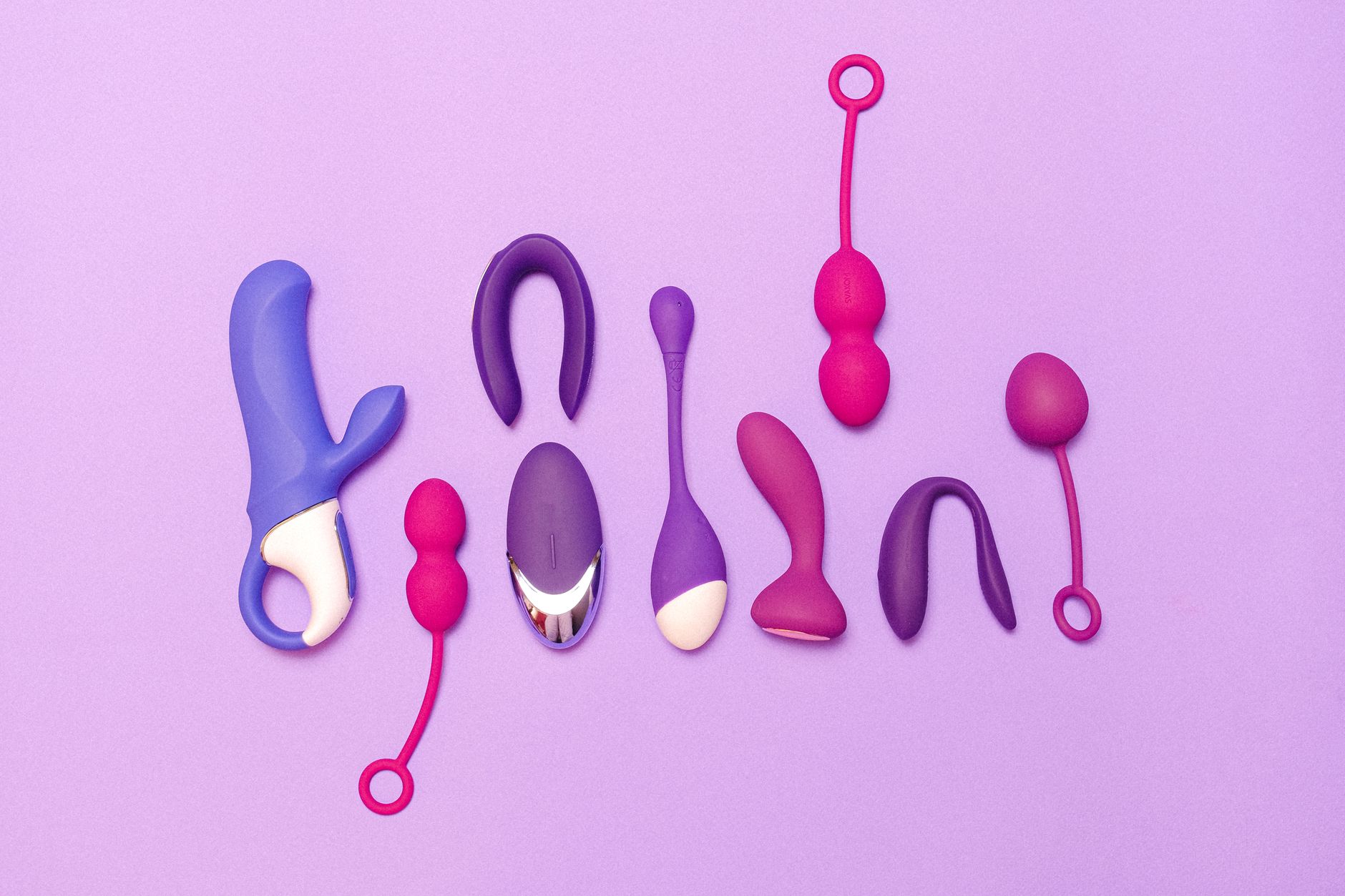
Once someone is familiar with basic finger exploration, they may be curious about how a G-spot vibrator differs. These toys usually have a pronounced curve or bulb at the tip, designed to make contact with the front wall more easily when inserted. When choosing one, it is sensible to look for body-safe materials like medical-grade silicone, a smooth surface without deep seams, and controllable vibration settings rather than one fixed intensity. Starting with a slimmer, simpler shape can feel less intimidating than jumping immediately to large or complex designs. During first use, applying plenty of water-based lubricant helps reduce friction and allows attention to stay on sensation rather than dryness. Some people prefer slow, steady pressure with minimal movement, while others enjoy gentle rhythmic thrusting or pulsing against the front wall. There is no universally “correct” pattern, so the most helpful guide is the receiver’s ongoing feedback.
Multifunction Toys and Balancing Overall Sensation
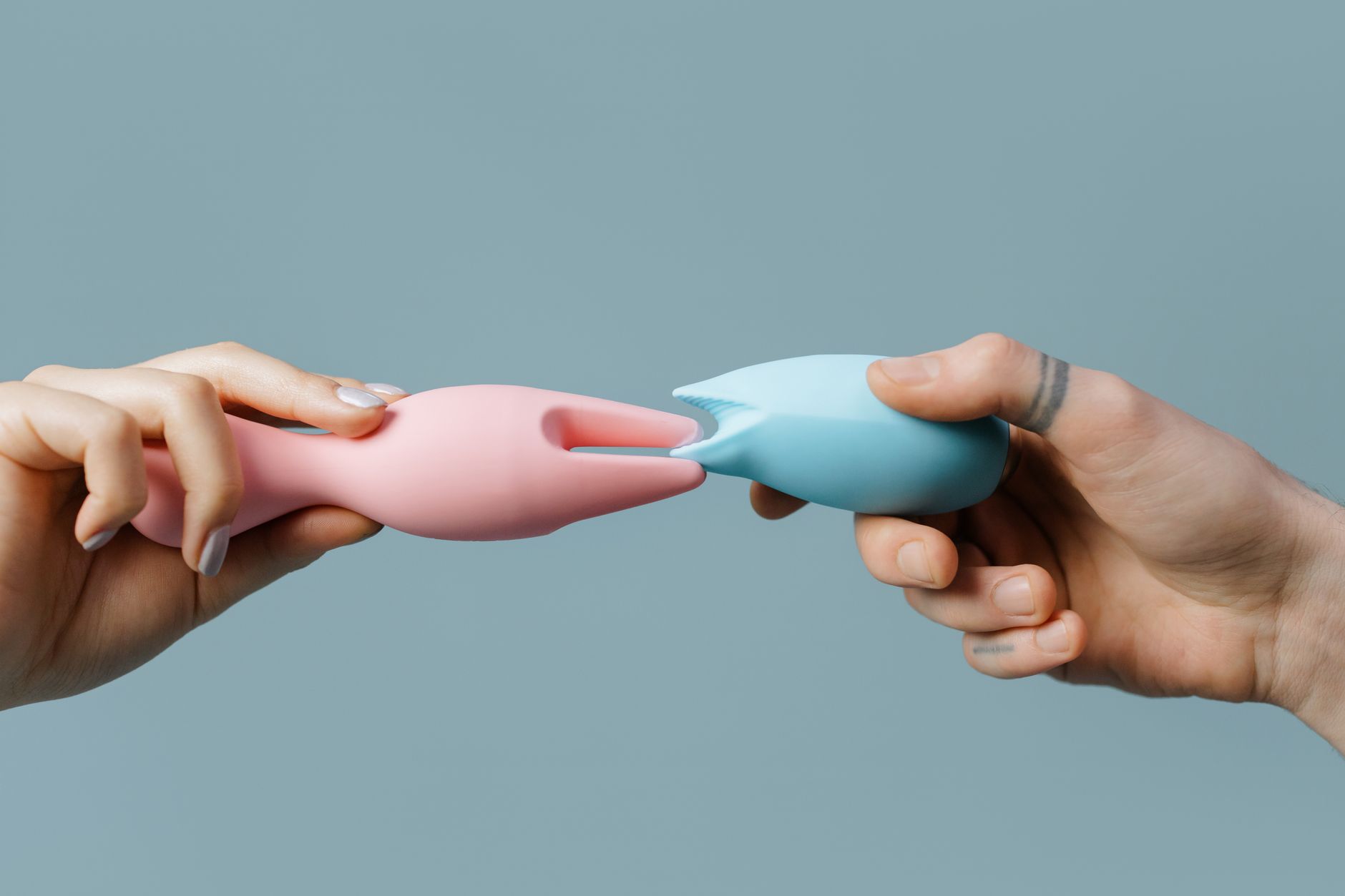
Beyond single-purpose G-spot vibrators, there are multifunction toys that combine internal curves with external suction or vibration over the clitoral area. These designs aim to create a layered experience, and they can be appealing to users who already know their preferences and feel comfortable managing more than one sensation at once. Safety questions still apply: the toy should fit comfortably, be adjustable enough to find a workable angle, and have a clear off switch in case the intensity feels overwhelming. When using such devices, it is easy to become focused on whether they are “hitting the G-spot” correctly; however, a more useful focus is on overall comfort, arousal and body signals. If any nausea, dizziness or pain appears, lowering the intensity, switching modes or stopping altogether is a reasonable choice. Exploration is not a race, and shifting back to simpler stimulation is often the best way to keep the experience grounded.
Solo Exploration Versus Partner Play
People differ in whether they prefer to explore the G-spot area alone first or together with a partner from the beginning. Solo exploration gives full control over pace, depth and angle, and can help someone learn the rough place where touch feels most interesting without needing to talk through every detail. Partner play, on the other hand, can deepen trust and mutual understanding when both are open to giving and receiving feedback. In either case, setting personal limits in advance—such as how deep insertion should go or how long to try a new pattern before taking a break—can protect against pushing beyond comfort. Many find that simple phrases like “slower”, “lighter” or “this is enough for today” become easier to say once they are treated as normal parts of exploration. That kind of communication often supports intimacy rather than harming it.
When You Don’t Feel Much: Normalizing Different Body Experiences
Even with accurate guidance and careful technique, some people simply do not experience strong or distinct pleasure from G-spot stimulation, and this is entirely within the range of normal. Pleasure patterns are influenced by anatomy, nerve distribution, psychological context and previous experiences, so it makes sense that not everyone will respond in the same way. Some may find clitoral, perineal or other types of touch far more enjoyable and prefer to treat internal stimulation as optional. Instead of treating G-spot response as a measure of sexual skill or relationship quality, it helps to see it as one possible route among many. After trying, it is okay to decide that this route is not a priority and to focus on sensations that feel more reliable or relaxing. If pain, bleeding or lasting discomfort occurs, that is a signal to stop and seek professional medical advice rather than continue experimenting.
Closing Thoughts: Treat Exploration as Conversation, Not Proof
Returning to the original questions—where is the G-spot and how do you find it—the most realistic answer is that it lies in a general area that can be explored through patient touch, rather than a fixed point everyone must discover. Fingers, curved vibrators and multifunction toys are tools that can support curiosity, but they work best when paired with clear boundaries, ongoing consent and attention to the body’s responses. This article is intended as adult intimacy and sex education information only and does not replace professional medical assessment. Anyone dealing with persistent pain, unusual discharge or other worrying symptoms should consult a health professional. When exploration is framed as an ongoing conversation with your own body and, if relevant, with a partner, the process itself becomes valuable, regardless of whether a dramatic G-spot sensation ever appears.
FAQ
Does not feeling much from G-spot stimulation mean something is wrong with my body?
Not feeling strong or special sensation from G-spot stimulation is quite common and usually does not indicate that anything is medically wrong. Pleasure is shaped by many factors, including anatomy, nerve pathways, stress levels and personal history, so it is expected that people respond differently. Some individuals simply find other types of touch, such as clitoral or external stimulation, far more enjoyable and choose to focus on those. If you ever experience persistent pain, bleeding or marked discomfort, that is a reason to stop experimenting and consult a health professional for assessment.
What safety basics should I follow when using a G-spot vibrator for the first time?
For first-time use, check that the vibrator is made from body-safe materials and has a smooth, undamaged surface. Clean it according to the instructions, typically with mild soap and warm water, and apply enough water-based lubricant before insertion to minimize friction. Start with the lowest intensity or vibration setting and slowly build up only if the sensations feel comfortable. If you notice pain, dizziness or any worrying symptoms, turn the toy off and stop using it rather than trying to push through. Anyone with existing pelvic or vaginal health issues should consider talking to a clinician before introducing new internal toys.
How can I talk to a partner about trying G-spot exploration without making things awkward?
One approach is to frame the conversation around shared curiosity rather than performance, for example by mentioning an article or resource you read and asking what they think. You can describe what you would be open to trying and where your limits are, such as keeping things gentle and agreeing that either person can call a pause at any time. During exploration, simple feedback words like slower, softer or enough can help guide your partner without criticism. When both people treat boundaries and comfort as central, talking about G-spot or toys tends to build trust rather than tension.
What are the basic cleaning and storage steps for G-spot toys?
After using a G-spot toy, it is sensible to clean it soon rather than leaving bodily fluids or lubricant on the surface. Many silicone or hard plastic toys can be washed with warm water and mild, suitable cleansing products, then thoroughly dried before being put away. Storing toys in a dry, cool place, ideally in separate pouches or cases, reduces the chance of dust buildup or unwanted contact between differing materials. Following the manufacturer’s care instructions helps maintain both hygiene and the toy’s condition over time, supporting safer repeated use.