Once a couple starts spending nights together or living under the same roof, pajamas quickly become part of the shared routine. Many people begin with old T‑shirts and random shorts, then realize that choosing intentional sleepwear can make home time feel more put‑together and give everyday moments a bit of ceremony. Some partners like silky, slightly dressed‑up sets, while others prefer loose cotton loungewear. Finding options that suit both comfort levels and personal style is exactly what this article focuses on. The following sections break down fabric, fit, sizing and typical scenarios to help readers decide which designs make sense to wear as a pair.
Talk about comfort boundaries first: temperature and coverage
Before browsing shopping sites for matching sets, it is worth talking about each person’s basic needs around temperature and coverage. One partner may run hot and only tolerate short sleeves and shorts, while the other feels chilly easily and gravitates toward long sleeves or thicker fabrics. If you buy identical pajamas purely for the look and ignore these differences, someone may end up feeling constrained or underdressed. A simple conversation about what each person usually wears at home, and how much skin they feel okay showing in shared spaces, can guide later choices. From there, it is easier to decide whether the couple should lean toward relaxed cotton sets, slip‑style nightdresses, or full‑length shirt‑and‑pant combinations that still fit both comfort zones.
Choosing fabrics: cotton, modal and silky finishes
Fabric is one of the main reasons a pair of pajamas feels like a second skin or something you cannot wait to take off. Classic cotton and cotton blends are popular because they are soft, breathable and easy to wash in a regular machine cycle. The look is casual rather than luxurious, but the practicality is high for everyday wear. Modal and bamboo‑based fibers tend to feel smoother and drapier, hugging the body without being tight, which suits people who like a cocoon‑like feel but dislike overheating. Satin‑like or faux silk materials shine in photos and create an elegant hotel vibe, making them attractive for anniversaries or staycations. However, they may feel a bit warm in summer or cool to the touch in colder rooms. Couples can look at their local climate and how often they use air conditioning or heating, then decide whether the main sets should prioritize practicality or occasional glamour.
Style and design: matching does not have to mean identical
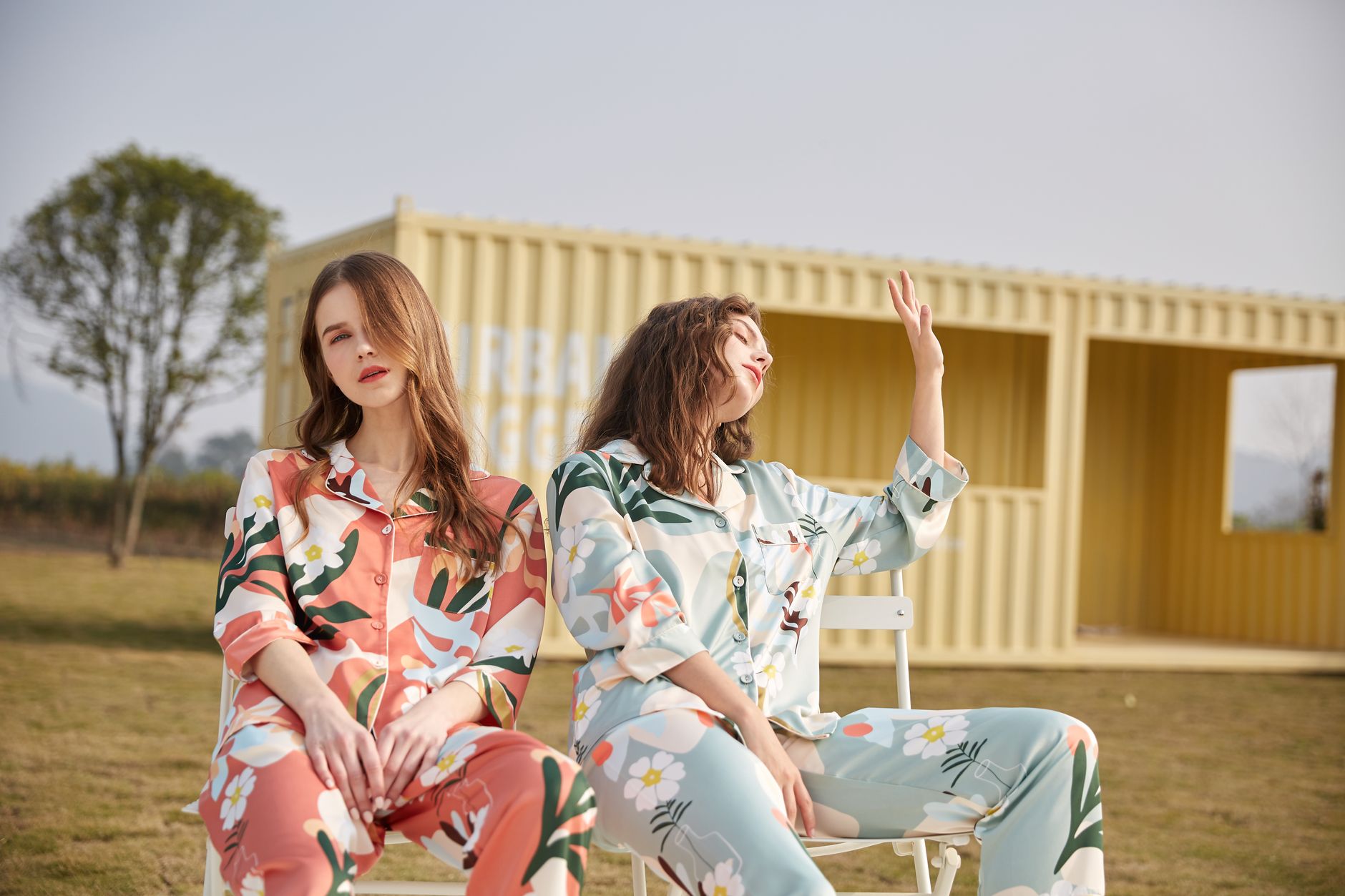
When people search for couple pajamas, they often type in “matching sets” and picture identical colors and cuts. In reality, identical designs may not flatter both bodies or personalities equally. It can be more flexible to match by theme instead of strict duplication. For example, you could choose the same fabric and color family but different silhouettes: one partner wears a long‑sleeved top with pants, while the other picks a slip dress or a slightly cropped top and shorts. Another option is to share the same pattern in two colorways that suit each person’s skin tone and wardrobe. The goal is to show that the outfits belong together while still giving space for individual style. That way, couple pajamas feel like a shared choice rather than one person’s taste imposed on the other.
Fit and size details: looseness, waistbands and shoulder seams
Even at home, fit matters. Pajamas that are too tight can dig into the waist or thighs and make turning over in bed uncomfortable, while pieces that are too baggy may have sleeves that fall over the hands or pant legs that drag on the floor. When buying sets to wear together, it helps to check size charts carefully and compare them with clothes you already own. Some brands use unisex cuts, which can have broader shoulders and straight lines, while others offer separate patterns for different body types, with adjusted shoulder seams and waist measurements. Long tops with belts or ties also deserve attention: if a belt is too short or placed awkwardly, it can bunch fabric at the midsection and feel fussy rather than cozy. Paying attention to these small details makes it more likely that both people will reach for their couple pajamas often, not just on special days.
Daily scenarios: beyond sleep, think lounging and travel
Couple pajamas are rarely worn only for sleeping. Many partners wear them while watching series, working on laptops, sharing late‑night snacks or staying in hotels. If you often step into hallways to pick up deliveries or walk through shared areas at home, it is wise to choose designs that feel appropriate outside the bedroom as well. Very sheer tops or very short bottoms may be fun in private but less comfortable in semi‑public spaces. For travel and special occasions, pajamas with clean colors, simple lines and fabrics that do not wrinkle easily can work well for photos on beds or sofas. For couples who enjoy documenting everyday life, a thoughtfully chosen set becomes part of a “home date outfit” and can quietly strengthen the sense of being a team.
Fabric safety and care routines: laundry and sensitivity
Pajamas sit directly against the skin for many hours, so it is reasonable to think about fabric content and care, even if they are not as intimate as underwear. Many households toss sleepwear into the washing machine with other clothes, so materials that can handle regular cycles without snagging or shrinking will be more convenient. Delicate satin‑like fabrics may need a laundry bag or gentler settings to keep them looking good. For people with easily irritated skin, it can be helpful to prioritize well‑labeled cotton or modal blends and avoid items with unclear fiber descriptions. If a new pajama set causes persistent redness or discomfort, it is advisable to stop wearing it and consult a dermatologist or other qualified health professional. Any health‑related notes in this guide are for general information only and should not replace personalized medical advice.
Colors and patterns: consider skin tones and room style
Choosing colors and patterns together can be surprisingly fun and practical. Partners with lighter skin might enjoy deep navy, forest green or burgundy for a calm, grounded look, while those with warmer or deeper tones may feel especially at home in beige, caramel or soft terracotta. The room itself matters too. Wood accents and warm lighting pair well with cream, brown and dusty pink sleepwear, whereas cool white light and grey walls work nicely with blue‑grey or monochrome designs. As for patterns, subtle stripes, checks or small motifs tend to age better than loud character prints, especially if you plan to keep wearing the same sets for a long time. That said, setting aside one or two playful, seasonal options for holidays like Christmas or Valentine’s Day can add extra fun to specific evenings.
Closing thoughts: couple pajamas as a shared habit
At first glance, couple pajamas are just clothes worn at night, but over time they can become a quiet symbol of shared routines and mutual consideration. A good set does not have to be luxurious or dramatic; it simply needs to be something both people want to wear, feel comfortable in and perhaps remember fondly when they look back at old photos. Before purchasing, couples can benefit from talking through fabric preferences, temperatures, coverage and practical care, then choosing a mix of everyday sets and a few more dressed‑up pieces for trips or celebrations. The suggestions in this article are meant as general guidance only. If questions arise around skin sensitivity, sleep quality or other health topics, checking in with medical or other professional advisers remains the most reliable way to decide what works best for your situation.
FAQ
Do couple pajamas need to be identical to feel special?
They do not have to be identical. Many couples find that matching by theme rather than exact copy feels more natural. For example, you can choose the same fabric and color family but different cuts that suit each body type, or use the same print in two colors that complement each partner. The sense of connection comes from choosing together and enjoying wearing them, not from perfect symmetry.
How can partners with different temperature needs choose pajamas together?
Partners who feel hot and cold at different thresholds can start by agreeing on general coverage and then adjust fabric and layering. One person might prefer short sleeves and shorts in breathable cotton, while the other chooses long sleeves and pants in a similar color. Adding lightweight robes or tops that can be put on or taken off easily also helps each partner adapt to changing room temperatures without giving up the shared look.
Which fabrics are practical for couple pajamas worn every day?
For everyday wear, cotton and cotton‑rich blends are practical because they are soft, breathable and easy to wash in standard machine cycles. Modal and bamboo blends can also work well for people who like a smoother feel. Satin‑like or faux silk fabrics are great for special photos or trips but may require more delicate care and can feel warmer or cooler depending on the season. Choosing one or two daily sets and keeping fancier options for occasional use strikes a good balance.
What should sensitive skin users keep in mind when buying couple pajamas?
People with sensitive skin may want to focus on pajamas with clearly labeled fabric content, minimal heavy embellishments and seams that do not sit tightly on the body. If a new set causes noticeable itching, redness or discomfort, it is sensible to stop wearing it and seek advice from a dermatologist or other qualified health professional. The information in this guide is general and cannot replace professional assessment of individual skin or health conditions.