Start with the use case
Choosing a lube is usually less about the brand name and more about how it will actually be used. First-time buyers often get stuck comparing marketing claims, when the more useful questions are simple: what material will it touch, how long does it need to feel comfortable, and how easy will it be to clean afterward? Once those three points are clear, the short list becomes much smaller. That is why a practical guide matters more than a flashy label.
Water-based, silicone-based, and oil-based
Water-based lube is the most common starting point because it is versatile and easy to rinse off. It usually feels lighter on the skin, which makes it a comfortable choice for everyday use, although it may need reapplying during longer sessions. Silicone-based lube tends to feel more slippery for longer periods, so it is often chosen when people want less interruption. Oil-based lube is more situational; it can feel rich and long-lasting, but it often creates compatibility and cleanup issues that make it less convenient as a default pick.
Compatibility matters more than people expect
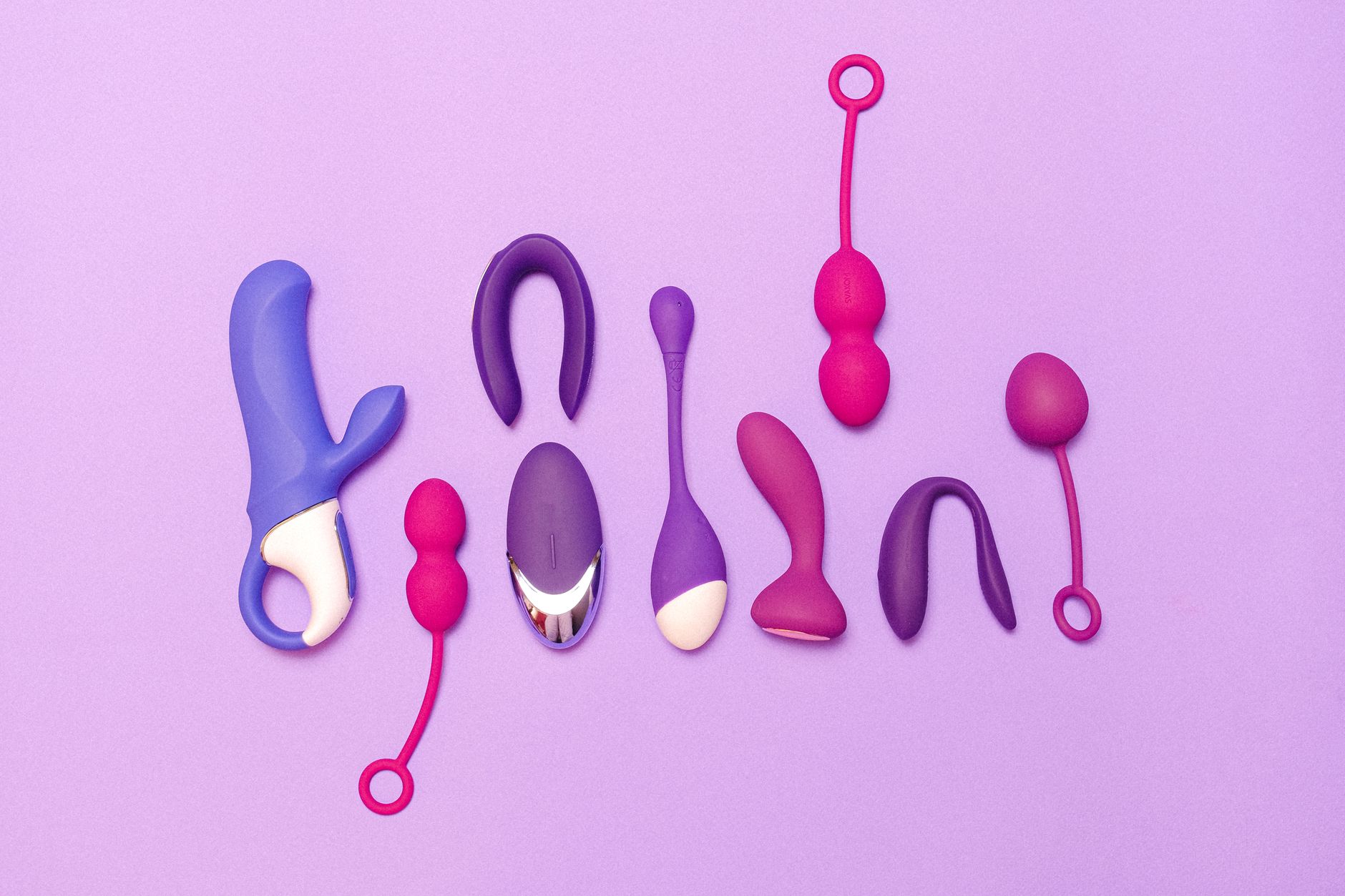
Material compatibility is one of the easiest details to overlook and one of the most important to check. Some lubricants are better suited to certain toy surfaces, while others may make cleanup harder or affect the feel of the material over time. If condoms are part of the plan, the package instructions should be checked first, because not every formula works with every barrier type. Thinking in terms of pairings rather than just texture helps buyers avoid mismatched products that sit unused in a drawer.
Match the formula to the situation
For a first bottle, water-based lube is usually the safest all-around choice because it is easy to understand and easy to clean. For people who prefer a longer glide and fewer interruptions, silicone-based formulas may feel more convenient. Oil-based options are better treated as specialized rather than universal. It also helps to look for practical details such as fragrance-free labels, gentle formulas, and packaging that is easy to handle, because those details often matter more in daily use than promotional wording.
Cleanup, storage, and everyday comfort
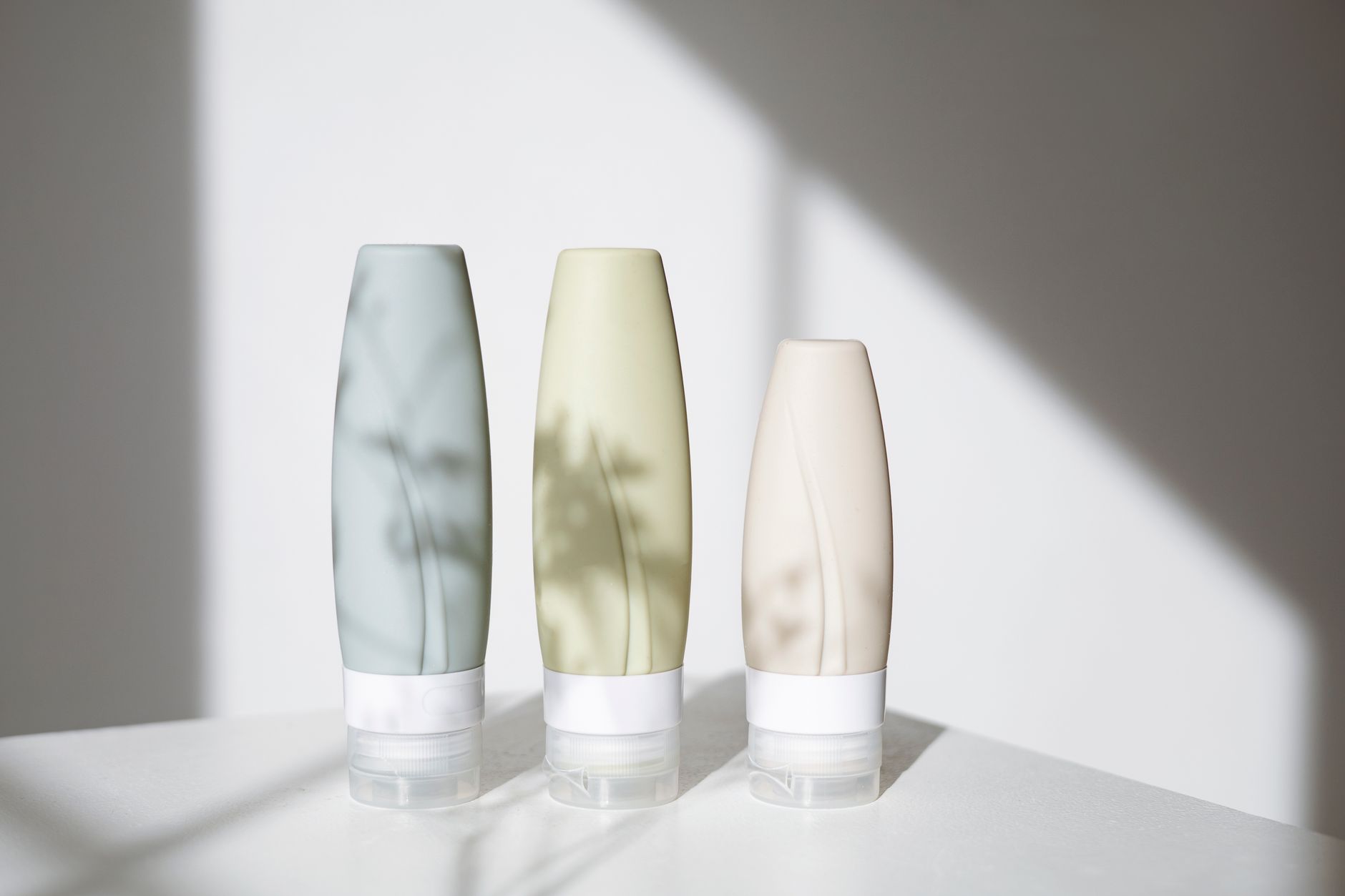
A good lube should fit into the routine, not complicate it. Water-based formulas are typically simpler to wash off from skin and fabrics, while silicone-based products can require a bit more care after use. Storage also matters: a bottle that closes securely, fits in a bedside drawer, and is easy to dispense can make the whole experience feel more natural. In practice, the best choice is often the one that feels straightforward to use and does not create extra cleanup work.
How to buy without overthinking it
A sensible first purchase is usually a small bottle, preferably water-based, with clear ingredient and compatibility information. From there, users can decide whether they need a longer-lasting option or a formula built for a more specific situation. There is no need to start with the most complicated product on the shelf. A simple, clearly labeled lube that matches the intended material and is easy to store will cover most everyday needs much better than an overdesigned option.
FAQ
Which lube should a first-time buyer start with?
Water-based lube is usually the easiest starting point because it is versatile and simple to clean. It also tends to be the most straightforward option when someone is still learning what texture and routine they prefer. A first purchase does not need to cover every use case at once.
Is silicone-based lube always better than water-based?
No. Silicone-based lube often lasts longer, but it can be harder to clean and may require more attention to material compatibility. Whether it is better depends on the situation, the surface it will touch, and how much cleanup convenience matters to the user.
Can oil-based lube be used with condoms?
The package instructions should be checked carefully, because oil-based formulas are often not compatible with latex condoms. When condom use matters, a water-based or clearly compatible formula is usually the safer place to start. If the label is unclear, it is better to choose another option.
How should lube be stored at home?
Keep it in a cool, dry place away from direct sunlight and heat. A bedside drawer or a closed cabinet is usually more suitable than a bathroom shelf with constant humidity. Good storage helps the bottle stay clean, stable, and easy to use later on.