When someone in an English-speaking market searches for a massager wand, the results often mix body care tools and intimate products, which can be confusing for beginners. The core question is usually the same: how to pick a design that feels safe, fits the body and suits everyday life at home. This article focuses on handheld electric massagers commonly used by adults, including shoulder and neck relaxation and intimate use. It looks at shape and size, vibration patterns, materials, noise and power, plus how realistic the cleaning routine is. Any health or sexuality-related information here is general and for adults only; it does not replace medical, psychological or legal advice, and readers with personal conditions are encouraged to consult professionals.
Clarify your main use: which body areas and which situations
Before comparing specs, it is helpful to picture when and where the massager will actually be used. Some people mainly want something for tight shoulders after office hours; others are curious about using a wand around the pelvis or intimate areas in a private setting. Larger heads and longer bodies are convenient for covering big muscle groups like the back and thighs, while slimmer, compact wands fit better around the abdomen or groin. Situation matters too: in a shared apartment with thin walls, noise and visibility are more sensitive than in a detached home. If travel is part of your routine, you may care more about weight, whether it fits in a suitcase, and if it charges via common USB cables instead of a proprietary plug.
Shapes and sizes: straight, angled and flexible designs
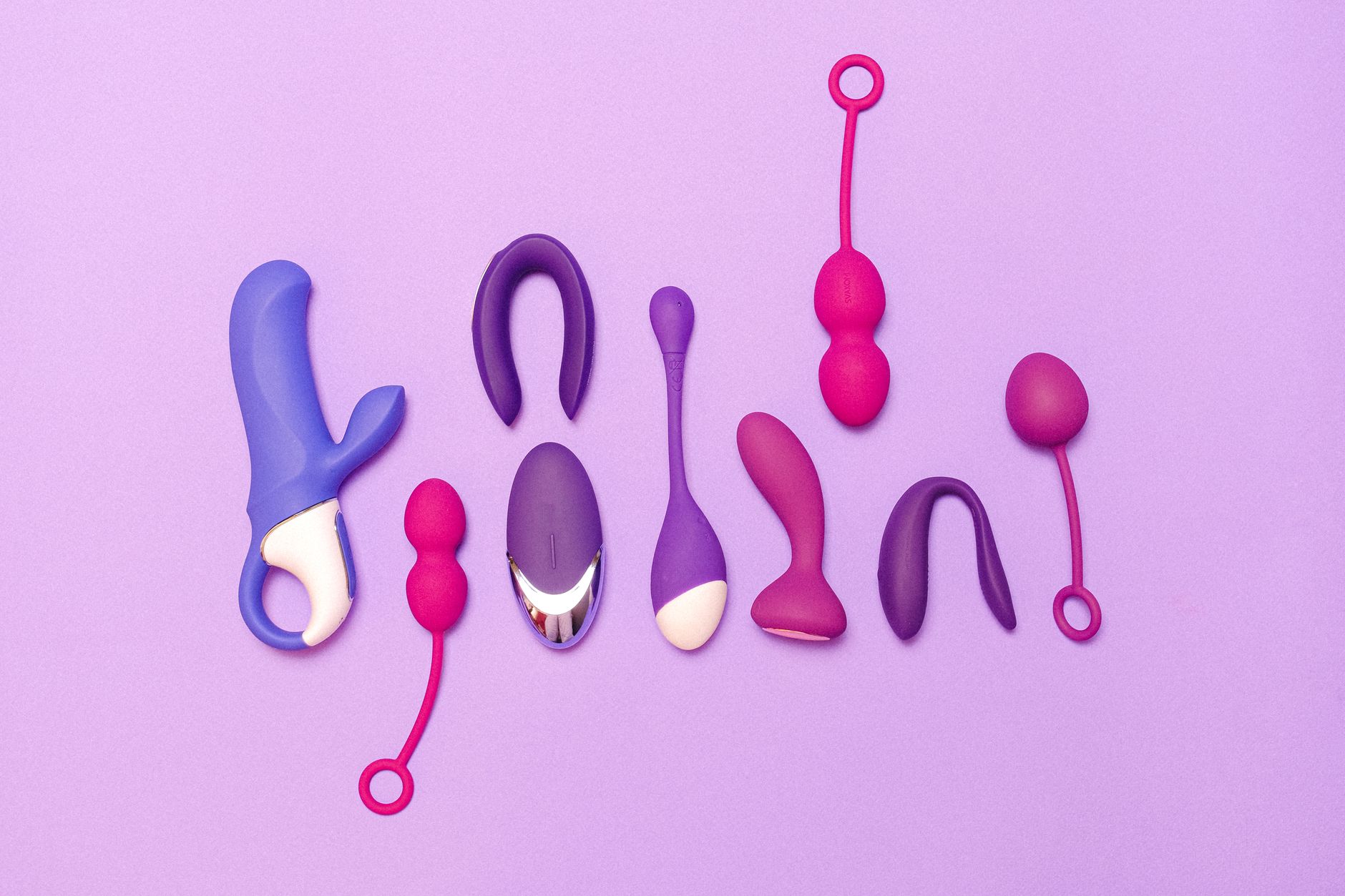
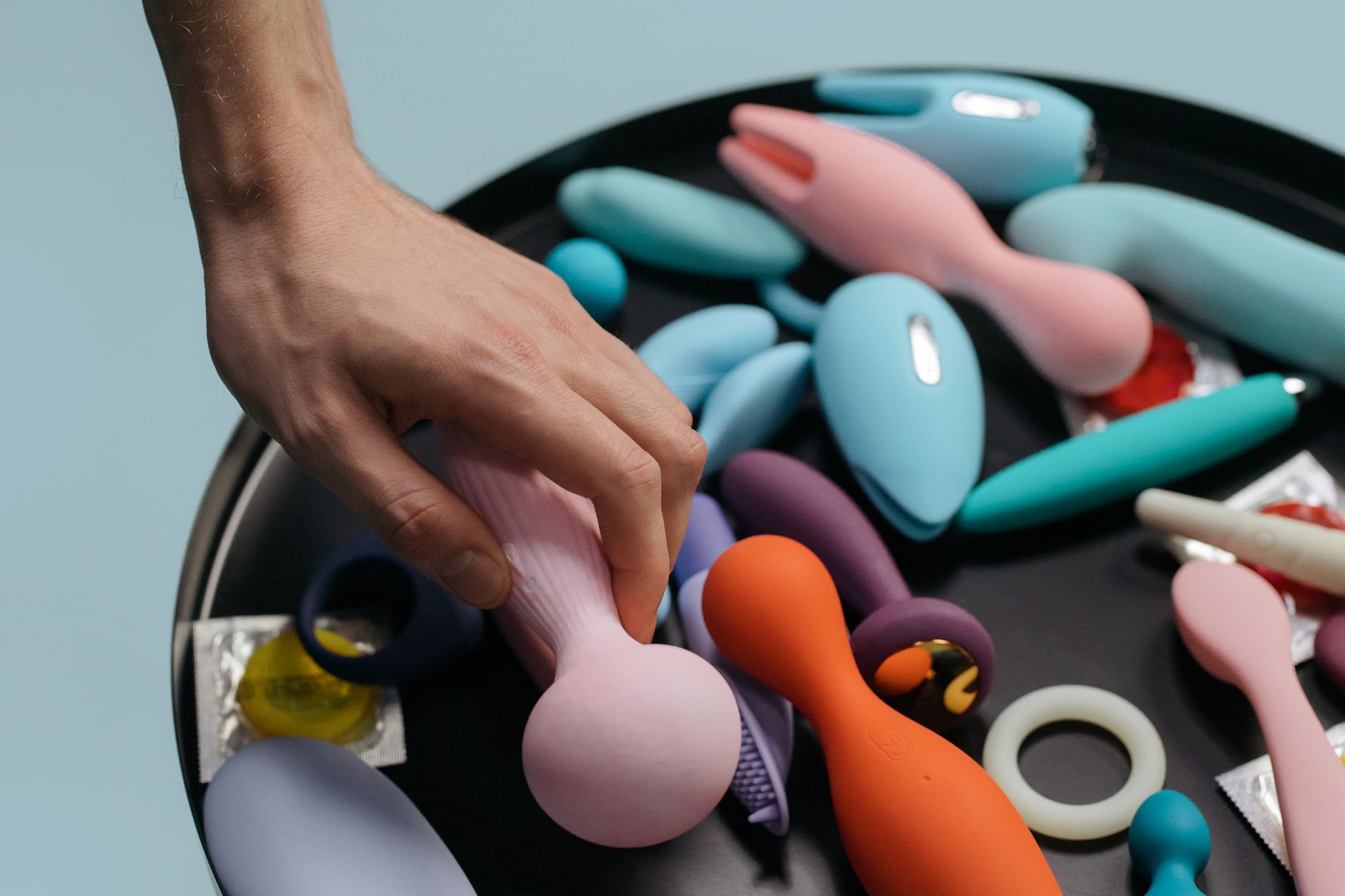
Looking at product photos, most massager wands fall into a few broad shape categories: straight stick-like designs, angled L or T shapes, and flexible forms that curve or have dual ends. Straight wands feel intuitive, similar to an electric toothbrush or small kitchen gadget, and allow you to press directly on a chosen spot. Angled designs shift the handle away from the head so the wrist can stay more relaxed, which many users appreciate during longer sessions. Flexible or dual-end tools can hug two areas at once, such as front and back or left and right, but they may take a little time to get used to. Size-wise, very long or bulky wands give you reach and power but are harder to hide and store, while very small ones are discreet but may not feel satisfying on thicker muscle groups. Beginners often prefer a mid-size design that looks neutral enough to pass as a general body massager.
Vibration patterns and controls: strength, rhythm and interface
Vibration is more than just “strong or weak.” It includes intensity, frequency and rhythm. Intensity is how powerful the movement feels, while frequency refers to how fast it pulses. Rhythm describes the pattern, like continuous, pulsing or gradually rising and falling. Sensitive users usually appreciate a wand with a soft starting level and several steps they can increase gradually; jumping straight to high power can feel overwhelming. Controls vary as well: some wands use a single button for cycling through modes, which keeps the design clean but makes it harder to return to a specific favorite pattern quickly. Others offer dedicated plus/minus buttons or a dial so intensity and mode can be adjusted separately. Reading product descriptions that list the number of vibration levels, show diagrams of the control layout and mention typical use cases is often more informative than generic claims that a wand has “multiple modes.”
Material and feel: silicone, plastic, metal and glass
Because a wand sits directly against the skin, many adults pay close attention to what it is made of and how it feels. Common choices include smooth silicone, hard ABS plastic and, less often, stainless steel or glass. Silicone typically feels warmer and softer to the touch, with a slightly cushioned surface that can be comforting around delicate areas. However, deeply textured designs with many ridges or decorative grooves can demand more attention during cleaning. ABS plastic is harder and cooler, with a glossy finish that wipes down easily and resists dust, which suits people who value a sleek, minimalist look. Metal and glass bring a heavier, polished feel and are popular with users who enjoy weight or temperature play but require more careful handling and storage to avoid chips or dents. Wherever possible, checking for basic safety notes, absence of problematic additives and clear care instructions can make it easier to use the wand as part of a long-term routine.
Noise, power and storage: thinking about privacy at home
Privacy considerations often determine whether someone feels comfortable using a massager regularly. Many modern wands are designed to be quieter at low and medium settings, but the actual noise level still depends on the motor, casing and how firmly they are pressed against the body. People living with roommates, family or in thin-walled buildings may look for products that explicitly mention reduced noise, then combine that with background sounds such as a shower or a fan. Power options also shape everyday convenience: rechargeable wands with built-in batteries and USB or magnetic charging are easier to use in different rooms, while plug-in models never run out of power but tether you to a wall outlet. Storage is another discreet layer of privacy. A small pouch or case helps keep dust off and makes a wand look more like a regular gadget when tucked into a drawer, wardrobe or bedside table, which many adults find reassuring.
Cleaning and care: waterproof ratings and long-term use
Whether a wand is used on shoulders, thighs or intimate areas, it will come into contact with sweat, skin oils and possibly body fluids, so realistic cleaning habits matter. Manufacturers often describe waterproofing as “fully washable” or “splash-resistant.” Fully washable wands can usually be rinsed under running water according to the manual, while splash-resistant designs need more careful wiping with a damp cloth and should not be submerged. Gentle, neutral cleaners are generally preferred over harsh chemicals to preserve surfaces and extend the product’s lifespan. After cleaning, allowing the wand to air dry before placing it back in its pouch or box helps keep odors and moisture away from electronics. For people with sensitive skin or existing conditions, testing the material briefly on the inner forearm and monitoring for redness or irritation is a pragmatic step. Any concerns about pain, unexpected sensations or medical issues should be discussed with a healthcare professional, as this guide is not a clinical resource.
Common myths and pairing with other items
Beginners often carry a few myths about massager wands. One common idea is that any visibly intimate-looking tool will be obvious to everyone; in reality, many wands now resemble neutral wellness gadgets and can be stored alongside other self-care items without drawing attention. Another myth is that a wand always has to be used alone. Some adults choose to pair it with body oil or water-based lubrication for smoother contact, but labels should be checked to make sure they are compatible with the wand’s material and do not leave difficult residue. Households with children or pets may benefit from storing massagers in higher drawers or closed boxes to avoid accidental play or rough handling. Ultimately, a wand is one of many personal choices adults make around comfort and intimacy. Setting clear personal boundaries, respecting local age regulations and seeking professional advice when health or emotional questions arise can help keep this choice grounded and safe.
FAQ
What should beginners focus on when choosing a massager wand?
Beginners can start by identifying which body areas they want to use the wand on and in what situations, such as home alone, with a partner or while traveling. From there, shape and size, a gentle starting vibration level with several steps, and clear material and care information become key filters. Because this is an adult topic with potential health implications, any personal medical or psychological concerns are best discussed with qualified professionals.
How important is material when selecting a massager wand?
Material influences both comfort and maintenance, so it is worth paying attention to. Silicone tends to feel soft and warm, while ABS plastic feels harder and cooler but wipes clean easily; metal and glass are heavier and more niche. Checking product notes on safety, compatible cleaners and storage helps adults use the wand as part of a regular routine. People with sensitive skin can do a short patch test and consult a healthcare provider if they notice unusual reactions.
How can I store a massager wand discreetly in a shared home?
Discreet storage often combines a neutral-looking design with thoughtful placement. Many adults use a simple pouch or case and keep the wand in a bedside drawer, wardrobe box or other closed storage space that does not invite casual inspection. In homes with children or pets, choosing higher shelves or lockable compartments adds an extra layer of safety and privacy.
What are the basic cleaning steps for a massager wand?
Basic cleaning starts by checking the manufacturer’s waterproof rating. Fully washable wands can usually be rinsed and gently cleaned with mild, neutral products, while splash-resistant ones should be wiped with a damp cloth without submersion. Allowing the device to dry completely before storage and keeping it away from extreme heat or moisture supports long-term use. This guidance is general, so specific medical or allergy concerns should be reviewed with a professional.