In a long-term relationship, freshness rarely comes from chance; it tends to come from deliberate care. Many couples notice that after a few years together, their daily life feels solid but also a bit flat: they share a home, bills and streaming accounts, yet genuinely curious conversations and playful intimacy become less frequent. This shift does not automatically mean the relationship is broken; it often means the partnership has moved into a stable phase where routines slowly override spontaneity. The core of freshness is a willingness to keep thinking about each other on purpose: discussing needs, creating different ways of spending time together, and treating emotional and physical closeness as something that can be adjusted over time rather than taken for granted.
Start by defining the kind of relationship both of you want
Many couples operate on unspoken assumptions about what a “good relationship” should look like, and those assumptions can drift apart over the years. A practical first step is to sit down and talk explicitly about the kind of partnership you both want now, not just what you imagined at the beginning. This conversation can cover topics like how much uninterrupted time together feels right, how you see responsibilities being shared, what role intimacy plays in the relationship, and how much individual space each person needs to feel grounded. One helpful method is for each partner to write down three aspects they care about most, then compare and prioritize them together. When discussing differences, it is usually easier to focus on personal feelings than on blame, for example: “If we go weeks without a real conversation, I start to feel distant.” Aligning your expectations in this way becomes a foundation for any later changes you make to routines or intimacy.
Use simple recurring rituals rather than relying on big, rare events
It is tempting to equate freshness with dramatic surprises, luxury trips or elaborate date nights, but for most adults juggling work and other responsibilities, sustainable rituals are more powerful than occasional spectacles. A recurring ritual can be as modest as a weekly “no phones” dinner where you cook simple food together or walk to a nearby café, with the shared rule that you talk about your current lives instead of logistics. Another idea is a monthly themed evening: one month could be trying a new recipe, another month rearranging the bedroom to create a different mood with softer lighting and music, another experimenting with a new board game or activity. The key is not how glamorous the plan is, but the message behind it: even when life is busy, you both choose to carve out intentional time for the relationship. Over months and years, these small rituals often create more emotional connection than sporadic, impressive events that are difficult to repeat.
Balance closeness with individual time to avoid emotional fatigue
Spending a lot of time together does not automatically lead to feeling close. When partners share every moment without room for individual interests, irritations can build up and novelty tends to vanish. Freshness often grows from a rhythm that allows you both to step away and then come back with new experiences to share. Many couples benefit from consciously protecting solo time—going to the gym, meeting friends, diving into a hobby, or simply enjoying an evening alone with a book or show—while agreeing not to interpret this as rejection. When each partner has a life outside the relationship, conversations naturally gain more texture. On the other hand, if work shifts, childcare or long commutes limit the time you have together, you can still prioritize short but focused moments, such as breakfast at the kitchen counter or ten minutes of phone-free conversation before bed. The aim is not quantity at all costs, but a pattern where closeness feels chosen rather than obligatory.
Make intimacy a topic you can talk about, not a silent test
Many adults rarely talk directly about physical intimacy, even in long-term relationships. They rely on reading body language or guessing, which can lead to misunderstandings or pressure over time. Sustaining a sense of freshness depends on both partners feeling physically and emotionally safe, and that usually requires making intimacy a subject you can discuss openly. You might start with a gentle framing like, “Some of my feelings around intimacy have changed recently, and I’d like to talk about it so we can adjust together.” When you discuss specifics, focusing on your own body and emotions tends to be less confrontational than judging the other person, for example: “This pace feels a bit fast for me,” or “I relax more when there is a longer warmup.” It is equally important to respect any “no” or “not tonight” without guilt, and to treat boundaries as a normal part of adult intimacy rather than a problem. Clear consent and the freedom to adjust or pause create an environment where both partners feel safer exploring new options when they are ready.
Treat sex toys as supportive tools, not performance standards
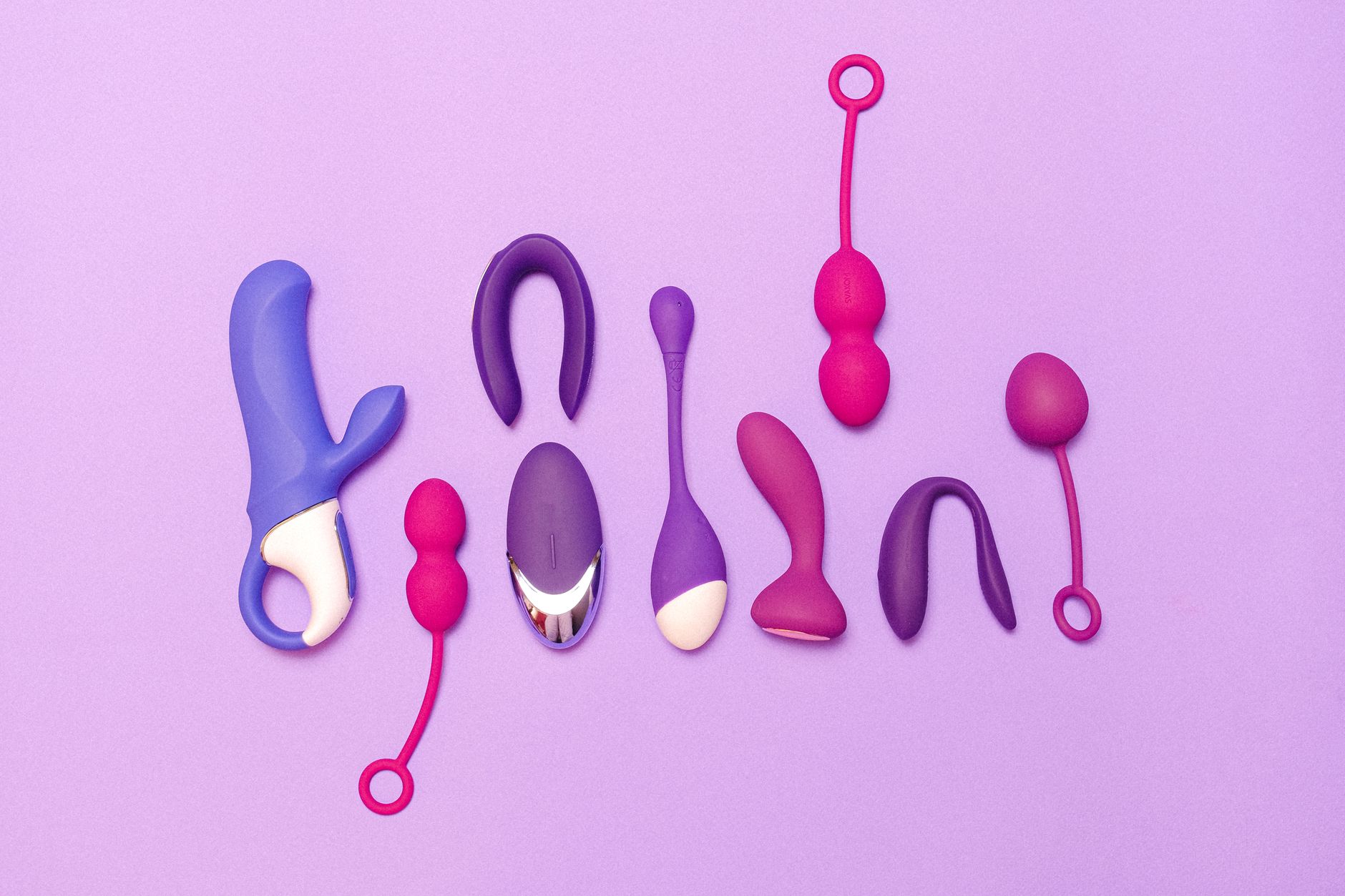
At some point, many couples wonder whether sex toys could add variety or comfort to their intimate life. It can help to frame toys as tools for exploration and communication, rather than proof of skill or a fix for all difficulties. For example, a vibrator is often used for gentle external stimulation and can be suitable for partners who are still learning what feels pleasant or who prefer starting slowly. Suction toys are commonly focused on specific sensitive areas, and some couples enjoy combining them with intentional atmosphere changes, like dim lighting or calm playlists. Masturbation sleeves are frequently chosen by men, either for solo use or as part of partnered intimacy, and they can make conversations about male physical sensations more concrete and less abstract. When picking any product, it is wise to begin with simpler, clearly labeled options, pay attention to materials and ease of cleaning, and make sure storage feels discreet enough for your home situation. Any decision to bring toys into the relationship should be based on mutual consent between adults, with room to pause or reconsider, and if you have health-related questions, seeking guidance from medical or sexual health professionals is advisable.
Include hygiene and safety in your picture of a “fresh” relationship
Freshness is often associated with excitement and novelty, but in practice, many adults relax and open up only when they feel safe. That sense of safety includes emotional trust, physical comfort and practical details like cleanliness and storage. If the shared space is consistently cluttered, if intimate items are difficult to keep clean, or if you are unsure about how certain materials interact with your skin, the result can be anxiety rather than enjoyment. With sex toys and other accessories, cleaning and drying are part of the overall experience, not an afterthought. Choosing toys with clear material information, such as silicone or specific plastics, using gentle cleansers, and allowing thorough drying before storing can reduce worries around irritation. Designating a discrete storage spot can also ease mental tension about privacy and embarrassment. As for health, stress and emotional wellbeing, information in this article is intended as general education for adults only; if you notice persistent discomfort, pain or psychological strain, it is sensible to consult appropriate healthcare or mental health professionals instead of relying solely on online advice.
A gentle reminder: schedule relationship maintenance like any other priority
Long-term freshness does not mean chasing constant intensity or replacing partners whenever things feel ordinary. It means choosing to keep learning about each other and updating the relationship as both of you change over time. Work pressure, family responsibilities, financial worries and life transitions can easily erode patience and affection, and no list of tips can erase those realities overnight. A more grounded approach is to acknowledge that your relationship needs ongoing maintenance, similar to other important parts of life. That maintenance might include recurring conversations about expectations, simple date rituals, regular check-ins about how the pace of life feels, and adjustments to intimacy that take both health and consent into account. When both partners know that the relationship is being cared for deliberately, it becomes easier to ride out phases where freshness is harder to feel. The suggestions in this article are starting points rather than rules; every couple has different boundaries, histories and bodies. If conflicts or emotional distress become overwhelming, reaching out to professional support is not a sign of failure but a choice to treat the relationship—and each person in it—as worth serious attention.
FAQ
How often should long-term partners schedule date nights to keep things fresh?
There is no universal rule for how often couples should have a date night. What matters most is that both partners feel prioritized rather than pressured. Some couples thrive on a weekly, low-key ritual like cooking together or going for a walk without phones, while others prefer a more elaborate themed evening once a month. The best approach is to look honestly at your schedules and energy, discuss expectations directly, and agree on a rhythm that feels realistic. Check in every few months to adjust the plan instead of treating it as fixed.
What can I do if I am curious about sex toys but my partner is uncomfortable with them?
When partners differ in their comfort with sex toys, the first step is to talk about feelings rather than products. The curious partner can explain the reasons behind their interest, such as wanting more variety or understanding each other’s bodies better, emphasizing that there will be no pressure to use anything. The hesitant partner can share specific worries, whether they are about hygiene, cultural beliefs, privacy or fear of being compared. From there, you can explore compromise options, like researching safety information together, starting with very simple, non-intimidating items, or agreeing to revisit the topic later. It is also valid for a couple to decide that toys are not right for them; mutual consent should always come first.
How can couples start talking about intimacy without feeling embarrassed?
Embarrassment is common, especially if intimacy has rarely been discussed openly before. Choosing a calmer moment—such as a walk, a quiet evening at home or a time when you already feel emotionally close—often helps more than raising the topic during an argument. Framing the conversation around shared improvement rather than criticism can reduce defensiveness, for example: “I’d like us to talk about what feels good and what doesn’t, so our intimate time can be more comfortable for both of us.” It can also be helpful to keep health-related topics clearly labeled as general information and to seek professional guidance if you encounter pain, persistent discomfort or strong emotional reactions.
Is it normal for long-term relationships to feel less exciting, and can that change?
It is very common for long-term relationships to feel less intense than they did in the early months. Over time, familiarity, shared responsibilities and daily routines naturally replace some of the initial excitement. However, this does not mean the relationship is stuck forever. Couples can influence how alive the relationship feels by adjusting habits, spending time on both shared and individual activities, revisiting their expectations and updating how they approach intimacy. These adjustments usually take patience and honesty rather than quick fixes. If the relationship feels consistently heavy or hopeless, talking with a counselor or therapist can provide structure and support for making changes.