For many people, Kegel balls are one of those products that look simple on the surface yet feel confusing once they start shopping. Different brands use their own sizing, weight ranges and level labels, so a “beginner set” from one brand can feel quite advanced compared with another. The most common issue is not that there is “no sensation”, but that the first set is too heavy or too small, making it hard to keep in place or simply uncomfortable. This article focuses on a step‑by‑step approach: how to choose starting weights, when to move to heavier or multi‑ball setups, and what to check around material, safety, cleaning and storage. It offers general information only; if there are any health concerns or pain, a medical professional is the right person to consult.
What Kegel Balls Are For and How They Are Built
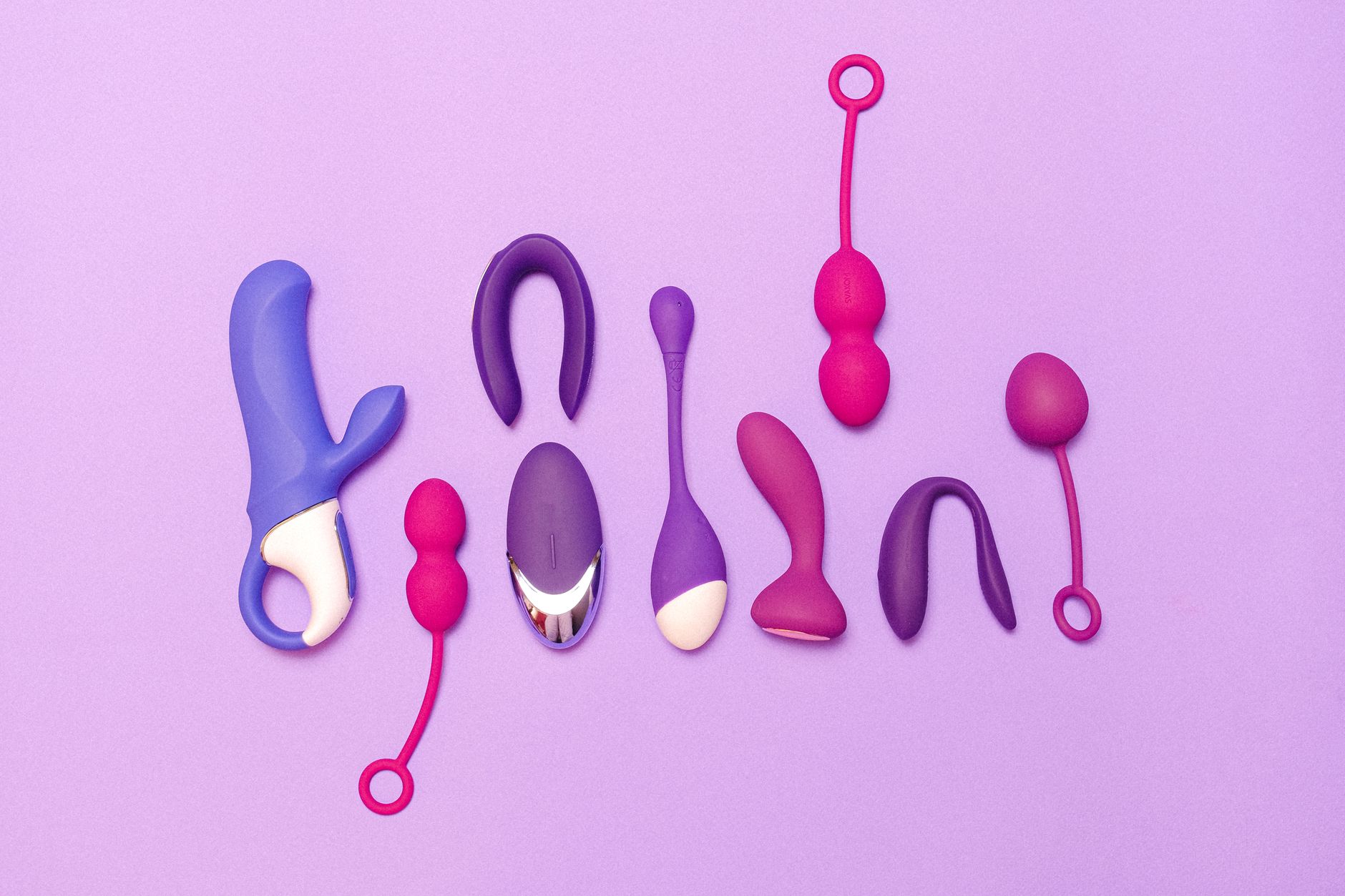
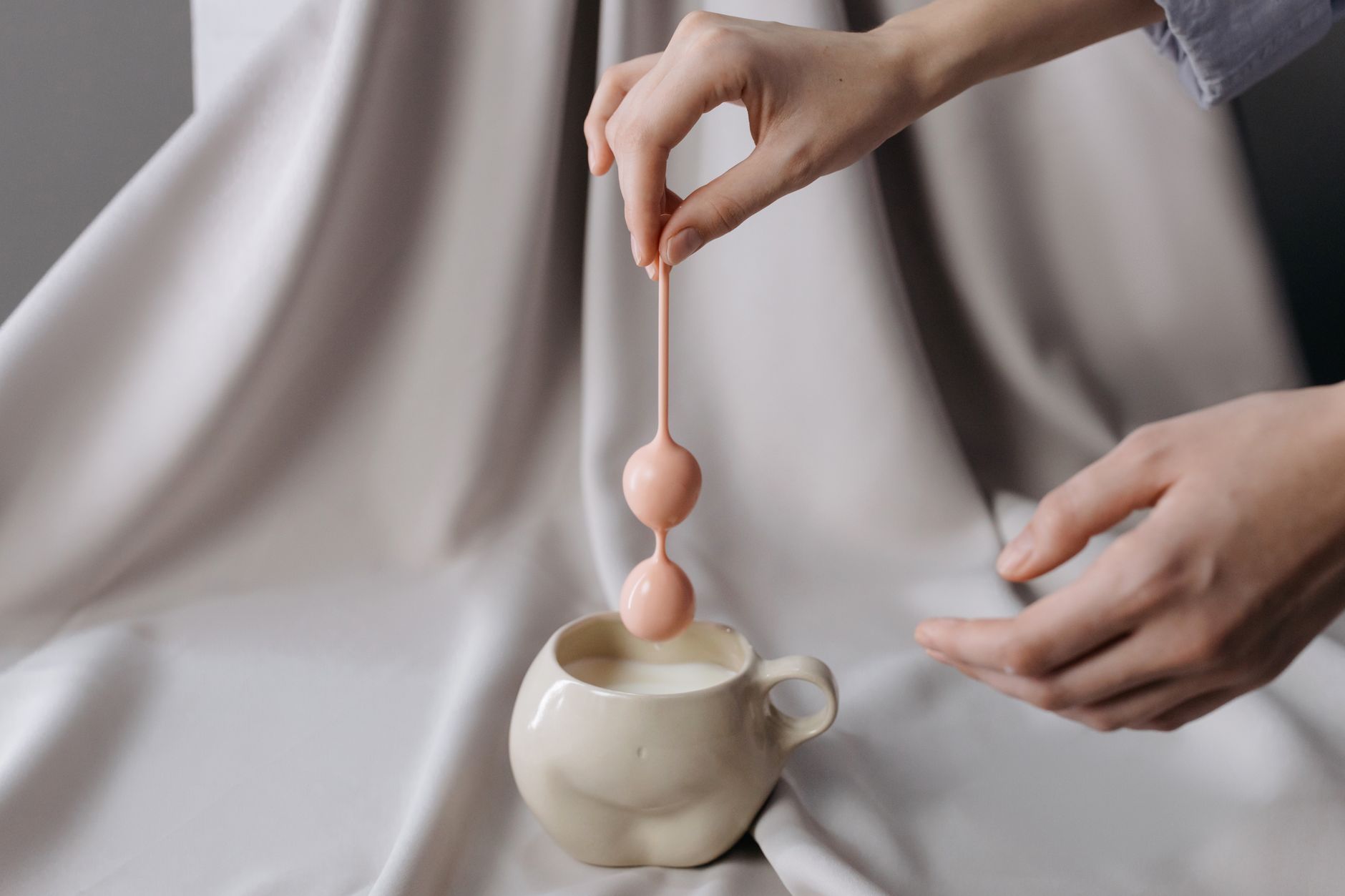
Kegel balls are usually small ball‑shaped or tear‑drop devices designed to be worn inside the vagina, often with a retrieval cord or loop attached for easy removal. The outer shell is commonly made from silicone or hard plastic, while the inside may contain metal weights or rolling beads that add extra weight and a subtle movement sensation when walking. Some designs are static weights, others include free‑moving inner balls that shift with motion. The overall idea is not to wear them endlessly, but to create gentle resistance and awareness of the pelvic floor muscles during short practice sessions. On the market, shoppers will find single‑ball styles, fixed dual‑ball designs and modular systems where you can swap different weights into one frame, each serving different experience levels.
Choosing a Starting Weight: Light, Single and Forgiving
Weight is one of the key factors that determines how challenging a Kegel ball will feel. Typical products range from about 20–30 grams per ball up to 70–80 grams or more in advanced sets, and total weight can increase further in dual‑ball configurations. For newcomers, a light single ball is often the most forgiving option. A starting point around 30–40 grams with a slightly larger, soft‑touch surface allows the body to get used to the feeling of having something in place without creating excessive strain. Once holding the ball feels manageable during short sessions and daily movements, it is reasonable to explore 50‑plus gram options or more compact balls that are heavier for their size. There is no universal “right weight”, because pelvic floor strength varies widely. Instead of matching someone else’s numbers, pay attention to comfort, ability to keep the ball in place and how your body responds over time.
Levels and Ball Count: Single Ball, Double Ball and Modular Sets
Product descriptions often mention “levels” or stages, which usually refer to how many balls are connected and whether the set offers interchangeable pieces. Single‑ball designs have a shorter overall length and simpler insertion depth, making them easier for beginners to control. Double‑ball styles extend the contact area and almost always increase total weight, so they feel more demanding and are better suited to users who already know how their body responds. Modular sets take the idea further by providing several balls with different weights plus one or two frames. A user might start with one light ball in a single‑ball frame, then move to a heavier ball, and eventually combine two balls in a dual‑ball frame. When comparing options, it helps to look for clearly printed weight and size for each ball, not just vague labels like “light”, “medium” or “advanced”, so that you can plan a gradual progression instead of guessing.
Materials and Safety Details: Shell, Core and Cords
Beyond weight and levels, material choices and construction details have a direct impact on comfort and hygiene. Many higher‑quality Kegel balls use medical‑grade silicone for the outer shell, which tends to feel softer, slightly flexible and less cold to the touch compared with hard plastic. Hard plastic shells, often made from ABS, provide a smoother, slippery surface and a more pronounced presence, which some experienced users may prefer but can feel intense for beginners. Inside, metal cores or beads are used to create weight and in some designs gentle movement when walking. Because these parts are hidden, the integrity of the outer shell and seams is crucial; any cracks or separation can let moisture in and lead to corrosion or make cleaning difficult. The retrieval cord should also be examined: ideally it is part of a seamless silicone body rather than a woven string with small gaps that trap residue. When shopping, it is sensible to favour products with clear material labelling, neutral smell, smooth finishing and no sharp edges.
A Practical Progression: From Entry Ball to Advanced Set
To make the idea of progression more concrete, it can be helpful to imagine a three‑step path and adapt it to personal needs. In the first step, someone might choose a single ball around 30–40 grams with a soft silicone surface, short body and rounded cord, using it in a comfortable, private setting for a few minutes at a time. Once inserting and holding feels familiar and there is no lingering soreness, the second step could be a slightly heavier single ball in the 50–60 gram range, perhaps a bit more compact so the weight is concentrated. Only after these stages feel manageable would a third step involve moving to a dual‑ball style or modular set where total weight may reach 70 grams or more. Modular kits that include several balls of different weights can also reduce the risk of buying a set that is too advanced, because the user can start with the lightest combination and swap pieces as they progress instead of replacing the whole product.
Time, Frequency and Listening to Body Signals
Even with lighter Kegel balls, more is not always better in terms of how long or how often they are worn. Short, focused sessions tend to be more compatible with everyday life and with respecting the body’s limits. A reasonable approach is to start with just a few minutes, paying attention to whether there is any sharp discomfort, pressure or unusual sensation, and then gradually extend time only if everything feels fine. Some people find it easier to begin in a lying or relaxed seated position rather than immediately walking around or doing household tasks. Over weeks, a pattern like several brief sessions a week often feels more sustainable than daily long‑duration use, and it gives the pelvic floor muscles room to rest. If at any point there is pain, bleeding or a noticeable change in discharge, the right move is to stop using the device and speak with a healthcare professional, as this guide cannot replace personalised medical advice.
Cleaning and Storage: Keeping Things Low‑Stress and Hygienic
Because Kegel balls are intimate devices, routine cleaning and storage habits make a big difference in long‑term comfort. After each use, most silicone or plastic shells can be washed with mild, unscented soap and warm water, followed by gently patting dry with a clean, soft towel rather than rubbing aggressively. Depending on the product instructions, a dedicated toy cleaner can be used occasionally as an extra step, but strong alcohol‑based or highly perfumed formulas are best avoided. For storage, a separate pouch or box that keeps the balls away from dust, moisture and direct sunlight is helpful, especially if they share a drawer with other items. It is also wise not to press different materials tightly together for long periods, as colour transfer or material interaction can occur. Any sign of cracks, sticky texture, unusual smell or colour change is a signal that the product may be aging and deserves a safety check before further use.
Privacy and Where to Buy: Online vs In‑Store
Shopping for Kegel balls often involves a balance between wanting detailed information and wanting discretion. Online stores typically list material, weight and size, sometimes with real‑world usage photos that help visualise how large the product is. Many e‑commerce platforms ship in plain outer boxes without explicit product names on the label, which can ease concerns about packages being noticed by others. Visiting a physical store, on the other hand, allows customers to see display models, feel textures with their fingers and ask staff questions about differences between sets, weights and levels. Some people appreciate this hands‑on comparison, while others find it too awkward for a first purchase. Whichever route is chosen, checking how the store handles customer data, payment records and returns can add peace of mind. Keeping receipts and packaging in a private, organised place can also reduce accidental disclosure in shared homes.
In the end, choosing Kegel balls is less about finding a single “perfect” product and more about matching the current state of the body, comfort preferences and everyday routine. Starting light, progressing gradually and respecting body signals tends to make the experience more sustainable and less stressful. The information in this article is meant as general guidance and does not replace professional medical judgment, so if there is any concern about pain, pelvic floor conditions or other health questions, bringing them to a qualified healthcare provider is strongly recommended.
FAQ
What weight of Kegel ball is suitable for a complete beginner?
Many beginners find that a single ball in the 30–40 gram range offers a good starting point. At this weight, the ball is noticeable but still manageable for short sessions, especially when combined with conscious pelvic floor contractions. If it feels too heavy, slips out easily or causes discomfort, it is reasonable to switch to a lighter, slightly larger ball and give the body more time to adapt.
Do I need a double‑ball Kegel set if I am just starting out?
A double‑ball set is not essential for beginners. Single‑ball designs are generally easier to insert, control and remove, making them a sensible first step. Double‑ball styles increase total weight and contact length, which can be rewarding later on but may feel demanding in the early stages. Many users gradually move to dual‑ball or modular sets only after they feel comfortable with single‑ball practice.
How often is it reasonable to use Kegel balls during the week?
Frequency depends on personal comfort and how the pelvic floor responds, but short, focused sessions a few times a week are common. Starting with just a few minutes per session and observing sensations is often more sustainable than wearing Kegel balls daily for long stretches. If there is pain, bleeding or unusual discharge, it is important to stop using the device and consult a healthcare professional, as general guidelines cannot replace medical advice.
What is the best way to clean and store Kegel balls after use?
After each session, Kegel balls can usually be washed with mild, unscented soap and warm water, then gently patted dry with a clean towel. Strong, harsh cleaners are best avoided unless the product instructions explicitly allow them. For storage, a separate pouch or box kept away from moisture, dust and direct sunlight works well. If the surface becomes cracked, sticky or develops an unusual smell, it is wise to reassess whether the product is still safe to use.