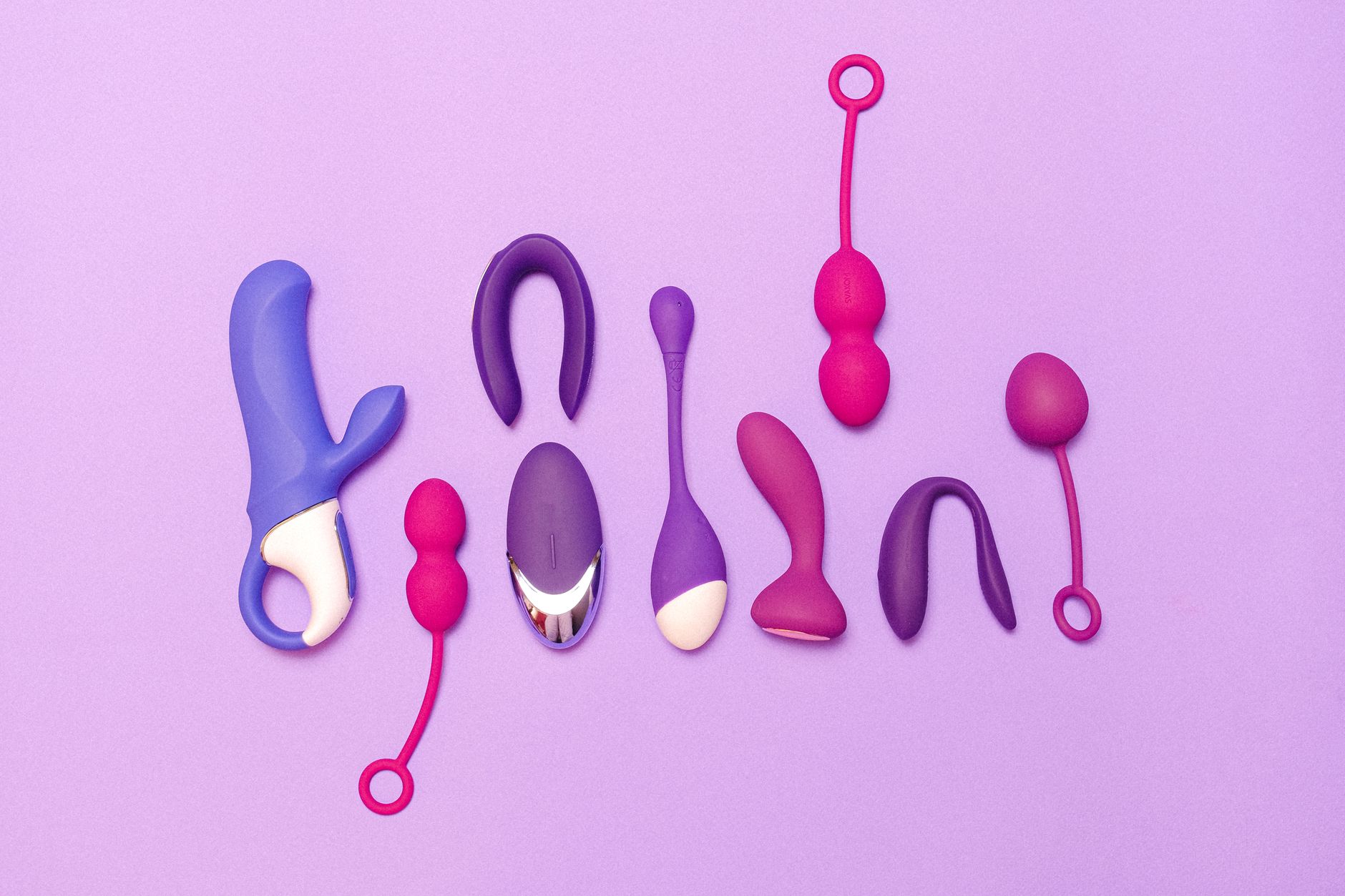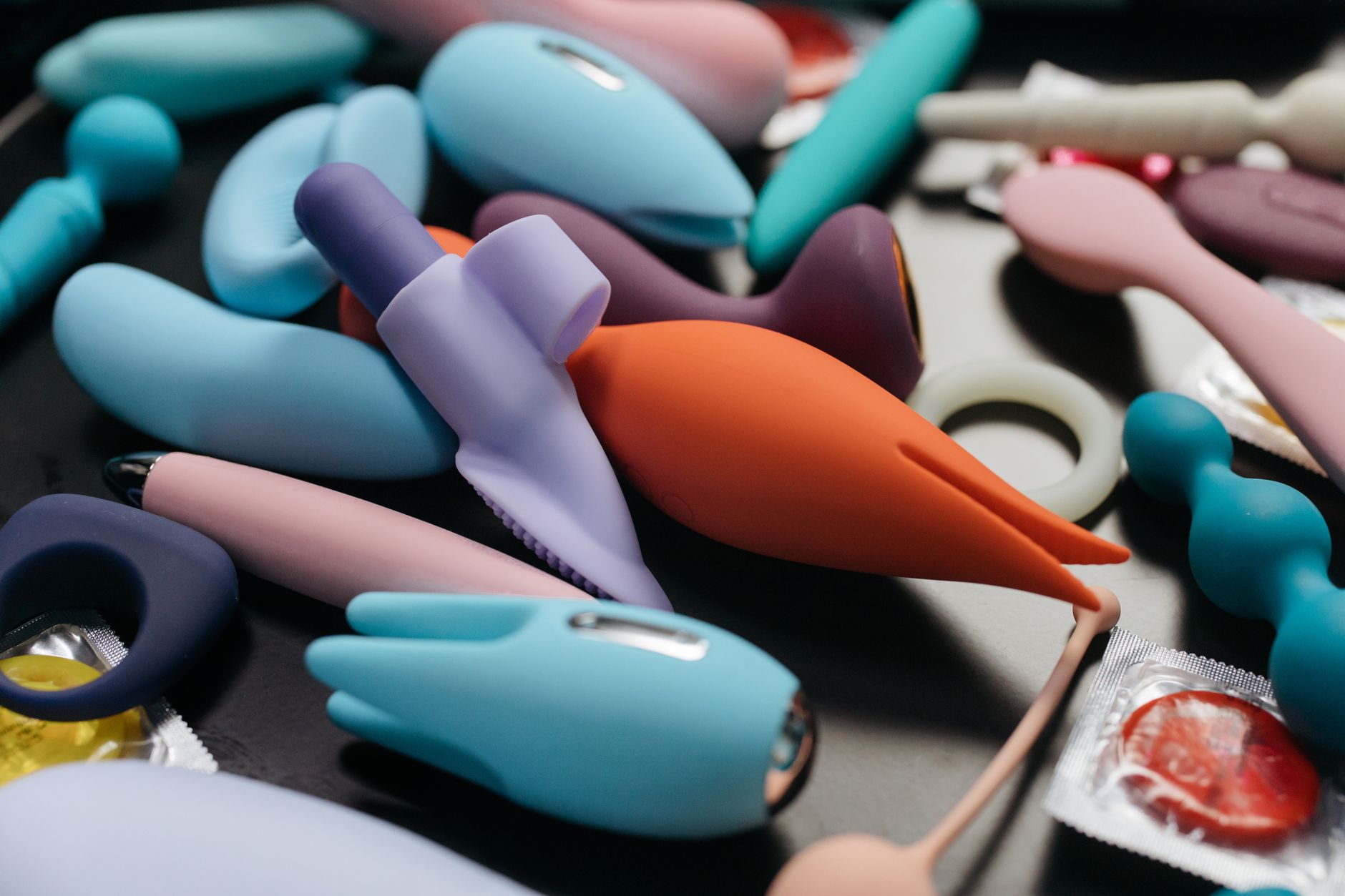
For many people using female sex toys, lubricant sits quietly between the toy and the body, but it can completely change how everything feels. The right lube in the right amount smooths out friction, makes movements easier to control and keeps the focus on pleasure instead of irritation. At the same time, too much lube can make toys hard to hold or keep in place, while skipping it altogether can leave skin feeling rubbed raw afterward. This guide looks at materials, situations and dosing in a practical way so readers can decide when lube is helpful, how much to start with, and how to adjust without turning the night into a science experiment.
Which female toys benefit most from using lubricant?
Most toys that slide, press or go inside the body feel more comfortable with some lubricant, especially vibrators, wands, bullet toys designed for penetration and certain wearable or insertable eggs. On dry skin these toys create more drag, and the longer a session lasts, the more that drag can show up as pulling or localized irritation. Some people only notice it afterward, when wiping down the area and discovering mild redness. In contrast, toys that stay outside the body and only give light surface stimulation, such as small external bullets or compact suction toys used over underwear, may work fine with very little or even no lube, depending on skin condition that day. A simple way to decide is to ask whether the toy will be sliding along sensitive tissue, entering the body or staying pressed against one spot for more than a few minutes; if yes, a bit of lubricant often makes the experience smoother.
Material and lube pairing: safety and compatibility basics
Female sex toys commonly use silicone, ABS plastic, glass, stainless steel and various composite materials, and lube does not behave the same way on all of them. Water-based lubricant tends to be the most versatile pairing: it works well with most silicone and plastic toys, does not usually interfere with the surface finish and rinses off with minimal effort. Silicone lubricant offers a silkier, longer-lasting glide, but repeated use on some silicone toys can gradually change the texture, making them tacky or dull instead of soft-matte. That is why many brands highlight “water-based only” or list recommended lube types in their manuals. Glass and metal toys generally pair nicely with silicone lubricants because the hard, nonporous surface does not react to the formula, and the extra slip can be an advantage. Composite materials are more variable, so checking the manufacturer’s guidance before using any new lubricant is a sensible step, especially for toys used on very sensitive areas.
When is it a good time to reach for lube?
The timing for using lube is closely tied to arousal level, toy size and how adventurous the session feels. When exploring a new toy or moving up to a thicker or longer vibrator, many people feel excited but also a bit tense, which can mean natural wetness arrives later than expected. Adding a thin layer of lube before starting helps the first few movements feel gentle rather than abrupt. Around the menstrual cycle, during periods of poor sleep or under heavy stress, the body may also feel drier, and friction can creep up during longer sessions. In those moments, pausing to top up a small amount of lube allows the second half to feel as comfortable as the beginning. During partnered play, sharing the lube bottle and adjusting together can also soften awkwardness; using lube becomes part of a conversation about pressure, speed and boundaries rather than something that silently fixes discomfort in the background.
How much is enough? Thinking in “starting dose” and “top-ups”
Too little lube leaves the toy dragging; too much can turn it into a slippery bar of soap. It helps to break the decision into a starting dose, then top-ups if needed. For a water-based lubricant, many users begin with roughly a coin-sized amount spread over the head or contact surface of the toy, then use fingers or the palm to smear it into a thin, even layer that does not drip. Once play starts, the goal is to notice how the toy and the skin feel together rather than fixating on exact measurements. If pulling or increased friction shows up, it is better to stop briefly, observe whether the toy has dried out and then add a half coin-sized amount instead of doubling the original dose. Silicone lubes usually call for less product, since their glide lasts longer; a small dab can cover a larger area and often remains effective through a full session, reducing the need to stop and reapply.
Feel and cleanup: differences between water-based and silicone lube
Water-based lube typically has a gel-like or light lotion texture, with a feel that many people describe as close to what their bodies produce naturally. It pairs well with users who value an easy rinse afterward, since warm water and mild cleanser usually take care of residue, even on toys with gentle curves or seams. The trade-off is that the product tends to dry out over time and may need frequent refreshing, especially in rooms with air conditioning or fans. Silicone lube, on the other hand, provides a more slippery glide that hangs around longer, which can be useful with glass or metal toys or for slower, more drawn-out sessions. Cleanup, however, often requires extra attention: toys with ridges, textured surfaces or small grooves may need longer rinsing or a dedicated toy cleaner to fully remove the film. Some brands also offer hybrid formulas or blends with skincare ingredients; for anyone with a history of sensitivity, patch-testing on a less delicate area of skin before using the product intimately is a cautious approach.
Working with toy design instead of relying only on lube
Lubricant is helpful, but it cannot fully correct a toy that simply does not suit the body it is paired with. Diameter, shape, angle and flexibility all affect how comfortable a toy feels, and adding more lube will not necessarily solve issues like constant pressure on a single tender spot or edges that poke instead of glide. If the tip is very sharp or transitions between sections are abrupt, even generous lubrication can leave the area feeling bumped or scraped. Looking closely at design details before purchase helps: rounded tips, smooth transitions, well-finished seams and a weight that allows easy control all reduce the need to keep “fixing” contact with more product. If discomfort persists despite careful lubrication, it is reasonable to reevaluate toy size or style instead of pushing through out of obligation; pleasure is more sustainable when gear, body and lube are all in harmony.
Safety and hygiene reminders for lube and toy use
When sex toys and lubricant come into contact with intimate areas, hygiene and basic safety become part of the routine rather than an optional extra. Before opening or using any lube, checking the packaging for integrity and confirming that the product is within its stated shelf life can reduce avoidable risks. Clean hands make a difference too: washing with mild soap and water before handling toys or lube bottles helps keep outside contaminants away from sensitive tissue. For people with recurring intimate concerns or under medical treatment, the information in this article is for general guidance only, and speaking with a qualified healthcare professional about suitable products and usage patterns is advisable. After a session, toys should be washed according to their material—using gentle cleansers, thorough rinsing and enough air-drying time before storage—to keep surfaces in good condition and ready for future use.
Conclusion: letting your body set the rules for lube and toys
In the end, lubricant plays a supporting role. It can smooth rough edges, reduce unwanted friction and keep movements fluid, but the most important guide remains the body itself. Different people settle into different routines: some build their kit around water-based lube and soft silicone toys, others favor silicone lube with glass pieces for a very sliding feel, and habits around starting amounts and top-ups vary widely. What matters is listening to physical feedback, noticing when something feels off and allowing space to pause, rinse, adjust or switch toys rather than forcing a plan to work. With a bit of experimentation and a willingness to adapt, it becomes easier to find combinations of lube type, amount and toy design that feel genuinely comfortable, whether the moment is solo or shared with a partner.
FAQ
Do I always need to use lubricant with female sex toys?
Lubricant is not mandatory with every toy, but it is very useful whenever a toy slides along sensitive tissue, enters the body or stays pressed against one spot for longer sessions. External toys that offer light surface stimulation on days when the body already feels naturally moist may be comfortable with little or no lube. A practical approach is to start with a small amount when trying a new toy, then adjust based on how your skin and muscles react.
What is the key difference between water-based and silicone lube for toy use?
Water-based lube tends to feel more natural and is compatible with most silicone and plastic toys, while also being easy to rinse off with warm water and gentle soap. Silicone lube delivers a slicker, longer-lasting glide that pairs well with hard, nonporous materials such as glass or steel, but it usually takes more effort to clean off, especially from textured surfaces. Many manufacturers share specific recommendations, so checking their guidance before use is helpful.
Can using too much lube make it harder to control my toys?
Using a very generous amount of lube can make toys difficult to grip, angle and keep in place, particularly with heavier designs or positions that rely on steady pressure. Suction-based toys or those that need to stay centered on one area may lose some stability if the contact surface becomes overly slippery. Starting with a modest layer and topping up in small steps when friction increases usually maintains comfort without sacrificing control.
What if I have a history of intimate sensitivity or recurrent issues?
Anyone with a history of intimate sensitivity or recurrent concerns should pay extra attention to product ingredients, material quality and hygiene routines when combining lube and toys. The information in this article is general and intended as a starting point, not a personal medical plan. It is advisable to discuss suitable lubricants, toy types and usage patterns with a healthcare professional and to observe how your body responds during and after use.