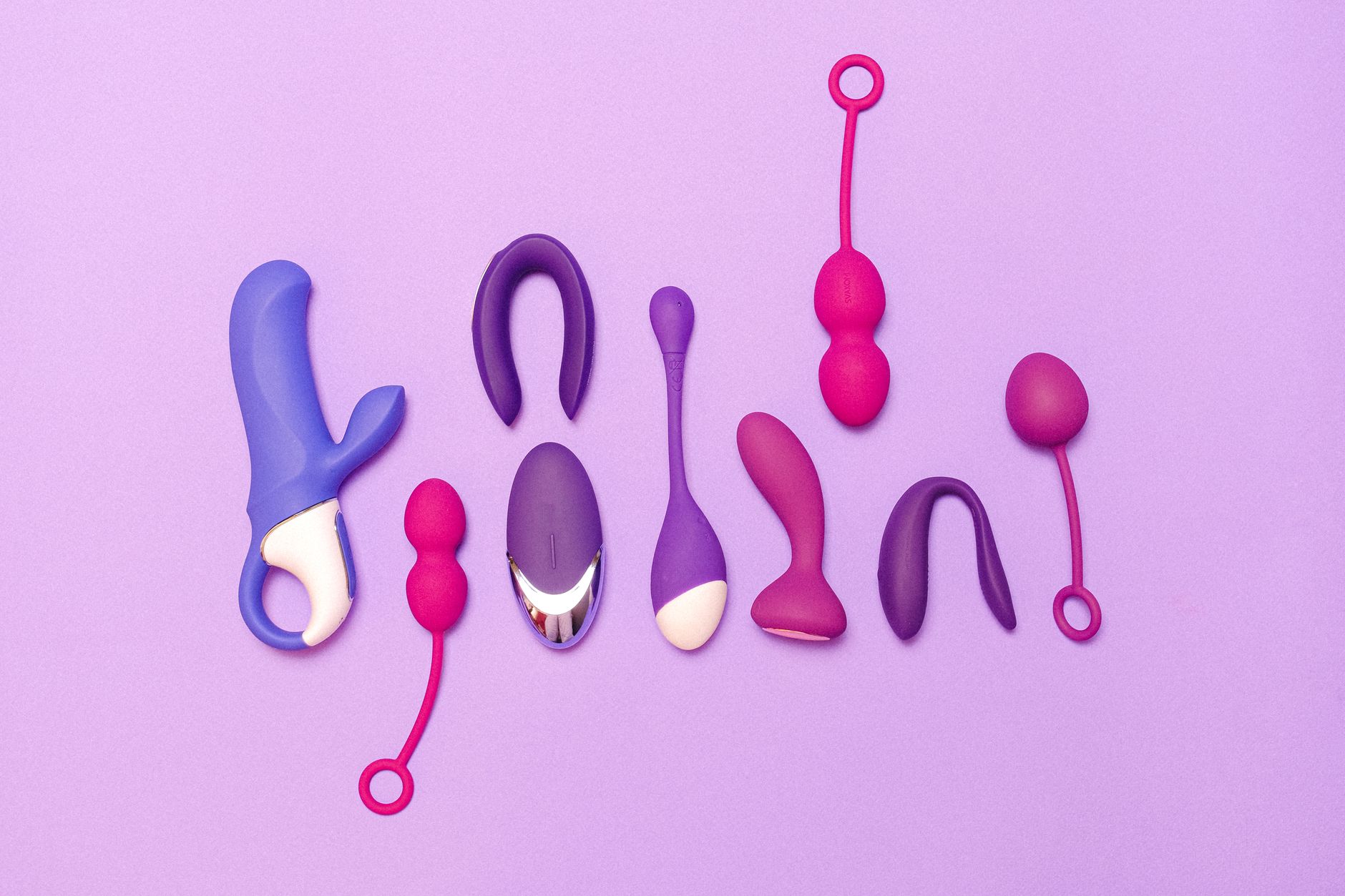
Choosing a first male masturbator can feel more complicated than expected because product pages often focus on appearance while leaving the practical details vague. The internal sleeve, channel pattern, material, cleaning access, and storage requirements have a greater effect on everyday ownership than the outer design alone. Male masturbators range from simple non-electronic sleeves to products with rigid cases, adjustable pressure, vibration, or heating features. Adult users should check the material, dimensions, cleaning instructions, and privacy policies before purchasing rather than relying only on suggestive marketing language.
Understanding the main parts
Most male masturbators combine an outer case or grip with a soft internal sleeve. The case may provide structure, reduce slipping, or allow the user to change pressure, while the sleeve contains the opening and internal channel. Some sleeves can be removed and turned inside out, making it easier to rinse textured surfaces and inspect them before storage. Other designs are fixed inside the case, which can make drying and checking deep areas more difficult.
A practical inspection should cover several points:
- Whether the sleeve is removable and can be turned inside out.
- Whether water can pass through the full channel during rinsing.
- Whether the case is easy to hold without excessive squeezing.
- Whether the product page clearly lists materials, dimensions, and care instructions.
How internal channels differ
The internal channel is the part that most directly distinguishes one masturbator from another. Common patterns include a relatively straight passage, rings, raised bumps, spiral textures, segmented chambers, and openings that narrow near the entrance. A more elaborate pattern is not automatically a better choice for every user. More grooves and cavities can also mean more areas that require careful rinsing, drying, and inspection. For a first product, a moderately flexible sleeve with a channel that is easy to access is often simpler to learn and maintain.
The main design categories can be compared this way:
- Straight channels: Usually easier to rinse, dry, and inspect.
- Textured channels: Offer more internal variation but may require more detailed cleaning.
- Narrow-entry designs: Can feel more enclosing, so dimensions and adequate lubrication matter.
- Adjustable-pressure cases: Allow pressure changes through the grip or outer mechanism, but excessive force should be avoided.
TPE, silicone, and other materials
Material affects softness, odor, cleaning effort, and storage. TPE, TPR, and similar elastomer materials are common in soft realistic sleeves, but some are porous or semi-porous and need thorough washing and complete drying. Silicone is non-porous and generally simpler to clean, although silicone sleeves can feel firmer and may cost more. Product descriptions that only say “ultra-soft” or “body-safe” without naming the actual material do not provide enough information for a confident comparison, so buyers should check the manufacturer’s specifications or ask the retailer.
Useful material checks include:
- Choose products with a clear material label, manufacturer information, and care instructions.
- Be cautious if a sleeve has a strong persistent odor, oily residue, or unusual tackiness.
- Store different materials separately, especially elastomer sleeves and silicone products.
- Stop using the product if the surface develops tears, discoloration, an unusual smell, or a changed texture.
What determines durability
Durability depends on the material, channel complexity, cleaning routine, drying conditions, and storage environment. A removable sleeve, solid case, and accessible replacement parts can make long-term ownership easier, while an inexpensive fixed sleeve with deep textures may require more maintenance than expected. Electronic models add another layer of concern: buyers should check the stated water-resistance limits, charging-port protection, and whether the motor compartment must stay dry. A product described as water-resistant should not automatically be submerged unless the instructions explicitly allow it.
After use, rinse away residue with lukewarm water and follow the care instructions for the material. Mild, fragrance-free soap or a suitable toy cleaner is generally preferable to harsh chemicals, and very hot water may damage some elastomer materials. If the sleeve can be inverted, rinse the entire channel and allow it to dry completely before storage. Keep it in a breathable pouch or separate compartment away from direct sunlight, high heat, and heavy pressure; sealed damp storage can create odor and speed up material deterioration.
A practical first-time buying checklist
For a first purchase, ease of cleaning, drying, and storage usually matters more than a highly complicated texture. Check the overall length, opening size, sleeve length, and case dimensions rather than relying on vague descriptions such as “fits everyone.” Lubricant compatibility also matters: follow the product instructions and stop using a combination that causes swelling, stickiness, clouding, or other material changes. A retailer with clear specifications, discreet packaging information, and transparent returns or warranty terms is generally easier to evaluate.
Use this comparison order:
- Decide whether a straight, textured, or adjustable-pressure channel fits the intended experience.
- Confirm that the sleeve can be removed or that the fixed channel can be rinsed and dried properly.
- Compare the material, odor, surface feel, and storage requirements.
- For electronic products, review water-resistance limits, charging, and warranty coverage.
- Choose an adult retailer with clear privacy, shipping, and age-restriction information.
The most useful beginner choice is not necessarily the product with the most elaborate channel. A sleeve that is easy to remove, clearly labeled, simple to dry, and compatible with a manageable cleaning routine is more likely to remain practical over time. Adult products should be purchased and used only by adults. Stop use if pain, broken skin, persistent irritation, or an allergic reaction occurs, and seek medical advice when needed.
FAQ
What should a beginner check first when buying a male masturbator?
Start with the sleeve material, opening and channel dimensions, whether the sleeve is removable, and how easily it can be rinsed and dried. Electronic models also require a review of water-resistance limits, charging, and warranty terms.
How does TPE compare with silicone in a male masturbator?
TPE is often softer but may require more careful cleaning, drying, and separate storage. Silicone is non-porous and generally easier to clean, though it can feel firmer and may have a different price point. Always verify the exact material listed by the manufacturer.
How should a male masturbator be cleaned after use?
Rinse it with lukewarm water and follow the material-specific instructions, using mild fragrance-free soap or a suitable toy cleaner when appropriate. Removable sleeves should be rinsed throughout the channel, dried completely, and stored in a breathable pouch.
When should a male masturbator be replaced?
Replace or stop using it when the sleeve develops tears, discoloration, persistent odor, unusual tackiness, or a changed texture. For electronic products, charging problems, casing damage, or suspected water intrusion are also reasons to stop use.