Masturbation is a private way many adults explore bodily sensations and relaxation, but there is no universal number that defines a normal frequency. Some people masturbate often, while others do so rarely or not at all; frequency alone does not determine whether someone is healthy. More useful questions involve consent, control, comfort, and daily functioning. If the behavior begins to interfere with sleep, work, study, relationships, or personal responsibilities, the impact matters more than the number on a calendar.
There is no fixed normal frequency
Masturbation patterns can change with age, stress, mood, relationship status, free time, medication, and personal desire. A person may masturbate more often during periods of isolation or tension and less often during busy or emotionally difficult periods without either pattern automatically indicating a problem. Comparing private behavior with friends, online claims, or pornography can create an artificial standard. A practical self-check is whether the behavior is voluntary, whether it can be paused when necessary, and whether it causes persistent pain, injury, or distress afterward.
A higher frequency is not automatically unhealthy
Masturbating frequently does not by itself mean addiction or illness. If an adult can meet work, study, household, and relationship responsibilities, sleep adequately, and avoid physical injury, the frequency alone is not a reliable warning sign. Greater concern is appropriate when someone repeatedly stays up late, cancels important plans, loses concentration, or continues despite not wanting to. Tracking triggers, emotions, urges, and consequences can clarify the pattern and may make it easier to discuss with a therapist, physician, or sexual-health professional.
- Control: Can the person delay or stop when needed?
- Daily functioning: Are sleep, work, study, or relationships affected?
- Physical comfort: Are there ongoing pain, skin injuries, numbness, or bleeding?
Sorting fact from common myths
Claims that masturbation inevitably causes weakness or permanent damage are overly broad and cannot explain every individual experience. At the same time, saying it is risk-free in every situation is also inaccurate; excessive friction, force, poor hygiene, or ignoring pain can lead to discomfort. Masturbation does not automatically indicate dissatisfaction with a partner or a lack of emotional connection, and partnered sex and solo sexuality can coexist. If the behavior has become the only way someone copes with stress, the important question is not moral judgment but whether additional coping options and emotional support are needed.
Safer self-care and toy use
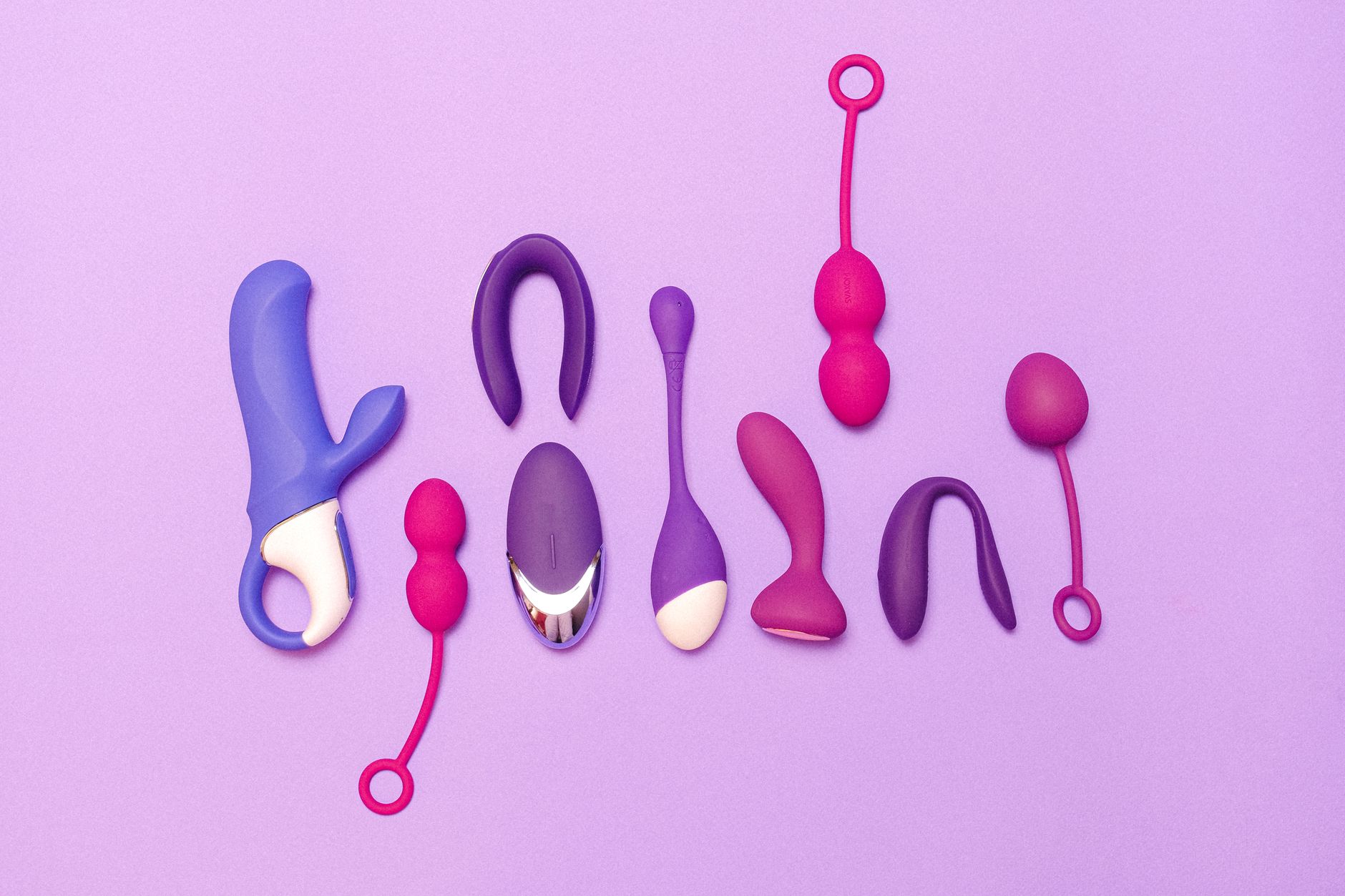
Private exploration should prioritize comfort and safety rather than intensity or duration. Before using a toy, check the material information, size, controls, waterproof rating, and cleaning instructions; beginners can start with lower intensity and shorter sessions. Stop if there is sharp pain, burning, numbness, or discomfort that persists. Water-based lubricant is often easier to clean, but compatibility with condoms and toy materials still needs to be checked because some oil-based products can damage latex. Clean toys according to the manufacturer’s instructions, dry them fully, avoid sharing, and use a fresh barrier when appropriate.
- Choose products with clear material and manufacturer information, and avoid items with strong odors or incomplete labeling.
- Do not move a toy between body areas without cleaning it or changing its barrier.
- Keep rechargeable devices away from water unless they are specifically designed to be waterproof, and use compatible charging accessories.
When professional support makes sense
Persistent pain, swelling, skin breaks, bleeding, or numbness should not be ignored; stop stimulation and seek medical advice if symptoms do not settle with rest. Unusual discharge, sores, or painful urination may require assessment rather than self-diagnosis from online information. Emotional distress also matters: if masturbation creates intense shame or anxiety, or interferes with sleep, work, or relationships, a therapist, physician, or sexual-health clinic can help explore the situation without judgment. During an appointment, describing changes in frequency, symptoms, technique, and duration directly can make the assessment more useful.
A more neutral way to understand personal patterns
A helpful framework is to consider four areas: willingness, control, impact, and comfort, rather than searching for a perfect number. If the behavior is voluntary, can be paused, causes no ongoing injury, and does not disrupt daily life, frequency alone is usually not a reason for alarm. If life is being affected, someone can experiment with steadier sleep, reducing triggering content, and adding exercise or social activities; the goal is not to suppress desire but to create more choices. This article is general adult sexual-health information, not a diagnosis. Anyone with concerning symptoms or persistent distress should seek advice from an appropriately qualified professional.
FAQ
How many times a week is masturbation considered normal?
There is no fixed number that applies to everyone. Frequency is usually less important than whether the behavior is voluntary, controllable, physically comfortable, and compatible with sleep, work, relationships, and other responsibilities.
Can frequent masturbation harm the body?
Frequent masturbation is not automatically harmful, but excessive force, prolonged friction, or ignoring pain can cause irritation or injury. Stop if symptoms occur, and seek medical advice for persistent pain, bleeding, numbness, or other concerning changes.
What should adults consider when using a sex toy?
Check the material, size, controls, waterproof rating, and cleaning instructions before use. Use compatible lubricant, clean and dry the toy after use, avoid sharing, and use a new barrier when moving between body areas or sharing is unavoidable.
When should someone seek professional help for masturbation concerns?
Medical advice is appropriate for persistent pain, sores, unusual discharge, bleeding, or painful urination. Therapy or sexual-health support may also be useful when the behavior feels uncontrollable or repeatedly interferes with sleep, work, study, or relationships.