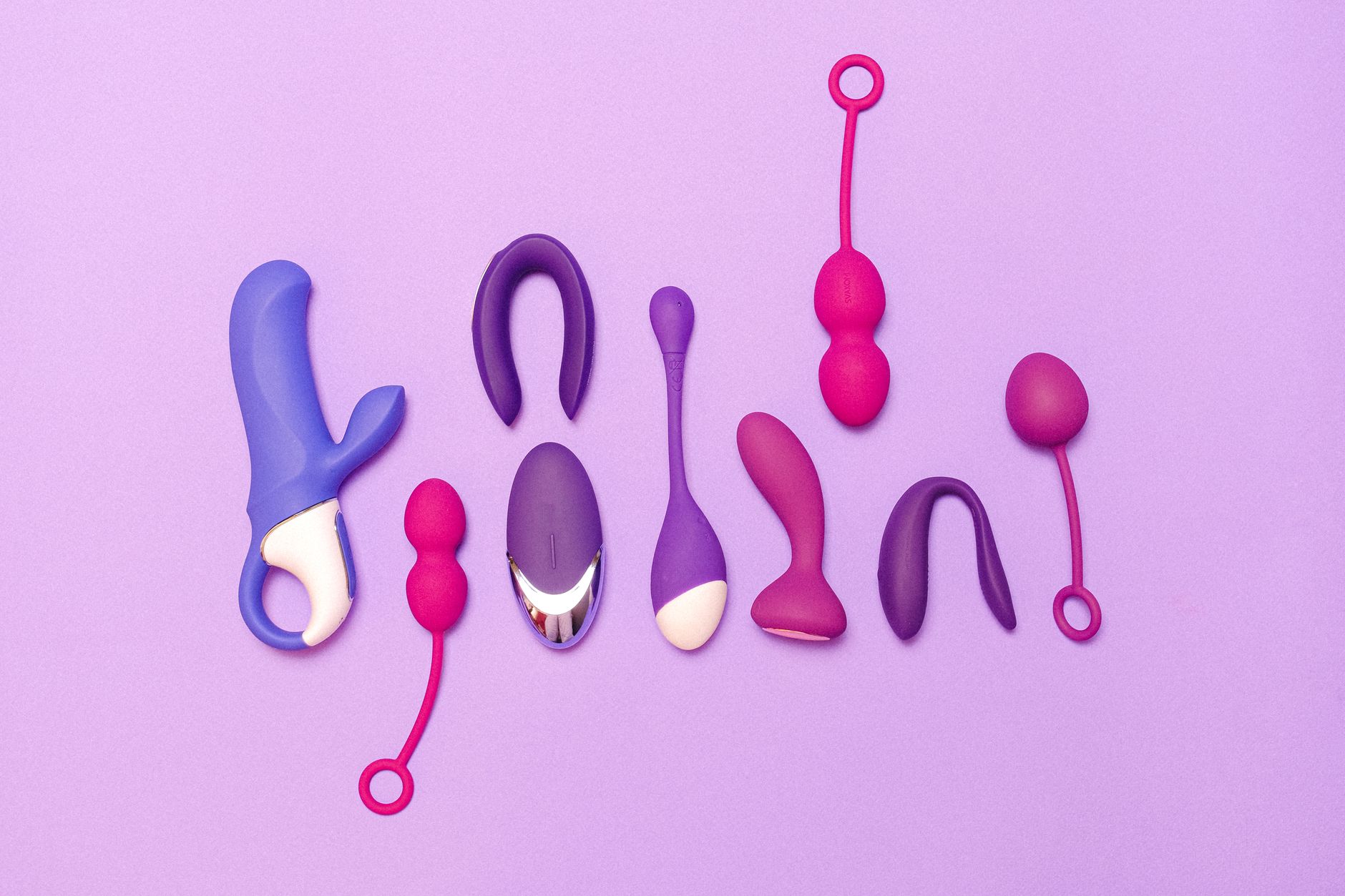
The difference between porous and nonporous materials is not simply about whether a sex toy feels soft or smooth. It affects how thoroughly the surface can be cleaned, how easy the toy is to store, and how carefully it should be managed when it touches different body areas. Porous materials may contain microscopic spaces that retain moisture, lubricant, skin oils, or residue even after washing, while nonporous materials generally have a denser surface that is easier to clean thoroughly. Buyers should look beyond labels such as “skin-like,” “soft rubber,” or “silicone blend” and confirm the complete material description, water-resistance rating, and care instructions. This guide compares hygiene considerations, cleaning routines, storage, and condom use so adult readers can balance texture, cost, and maintenance with clearer expectations.
What porous and nonporous mean
In the context of sex toys, porous materials are materials whose structure may retain microscopic residue and cannot always be fully sanitized with ordinary household cleaning. Common examples include TPE, TPR, PVC, latex, jelly rubber, some elastomers, vinyl, and leather. Nonporous materials generally have a more closed surface, including verified pure silicone, ABS plastic, borosilicate glass, stainless steel, and aluminum. “Silicone” does not always mean pure silicone, because blends and vague product descriptions may have different care requirements. When a listing only says “soft rubber,” “real feel,” or “silicone blend,” the safest approach is to request the exact composition instead of assuming the product has the same cleaning properties as pure silicone.
- Porous materials may feel soft and flexible but are harder to sanitize completely.
- Nonporous materials are usually easier to wash, but electronics and coatings still need special care.
- Blended or unclear materials should be judged by the full specification and manufacturer instructions.
How the hygiene risks differ
The main challenge with porous materials is that washing may reach the surface without fully reaching the material beneath it. Lubricant, skin oils, bodily fluids, and dust can contribute to a sticky feel, odor, or visible change over time; this does not mean every use automatically causes an infection, but it does make the final cleaning result harder to verify. Nonporous materials are not self-cleaning: bacteria and residue can still remain in scratches, seams, charging ports, and textured areas. If a toy moves between the mouth, vagina, and anus, it should be cleaned before the change, or a fresh condom should be used as a barrier. A toy with cracks, persistent odor, unusual tackiness, or a damaged surface should not be treated as easy to clean simply because its original label sounded reassuring.
Nonporous materials are often a practical choice for people who want a simpler care routine, use a toy frequently, or prefer clearer hygiene management. Anyone who chooses a porous toy should avoid sharing it and may consider using a condom barrier for every use, especially when the item contacts mucous membranes or different body areas. If someone has ongoing irritation, unusual discharge, pain, or a known sensitivity, stopping use and seeking professional medical advice is appropriate. This is general hygiene information, not a diagnosis or substitute for individualized care.
Cleaning nonporous sex toys
For many nonporous toys, start with warm water and a mild, unscented soap, then rinse thoroughly and dry with a clean lint-free towel or allow the item to air-dry. A nonporous surface does not mean an electronic toy can be submerged, so check the water-resistance rating, charging port, controller, and removable parts first. Glass and stainless steel products may sometimes tolerate higher-temperature cleaning when the manufacturer permits it, but glass can break under sudden temperature changes and should not be boiled if it has chips or cracks. With silicone toys, water-based lubricant is often the more conservative choice unless the manufacturer confirms compatibility with silicone-based lubricant.
A practical routine is:
- Turn the toy off, remove compatible accessories, and confirm which areas are washable.
- Wash the surface, seams, and control areas with warm water and a gentle cleanser.
- Rinse away all product residue, avoiding alcohol, fragrance, bleach, or harsh cleaners on skin-contact surfaces.
- Dry the toy completely before placing it in a clean, separate container.
Cleaning and storing porous materials
Porous toys can still be surface-cleaned, but ordinary washing should not be treated as proof that the inside has been fully sanitized. Follow the manufacturer’s directions and use room-temperature or warm water with mild soap and a soft damp cloth when appropriate. Avoid prolonged soaking, boiling water, alcohol, bleach, and aggressive chemicals, since these can cause swelling, tackiness, cracking, discoloration, or irritating residue. After cleaning, allow the item to dry completely in a ventilated area, then store it in a lint-free fabric pouch or a separate container. If the surface becomes oily, sticky, cracked, discolored, or difficult to deodorize, replacement is usually more sensible than trying increasingly harsh cleaning methods.
A condom can provide an additional barrier for porous toys, especially when the item touches mucous membranes, moves between body areas, or is difficult to clean confidently. A condom cannot repair damaged material and does not replace basic cleaning after use; lubricant and condom compatibility must also be considered. Porous toys should not be shared, and different materials should not be stored pressed together for long periods because some surfaces can adhere to one another or react with surrounding chemicals.
How to spot unclear material labels
When shopping, the most useful information is not a product’s claims about luxury, realism, or premium feel, but a specific material description that can be checked. Pure silicone, ABS, glass, and stainless steel are generally easier to manage, although coatings, seams, and electronic components still matter. If a listing only says rubber, soft plastic, cyberskin, or silicone blend, it should not automatically be treated as nonporous. For online purchases, save the listing details for material, cleaning, and water resistance, then inspect the item on arrival. A lower price does not automatically mean poor quality, but unclear information makes cleaning and long-term care more difficult to evaluate.
Useful questions include:
- Does the listing identify the complete material rather than only a texture or marketing name?
- Does it explain the water-resistance rating and which parts must stay dry?
- Does it specify compatible cleaners and lubricants?
- Is the surface free from cracks, strong odor, oiliness, or unusual discoloration?
- Can the item be stored separately and dried thoroughly after use?
Choosing based on real-life use
If a reader values a low-maintenance routine, nonporous materials are usually the easier starting point. Silicone may suit someone who prefers a softer feel, while glass and stainless steel often offer smooth surfaces that are simple to wipe, although weight, temperature, and breakage risk still matter. If budget leads someone toward a porous material, the total cost should include condoms, separate storage, drying time, and more frequent inspection rather than focusing only on the purchase price. For beginners, a product with a clearly stated material, manageable dimensions, and complete care instructions is often easier to use responsibly than one chosen only for an unusual texture.
Material is not the only safety factor. A nonporous toy with deep scratches, hidden seams, or poor cleaning can still retain residue, while a porous item used by one person with a barrier and careful storage may be managed more cautiously. Sex toys are personal hygiene items and should not be shared casually. Stop using a product if it causes persistent pain, itching, unusual odor, or abnormal discharge, and seek appropriate medical evaluation when symptoms continue. Adult products are intended for adults, and product care instructions should always take priority over generic advice.
FAQ
Does a porous sex toy have to be avoided completely?
Not necessarily, but porous materials are harder to evaluate as fully sanitized after ordinary washing. Use the item alone, consider a compatible condom barrier, follow the manufacturer’s care instructions, and replace it if the surface becomes sticky, cracked, or persistently odorous.
Can every nonporous sex toy be boiled?
No. Check the material, electronics, coatings, and manufacturer instructions first. Some glass and metal products may tolerate higher temperatures, but vibrating toys, coated items, and products with cracks or sudden temperature exposure should not be boiled without clear instructions.
Can silicone lubricant be used with a silicone toy?
Do not assume compatibility. Some silicone toys may show surface changes when used with silicone-based lubricant, so water-based lubricant is the more conservative option unless the manufacturer says otherwise.
Is it safe to share a sex toy with a partner?
Sharing adds cleaning and barrier-management considerations, especially with porous materials or when the toy moves between body areas. If sharing occurs, use a fresh condom barrier for each person or body area, clean the toy as directed, and do not share a damaged item that is difficult to clean thoroughly.