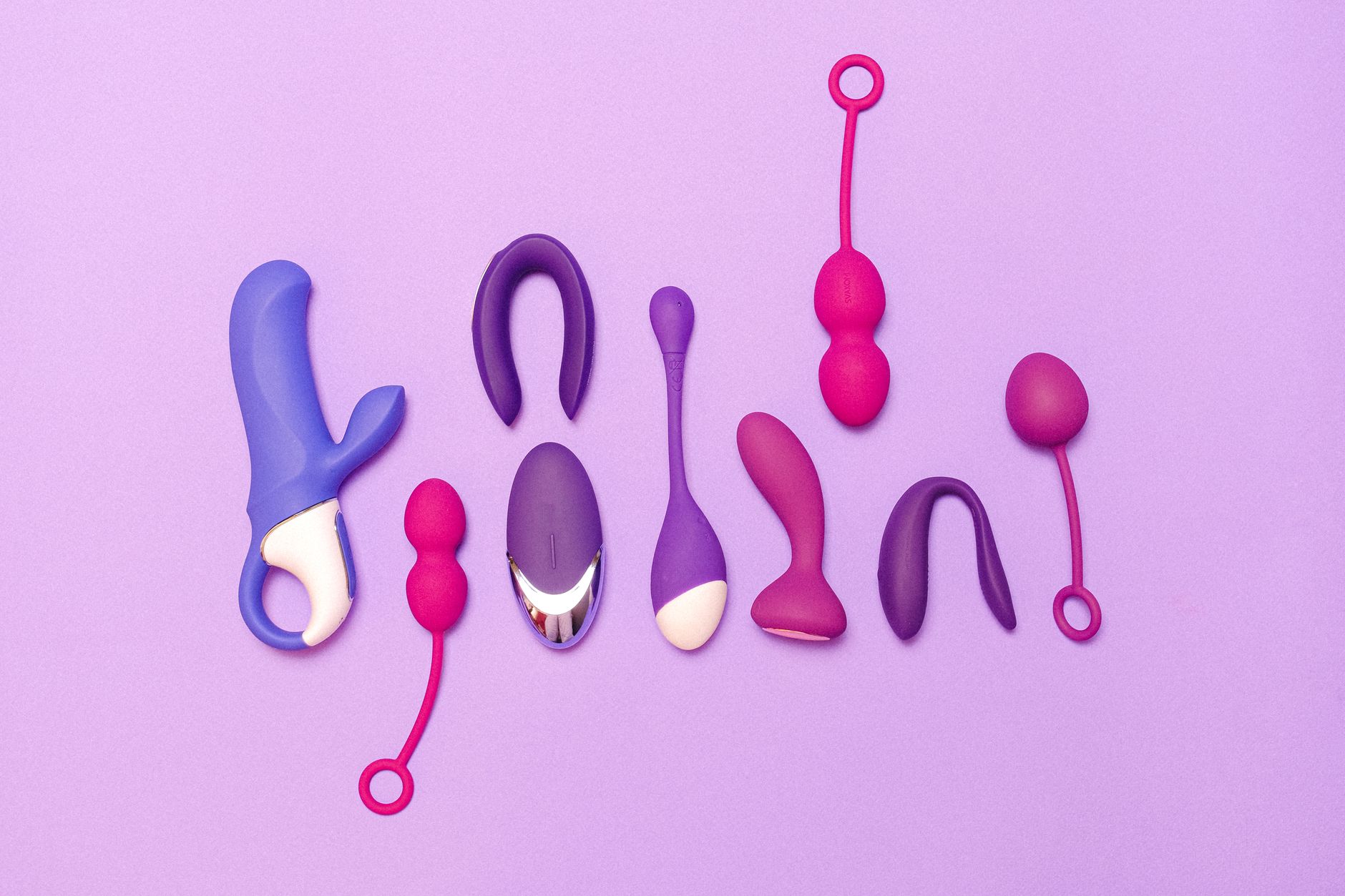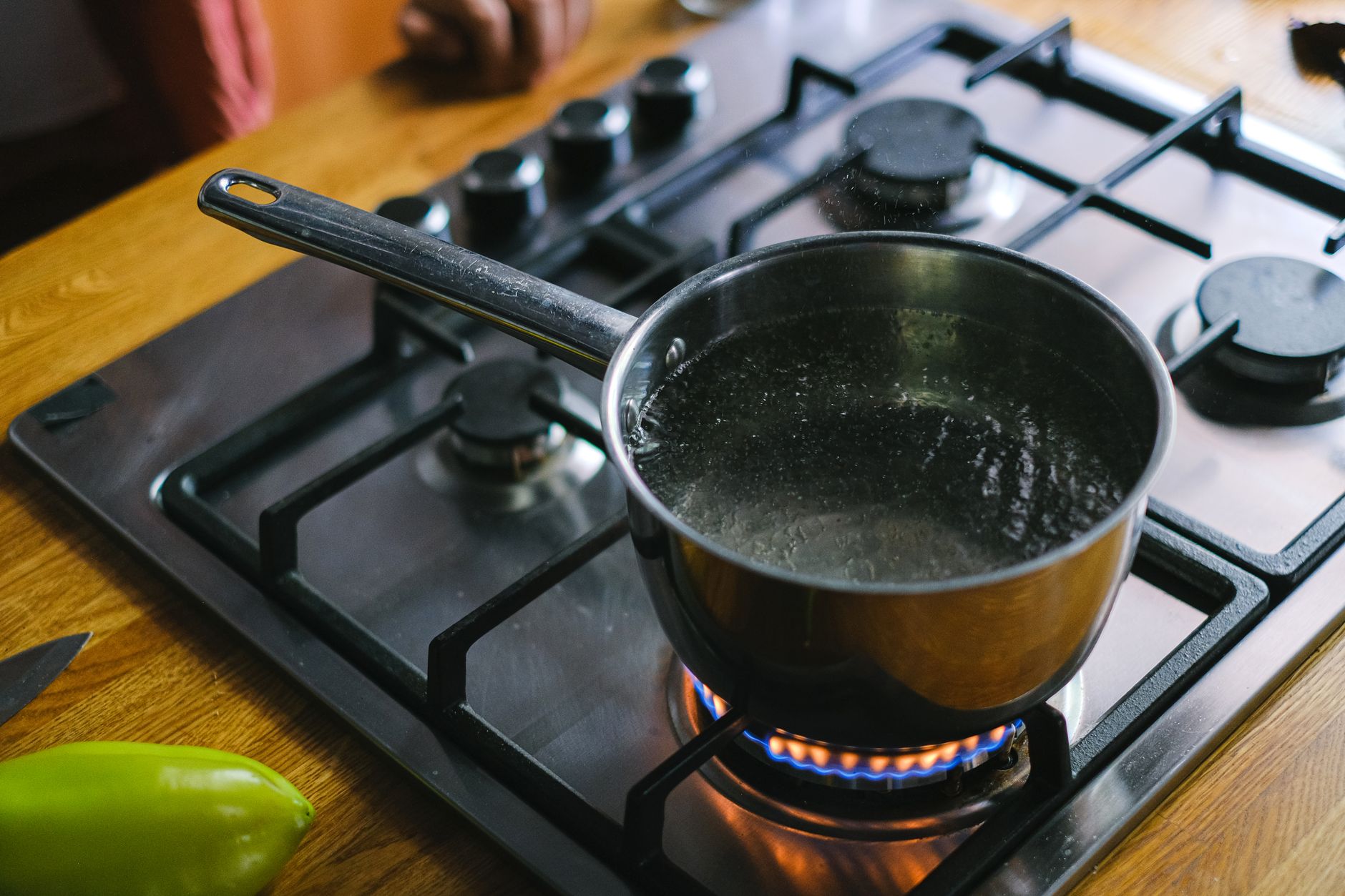
Whether a sex toy can be boiled is not really a question of getting it “cleaner.” It is a question of heat tolerance, structure, and whether the toy contains electronics. Many buyers assume higher heat always means safer care, but that logic breaks down quickly with charging ports, motors, glued seams, coatings, or mixed materials. A practical approach is to identify the material first, check the manufacturer’s instructions, and then decide whether boiling, hot-water rinsing, or a gentler cleaning routine is the better fit.
Start with the material: the label matters more than the hype
The first step is to look for the material listing on the product page or packaging. Medical-grade or high-quality silicone, glass, and metal are often more heat tolerant than soft blended materials, but that does not automatically make them boil-safe. The real weak points are usually the details: seams, decorative parts, internal metal frames, adhesives, or any hidden electronic components. In contrast, TPE, TPR, PVC, and many ABS-based products are more likely to warp, become sticky, or develop surface damage when exposed to boiling water.
- Look for clear material labeling
- Treat motors, batteries, and charging ports as red flags
- Check for seams, coatings, and glued joints
- Assume mixed-material designs need more caution
Silicone, glass, and metal: heat resistant does not mean problem-free
These three materials are often discussed as the easiest to clean, but their care is not identical. Glass and metal usually have smooth, non-porous surfaces and are easier to rinse thoroughly, which is why they are commonly associated with deeper cleaning. Even so, sudden temperature changes can still be a problem, especially if a toy goes straight from use into boiling water. High-quality silicone can also tolerate more heat than many softer compounds, but only when the product is a simple, non-electronic design with no vulnerable inserts or coatings.
In practice, the safest interpretation is simple: a single-material toy with no electronics is the closest candidate for boiling, but even then it is better treated as an occasional deep-clean option rather than a routine habit. Repeated high heat can age materials faster, so gentler cleaning is usually enough for day-to-day care.
Composite and electric toys: high heat is the common trap
The products most likely to fail under boiling water are not always the cheapest ones. Electric toys, rechargeable devices, suction toys, and remote-controlled items usually contain batteries or circuitry, which makes water intrusion a serious issue. Once moisture gets inside, the result is not just poor performance; odor, residue buildup, and internal damage can follow. Composite materials can also separate, discolor, harden, or develop a tacky finish when heat affects different layers unevenly.
- If there is a charging port or button, skip boiling
- Soft-touch coatings and faux-skin finishes need caution
- Transparent gels and scented materials are often more heat sensitive
- “Waterproof” does not automatically mean “boil-safe”
Cleaning routines that are easier and more practical
For most users, everyday maintenance does not need the most aggressive method. Non-electronic toys can usually be cleaned with warm water and a mild cleanser, then dried thoroughly with a clean towel and left in open air until completely dry. Electronic toys should be cleaned only in ways that match the product’s stated water resistance, with extra care around seams and openings. If deeper sanitation is needed, it is still better to confirm the toy’s heat tolerance before using very hot water.
Storage matters just as much as washing. A toy that goes back into a pouch while still damp is more likely to collect dust, lint, and residue. Different materials should be stored separately when possible, especially if one surface is soft or tacky. If lubricant is used, cleaning should happen soon after use so residue does not settle into grooves or texture.
Buying choices that make upkeep much simpler
If the goal is to avoid cleaning headaches later, the best purchase decisions happen before the first use. Clear material labeling, fewer seams, and no complex coatings usually make a product easier to maintain. A simple single-material design with no electronics is much easier to rinse and dry than a toy with multiple layers, decorative parts, or a built-in motor. For first-time buyers, the question is not which product can handle the highest heat, but which one is easiest to keep clean consistently.
- Prefer clear material information
- Keep an eye on seams and layered construction
- Treat electronic parts as a boil-no zone
- When in doubt, use gentle washing and full air-drying
Final take: conservative care is usually the safest path
The answer to whether a sex toy can be boiled depends on material, electronics, coatings, and the product’s construction. Glass, metal, and some high-quality silicone items may tolerate heat better than blended materials, but any charging port, adhesive, or internal component changes the picture fast. When the product is unclear, a gentler cleaning routine with complete drying and careful storage is usually the more reliable long-term choice.
FAQ
Can all sex toys be boiled?
No. Boiling depends on the material, the construction, and whether the toy contains electronics or glued parts. If a toy has a charging port, motor, coating, or mixed materials, boiling is usually not the right choice.
Does silicone always mean boil-safe?
Not always. High-quality silicone is often more heat resistant than blended materials, but internal frames, seams, or electronic parts can still make boiling unsafe. The product instructions are the best reference.
How should electric toys be cleaned safely?
Electric toys should not be treated like simple non-electronic items. Use the cleaning method allowed by the manufacturer, avoid soaking if the toy is not fully waterproof, and dry every opening carefully before storage.
What should someone do if the material is unclear?
If the material or build is unclear, the safer assumption is that the toy should not be boiled. Gentle washing, careful rinsing, and complete air-drying are usually the more reliable options.