For many adults, sex toys are part of a private, enjoyable routine, but cleaning them afterward is often left to guesswork. Some people simply rinse toys under water for a few seconds, while others feel pressured to scrub aggressively with strong cleaners and worry about damaging the product. A more balanced approach starts by understanding how toys interact with skin, body fluids, and lubricants, then matching the cleaning method to the toy’s design and material. This guide walks through practical steps—from quick post‑use rinsing to deeper care and smart storage—so that hygiene becomes a normal part of the experience rather than an awkward afterthought.
Why post‑use cleaning matters: hygiene, comfort and toy longevity
Sex toys spend extended time in contact with sensitive skin and sometimes mucosal areas, which means sweat, natural secretions, and lubricants can remain on the surface after use. If these residues are left to dry, they may contribute to odor, a sticky feel, or visible buildup over time, and many users report that toys feel less pleasant when this happens. At the same time, overdoing it with harsh cleaners or scrubbing can make silicone feel dry, cloud the finish on plastics, or weaken softer materials. The goal of cleaning is not to sterilize toys in a medical sense, but to remove everyday residues and keep the surface as clean and smooth as the product was designed to be. Thinking in terms of regular, gentle care rather than emergency fixes makes it easier to form habits that fit into real‑life routines.
Common materials: silicone, ABS plastic, glass and soft realistic textures
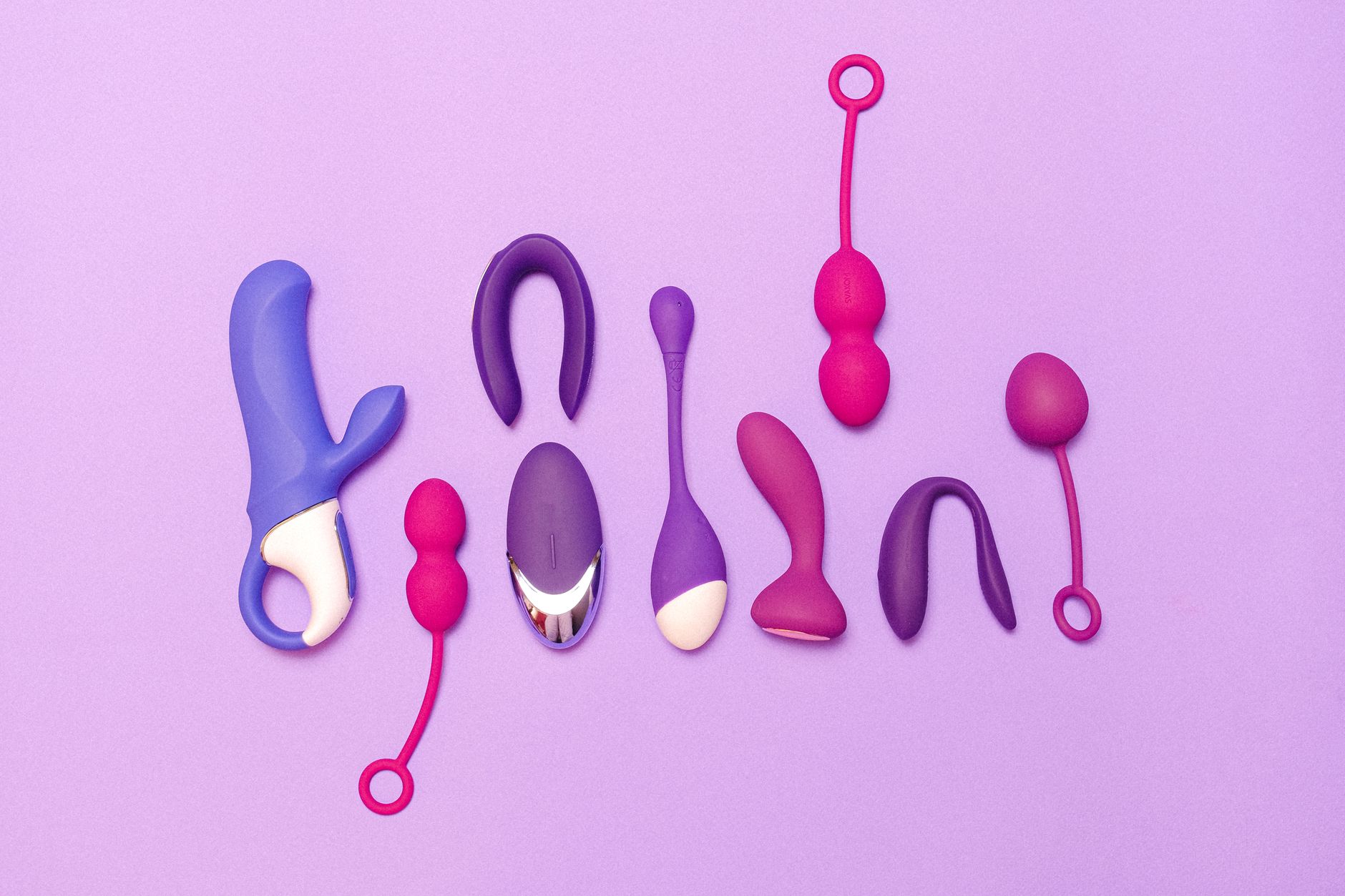
Most modern sex toys are made from medical‑grade or high‑quality silicone, smooth ABS plastic, glass, stainless steel, or softer TPE/TPR materials that aim for a realistic feel. Silicone, glass and stainless steel are generally more robust and easier to care for, especially when the toy is fully waterproof, because they tolerate brief washing under running water with mild soap. ABS plastic is often used for handles, control panels and hard casings; it cleans well, but areas around buttons or seams deserve extra attention so moisture does not sit inside small gaps. Softer TPE or TPR sleeves and strokers feel plush and flexible, but they can be more reactive to high heat or strong chemicals, and users sometimes notice stickiness or discoloration if care is too aggressive. Checking the material and water‑resistance rating in the manual offers a useful baseline: it tells you which toys can be washed under the tap and which ones should be wiped carefully with a damp cloth instead.
Basic cleaning steps right after use: a simple routine that works at home
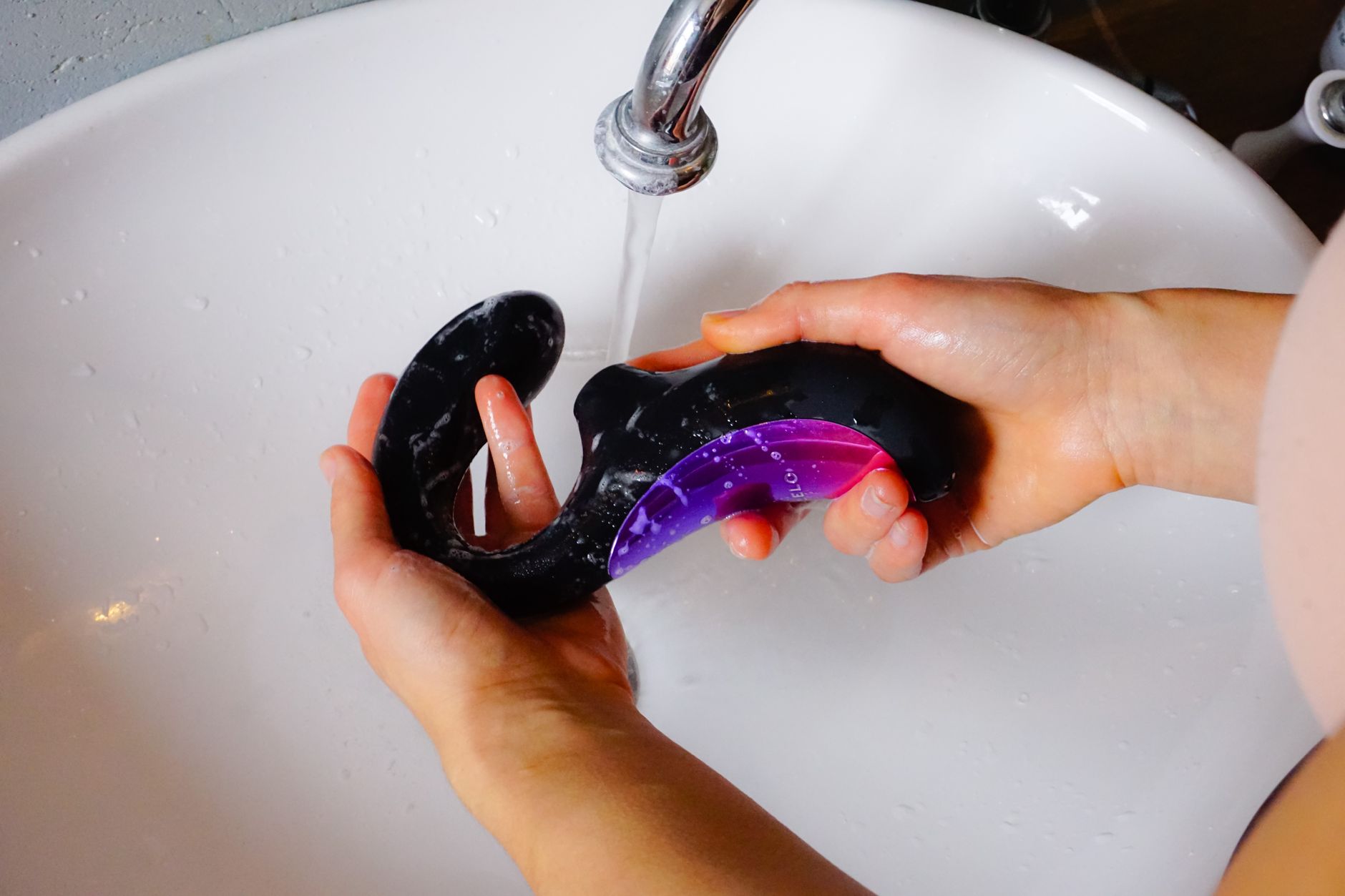
A straightforward routine after each use is usually enough to keep toys feeling fresh and ready for the next session. Many people find the following steps both realistic and effective:
- Power down and unplug: Switch the toy off and disconnect any charging cable before bringing it near water.
- Rinse away surface residue: Use lukewarm water to gently remove lubricants and visible debris from the areas that touched skin.
- Add a mild cleanser: Apply a small amount of unscented soap or a dedicated toy cleaner and lightly rub the surface without scrubbing hard.
- Rinse thoroughly and pat dry: Rinse until no suds remain, then use a clean towel to press away excess water rather than dragging or twisting.
These basics help avoid both over‑cleaning and under‑cleaning. For toys that are not fully waterproof, many users adjust by applying cleanser with a damp cloth instead of running water, focusing on the parts that directly contact the body and keeping control areas only slightly moistened.
When deeper cleaning makes sense: shared toys, long breaks and visible buildup
Beyond everyday rinsing, there are specific situations where more detailed cleaning feels appropriate. Shared toys used between partners, products that have sat unused for a long time in a humid environment, or items that have fallen on the floor and picked up dust may call for an extra round of attention. Many manufacturers offer neutral‑pH toy cleaning sprays or foams designed for intimate products, which can be applied and gently wiped into grooves, textures and seams that regular washing might miss. Some durable materials, such as certain silicone or glass toys, may tolerate brief soaking in lukewarm soapy water if the manual allows, followed by a thorough rinse and complete air‑drying. Strong bleach solutions or prolonged alcohol soaks, however, are usually discouraged because they can change color, finish or flexibility. As with any topic touching intimate health, these tips are general; if a user has specific health concerns, seeking advice from a medical professional is recommended.
Waterproof ratings and motorized toys: keeping water out of the wrong places
Vibrators, suction‑style toys and massage wands rely on internal motors and electronic circuits, so their cleaning routine is shaped by how watertight the design is. Labels such as “splashproof” typically mean the toy can handle quick rinsing under low‑pressure water but should not be immersed, whereas fully waterproof toys are usually designed for shower use and short submersion. While cleaning, it helps to look for charging ports and button areas and avoid directing a strong stream of water straight into these spots. For toys that are only water‑resistant, a damp cloth with a mild cleanser gives more control, and users can work carefully around sensitive edges without soaking the electronics. After washing, letting the toy dry in a well‑ventilated, non‑humid room instead of a steamy bathroom reduces the chance of moisture lingering near internal components. Many people notice that when motors are kept dry and contacts stay clean, toys maintain more consistent performance over time.
Lubricants, oils and residues: preventing stickiness and surface changes
Sex toys are often paired with water‑based lubricants, silicone‑based lubes, massage oils or body lotions, and each of these can leave traces that affect how the material feels if not washed away. For silicone toys, water‑based lubricants are commonly recommended because they tend to rinse off cleanly and are less likely to interact with the base material. Oil‑based products and some rich body creams may form thin films that cling to soft textures, which can contribute to a slightly tacky feel or attract more dust once the toy is stored. A practical approach is to first rinse away most of the lubricant with lukewarm water, then use a modest amount of mild cleanser on the contact areas and rinse again until the surface feels smooth rather than slippery. When users notice the toy becoming noticeably sticky or dull even after careful cleaning, it may be a sign that the material has aged or reacted to long‑term product exposure, and they can weigh whether continuing to use that item still feels comfortable.
Drying and storage: avoiding moisture, friction and crowded drawers
The way sex toys are dried and stored after cleaning has a strong influence on their condition over months or years. Putting a toy into an airtight pouch while it is still slightly damp can trap humidity and make smells or surface changes more likely. A calmer routine involves patting the toy dry with a clean towel, placing it on a flat surface in a shaded, ventilated spot, and waiting until it feels completely dry before storage. Many users prefer fabric storage bags or lined boxes that keep dust away without pressing toys tightly together, as close contact between incompatible materials has been known to cause color transfer or sticking. Separating soft sleeves from silicone or plastic items, and avoiding heavy objects on top of delicate textures, helps preserve shape and feel. For households where privacy is important, a discreet drawer or container that stays cool and dry offers both physical protection and peace of mind.
Signs it may be time to retire a toy: damage, odor and performance changes
Even with thoughtful cleaning, sex toys are not intended to last forever, and recognizing when to phase out an item is part of responsible care. Cracks, tears, obvious deformation, or rough spots that cannot be smoothed by washing can mean the surface is no longer in its intended condition. Persistent odor or stickiness after thorough cleaning may also signal that the material has aged or no longer responds well to regular care. For motorized toys, significantly shortened run time, unreliable buttons or unusual sounds can be cues that internal components are wearing out. Higher‑quality silicone, glass and steel products often stay usable for longer under gentle routines, while very soft or porous designs may naturally have shorter lifespans. Users can combine what the manual suggests with how the toy looks and feels in real life to decide on a replacement schedule that suits their comfort level. As with other intimate topics, any worries about personal health around toy use are best discussed with a qualified professional rather than relying solely on general guides.
Making cleaning part of the ritual: small habits for safer, more relaxed use
When cleaning is treated as an everyday habit instead of a chore, it tends to blend smoothly into personal or partnered routines. Powering the toy down, rinsing with lukewarm water, using gentle cleanser, letting it air‑dry fully, and storing it in a stable, discreet place can all be done in a few quiet minutes. These small steps help toys stay pleasant to touch, reduce concerns about old residue, and encourage more mindful use overall. Many adults find that having a clear routine also lowers the barrier to exploring different products, because they feel better prepared to care for whatever they choose. The information in this article is meant as general, practical guidance; it does not replace medical advice, and anyone experiencing discomfort or uncertainty around toy use is encouraged to speak with a health professional for tailored support.
FAQ
Do sex toys need to be cleaned after every use?
It is generally recommended to clean sex toys after each use with at least a basic routine, such as rinsing with lukewarm water, using a mild cleanser on contact areas, and drying them thoroughly. Regular care helps reduce everyday residue, keeps surfaces feeling comfortable, and supports better hygiene. In situations like shared use or visible dirt, an extra round of more detailed cleaning can be appropriate.
Can I fully submerge my vibrator in water to wash it?
Whether a vibrator can be submerged depends on its water‑resistance rating. Splashproof toys are designed for quick rinsing under low‑pressure water, not for soaking, while fully waterproof models usually tolerate brief immersion and shower use. If the manual is unclear, it is safer to treat the toy as water‑resistant and use a damp cloth with cleanser, keeping charging ports and button areas from sitting in water.
Which kind of lubricant is safest for silicone sex toys?
Water‑based lubricants are commonly recommended for silicone sex toys because they tend to rinse off easily and are less likely to interact with the base material. Some oil‑based or silicone‑based products can leave films that feel sticky or attract dust if not cleaned well. Users who prefer these formulas may still use them but should pay extra attention to thorough washing and consider the toy’s long‑term condition.
When should I consider replacing a sex toy instead of just cleaning it more?
Signs that a toy may be ready for retirement include cracks, tears, rough patches that remain after cleaning, persistent odor or stickiness, and notable changes in performance for motorized products. These changes suggest the toy is no longer in its intended condition, and many people feel more comfortable switching to a new item at that point. Any personal health concerns around toy use are best discussed with a medical professional.