Why cleaning matters more than it looks
Sex toys come into direct contact with the body, so a quick wipe is rarely enough after use. Bodily fluids, lubricant, sweat, and environmental microbes can stay on the surface and get reintroduced the next time the toy is used. That matters even for single-user setups, and it matters even more when a toy is shared, used across different body areas, or stored without drying first.
The main risks: bacteria, fungi, and irritation
When cleaning is skipped or rushed, the most common outcome is not a dramatic problem but a gradual buildup of residue. That residue can lead to odor, sticky surfaces, and irritation on sensitive skin or mucous membranes. If the toy has been exposed to someone else’s bacteria or infection source, the risk can be higher. Several health sources also note that poorly cleaned toys may contribute to infections in genital or urinary areas, especially when shared between partners.
Material makes a real difference
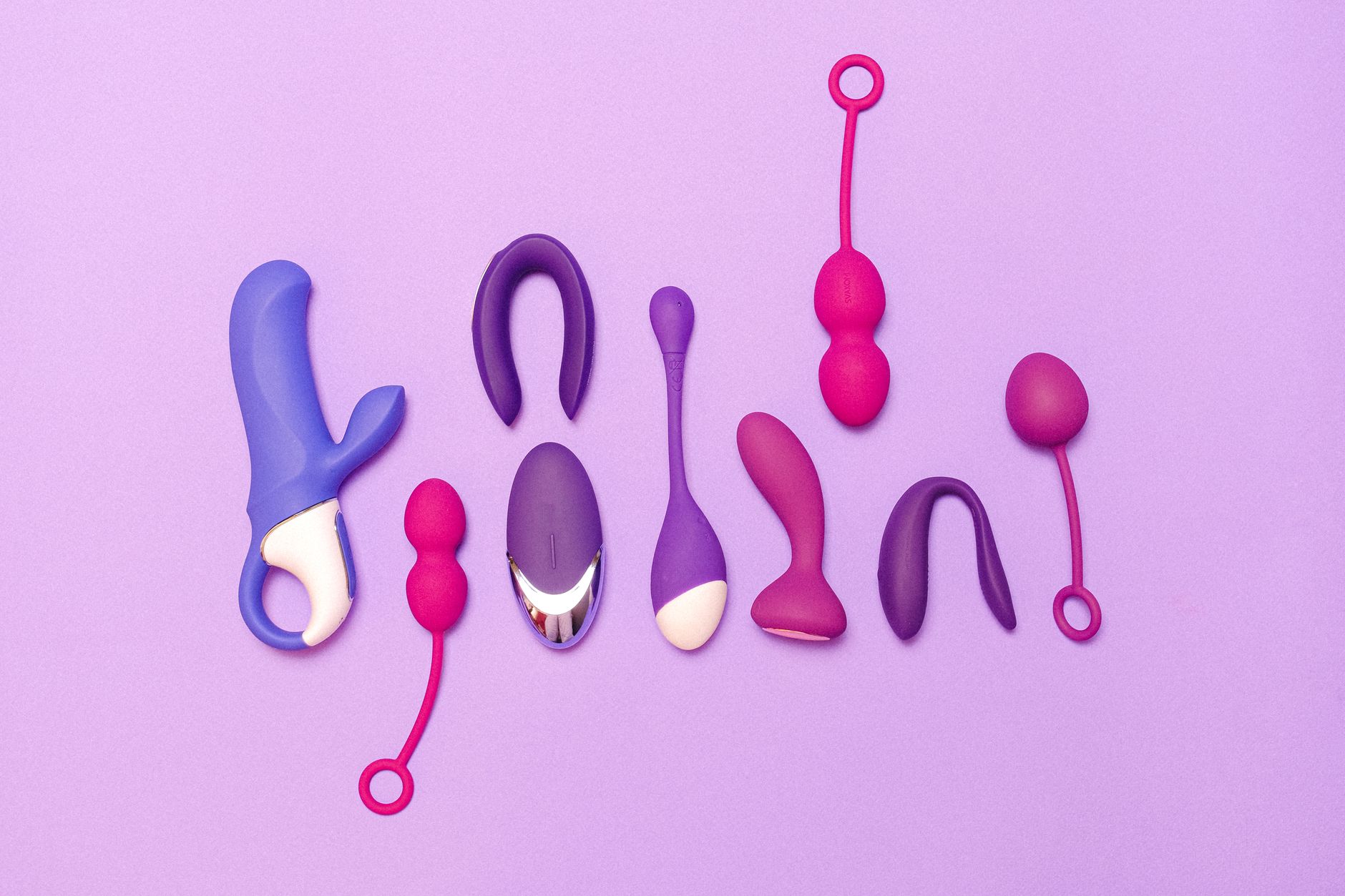
Not every toy is equally easy to clean. Silicone, stainless steel, and glass usually have smoother surfaces, so they are generally simpler to wash and dry thoroughly. Porous or soft gel-like materials are more likely to trap moisture and residue inside tiny openings, which makes cleaning harder. Toys with seams, charging ports, or motor parts also need extra care because trapped moisture can become both a hygiene issue and a durability problem.
Drying and storage are part of hygiene
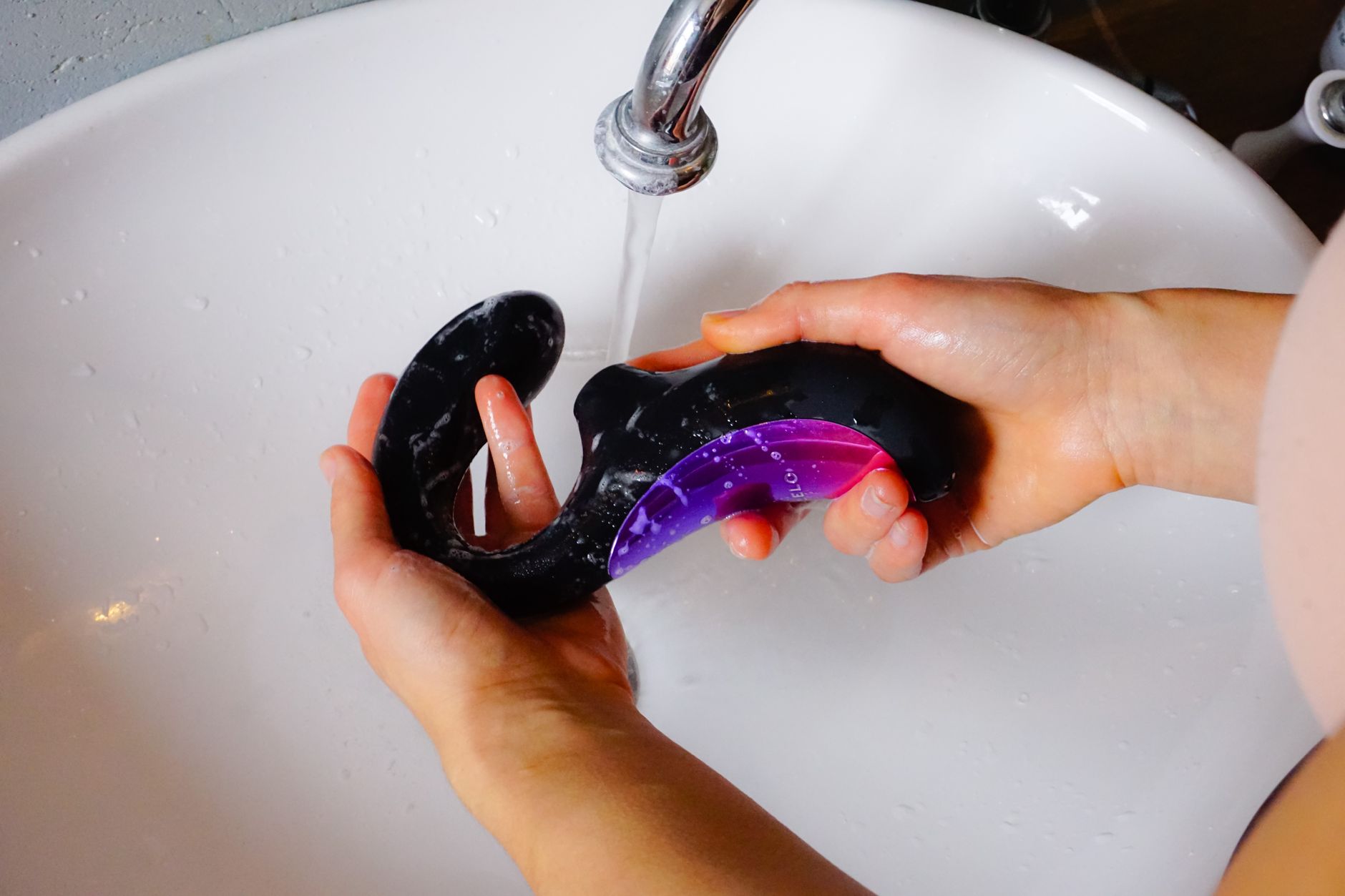
Cleaning is only half the job. If a toy is put away while still damp, moisture can linger in a box or pouch and make the next use less hygienic. A better routine is to wash according to the material, let it dry completely, and store it in a clean, separate, ventilated space. Mixing different materials together can also cause sticking, surface damage, or unwanted transfer of residue.
Situations that deserve extra caution
People often assume that a toy used only by one person does not need much care, but that is not how surface contamination works. Any buildup from fluids, lubricant, skin cells, or dust can matter over time. Extra caution is useful during menstruation, when skin is more sensitive, after frequent use, or if there has been discomfort before. If a person is unsure about a cleaner, a material, or repeated irritation, it is sensible to check with a qualified professional or a trusted retailer.
Practical ways to keep risk lower
The best routine is simple and repeatable: clean after every use, dry fully, and store separately. Shared use calls for clearer hygiene rules, and toys with electronics need water-safe handling. For anyone choosing a new toy, smoother materials, clear labeling, and easy-to-clean shapes usually make maintenance much easier later on.
A quick material comparison
- Silicone: smoother surface, usually easier to clean.
- Stainless steel: stable material, straightforward care routine.
- Porous materials: softer feel, but harder to sanitize well.
- Motorized toys: need careful cleaning around electronic parts.
In short, toy hygiene is not a minor detail but a basic part of safer, more comfortable use. A consistent routine of cleaning, drying, and proper storage can reduce many common issues, while repeated irritation or suspected infection should be checked by a qualified clinician.
FAQ
What are the health risks of not cleaning sex toys properly?
When sex toys are not cleaned properly, residue from bodily fluids, lubricants, sweat, and microbes can build up over time. This buildup may cause bad odors, sticky surfaces, and irritation of sensitive skin or mucous membranes. In some cases, especially when toys are shared, poorly cleaned toys may contribute to genital or urinary infections.
How does the material of a sex toy affect hygiene and cleaning?
The material of a sex toy has a big impact on how easy it is to keep clean and hygienic. Non-porous materials like silicone, stainless steel, and glass usually have smoother surfaces, making them easier to wash and dry thoroughly. Porous or soft, gel-like materials can trap moisture and residue in tiny openings, which makes cleaning harder and can increase hygiene risks over time.
Why are drying and storage important for sex toy hygiene?
Drying and storage are crucial because cleaning alone does not prevent moisture-related issues. If a toy is stored while still damp, moisture can linger in boxes or pouches and create a less hygienic environment for the next use. Letting toys dry completely and storing them in a clean, separate, ventilated space helps reduce contamination and preserves the material.
How often should sex toys be cleaned to reduce hygiene risks?
Sex toys should be cleaned after every use to keep hygiene risks low. A simple routine is to wash according to the material, dry them fully, and store them separately from other items. Extra care is recommended when toys are shared, used frequently, or when there has been previous irritation or discomfort, and consulting a professional is wise if problems persist.