When someone buys a sex toy for the first time, the “add lube?” checkbox often raises more questions than answers. Is lube strictly necessary, or only in certain situations? What is the difference between water-based and oil-based formulas, and does it matter for safety or cleaning? Rather than pushing everyone to buy every product at once, this guide starts from real-life use cases. It explains when extra lubrication tends to increase comfort, how different lube types interact with typical toy materials and condoms, and what cautious users might consider if they have sensitive skin or past discomfort.
When does a sex toy benefit most from extra lubrication?
The main role of lube with sex toys is to reduce friction so contact and movement feel smoother and more predictable. For external toys such as clitoral vibrators, wands used on shoulders, or broad massage heads, many people find they can use them dry as long as the surface glides without tugging. In contrast, toys designed to enter the body or sit close to mucous membranes, like insertable wands, anal plugs or strokers, are more often described as noticeably more comfortable with a thin layer of lube. Extra slip lets users focus on sensations rather than worrying about drag or resistance. Even those who rarely feel dryness sometimes appreciate having a simple bottle of lube nearby for longer sessions or more intense play, simply to create more margin for comfort.
Water-based lube: easy to clean and widely compatible
Water-based lube is the most common option on mainstream shelves, and it is usually the easiest for beginners to work with. Its texture is typically light and fluid, and it rinses off with warm water relatively easily. A key advantage is compatibility: most latex condoms, silicone toys and period products are designed with water-based lubrication in mind, so there is less guesswork about whether they can be used together. Many users also like how controllable water-based formulas feel; if too much is applied at once, they can pause, blot a little with a tissue, and adjust. The trade-off is that water-based lube tends to dry out over time, especially in warm rooms or during long sessions, so a small top-up is often needed. When choosing, sensitive or cautious users often look for short ingredient lists, fragrance-free labels and moderate use of alcohol, preferring simpler formulas as a default and seeking professional medical advice if they have ongoing concerns.
Oil-based lube and oils: thick texture with extra considerations
Oil-based products, including some branded lubes as well as massage oils and body oils, often feel richer and more long-lasting on the skin. This texture works well for slow body massage or sensual touch that stays mainly on the surface. However, once condoms or certain toy materials enter the picture, oil requires more care. Some oils can weaken latex condoms over time, raising the risk of damage, so they are generally discouraged in condom-focused scenarios. Oil also clings more stubbornly to porous materials, and toys with softer or textured surfaces may be harder to get completely clean if heavy oil is used repeatedly. For many people, this leads to a practical division: water-based lube for insertable toys and condom use, oil-based products reserved for massage or non-penetrative play where condom stability is not the main concern.
Matching lube with common sex toy materials
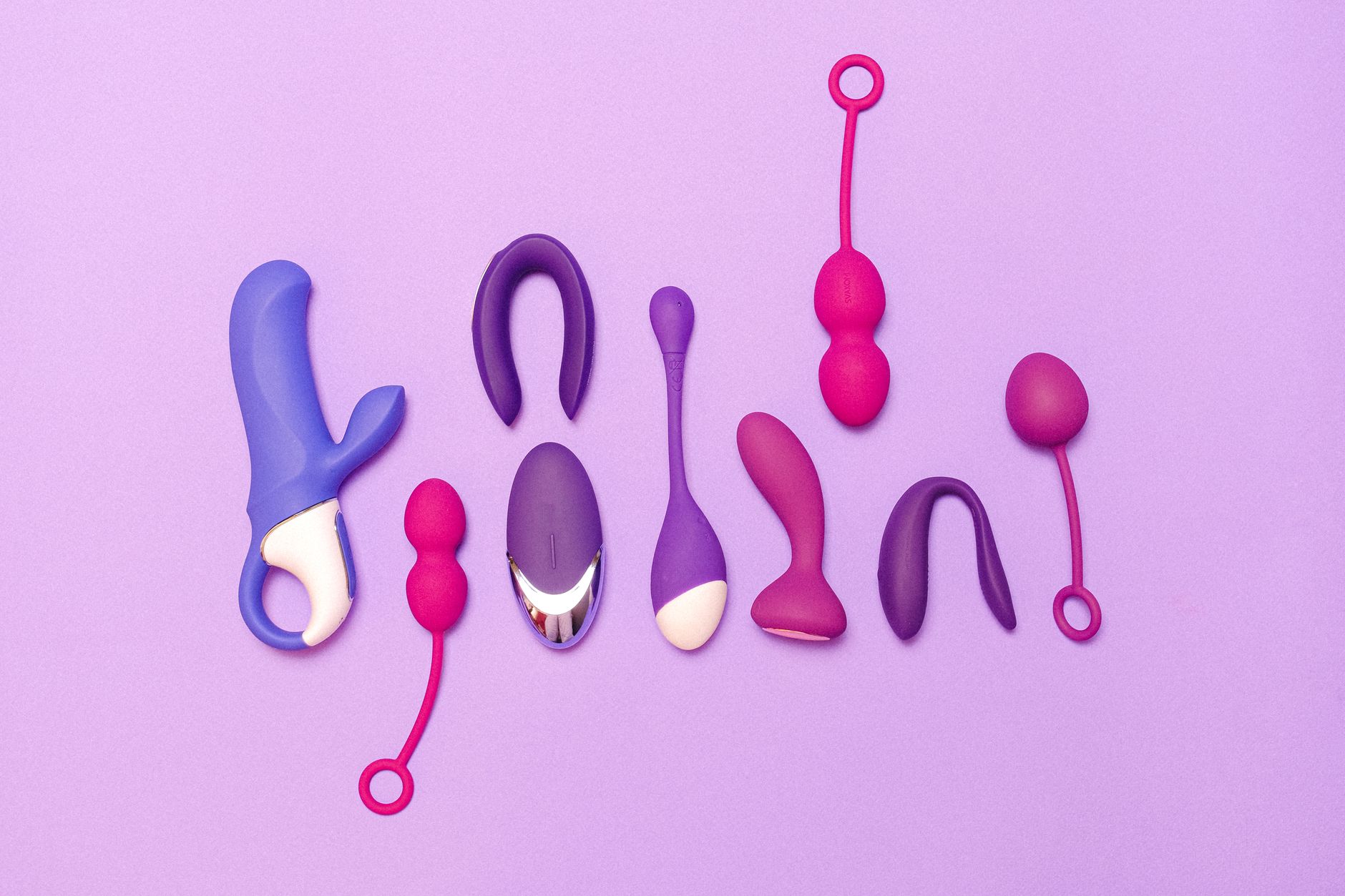
Sex toys come in several popular materials, including silicone, ABS plastic, glass, metal and various elastomers. Each interacts differently with lube. High-quality silicone toys are most often paired with water-based lube because this combination is easy to clean and broadly recommended. Some brands state that their silicone can work with certain silicone-based lubes, but they usually advise checking compatibility or spot-testing on a small area rather than covering the whole toy immediately. Glass and stainless steel toys are more flexible in terms of lube type: both water-based and many oil-based products can be used, provided ingredients are gentle and toys are washed thoroughly afterwards. Softer, more porous or composite materials call for closer attention to the manufacturer’s instructions, since long-term exposure to oil or certain additives might affect surface feel or longevity. Reading the packaging and following care recommendations is often more reliable than copying a single online tip.
Condom compatibility: safety and contraception come first
In partnered play where condoms are used for contraception or STI protection, lube choice has an extra layer of importance. Standard latex condoms are generally paired with water-based lube, and some are already lightly lubricated out of the package. Adding a small amount of extra water-based lube on the outside can help reduce friction, but piling on multiple products may not be necessary. Oil-based lube and many household oils are not recommended with latex because prolonged contact can compromise the material. When in doubt, users are often advised to stick to water-based lubes labeled as condom-compatible and to avoid experimenting with oils on the condom itself. Since contraception and infection risk are health-related issues, decisions about products and methods are best discussed with medical professionals where needed, and the information in this article is intended only as a general reference for adults rather than personal medical advice.
Typical scenarios: beginners, couple play and sensitive skin
Beginners buying their first toy often wonder whether they should always include lube in the order. Those starting with small external vibrators or cradle-style toys may try them dry first, adding water-based lube later if they notice pulling or tightness. In couple play, lube can be part of the atmosphere as much as the sensation: some pairs prefer neutral, unscented formulas that “disappear” into the background, while others enjoy light fragrance or massage-friendly textures that extend foreplay. People with sensitive skin or a history of discomfort may approach lube more cautiously, favoring fragrance-free water-based products, testing on a less sensitive area before intimate use, and seeking professional medical input if they notice recurring irritation. For them, ingredient transparency and clear labeling are often just as important as how slippery the product feels.
Practical tips for using and cleaning after lube
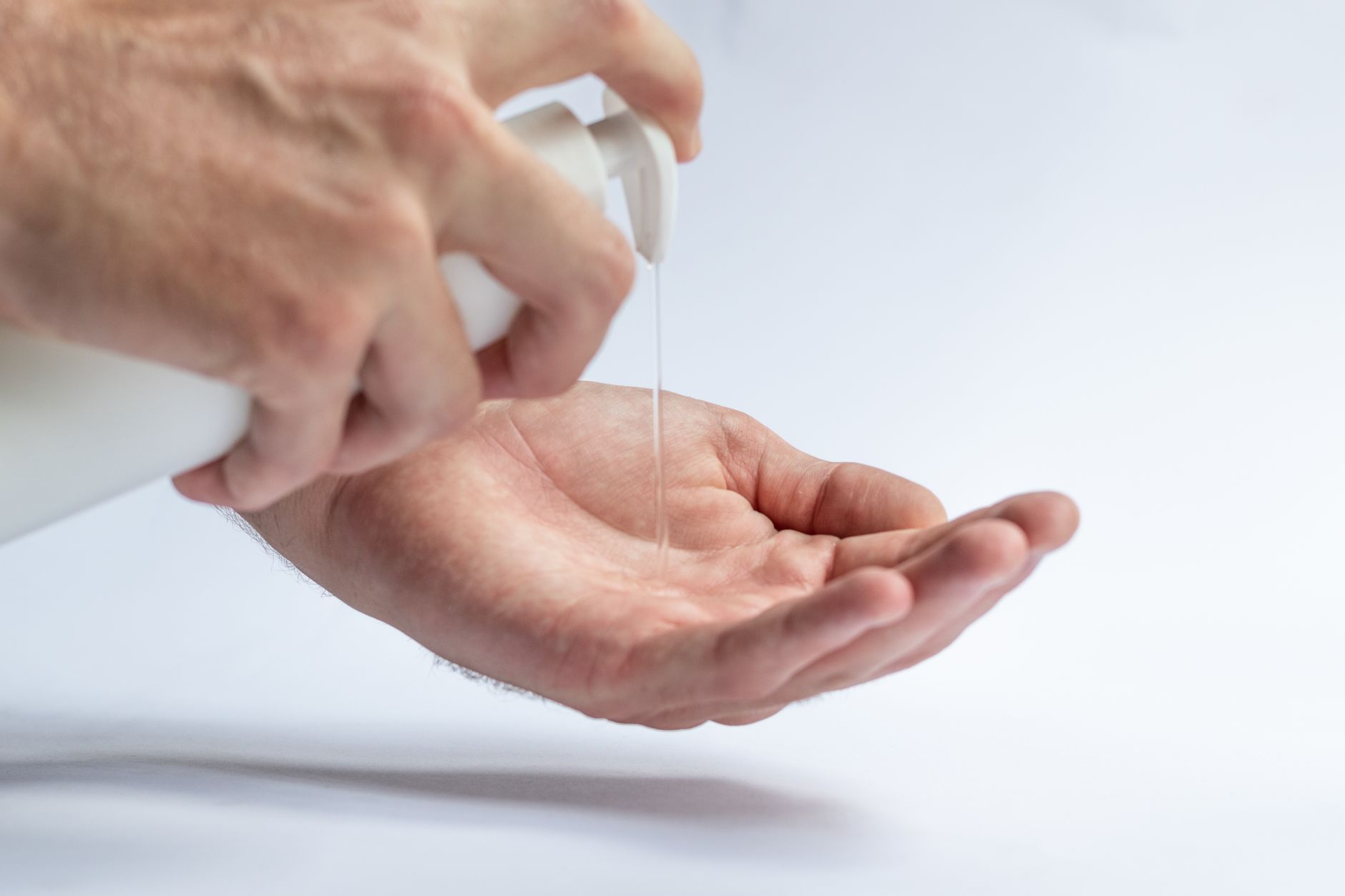
A simple patch test before intimate use can help users gauge how their skin reacts to a new lube. Applying a drop on the inner forearm or wrist and waiting a short time for any strong stinging or redness gives an early signal. During play, many people prefer to dispense lube into their palm first, then apply it to the toy or body in a controlled way, rather than squeezing directly on sensitive areas. This makes it easier to control temperature and amount. After the session, cleaning habits matter for long-term comfort and toy care. Water-based lube usually rinses off with warm water and mild, body-safe soap, while oil-based products may require longer washing and careful drying to remove residue. Allowing toys to air-dry fully before storing them in a cool, low-humidity place helps maintain material quality and makes the next use feel fresher and more predictable.
Final thoughts: lube is optional, comfort-driven and personal
There is no one rule that says sex toys must always be used with lube, but many people find that having the option nearby lowers pressure and improves comfort, especially with insertable designs. Thinking of lube as a supportive accessory rather than a requirement can make choices feel more flexible: users can start simple with a single water-based product, observe how their body responds, and only branch into other types when they have a clear reason. All guidance here is meant for adult readers as general information, not as a substitute for individualized medical advice. Anyone experiencing ongoing pain, irritation or health concerns around intimacy is encouraged to consult a qualified professional, then use lube and toys as part of a considerate, well-informed routine rather than a source of worry.
FAQ
Do all sex toys need to be used with lube?
Not every toy must be used with lube, and comfort needs differ from person to person. External toys such as broad massage wands or some clitoral vibrators can often be used dry if they glide smoothly without tugging. Insertable toys or toys used near mucous membranes are more likely to feel comfortable with a thin layer of lube, because it reduces friction and lets users focus on sensations rather than resistance. Having one simple water-based lube on hand gives most adults more flexibility without forcing lube into every scenario.
What is the main difference between water-based and oil-based lube with sex toys?
Water-based lube is generally easier to rinse off, widely compatible with latex condoms and many silicone toys, and tends to be the default choice for insertable play. Oil-based lube and body oils feel richer and last longer on the skin, so they work well for massage and slow touch, but they are less suitable with latex condoms and some porous materials. Because oil can cling and may affect certain materials over time, many users reserve it for condom-free body massage and rely on water-based formulas for toy use and contraception-focused situations.
How can I tell if a lube is safe to use with condoms?
Packaging usually states whether a lube is compatible with condoms, and checking those labels is more reliable than guessing. Water-based products marketed for sexual use are commonly described as condom-friendly. Oil-based lubes, household oils and some balms are generally discouraged with latex condoms because they can weaken the material over time. Since contraception and infection risk involve health considerations, readers with specific questions about protection are encouraged to consult medical professionals, and treat online guides as general information rather than personalized advice.
What should someone with sensitive skin consider when choosing lube?
People with sensitive skin often look for short, transparent ingredient lists and avoid strong fragrances, dyes or high alcohol content. Testing a small amount on the forearm before intimate use can help them notice any stinging or redness early. Many choose fragrance-free water-based lube as a starting point and keep notes on which products feel comfortable over time. If discomfort or irritation keeps recurring, discussing options with a healthcare professional is advisable so that lube choices fit into a broader, medically informed plan for intimacy and self-care.