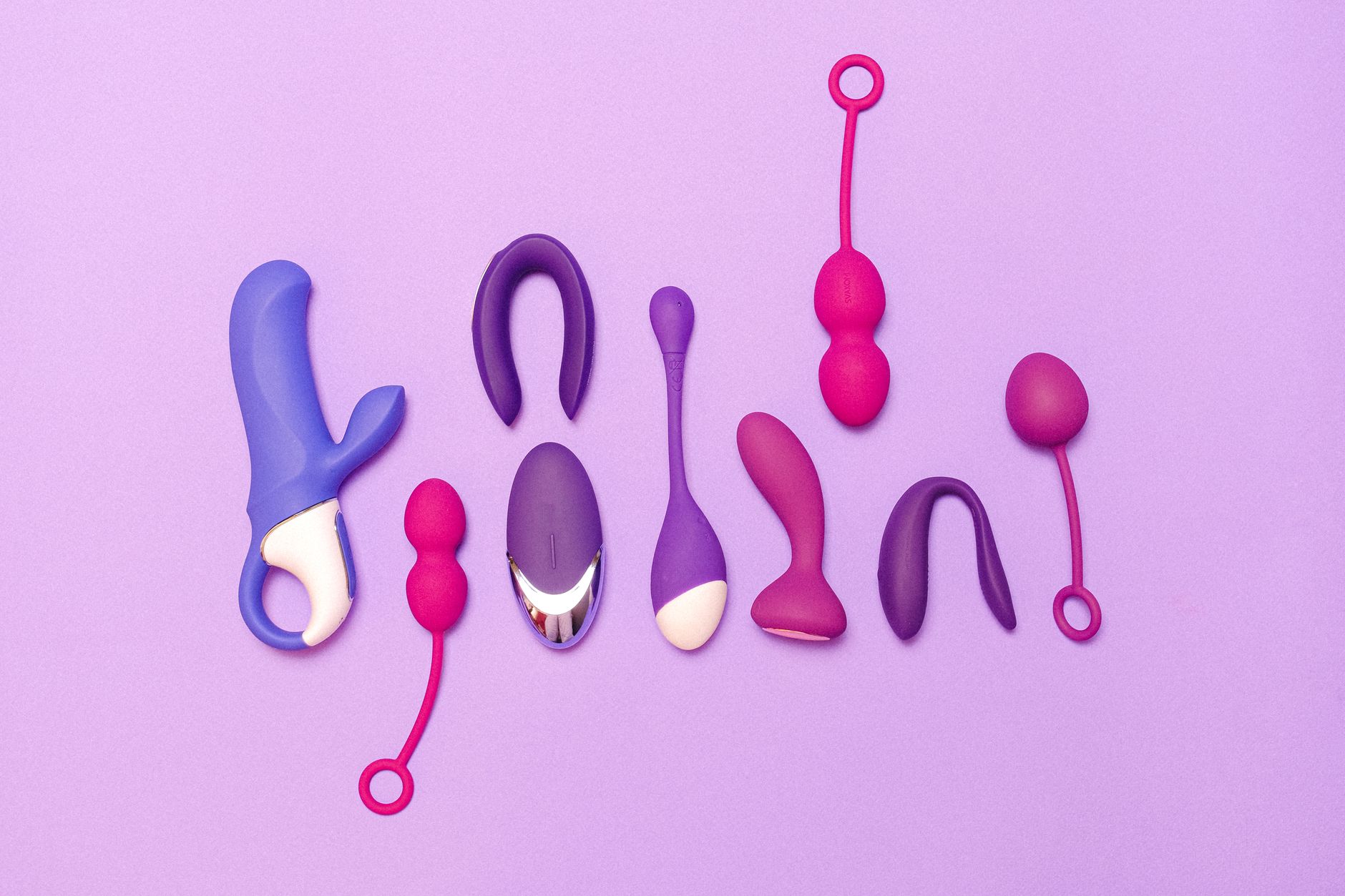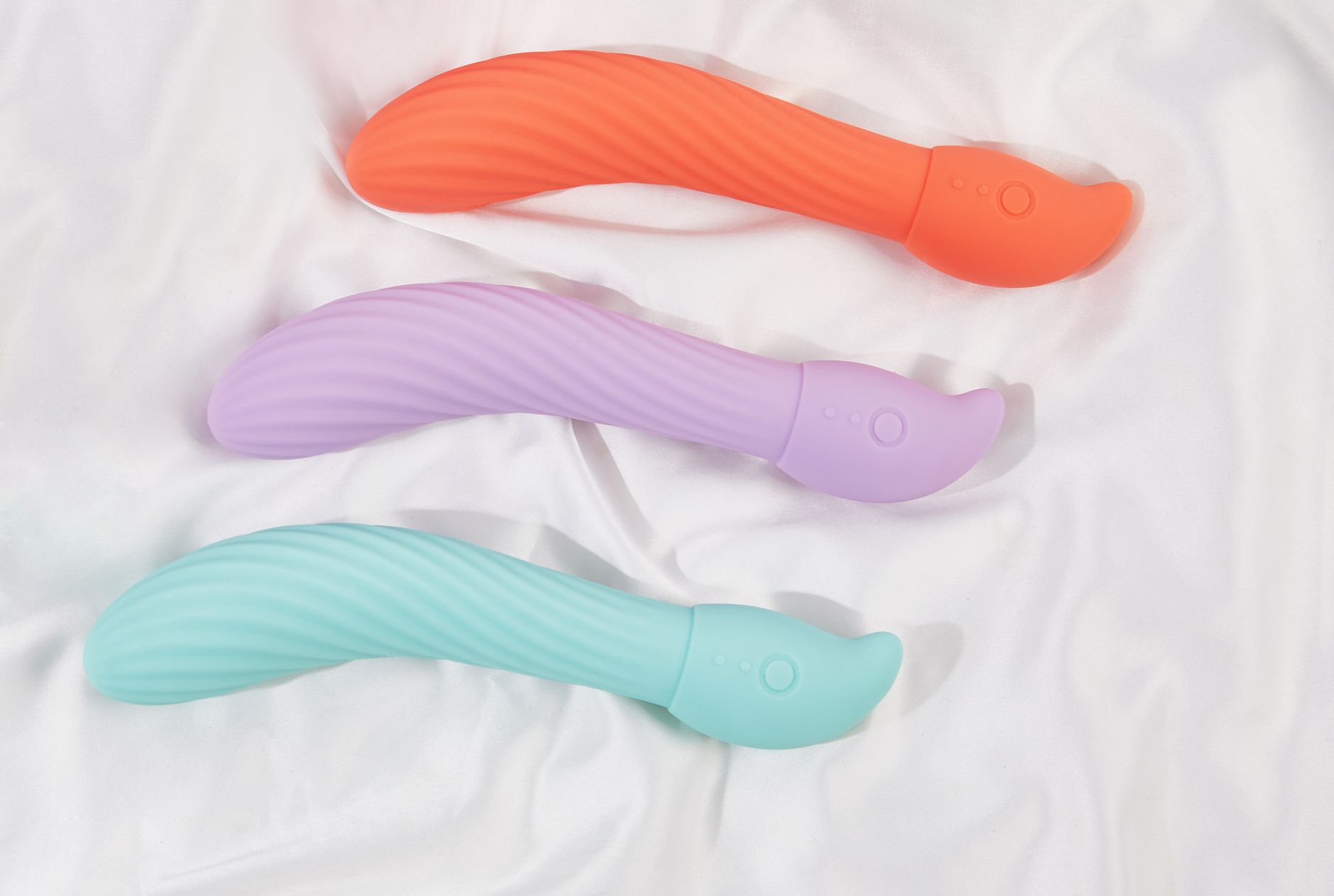
For many adults exploring sexual wellness, the first step into sex toys is often blocked by a simple but important question: what do all these materials actually mean. Product pages frequently mention silicone, TPE and ABS without explaining how they feel in the hand or what they imply for day‑to‑day use. This article focuses on these three common materials, looking at texture, structural stability, cleaning routines and storage habits that tend to matter in real life. The goal is not to promote any specific brand, but to provide a clear framework that helps readers match their own preferences with practical considerations around safety, comfort and privacy, while remembering that material information is general guidance and not a medical recommendation.
Why material choice shapes the sex toy experience
Material is more than just how soft or firm a toy feels at first touch. It influences how much micro‑texture sits on the surface, how easily lubricants and bodily fluids cling to or wash off, and how forgiving the toy is when exposed to heat, humidity or friction over time. For beginners, a material that is straightforward to clean and dry can keep anxiety lower and reduce the sense of hassle after use. More experienced users often notice how different materials transmit vibration, how much weight they add in the hand and whether the surface feels closer to everyday skin contact or more mechanical. Thinking about material as part of overall experience, rather than only as a technical label, helps adults choose toys that match their comfort level, living environment and privacy needs.
Silicone: smooth touch, stable structure and slightly higher price point
Silicone has become one of the most widely discussed materials in modern sex toys, especially in vibrators, wands and suction devices. When finished well, silicone usually presents a smooth or slightly matte surface that feels soft yet supportive, without the wobbly sensation of gel‑like plastics. Many users appreciate silicone because it can remain structurally stable in typical household conditions and tends to work well with water‑based lubricants when cleaned adequately. At the same time, products with generous silicone coverage often sit at a mid to higher price tier compared with simpler plastic shells, which may feel like a conscious investment for someone just starting out. Silicone toys also benefit from patient drying after washing, particularly around curves and edges, so that the surface stays pleasant to touch over repeated sessions.
- Common in mid‑range vibrators, suction toys and massage wands
- Typically paired with water‑based lubricants for everyday use
- Soft, supportive feel without excessive wobble
- Often priced above very basic plastic toys and needs proper drying
TPE: highly flexible and lifelike yet more sensitive to storage conditions
TPE (thermoplastic elastomer) is frequently used in toys that emphasise lifelike sensation, such as the inner sleeves of strokers, realistic dildos and body‑shaped toys with pronounced ridges or textures. Its main appeal lies in high flexibility and softness, which allow designers to sculpt detailed channels, folds and cushioning that closely mimic certain body impressions. This can be attractive to users seeking deep enveloping sensations rather than just surface contact. On the practical side, TPE tends to be more sensitive to heat, direct sunlight and incompatible materials stored next to it, which can influence colour or feel over time. The surface often carries more micro‑texture, so paying attention to thorough cleaning and complete drying is particularly important. Adults who enjoy realistic textures can benefit from TPE, provided they are willing to follow a consistent care routine.
- Common in stroker sleeves, realistic dildos and lifelike toys
- Very soft and flexible, suitable for detailed internal textures
- More sensitive to heat and light, calling for careful storage
- Requires thorough cleaning and drying as part of regular care
ABS plastic: firm shells and lightweight bodies with a more mechanical feel
ABS is a hard plastic commonly found in the outer shells and handles of sex toys, as well as in internal components protecting motors and electronics. In many entry‑level products, the main structural frame is made of ABS, sometimes combined with softer materials at contact points. Its typical surface feel is smooth and cool, with a clearly firm touch, which can suit users who prefer pinpoint pressure or distinct vibration transfer. For others who favour enveloping softness, ABS may feel too mechanical on its own, though it works well when paired with silicone or TPE overlays. From a practical viewpoint, ABS is relatively easy to wipe down with a damp cloth, as long as openings and battery compartments are kept away from excessive moisture. Paying attention to finishing quality, such as seams or corners, helps ensure that the toy feels comfortable against the skin even when its structure is very rigid.
- Common in bullet vibes, egg shells, handles and internal housings
- Firm, smooth surface with a light overall weight
- Simple to clean with gentle wiping while avoiding motor openings
- Best suited to users who enjoy concentrated stimulation or solid structure
Comparing silicone, TPE and ABS across everyday safety and usability
In practice, these three materials rarely appear in isolation; many sex toys mix them to balance comfort, realism and durability. Silicone often forms the external surface that touches skin, TPE is used where designers want deeply textured or highly flexible sections, and ABS anchors the mechanical core. Some toys that look fully silicone on the outside may still have ABS inside for support, which is why checking the product description and manual matters. For beginners, toys that combine a silicone contact surface with a simple ABS handle can offer a good compromise between approachable feel and manageable price. More experienced users might selectively rely on TPE for certain realistic sensations while reserving silicone‑heavy toys for frequent routines. Whatever the combination, reading the manufacturer guidelines on lube types, cleaning and storage adds an extra layer of confidence when using intimate devices.
Cleaning, storage and age‑related precautions
Beyond material selection, daily care habits strongly shape how long a sex toy remains pleasant to use. Silicone and TPE toys generally benefit from cleaning with lukewarm water and a mild cleanser, followed by patient air‑drying before they go back into a pouch or storage box. Harsh solvents or aggressive chemicals are best avoided unless a manufacturer specifically describes suitable options. ABS housings can often be wiped down with a soft damp cloth, with attention given to avoiding water ingress around control buttons, charging ports or battery doors. To protect both the toys and household privacy, adult readers can store devices out of easy reach for children, in locations that are dry and reasonably ventilated. Information in guides like this is intended for general orientation only; anyone with sensitive skin, ongoing conditions or questions about intimate products should seek personalised advice from a medical or other qualified professional.
Matching material choices to beginner and advanced user profiles
For someone buying a sex toy for the first time, a straightforward design with clearly listed materials and simple controls is usually the least stressful starting point. A vibrator that combines a silicone body with an ABS handle, for instance, can keep cleaning simple and make the device feel familiar in the hand. As the person gains experience and begins to notice which sensations feel most comfortable or exciting, they may branch out into more complex TPE designs or multi‑material toys that offer diverse textures. Regular users can also proactively separate toys by usage pattern, reserving more robust silicone‑heavy designs for frequent sessions and treating detailed TPE pieces as special‑occasion items that receive extra care. Across all profiles, thinking in terms of “material, cleaning and storage” as one integrated decision helps adults maintain sexual wellness with a calm, practical mindset rather than relying on impulse alone.
FAQ
How should beginners choose between silicone, TPE and ABS when buying a sex toy?
Beginners often benefit from starting with simple designs that list materials clearly and are easy to clean, such as a silicone‑bodied vibrator with an ABS handle. Silicone tends to feel smooth and supportive with straightforward care, while TPE is more focused on lifelike softness and detailed textures. ABS shells usually appear in compact bullets or egg‑style toys and feel firmer. These points offer general guidance only; anyone with skin sensitivities or health concerns is encouraged to discuss personal risks and options with a qualified professional before use.
What types of lubricant are typically used with silicone sex toys?
Many silicone toys are intended to be used with water‑based lubricants, which tend to be easier to rinse off and less likely to interfere with the surface when used as directed. Individual brands may provide specific recommendations or cautions about certain ingredients, so reading the product manual or packaging is important. If there is any doubt about compatibility, users can try a small test patch away from sensitive areas or contact the manufacturer or a professional for personalised advice.
Why does TPE require more attention to storage and long‑term care?
TPE is highly flexible and soft, which makes it ideal for detailed, lifelike textures but also more reactive to heat, direct sunlight and close contact with incompatible materials. Over time, these conditions can alter its appearance or feel. Thorough cleaning, complete drying and storage in a cool, dry place away from strong light help maintain a more consistent experience. Any powders or extra care products should be used according to manufacturer instructions rather than improvised, and health‑related questions are best taken to a medical professional.
Can adults rely solely on online guides for decisions about intimate products and health?
Online guides are useful for understanding general differences between materials, design features and everyday care routines, and they can help adults ask more informed questions. However, they cannot replace direct consultation with healthcare or other relevant professionals, especially when existing conditions, allergies or pain are involved. It is safer to treat online information as educational background and combine it with personalised advice when making decisions that affect sexual health or overall wellbeing.