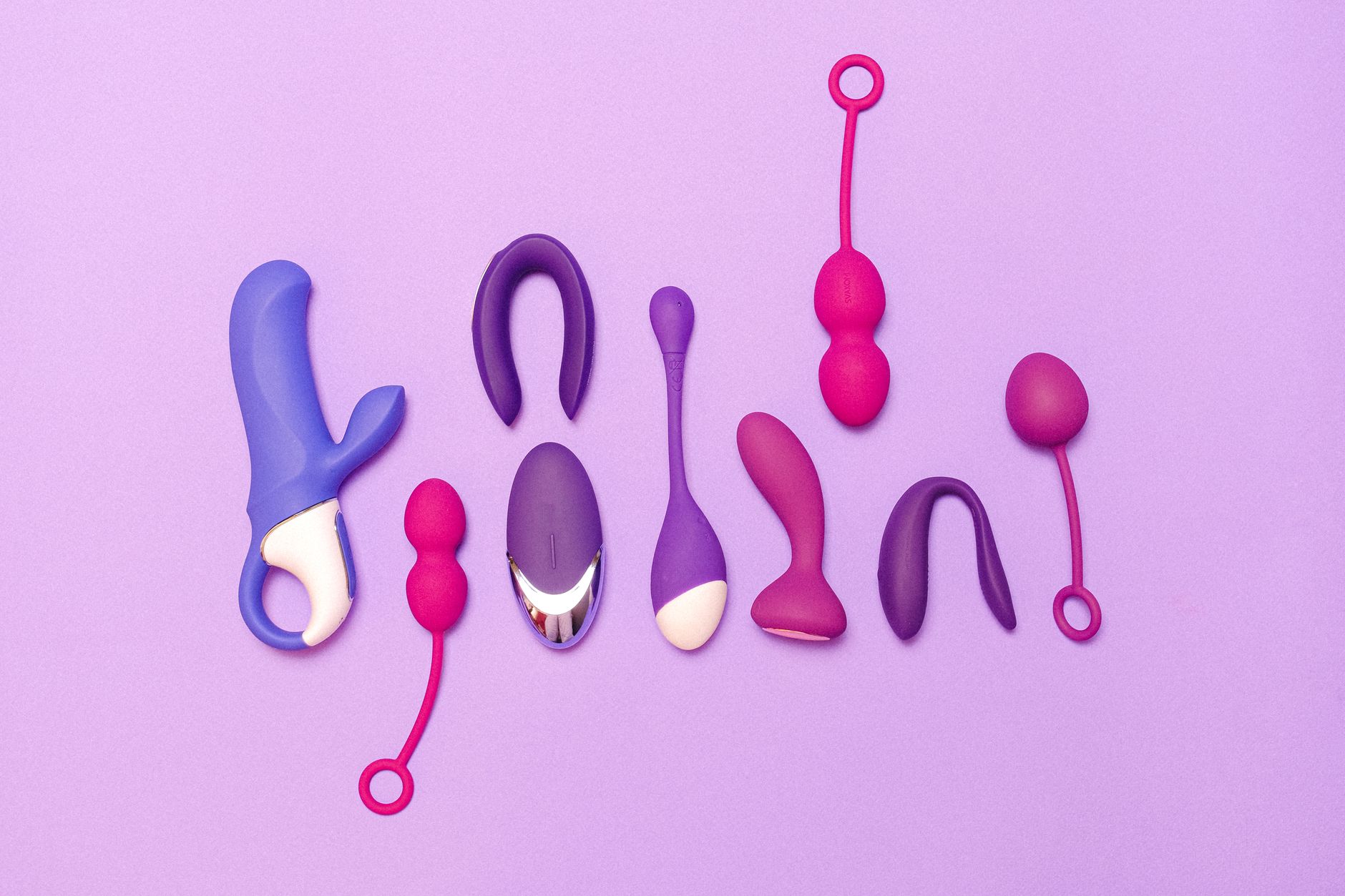
For many people, the first reaction to sex toys is not curiosity but worry: Will my body be damaged? Will I become dependent and lose interest in real partners? Such fears are often shaped by patchy information, moral panic and exaggerated media scenes rather than practical experience. In reality, sex toys are tools, like any other personal item, and their impact depends heavily on how they are chosen and used. When material safety, intensity, duration and communication are handled with care, most common concerns can be translated into clear, manageable guidelines. This article focuses on debunking popular myths around being “broken”, addiction and relationship impact, using a grounded, non‑judgmental tone to help readers make decisions that match their own comfort level and circumstances.
Do sex toys make your body loose or permanently damaged?
One widespread fear is that vibrators, suction toys or strokers will stretch tissues and leave the body loose or permanently changed. Human tissues and muscles are naturally elastic and designed to tolerate a range of sensations in daily life, from exercise to intimacy. Brief stimulation from a toy is not the same as medical trauma or invasive procedures. What matters is whether use involves pain, tearing, friction due to dryness or pushing through obvious discomfort. High intensity or very long sessions without listening to the body can lead to temporary soreness or irritation, similar to overdoing a workout. Instead of focusing on the vague idea of being “broken”, a more practical approach is to check how the body feels after each session: Is there lingering soreness when walking, visible redness that does not fade, or burning discomfort? If worrying symptoms persist, pausing use and consulting a qualified healthcare professional is advisable, especially for people with existing health conditions.
Can sex toys make partnered intimacy feel less satisfying?
Another common worry is that “electric stimulation is too strong, so real partners will never measure up”. This concern is more about patterns of stimulation and expectations than about toys themselves. Many devices offer steady, intense sensations and quick build‑up; if every solo session focuses on fast, narrow stimulation on one spot, the brain may begin to associate pleasure mainly with that pattern. Switching back to slower, interactive partner intimacy can then feel unfamiliar, much like adjusting from short‑form clips to a full‑length movie. The eyes are not damaged by the change in format, but attention needs time to recalibrate. In practice, many users consciously choose gentler modes when playing alone, spread out arousal with more touch or fantasy, and sometimes pause midway to notice non‑genital sensations. This kind of varied pacing helps the nervous system respond to different types of intimacy, making it easier to enjoy both solo toys and partner touch as complementary experiences rather than rivals.
What does “dependence” on sex toys actually look like?
People often say they fear becoming “addicted”, yet the term is rarely defined in everyday conversations. Some warning signs can be observed in daily functioning. One is strong agitation or distress if a toy is unavailable, to the point that normal routines feel impossible without it. Another is repeatedly sacrificing important responsibilities—such as sleep, work deadlines or social commitments—in order to use toys. A third is losing flexibility and rejecting other forms of closeness, including talking, cuddling or non‑sexual affection with a partner. When these patterns are absent and toy use fits into an otherwise balanced life, most professionals would describe it as a preference or coping strategy rather than clinical dependence. If someone feels stuck in compulsive use, accompanied by guilt or shame and difficulty stopping, reaching out to a mental health professional can be helpful. A neutral space allows exploration of underlying stress, loneliness or pressure that may be driving the behavior.
Material choice, intensity and cleaning matter more than abstract fears
Compared to abstract worries about being harmed or addicted, material safety and intensity are concrete factors that directly affect comfort. Choosing toys made from body‑safe materials such as medical‑grade silicone, and avoiding items with unclear plasticizers or strong odors, reduces unnecessary irritation. Matching the lube to the toy material and ensuring adequate moisture can lower friction. For beginners, simple designs with softer vibration—such as compact wands or small external stimulators—often feel less intimidating and more forgiving while the body learns new sensations. Cleaning is equally important: toys that contact bodily fluids should be washed with mild soap and water or according to the manufacturer’s guidelines, then allowed to dry completely before storage. Sleeve‑type strokers or textured tunnels need extra attention to inner surfaces and ventilation, otherwise trapped moisture can create unpleasant conditions. Paying attention to these tangible details helps create a safer, more comfortable experience than relying on vague fears or hearsay.
Bringing sex toys into a relationship: boundaries and dialogue
In couple dynamics, sex toys can trigger insecurities such as “If you want a toy, does that mean I’m not enough?”. Many users, however, treat toys as optional extras that expand their menu of experiences rather than replacements for their partner. The key is how they are introduced and discussed. Instead of surprising a partner with a new device mid‑interaction, it often works better to talk about desires and curiosity during a relaxed moment, and explain honestly why a certain toy seems interesting—perhaps to explore different rhythms, address busy or distracted periods, or support arousal when stress is high. Boundary‑setting should be explicit: for example, agreeing on when toys are used, who stores them, whether photos or videos are off‑limits, and how either person can say no on a given day. Clear agreements can turn toys into tools for trust and mutual exploration, rather than silent sources of tension or comparison.
For those still unsure: start with self‑knowledge and professional support when needed
If someone is still on the fence about buying or using a sex toy, rushing into a purchase is rarely necessary. It can be more helpful to first understand personal comfort zones: What kinds of touch feel welcome or overwhelming? How does solo time fit into emotional and physical needs? Is there curiosity about certain sensations, or more interest in enhancing partner time? Once that picture is clearer, product details such as material, safety labeling, cleaning steps and noise level can be evaluated against real‑life circumstances, including shared housing situations. People with chronic health conditions, pelvic symptoms or specific medical histories may benefit from discussing potential use with a healthcare professional or sex‑health counselor before trying new devices. The information in this article aims to dispel common myths and offer general orientation, and is not a substitute for personalized medical or psychological advice. Each reader can combine reliable professional input with their own boundaries and values to decide whether and how sex toys become part of their intimate life.
FAQ
Can using sex toys permanently damage the body?
When sex toys are used at reasonable intensity and for moderate durations according to product guidelines, most adults do not experience permanent physical changes. The main warning signs to watch for are persistent pain, pronounced redness, swelling or discomfort that does not fade after rest. If someone has existing health conditions or experiences ongoing symptoms after using a toy, it is advisable to pause and consult a qualified healthcare professional for individual assessment and guidance.
How can I tell if I am becoming dependent on sex toys?
Possible indicators of dependence include feeling highly distressed whenever a toy is unavailable, frequently sacrificing sleep, work or social commitments to use toys, and losing interest in other forms of closeness such as conversation or non‑sexual touch. If use fits comfortably into daily life and does not interfere with responsibilities or relationships, it is more likely a preference than dependence. People who feel unable to reduce use despite guilt or worry may find it helpful to speak with a mental health professional.
What should beginners focus on when choosing their first sex toy?
Beginners are often encouraged to focus first on safety and practicality: body‑safe materials, clear labeling, manageable size and simple controls. Softer, external stimulation and moderate vibration levels can feel less overwhelming during initial exploration. Cleaning instructions and noise level are also important, especially for those living with roommates or family. Anyone with medical concerns can discuss possible toy use with a healthcare provider or sex‑health counselor before buying, to better understand what is suitable for their situation.
How can couples talk about introducing sex toys without causing tension?
Many couples find it helpful to raise the topic during a calm, non‑sexual conversation rather than in the middle of intimacy. Sharing personal curiosity, listening to the partner’s feelings and clarifying that toys are meant as additions rather than replacements can reduce defensiveness. It is useful to agree on boundaries in advance, such as frequency of use, storage and privacy rules. This kind of open dialogue can make sex toys feel like shared tools for exploration instead of symbols of dissatisfaction.