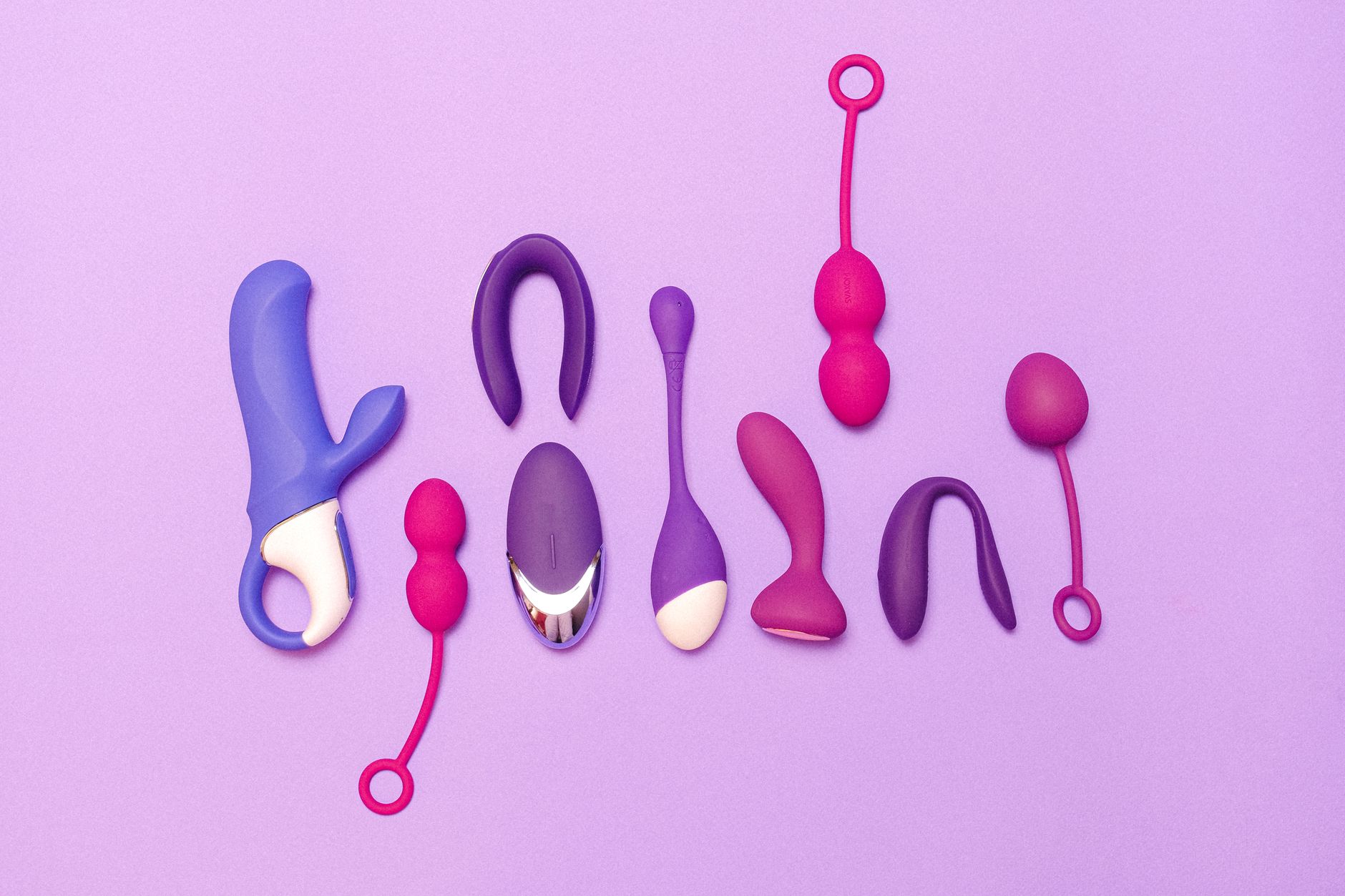
Many people carefully compare features and price when buying a sex toy, but rarely ask how long it is actually meant to last. Sex toys sit in the same drawer for years, and as long as they still turn on or look “fine from a distance”, they tend to stay in rotation. Yet these are intimate objects that come into direct contact with sensitive skin and body fluids, so material aging, surface damage or poor cleaning can change both comfort and hygiene. Thinking of sex toys as consumables with a lifespan, instead of permanent gadgets, makes it easier to decide when to retire an old favorite and move on to a safer upgrade.
Why sex toys need to be replaced at all
Unlike stainless steel cutlery, most sex toys are made from materials that naturally change over time. Silicone, TPE, PVC and soft rubber can gradually become sticky, oily, discolored or stiff, especially in warm or humid environments. These changes signal that the material is breaking down and may have tiny cracks or rough patches that are hard to see but easier for dirt to cling to. Toys also come into contact with lubricants and body fluids, and if cleaning or drying is rushed, residue can sit in seams and textures for a long time. Over months or years, the combination of moisture, heat and friction adds up, so regular replacement is less about perfectionism and more about keeping intimate play feeling comfortable and low‑stress.
Material types and how they influence toy lifespan
Material is one of the clearest clues when estimating how long a sex toy can reasonably stay in use. High‑quality silicone is relatively stable and, with careful cleaning and storage, many users keep these toys for years as long as there is no obvious damage, odor or change in texture. Softer TPE, PVC and jelly‑like materials often feel plush but tend to be more sensitive to heat and oils, so they are more likely to become sticky, cloudy or oily on the surface and are generally treated as shorter‑term options. Hard plastic, stainless steel and glass toys do not age in the same way; here the main concern is structural damage such as chips, cracks, sharp edges or flaking coatings. As soon as a material that touches the body no longer looks smooth and intact, it is safer to retire the toy even if it still technically works.
Clear warning signs that a sex toy should be replaced
Because most people do not keep track of purchase dates, watching for warning signs is often more practical than following a fixed calendar. One of the biggest red flags is visible surface damage: cracks, scratches, peeling or rough patches that you can feel with a fingertip. These areas are harder to clean thoroughly and can trap residue. Another common sign is a change in texture or color; if a toy becomes unusually sticky, rubbery, brittle or starts to leak oily film, the material is no longer in its original condition. Persistent odors are also worth taking seriously. If a toy still smells strongly of plastic, perfume or something sour even after careful washing and drying, many users treat that as a cue to stop using it on intimate skin. Discomfort during use, such as unexpected friction or irritation, is another reason to pause and inspect the toy rather than push through.
Extra considerations for vibrating and electronic toys
Vibrators, suction toys and wearable gadgets combine intimate materials with electronics, so their lifespan depends on both. Motors can wear down after long‑term use on high settings, leading to rattling, uneven vibration or much louder noise than when the toy was new. Rechargeable batteries may no longer hold a charge for very long, or the toy may only start charging at a very specific angle, which are signs of aging components. Waterproof designs rely on gaskets and seals that may gradually lose elasticity if the toy is submerged often or stored damp. If a toy shows unusual behavior while charging, such as strong heat, burning smell or intermittent power, it is safer to stop using and charging it. In these cases, replacing the toy is usually a better option than trying to push its remaining life, especially since intimate electronics sit very close to the body.
Single‑use versus reusable toys and where to draw the line
Some intimate products are clearly labeled as single‑use or short‑term items, such as condoms, disposable sleeves, paper underwear or certain inserts. These are designed with limited durability and hygiene in mind, so intentionally reusing them goes against how they were tested and packaged. Even if they look intact after one use, the material may be thinner, stretched or harder to clean properly. Reusable toys offer more flexibility, but it can still help to set a personal safety limit. For example, soft TPE toys that are used often might be reviewed once or twice a year, and any sign of stickiness, cloudiness or recurring odor can be a good moment to retire them. When in doubt, treating a questionable product as if it were single‑use is often the more cautious route.
How cleaning and storage habits affect toy lifespan
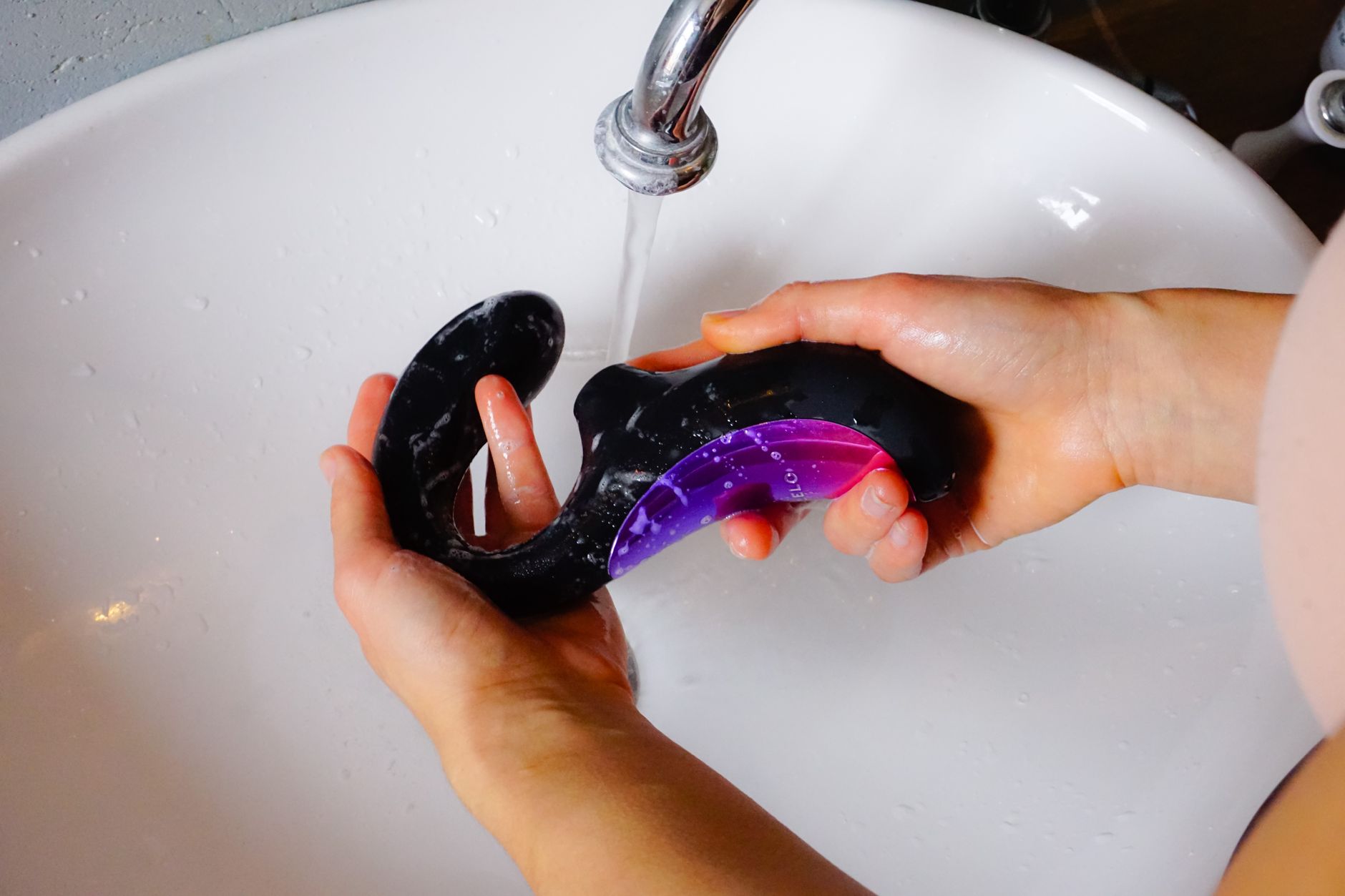
Two people can own the very same model of sex toy and end up with completely different results after a year, simply because their cleaning and storage routines are not the same. Washing a toy with a mild cleanser after each use, rinsing thoroughly, and allowing it to dry fully before putting it away helps limit moisture and residue. Storing toys separately in fabric pouches or a dedicated box also reduces the chance of different materials reacting and sticking together. By contrast, tossing a damp toy back into a dark drawer or leaving it in direct sunlight on the windowsill can accelerate discoloration and texture changes. Keeping toys near a radiator or inside a hot car for long periods may also shorten their lifespan. Adjusting these everyday habits often does more for longevity than any marketing claim about how durable a toy is supposed to be.
Sharing toys with a partner: hygiene and replacement choices
When sex toys are shared between partners, replacement decisions carry an extra layer of hygiene and comfort. Some couples use condoms or removable sleeves over shared toys to create a physical barrier and make cleaning between uses more straightforward. Even with those precautions, if a toy develops stains that no longer wash off, persistent smells or a history of use during times of illness or infection, many partners feel more at ease retiring it and choosing a new option together. Discussing “this one feels old, maybe it is time for something new” can turn a practical hygiene step into an opportunity to explore different shapes, materials or features that better fit how the relationship has evolved, rather than framing replacement as a loss.
When it is worth letting go and choosing a new sex toy
Pulling these ideas together, it usually makes sense to let go of a sex toy when the surface is damaged, the material clearly aged, cleaning no longer restores a neutral smell, or the electronics behave unpredictably. Another softer but important indicator is how the toy makes someone feel; if taking it out of the drawer brings more worry than anticipation, that in itself can be a sign that it has served its purpose. Looking at replacements as a way to keep intimacy feeling relaxed and up‑to‑date, instead of squeezing every last hour out of an object, often leads to better experiences overall. For anyone who has specific health concerns or a history of infections, discussing personal situations with a healthcare professional can provide additional reassurance while using sex toys as just one of many tools in a broader, adult approach to intimacy.
FAQ
How often should sex toys be replaced?
There is no single timeline that applies to every sex toy, because lifespan depends heavily on material, how frequently it is used and how carefully it is cleaned and stored. Silicone, glass and metal toys can sometimes be kept for years if they remain smooth, odor‑free and undamaged, while softer TPE or jelly‑like toys are usually treated as shorter‑term items. Instead of relying on a fixed number of years, it is more practical to watch for warning signs such as cracks, stickiness, fading color or persistent smells and replace the toy when these appear.
My sex toy feels slightly sticky but looks okay. Is it still safe to use?
A sticky or oily surface often means the material is breaking down, even if there are no obvious cracks. While some people try to fix the texture with corn starch or light powder, this does not reverse the underlying aging of the toy. Because these products touch sensitive areas, many users choose to stop using a toy once it becomes sticky and choose a newer option made from a more stable material. If someone has a history of irritation or other health concerns, it can also be helpful to discuss personal questions with a healthcare professional.
What does it mean if my vibrator does not hold a charge like it used to?
When a rechargeable vibrator takes much longer to charge, runs out of power quickly or only charges at a certain angle, it usually points to an aging battery or worn internal components. After ruling out issues with the cable or charger, persistent problems like this are a sign the toy is nearing the end of its useful life. If the toy heats up while charging or behaves unpredictably, it is safer to stop using it and consider replacing it with a newer model that better fits current needs and comfort levels.
How should old sex toys be disposed of discreetly?
Many people prefer to remove removable batteries, cut any attached cables and place toys into an opaque bag or box before throwing them out, so the contents are less recognizable. Depending on local rules, some parts may be sorted with regular household waste while electronics may need to follow small device or e‑waste guidelines. Checking local disposal advice and choosing a method that feels discreet can make letting go of old toys less awkward for both the owner and anyone handling the trash.