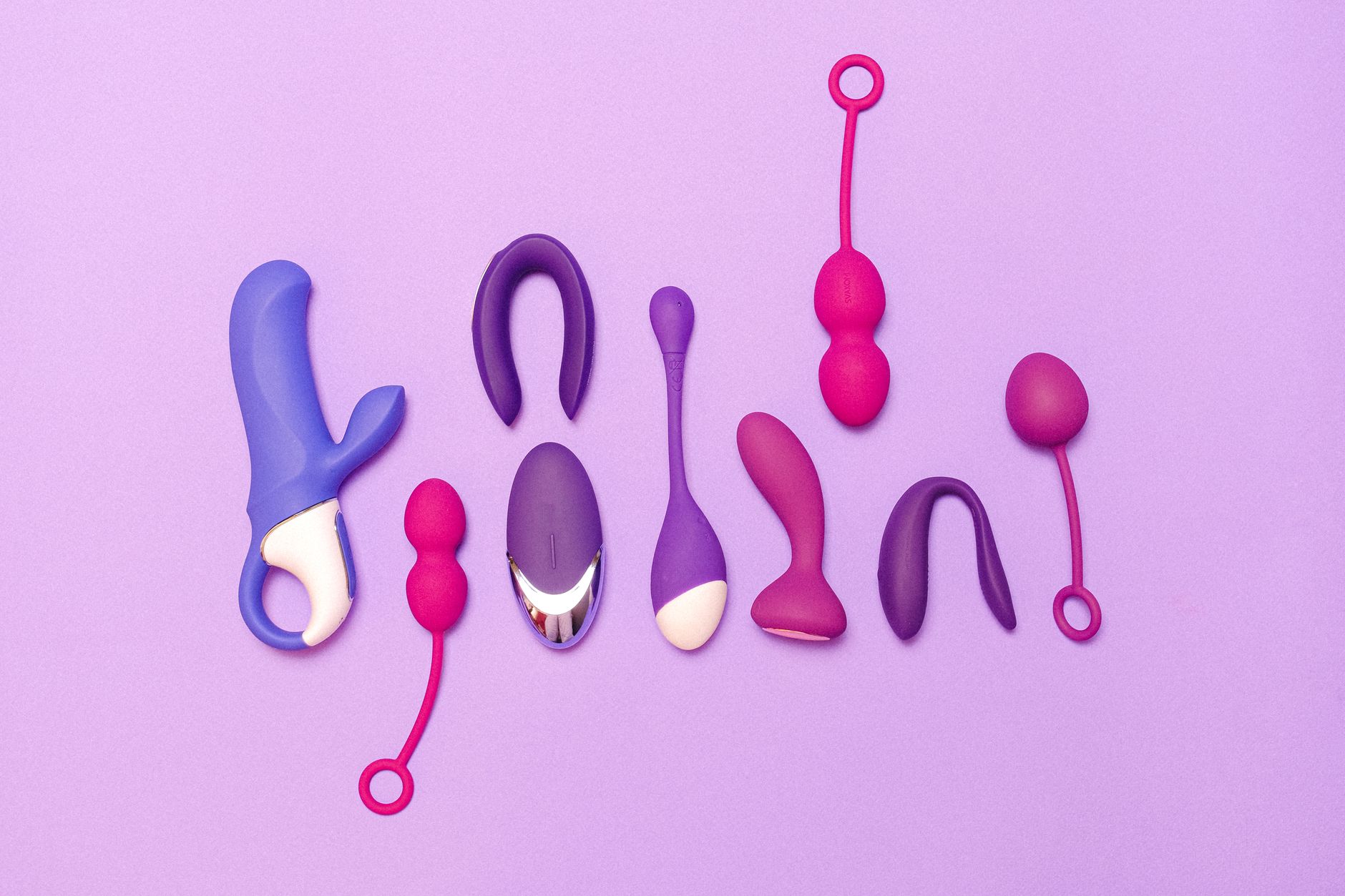
Sex toys are increasingly part of many couples’ bedrooms, and a practical question often comes up: can these toys be shared safely between partners, or should each person have their own? On the surface it may look like a simple decision about lending an item, but in reality it touches on intimate hygiene, infection risk, material properties and personal boundaries. This article focuses on what to consider before sharing toys, including how different materials behave, which structures are harder to clean, and how to set ground rules together. It also looks at communication and comfort, so any decision about sharing supports intimacy rather than creating silent worries.
Why sharing sex toys deserves extra thought
Unlike everyday items such as towels or razors, sex toys are designed to touch mucous membranes and areas where body fluids are present. That makes hygiene more important, especially when a toy moves between different bodies or body regions. Even when partners feel healthy and have no known conditions, there can still be unrecognized issues or differences in sensitivity. Some people are relaxed about sharing, while others feel strongly about keeping intimate tools personal, sometimes due to past experiences or simply their hygiene preferences. When these expectations are not spoken about, one partner may go along with sharing to avoid awkwardness, yet feel uneasy inside. Giving the topic a bit of structured thought helps both people understand what they are comfortable with before the toy is actually passed around.
Common concerns: cross-contamination and sensitivity differences
The main practical concern with sharing sex toys is cross-contamination, meaning fluids or microscopic residue moving from one person to another through the toy. If a toy is used on different body parts or on different partners without adequate cleaning in between, residues can sit on or inside the material, especially when there are grooves, textures or internal channels. Apart from microbiological issues, people also differ in their skin and mucosal sensitivity. A texture that feels pleasant to one partner might cause irritation, redness or discomfort to another, depending on their dryness level, previous conditions and the amount of pressure applied. These differences do not automatically mean sharing is unsafe, but they do make it important to pay attention, to use appropriate lubrication, and to take it seriously when someone reports discomfort instead of assuming they will “get used to it” over time.
Material matters: silicone, glass, plastic and porous surfaces
Whether a toy is suitable for sharing depends heavily on how easy it is to clean and how the material behaves. Smooth, non-porous materials such as high-quality silicone, glass and stainless steel are generally easier to wash thoroughly and less likely to retain fluids or odours on the surface. When these toys are cleaned and dried properly, partners often feel more comfortable sharing them under agreed conditions. In contrast, toys made from porous or very soft, sponge-like materials can hold onto moisture and microscopic residue in ways that are hard to rinse out. Detailed textures, seams and internal channels also complicate cleaning, because it is difficult to see whether every area has been properly reached. Checking the manufacturer’s guidelines can be helpful: some brands state clearly that a toy is intended for single-user use, while others suggest condoms or sleeves as a way to separate partners. In ambiguous cases, many people treat harder-to-clean toys as personal items rather than shared ones.
When is sharing not advisable? Practical red flags
Sharing sex toys is not an all-or-nothing topic, but there are clear situations where it is more cautious to avoid it. Toys that go deep into the body and cannot be fully turned inside out or flushed are one example, particularly if they have internal textures, moving parts or small cavities. Another red flag is visible wear and tear: cracks, peeling, discoloration or sticky surfaces suggest the material has degraded, making it harder to clean and less predictable in use. Complex designs with multiple openings, seams or attachments can also be difficult to clean consistently between uses, especially if cleaning usually happens in a rush. On the personal side, if partners have not yet discussed their health history, or if someone is monitoring an ongoing medical issue in intimate areas, many people prefer to keep toys non-shared until they have more clarity. Some couples compromise by sharing only external stimulators while keeping penetrative toys individual.
Before sharing: consent, comfort and health context
Before a toy moves from one hand to another, it helps to treat sharing as a choice that deserves explicit consent instead of an assumed default. One partner might be enthusiastic about using the same toy, seeing it as a symbol of closeness, while the other may quietly worry about hygiene or privacy. A straightforward conversation about what each person feels okay with can clear this up. Useful topics include which types of toys feel fine to share, which ones are more personal, and what cleaning routine each person needs to feel comfortable. Partners can also gently exchange basic information about sensitivities, past irritation or current symptoms in intimate areas, without turning it into a full medical interview. The goal is not to create anxiety, but to make sure decisions are informed rather than based on guesswork. When uncertainty about health risks remains, consulting a healthcare professional can provide context that helps guide these choices.
Building a reliable cleaning routine
A consistent cleaning routine is central to any decision about sharing. Even for toys used by a single person, good cleaning habits support comfort; for shared toys, they become part of how partners take care of each other. A simple structure is to rinse the toy under running water soon after use, remove visible residue, then apply a mild, suitable cleanser. Many people choose specialized toy cleansers or gentle, unscented soap, avoiding harsh chemicals, strong fragrances or high alcohol content that may damage certain materials. After thorough rinsing, toys need time to air dry completely before being stored, ideally in a clean pouch or dedicated container. Common shortcuts include relying only on wipes, skipping the drying step or storing damp toys in closed boxes, all of which reduce confidence if a toy is later shared. When both partners know and trust the routine, sharing tends to feel less risky and more like an intentional choice.
Compromise options: separate toys, condoms and sleeves
For couples who would like to enjoy toys together but remain cautious about hygiene, compromise solutions can be useful. One simple option is for each partner to own a copy of the same toy model, so they can share an experience while keeping the actual items personal. Another approach is to use condoms or disposable sleeves over toys when switching between partners or body regions. This adds a layer between the toy surface and intimate tissue, and many people feel more comfortable when this barrier is changed each time. These strategies do not replace cleaning, but they allow some flexibility in how toys are used and shared. They are particularly common with toys that are otherwise well-designed but have deeper channels or textured surfaces that make people think twice about passing them back and forth.
Talking about boundaries and trust
Conversations about sharing sex toys often evolve into broader discussions about boundaries and trust in the relationship. For some, sharing feels like another way to express closeness and mutual enjoyment; for others, keeping certain items personal is part of feeling respected and safe. Rather than framing differences as one person being overly relaxed or overly cautious, it can help to speak in terms of “what helps me feel comfortable” and “what makes me hesitant.” Partners can then explore middle-ground solutions, such as limiting sharing to specific types of toys or agreeing on clear cleaning and barrier-use rules. These agreements are not fixed forever: as bodies, health situations and relationship dynamics change, boundaries can be revisited. The important part is that both people feel listened to and free to adjust their preferences over time.
Conclusion: treat sex toy sharing as a negotiable choice
Whether sex toys are shared or kept personal is best understood as a negotiable choice rather than a rule that should be the same for everyone. When partners take time to understand hygiene implications, material differences and cleaning routines, then combine this with honest communication about comfort and health, it is easier to arrive at an arrangement that suits both. Some couples decide that certain non-porous, well-cleaned toys are fine to share, while others opt for individual items and only share external stimulation. If any concerns about infection risk or irritation arise, medical advice can provide additional perspective. Ultimately, sex toys are meant to support pleasure and connection; when sharing practices are aligned with both safety and respect, they are more likely to play a positive, sustainable role in the relationship.
FAQ
Is it always unsafe to share sex toys with a partner?
Sharing sex toys is not inherently always unsafe, but it depends on several factors, including the material, design, cleaning routine and the health context of both partners. Smooth, non-porous toys that are thoroughly cleaned and dried may raise fewer concerns than porous or damaged items. Because personal sensitivity and health situations differ, couples are encouraged to discuss their comfort levels and consult healthcare professionals if they have specific medical questions.
What is a basic cleaning routine if we plan to share certain sex toys?
A basic routine includes rinsing the toy under running water soon after use, washing it with a mild, suitable cleanser, then thoroughly rinsing again and allowing it to air dry completely before storage. Toys should be kept in a clean pouch or container to avoid dust or contact with other materials. It is wise to avoid harsh chemicals or strong fragrances that can damage surfaces or irritate skin. A consistent routine that both partners understand and trust makes sharing decisions easier.
How can couples reduce hygiene concerns while still using toys together?
Many couples choose compromise strategies, such as owning separate copies of the same toy so experiences are shared but items remain personal, or using condoms and disposable sleeves when a toy switches between partners or body regions. These approaches are combined with thorough cleaning, not used instead of it. They are especially helpful for toys with deeper channels or textured designs, where some people feel more uncertain about sharing the bare surface.
What if partners disagree about sharing sex toys?
Differences in comfort around sharing sex toys are common and do not automatically mean something is wrong in the relationship. Partners can start by describing what helps each of them feel safe and respected in intimate settings, then look for arrangements that meet both sets of needs, such as limiting sharing to specific toy types or agreeing on clear hygiene rules. Over time, boundaries can be revisited as circumstances change, and if any health-related doubts arise, professional advice can support informed decisions.