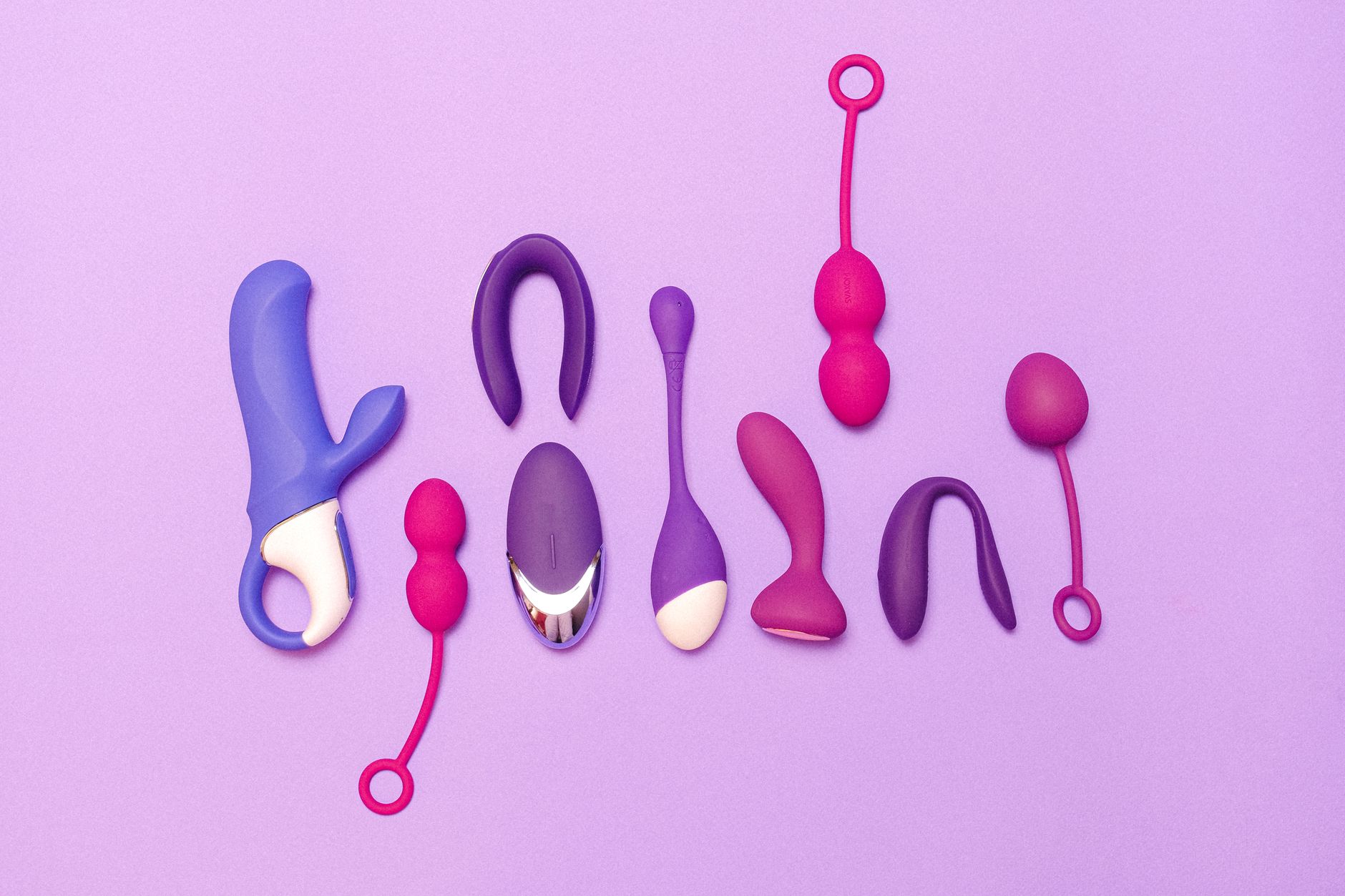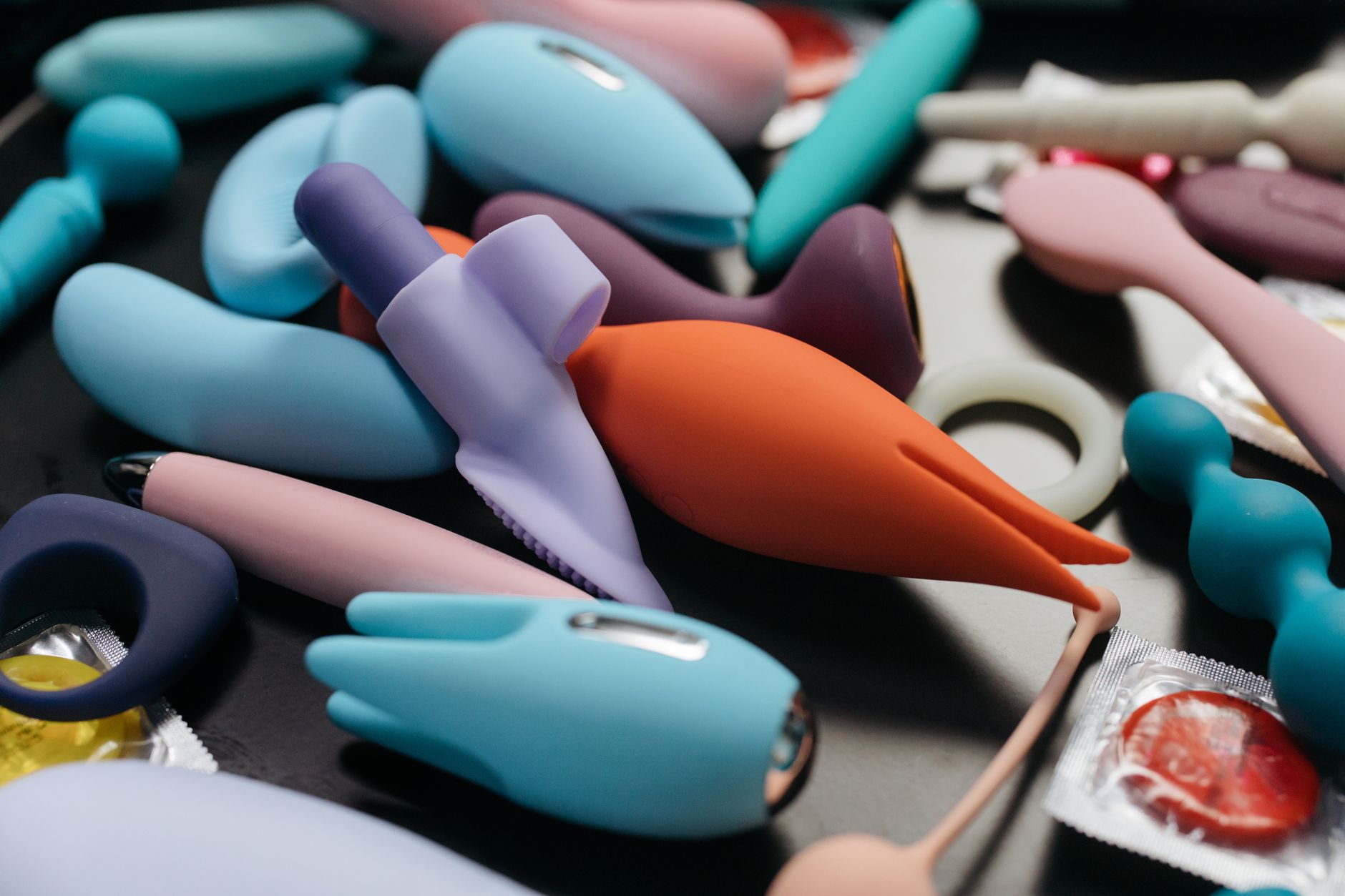
Product pages for adult toys often use terms such as vibration, suction, thrusting, rotation and pulse as if their meanings were obvious. For a first-time buyer, those labels can be less useful than the actual questions: What moves, where does it make contact, how much control does the user have, and how difficult is it to clean? This guide translates common features into practical language, compares the main categories, and explains what to check before buying. Adult products are for people who meet the legal age requirement in their location, and every shared activity should be based on clear consent, comfort and personal boundaries.
Vibration: frequency, intensity and contact style
Vibration usually means a motor creates continuous movement, which is why products are commonly called vibrators or personal massagers. Product pages may list intensity levels, speeds, frequencies or patterns, but brands do not use these terms consistently, so a larger number of settings does not automatically describe a stronger or better experience. External vibrators are designed to touch the body’s surface, while slim or curved designs may be marketed for more concentrated contact or internal use.
The practical details often matter more than the label. Weight, grip shape, button placement, noise, charging and the ability to return quickly to a low setting can determine whether a product feels manageable. Someone living with roommates may prioritize quiet operation and a lock function, while a user with limited hand strength may value a stable handle or remote control. Starting at a low setting and stopping when the body feels pain, numbness, burning or persistent discomfort gives the user a clearer way to assess fit.
Suction and air pulses: not the same as ordinary vibration
A suction toy, air-pulse stimulator or pressure-pulse device generally uses changing airflow to create rhythmic pressure at the contact point. The sensation is not necessarily a strong vacuum, and the result depends on the cup shape, seal, pulse pattern and intensity controls. Some products combine air pulses with vibration, while others use “suction” mainly as a marketing term, so the product description should clarify whether the functions are separate, combined or simply described with different wording.
These products usually work best when the contact surface is positioned accurately without forceful pressure. A poor fit can cause slipping, friction or an unstable seal, which is why the opening shape, removable parts and cleaning instructions deserve attention. Electronic products should not be submerged or exposed to heat unless the manufacturer clearly states that the design allows it. If the device feels painful or unusually irritating, it should be removed and the user should reassess the setting, fit and contact time.
Thrusting, stroking and reciprocating motion
Thrusting, stroking, reciprocating and automatic movement usually describe a back-and-forth action. The movement may come from the entire product, an internal sleeve or a separate mechanism, and some listings use “retractable” to describe an adjustable structure rather than an actual thrusting function. Buyers should look for the moving part, travel distance, speed control, stopping position and whether the product can be used manually when the motor is off.
For insertable products, size and safety design are more important than a long list of modes. Any product intended for anal use should have a broad base or another clear stop that prevents the item from being drawn inside. Adequate, compatible lubricant is also important, and pain, bleeding or unusual discomfort are reasons to stop and seek appropriate professional advice when needed. An automatic movement feature does not remove the need for gradual use, communication and attention to bodily feedback.
Rotation, warming and multi-function controls
Product pages may also mention rotating heads, twisting motion, warming, pulsing or synchronized modes. Rotation usually means a head or internal component turns around an axis, while warming refers to a heated surface or body. These features are not suitable for every user or situation, particularly when normal temperature or sensation is reduced, or when the skin is irritated or injured. A device with many settings may be harder to operate than a simpler product with clear controls and an immediate stop button.
A useful way to compare products is to separate the decision into five areas: desired movement, contact area, external or insertable use, cleaning method and storage needs. Someone seeking external use may focus on surface shape and low-intensity control; a couple may compare remote operation, lock mode and shared cleaning; a frequent traveler may care about weight, charging, travel storage and discreet packaging. This approach keeps the decision grounded in daily use instead of impressive-sounding feature names.
Materials, lubricant compatibility and cleaning
Common materials include silicone, glass, stainless steel, ABS plastic and more porous elastomers, rubber or skin-like materials. Nonporous materials are generally easier to clean thoroughly, but the product instructions still matter. Porous materials can retain fluids and odors, so a new barrier for each user is a cautious option when an item is shared. Silicone products commonly require checking lubricant compatibility, because silicone-based lubricant may not be suitable for every silicone toy; water-based lubricant is often the simpler starting point when the label permits it.
Clean the product before and after use according to its material and water-resistance instructions, using warm water and a mild, unscented cleanser when appropriate. Rinse away residue and let the item dry completely before storage. Devices with motors, batteries or charging ports should not be boiled, soaked or placed in a dishwasher unless the manufacturer explicitly allows that method. Store different materials separately, and stop using any product with cracks, a sticky surface, unusual odor, deformation or charging problems.
A beginner buying checklist
Once the terminology is clear, the product page should answer a practical set of questions: Is the main action vibration, air pressure, reciprocating motion or a combination? Is the contact area designed for external or insertable use? Are the material, dimensions and water-resistance rating clearly stated? Can the product be cleaned without exposing electronics to water? Are the warranty, return policy, packaging and invoice details easy to understand? If a listing focuses on dramatic adjectives but omits these specifications, it is worth pausing before purchase.
- Prioritize control: Check for a gentle starting level, easy-to-reach buttons and a quick stop function.
- Confirm boundaries: For insertable products, review dimensions, a suitable stop or base, and compatible lubricant guidance.
- Estimate cleaning effort: Removable contact parts, protected charging ports and drying time affect everyday convenience.
- Consider privacy: Review shipping labels, order notifications, billing descriptions and account settings before checkout.
Terminology is only the starting point. Vibration generally refers to continuous motor movement, suction commonly refers to air-pressure pulses, and thrusting describes a back-and-forth action; a single product may combine several of them. The most suitable choice depends on comfort, intended contact, operating control, cleaning capacity, privacy needs and whether the user is purchasing for solo or partnered use. There is no need to choose the most complicated device simply because it has more modes. If use is followed by persistent pain, bleeding, skin injury or another unusual reaction, stop using the product and seek appropriate medical advice.
FAQ
What is the difference between a vibrator and a suction toy?
A vibrator mainly uses a motor to create continuous movement, while a suction toy usually uses changing airflow and pressure pulses at the contact point. Some products combine both features, so buyers should check the technical description rather than relying only on the product name.
What does thrusting mean in a sex toy listing?
Thrusting usually describes an automatic back-and-forth movement. Depending on the design, the movement may come from the full device, an internal sleeve or a separate mechanism, so the listing should be checked for travel distance, speed control and stopping position.
How should adult toys be cleaned?
Follow the material and water-resistance instructions, using warm water and a mild, unscented cleanser when appropriate. Rinse away residue and dry the product fully; motorized devices should not be boiled or submerged unless the manufacturer explicitly permits it.
What should beginners check before buying a sex toy?
Start with the movement type, intended contact area, size, material, water-resistance rating, low-intensity control and cleaning method. Clear operation, a quick stop function and realistic maintenance requirements are usually more useful than a large number of modes.