Storing sex toys properly involves more than placing them in a drawer. Cleaning, complete drying, material separation, and protection from moisture all affect hygiene and the condition of the item over time. A bathroom cabinet, a tightly sealed plastic bag, or a drawer filled with loose objects may look convenient but can expose toys to steam, lint, pressure, or surface contact with incompatible materials. This guide explains a practical routine for adult users, from post-use cleaning and material identification to storage bags, charging care, and regular inspection.
Clean Before Putting Anything Away
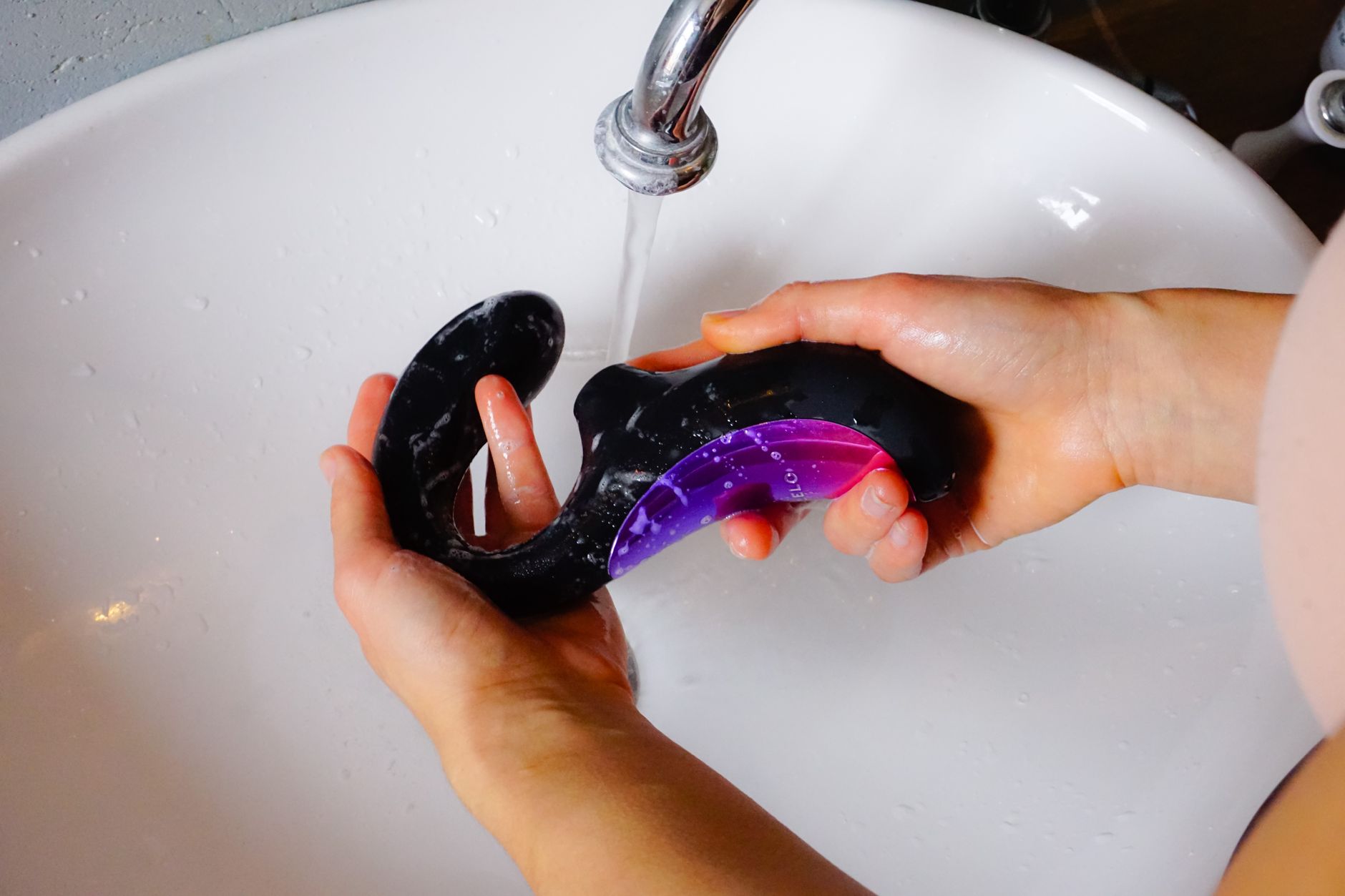
The first storage rule is simple: follow the product instructions before putting a toy away. For many non-porous materials, warm water and a mild, fragrance-free cleanser may be suitable, but motorized products require more care. A toy with a charging port, control panel, or exposed seam should not automatically be submerged. Water-resistance ratings vary, so users should check the manufacturer’s instructions and wipe the toy instead when full immersion is not clearly allowed.
After washing, rinse away all cleanser and residue. Pat the surface with a clean towel, then let the item air-dry completely in a clean, shaded, well-ventilated place. Pay attention to grooves, seams, threaded parts, and the area around buttons. A toy that still feels slippery, has visible droplets, or smells strongly of cleanser is not ready for enclosed storage. Avoid bleach, alcohol wipes, harsh household sprays, and strongly scented products unless the manufacturer specifically approves them.
- Use the care instructions supplied with the product.
- Do not soak an electronic toy unless its design clearly permits it.
- Make sure charging contacts and ports are dry before charging.
Material Determines the Storage Method
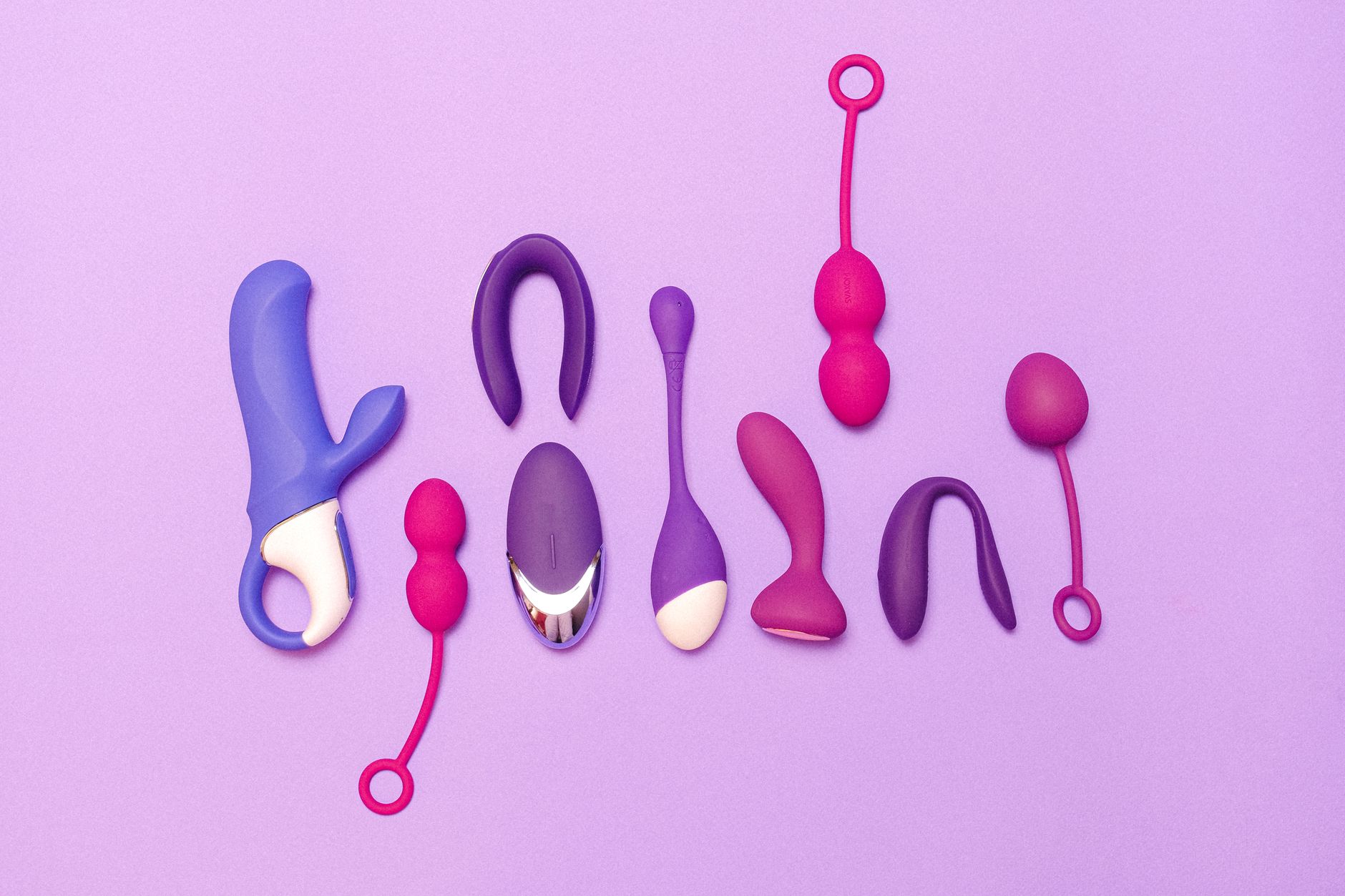
Material labels matter because toys do not all respond to cleaning and storage in the same way. Silicone, glass, and stainless steel are commonly considered easier to clean than soft porous materials, but the product’s construction and manufacturer instructions still take priority. TPE, TPR, PVC, jelly rubber, and similar soft plastics may require more cautious cleaning and should not be pressed against other soft items for long periods. If packaging only says “soft material” without identifying the composition, a conservative storage approach is sensible.
Separate storage is especially important for soft items. Some materials can become tacky, discolor, transfer residue, or stick together after prolonged contact. Silicone items should also be kept individually separated rather than touching one another indefinitely. For porous or difficult-to-clean products, a suitable condom barrier may provide an additional hygiene layer when the product’s design allows it, particularly if the item is shared. A barrier does not replace cleaning or make a damaged product safe.
| Material or type | Storage approach | What to watch for | |---|---|---| | Silicone, glass, stainless steel | Dry fully and store separately | Check lubricant compatibility | | TPE, TPR, PVC, jelly rubber | Use an individual pouch and avoid pressure | Stop if the surface turns sticky or changes color | | Electronic or rechargeable toys | Keep ports dry and avoid heat | Follow the stated water-resistance rating |
Choose the Right Pouch and Location
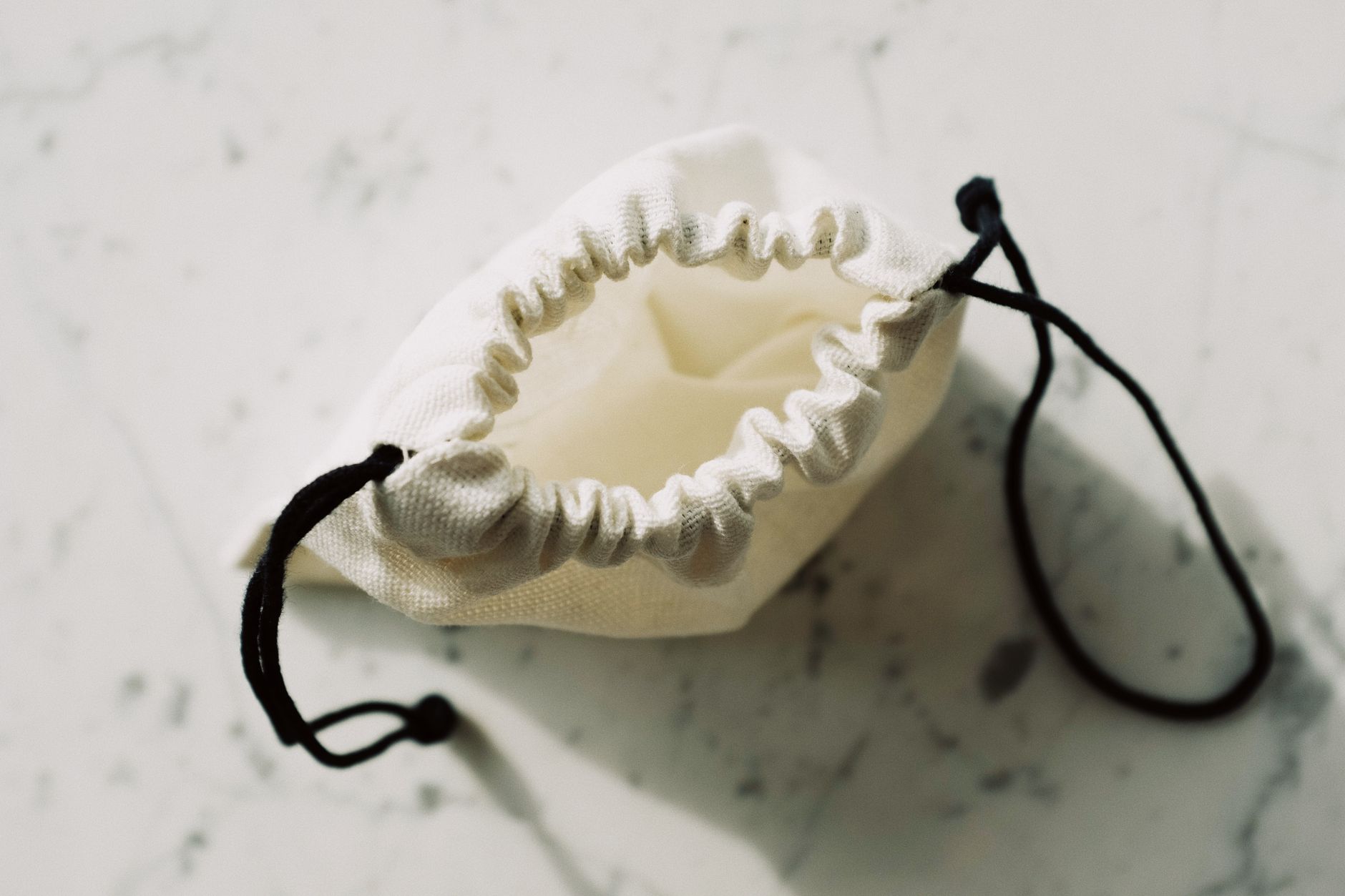
A suitable storage area should be cool, dry, shaded, clean, and protected from heavy pressure. An individual fabric pouch, the original case, or a divided storage box can reduce dust, lint, scratches, and accidental contact. A pouch is not a substitute for cleaning: the toy should be fully dry before it goes inside, and the pouch itself should be washed or replaced when it develops dust, odor, or visible soil.
Bathrooms are often convenient but are not ideal for long-term storage because steam and humidity change frequently. Avoid windowsills, radiators, heated cabinets, and places exposed to direct sunlight, since heat and ultraviolet exposure may contribute to material, casing, or battery aging. Privacy and household safety matter as well. A lockable drawer or dedicated cabinet can keep products away from children, pets, visitors, and sharp household objects.
- Store each item in its own pouch or divided compartment.
- Keep toys away from keys, scissors, jewelry, and sharp edges.
- Do not seal a damp toy in a plastic bag for extended periods.
- Keep chargers and accessories organized without placing heavy items on the toy.
Lubricant Compatibility and Surface Care
Lubricant residue is another part of storage care. Many silicone products are commonly paired with water-based lubricant, but formulas and surface treatments vary, so the product instructions should be checked before use. A silicone-based lubricant may not be suitable for every silicone item, and appearance alone cannot confirm compatibility. When the label is unclear, contacting the manufacturer or a reputable retailer is safer than applying a large amount and hoping for the best.
After use, wash away lubricant film before storage. Residue can attract lint and dust, leave a greasy surface, and make inspection more difficult. If a toy suddenly becomes tacky, oily, cloudy, discolored, or unusually scented, stop using it and consider whether the material, cleanser, or lubricant may be involved. Do not try to reverse an unknown reaction with aggressive chemicals. When the source of the change cannot be identified, replacement is the more cautious option.
Care for Rechargeable and Electronic Toys
Rechargeable toys need additional attention around water and electricity. Turn the product off before cleaning and remove a battery only when the instructions say it is user-removable. Keep charging ports, magnetic contacts, buttons, and seals as dry as possible. “Splashproof” does not necessarily mean “safe to submerge,” and a product’s rating should guide the cleaning method rather than assumptions based on its appearance.
For long periods without use, follow the manufacturer’s advice about battery storage and charge level. Do not charge a product in a hot, damp, or sunlit location. Stop using and charging the item if the battery swells, the casing cracks, the device becomes unusually hot, charging behaves erratically, or controls fail. Store the cable separately without sharp bends, and use the supplied charger or a clearly compatible replacement instead of an unverified adapter.
Inspect Before Use and Know When to Replace
A quick visual and tactile check before use can catch problems early. Under good lighting, look for cracks, peeling, deformation, sharp edges, stickiness, unusual odor, discoloration, or grooves that cannot be cleaned properly. For electronic products, inspect the casing seams, charging port, buttons, and seals. Any unexpected change on a surface that contacts the body deserves attention rather than repeated washing and continued use.
Repeat the check after long periods in storage, and keep the pouch or box clean as well. If a toy is shared, use an appropriate barrier when suitable and clean it between users or between different body areas according to the product instructions. A damaged, persistently sticky, decomposing, or contaminated item should be discontinued and discarded in line with local waste guidance. If use is followed by ongoing discomfort or suspected infection, seek advice from a qualified healthcare professional.
The practical routine is easy to remember: clean according to the instructions, dry completely, separate materials, and store in a cool, dry place. For homes in humid climates, complete drying and individual pouches deserve particular attention because moisture, lint, and material contact are common sources of storage problems. A clean fabric pouch, a divided box, and a short inspection before use are usually enough to create a reliable routine without buying complicated equipment. This article provides general hygiene and care information only; if product instructions differ from general guidance, follow the manufacturer’s directions, and seek professional healthcare advice for persistent discomfort or suspected infection.
FAQ
Can sex toys be stored together in one pouch?
It is better not to place every toy together, especially when the items are made from silicone, TPE, TPR, or other soft materials. Long-term contact may lead to tackiness, discoloration, residue transfer, or surface damage. Use an individual pouch, original case, or divided compartment for each item.
How dry should a sex toy be before storage?
The surface, seams, grooves, and charging area should be completely dry, with no droplets, cleanser foam, or slippery residue. There is no universal drying time because design and room conditions vary. Air-dry the item in a clean, shaded, ventilated area before enclosing it.
Is it safe to store sex toys in the bathroom?
Bathrooms are usually humid and exposed to steam, so they are not ideal for long-term storage. If a toy must be kept there temporarily, place it away from water and heat only after it is fully dry. A cool, dry drawer or dedicated storage box is generally more suitable.
What should I do if a sex toy becomes sticky or develops an unusual odor?
Stop using it and inspect the material, storage conditions, cleanser, and lubricant compatibility. Persistent tackiness, cracks, discoloration, decomposition, or an unusual odor can indicate material damage or contamination. If the cause cannot be confirmed, replacement is the cautious choice; seek healthcare advice if ongoing discomfort occurs.